REVIEW · HA GIANG
From Hanoi: Ha Giang Guided 3-Day Trip
Book on GetYourGuide →Operated by VIETNAM GOLF PACKAGE · Bookable on GetYourGuide
Ha Giang grabs you and won’t let go. This 3-day guided route strings together Ma Pi Leng Pass views and a hands-on easy-rider motorbike experience, with plenty of stops for hill-tribe life and key landmarks. My only caution: the days are long and you’ll spend a lot of time on roads before each big viewpoint hits.
You’ll start with hotel pickup in Hanoi’s Old Quarter area (or meet at Hanoi Opera House if you’re outside central) and travel by limousine/sleeping bus to Ha Giang. In Ha Giang province, an English-speaking guide keeps the story straight, and you also get an English audio guide. The mix of town nights and a homestay in a rice-field setting gives you a different feel than doing this as a quick loop with no overnight rhythm.
In This Review
- Key things I’d circle before you go
- Ha Giang in three days: what this trip really gives you
- Why the itinerary’s structure matters
- Pickup from Hanoi and the road to Ha Giang City (Day 1: passes, rice fields, and the Dong Van arrival)
- Ha Giang City → Yen Minh → Tham Ma Pass → H’mong King’s Palace → Dong Van
- H’mong King’s Palace stop near Dong Van
- Practical note for Day 1 comfort
- Ma Pi Leng Pass and the Sky Path trek: the Day 2 highlight you’ll remember
- Why Ma Pi Leng Pass is the big deal
- Trek the Sky Path for valley and river views
- Village-life drive through the remote side of the route
- How to make Day 2 easier on yourself
- Du Gia to Ha Giang City via villages and Lung Khuy Cave (Day 3: back roads with more to see)
- Quan Ba town, Sky Gate, and a mountain shaped like a myth
- A note on closure timing
- Motorbike with easy rider: what the included ride is like in real life
- If English is your thing
- Where you sleep and how meals fit the schedule
- Accommodation types included
- Meals included (and what to watch for)
- Price and logistics: is $288 good value?
- Who should book this Ha Giang 3-day guided route
- Should you book this Ha Giang 3-Day Guided Trip?
- FAQ
- What time does the trip start and how do pickups work?
- How do we travel between Hanoi and Ha Giang?
- What accommodation is included during the 3 days?
- What meals are included?
- What do I need to bring?
- Is this tour suitable for wheelchair users or people traveling with pets?
Key things I’d circle before you go

- Ma Pi Leng Pass + Sky Path trek for high, cliff-edge views over the Nho Que river valley
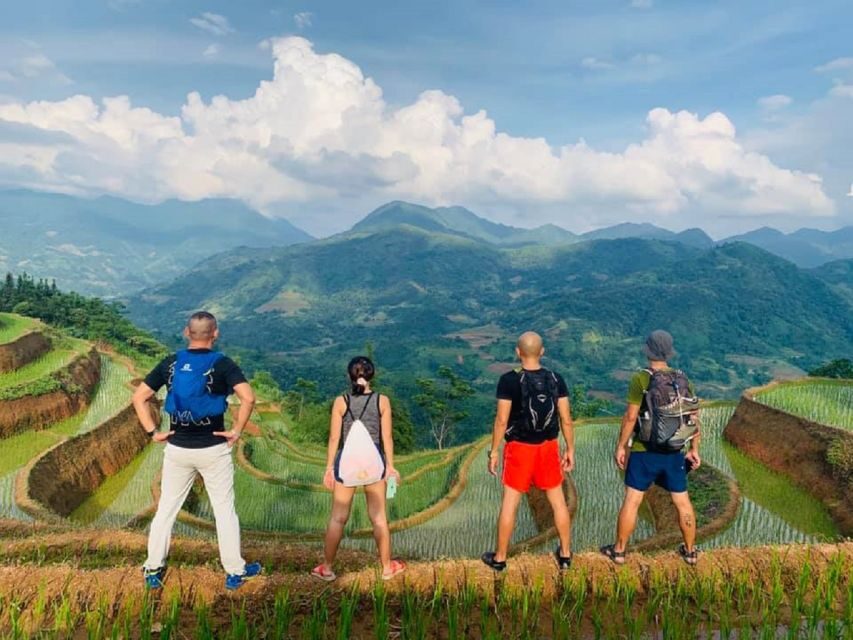
- Dong Van Karst Plateau stops built around limestone rocks, rice fields, and village life
- H’mong King’s Palace (Sa Phin) near Dong Van for a culture and architecture anchor
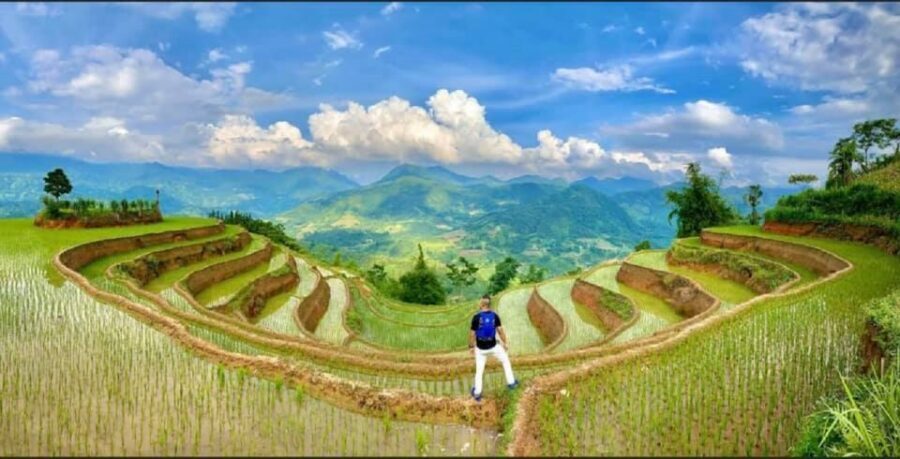
- Du Gia homestay positioned in the middle of green rice fields, not just a town hotel
- Easy-rider motorbike setup designed so the driving stays the focus while the guide handles the route and timing
- One-way return by bus so you’re not stuck planning your own finish back to Hanoi
Ha Giang in three days: what this trip really gives you
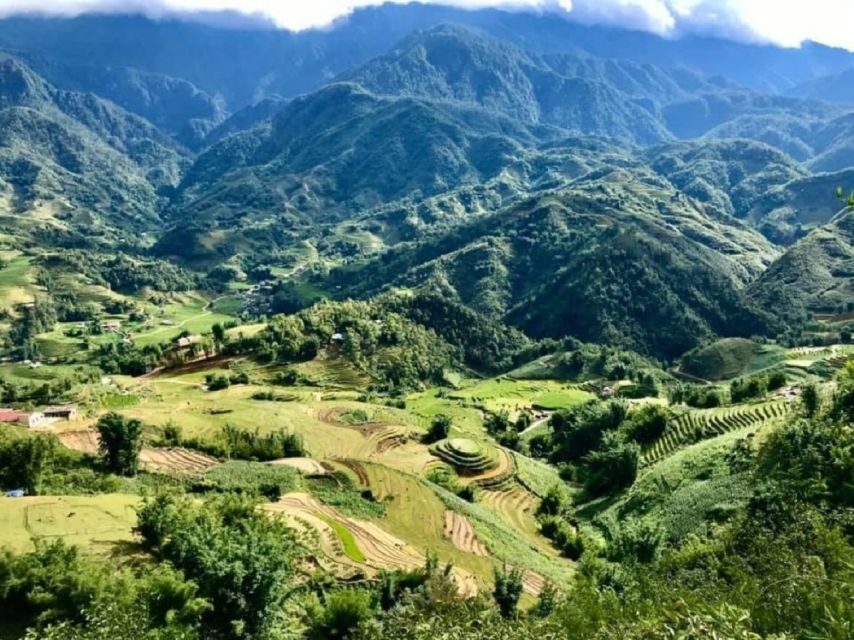
This is the kind of tour that works because it has rhythm. Day 1 is about getting oriented fast—passes, passes, then more passes—so you can feel why Ha Giang is Vietnam’s northern “different world.” Day 2 is where the views go big: Ma Pi Leng Pass is the headline, and the Sky Path trek turns a viewpoint stop into a short hike with a payoff you can actually feel in your legs and your camera.
Day 3 slows just enough to add contrast: caves and village roads on the way back toward Ha Giang city. It’s not a “see one famous place” itinerary. It’s more like: drive through the province with stops that teach you how people live and what the mountains shape.
You can also read our reviews of more guided tours in Ha Giang
Why the itinerary’s structure matters
You’re not just collecting photos. You’re moving through the province in a way that explains the geography: limestone karst on Day 1, a dramatic cliff pass on Day 2, then the return roads that still keep the mountains in frame. That pacing is also what makes the experience feel full without being exhausting in a chaotic way.
Pickup from Hanoi and the road to Ha Giang City (Day 1: passes, rice fields, and the Dong Van arrival)
Your day starts at 8:00 am with a guide pickup from your hostel in Hanoi Old Quarter. If you’re not staying in central Hanoi, your meeting point is Hanoi Opera House (No 1 Trang Tien Str, Hoan Kiem, Hanoi). Either way, the goal is the same: get your bearings fast and start driving into the mountains before you’ve had time to mentally settle into “tour mode.”
Ha Giang City → Yen Minh → Tham Ma Pass → H’mong King’s Palace → Dong Van
Right away, the scenery shifts. You head up through multiple mountain road sections, cross Bac Sum Pass, and climb toward the area called Heaven Gate, where you get a view over Tam Son town with twin mountain formations. This isn’t a long lecture stop; it’s the kind of pull-off that helps you understand what the province feels like before you start chasing landmarks.
Then you reach Yen Minh town, where lunch is part of the plan. After that, you keep going toward Dong Van, using Chin Khoanh Pass along the way. This is where the Dong Van Karst Plateau idea becomes real: you see uninterrupted rice fields plus thousands of limestone rocks—an environment that shapes everything from farming to settlement patterns.
H’mong King’s Palace stop near Dong Van
A few kilometers before Dong Van Town, you stop at H’mong King’s Palace, a residence tied to the Vương/Voung family in Sa Phìn. Even if you don’t read every detail on the walls, it helps to have a place like this to anchor what you’re seeing outside. The palace gives the human context behind the stops: mountains and isolation weren’t just scenery; they were part of how power, culture, and daily life formed.
By late afternoon you arrive in Dong Van and dinner is scheduled. The evening is flexible enough for you to wander the town area and decompress, which matters—because Day 2 is the one that really demands your attention.
You can also read our reviews of more tours and experiences in Ha Giang

Practical note for Day 1 comfort
This itinerary is built for motion. If you’re sensitive to long van travel, pack water and something small for snacking (drinks aren’t included with meals, though mineral water is). Even on days with stops, you’ll still feel the “drive, stop, drive” rhythm.
Ma Pi Leng Pass and the Sky Path trek: the Day 2 highlight you’ll remember

After breakfast in Dong Van, Day 2 takes you onto what the route calls the Happiness Road connecting Dong Van and Meo Vac, with Ma Pi Leng Pass as the peak moment.
Why Ma Pi Leng Pass is the big deal
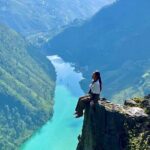
The pass is described as the most ragged pass in northern Vietnam, reaching around 2,000 meters altitude. In plain terms: you’re on a road that’s carved into steep terrain, with cliff edges and constant turns. The payoff is that you don’t just get one viewpoint—you keep getting visual hits as the road climbs and curves.
Trek the Sky Path for valley and river views
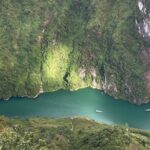
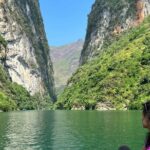
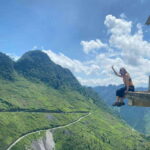
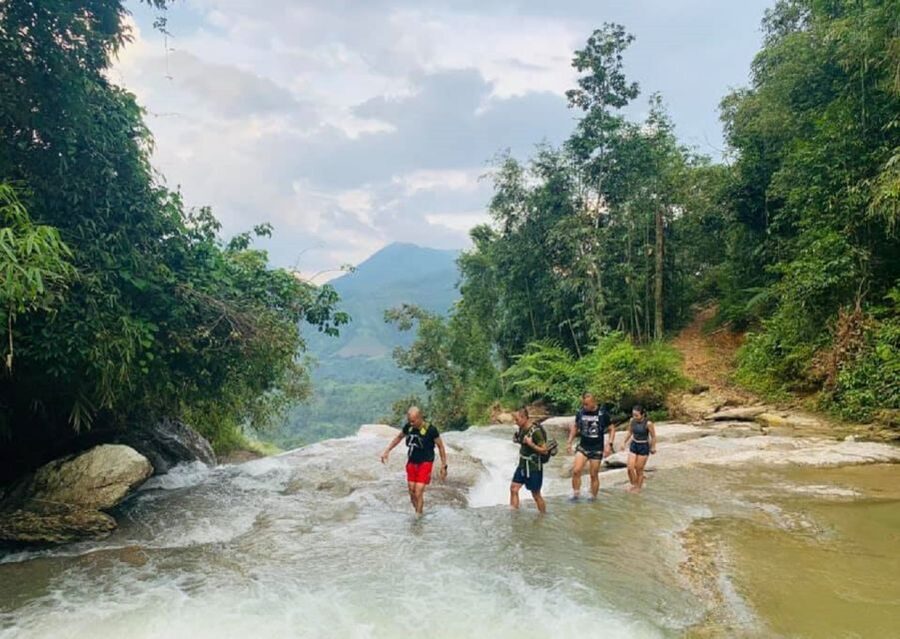
The tour doesn’t stop at parking-lot photos. You’ll trek the Sky Path for a view into the valley and the Nho Que river. From the mountain viewpoint, you can experience a 360° panorama of the pass area and take pictures that look like postcard covers because the geography is that dramatic.
This is also where your photos will benefit most from patience. The best angles come when you pause, scan, and find the line of the river and the layers of mountains, not when you rush to one perfect shot.
Village-life drive through the remote side of the route
While the pass is the headline, the tour keeps weaving in everyday life of hill-tribe villages. You drive through areas including Lung Ho, Mau Due, and then stop in Meo Vac Town for lunch and a drink. After that, you continue to Du Gia town, where you spend the night at a homestay in the middle of green rice fields.
That homestay matters because it changes the feel of the trip. Instead of “arrive, sleep, repeat,” you get at least one evening where the landscape feels more lived-in and quiet.
How to make Day 2 easier on yourself
Bring layers. Pass areas can feel cooler and windier at viewpoints, even if lower parts of Ha Giang feel warm. Also, wear shoes you’re comfortable trekking in—because the Sky Path stop is described as a trek, not just a short walk.
Du Gia to Ha Giang City via villages and Lung Khuy Cave (Day 3: back roads with more to see)
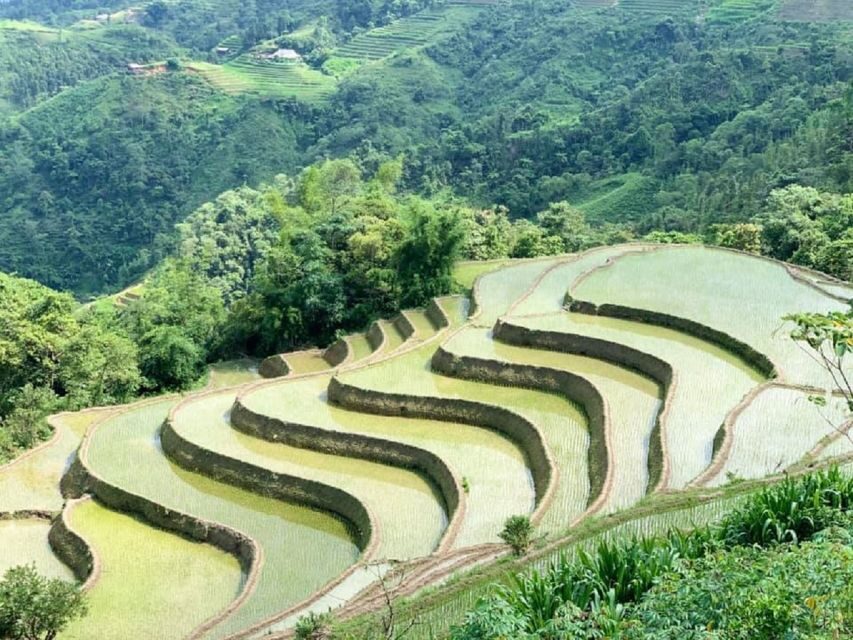
Day 3 starts in Du Gia and keeps the tour from feeling like a “transfer day.” You drive through Duong Thuong Village, then visit Lung Khuy Cave. After the cave stop, the route turns toward Ha Giang City.
Quan Ba town, Sky Gate, and a mountain shaped like a myth
On the way back you pass Quan Ba town, and you also get a look at Nui Do Mountain, which some describe as looking like fairy’s breasts. After crossing Sky Gate, you loop back toward Bac Sum Pass. The overall effect is that you’re not just returning the same way without changes—you’re still moving through signature mountain terrain.
The trip is scheduled so you arrive back in Ha Giang late afternoon. From there, services end in the Hanoi area thanks to the included round-trip limousine/sleeping bus back to Hanoi.
A note on closure timing
Because you’re on the road late afternoon, don’t plan a complicated same-day activity in Hanoi right after your arrival. Keep it simple: dinner near where you stay and an early night if you can.
Motorbike with easy rider: what the included ride is like in real life
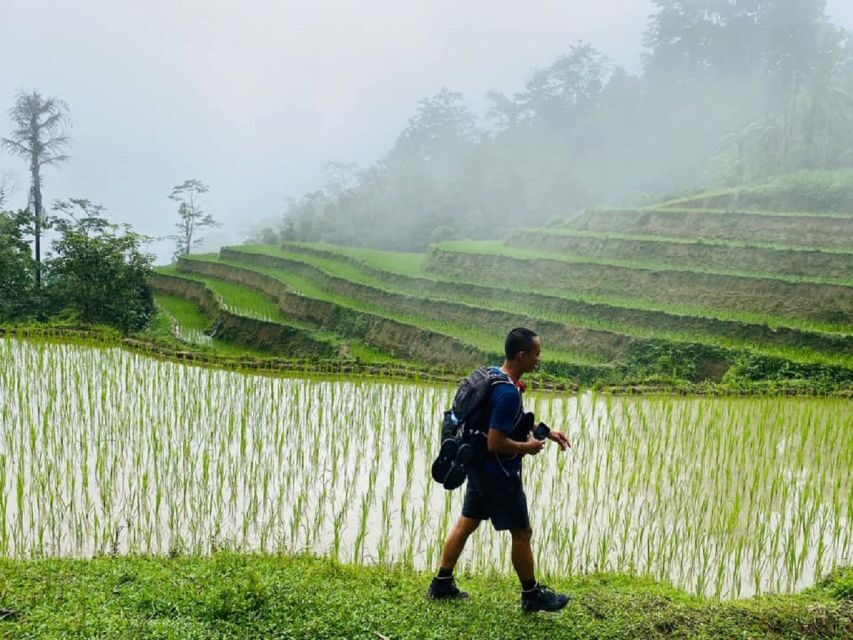
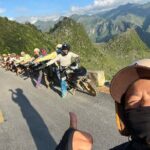
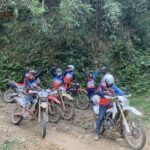
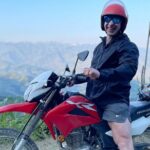
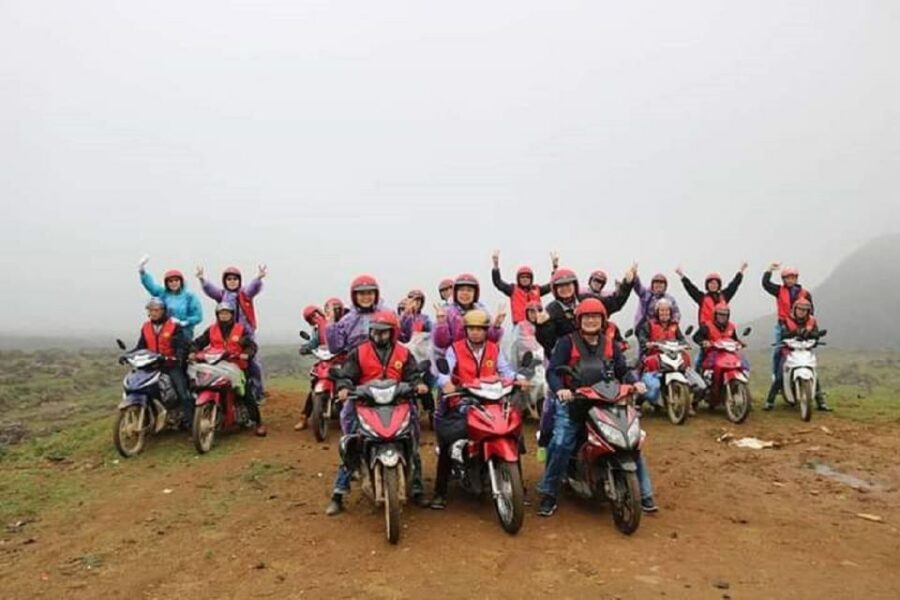
This tour includes a motorbike with an easy rider. That usually means you get a guide who handles the driving while you focus on enjoying the route and stops. One of the most praised parts of this style of trip is the sense of safety when the driver’s priority is clear.
In the experience summary and feedback, comfort and trust come up again and again—especially when the road is rocky or uneven in mountain sections. You don’t need advanced riding skills, but you do need basic preparedness: hold on when you’re asked, keep your balance when the bike moves through uneven patches, and listen to the guide’s instructions.
If English is your thing
The tour provides an English live tour guide and an English audio guide. But the motorbike “easy rider” portion may be less English-heavy. The best way to handle that is to treat the ride like a shared task: ask your English guide the questions you want answered, and use simple gestures to connect with the drivers. It’s totally fine if your conversations are short—this part of the trip is about the road.
Where you sleep and how meals fit the schedule
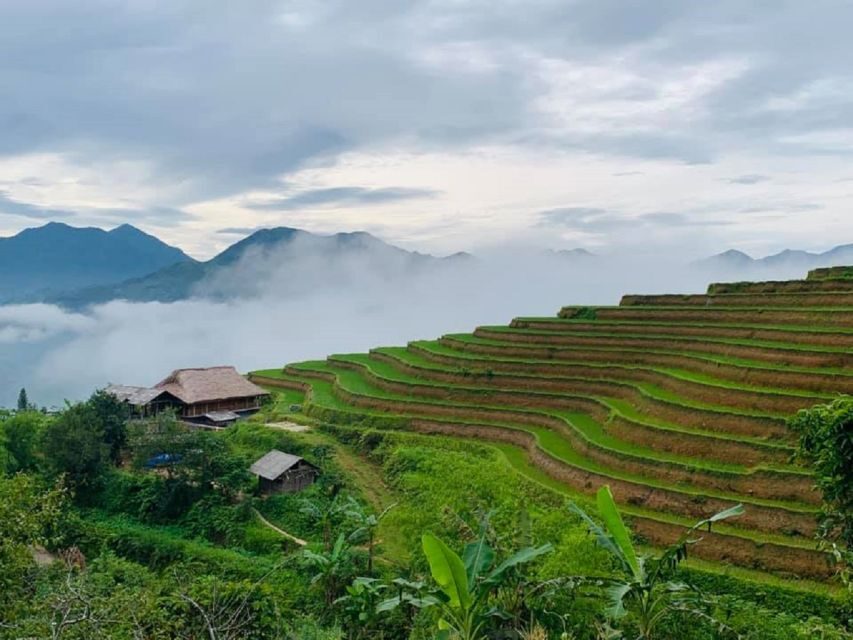
This itinerary includes lodging that matches the tour’s geography: town hotels and a quieter countryside night.
Accommodation types included
- 1 night at hoster in Ha Giang
- 1 night at a hotel in Dong Van
- 1 night at a homestay in Du Gia in a rice-field area
You should expect the room style to be more “local and functional” than big-city luxury, since one night is specifically a homestay. That’s also the point: you get a chance to slow down in the countryside instead of only staying in transit hotels.
Meals included (and what to watch for)
The tour includes:
- 03 breakfasts
- 03 lunches
- 02 dinners
Meals are listed as without drinks, and personal expenses are on you. Mineral water is included.
The practical benefit is that you won’t spend every meal hunting for food after you’ve been on the road. Still, if you like a specific drink, extra snacks, or coffee, plan to buy those separately.
Price and logistics: is $288 good value?
At $288 per person for a 3-day trip, the value depends on what you’d otherwise pay to build it yourself. Here, you’re getting a full bundle:
- Round-trip limousine/sleeping bus between Hanoi and Ha Giang (pickup in Hanoi Old Quarter area)
- An English live guide plus an English audio guide
- Motorbike with easy rider
- Entrance fees
- Mineral water
- Lodging: 3 nights total
- Meals: 3 breakfasts, 3 lunches, 2 dinners
If you’ve ever tried to piece together northern Vietnam by yourself—driver, route planning, ticketing, and day-by-day logistics—you know how fast costs and stress stack up. This pricing looks like it’s built for people who want the scenic route plus the structure, without turning the trip into a research project.
The one cost to keep in mind is anything not listed: drinks, personal spending, and other meals.
Who should book this Ha Giang 3-day guided route
This trip is a strong fit if you:
- Want a guided experience that still includes real mountain road time
- Like big-view days and don’t mind packed schedules
- Enjoy culture through places like H’mong King’s Palace and hill-tribe village stops
- Are comfortable with a motorbike portion handled by an easy rider driver
It’s less ideal if you need wheelchair access. The tour notes it’s not suitable for wheelchair users. Also, if you travel with pets, this won’t work since pets aren’t allowed.
Should you book this Ha Giang 3-Day Guided Trip?
I’d book it if you want the classic Ha Giang highlights without having to manage the maze of routes and timing yourself. The best reasons are straightforward: Ma Pi Leng Pass plus the Sky Path trek, plus a route that keeps adding cultural stops and a countryside homestay night.
I’d think twice if you’re looking for a slow, fully flexible itinerary. This is a schedule-driven tour. You’ll be on the move daily, and the days are built around reaching viewpoints and specific stops, not wandering freely.
If your ideal trip is: guide-led clarity, mountain views that feel bigger than photos, and an easy way to see Ha Giang’s northernmost character in just three days, this one makes sense.
FAQ
What time does the trip start and how do pickups work?
The tour starts at 8:00 am. If you’re in Hanoi Old Quarter, the guide picks you up from your hostel. If you’re not staying in central Hanoi, the meeting point is Hanoi Opera House (No 1 Trang Tien Str, Hoan Kiem, Hanoi), and the guide meets you about 5 minutes before departure.
How do we travel between Hanoi and Ha Giang?
The itinerary includes 2 ways limousine/sleeping bus between Hanoi and Ha Giang.
What accommodation is included during the 3 days?
You get 3 nights total: one night in Ha Giang (hoster), one night in Dong Van (hotel), and one night in Du Gia (homestay in a rice-field area).
What meals are included?
Meals included are 03 breakfasts, 03 lunches, and 02 dinners. Drinks are not included with meals.
What do I need to bring?
You should bring a passport or ID card.
Is this tour suitable for wheelchair users or people traveling with pets?
No. The tour is not suitable for wheelchair users, and pets are not allowed.
If you tell me your travel dates and whether you prefer a more relaxed pace or maximum sightseeing, I can help you sanity-check if this specific 3-day format matches your style.