REVIEW · HANOI
From Hanoi: 3-Day Motorbike Ha Giang Loop with Easy Rider
Book on GetYourGuide →Operated by Chestnut Travel · Bookable on GetYourGuide
Ha Giang by motorbike is the real deal. What I love most is the mix of big-pass viewpoints and close-up village stops, plus the comfort of an easy rider so you can focus on the road ahead and the photos behind you. One thing to keep in mind: this is a long, bumpy 3-day ride with lots of hours on the scooter seat, so if you’re sensitive to that, you’ll feel it.
This is built for people who want the loop without planning every turn. With a small group capped around 12, an English-speaking guide, and a safety-first approach (helmets and rider instructions), it’s a solid way to experience Ha Giang’s famous loop while keeping the day-to-day stress low.
In This Review
- Key highlights you’ll feel right away
- Why the Ha Giang Loop works best in 3 days (and not longer)
- Hanoi to Ha Giang: the sleeper bus start that sets your rhythm
- Day 1: Bac Sum Pass, Heaven Gate, and the way Dong Van feels at night
- Day 2: Ma Pi Leng’s Sky Path, Nho Que by boat, then Du Gia homestay life
- Day 3: Du Gia Waterfall swim, Lung Ho crossing, and the return to Ha Giang
- Easy riders, guide personalities, and what “safety-first” actually looks like
- Homestays and meals: basic comforts with real local texture
- Price and value: is $227 a good deal for this kind of ride?
- Who this tour suits best (and who should reconsider)
- Practical packing tips so you don’t suffer for no reason
- Should you book this 3-Day Motorbike Ha Giang Loop?
- FAQ
- What is the meeting time for pickup in Hanoi?
- How long does it take to get from Hanoi to Ha Giang by sleeper bus?
- How many people are in the group?
- Is the tour guide available in English?
- What are the main activities on the loop?
- What meals are included?
- Where do you sleep on this 3-day tour?
- What should I bring?
Key highlights you’ll feel right away
- Ma Pi Leng and the Sky Path stretches for serious mountain views
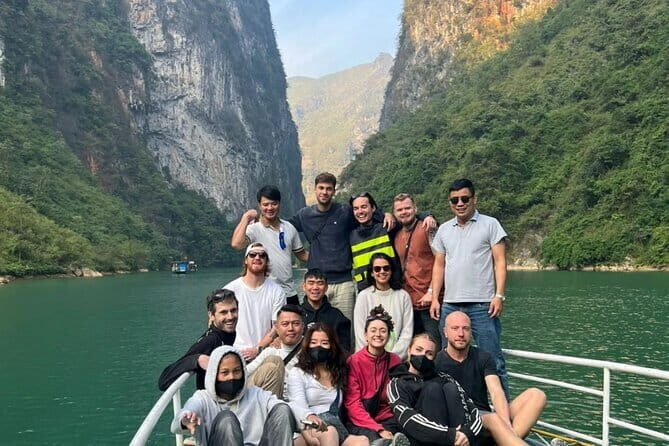
- Nho Que River cruise that turns the pace from roads to water
- Du Gia Waterfall with time to swim and cool off
- Small-group vibe that helps the ride feel social, not chaotic
- Hmong King’s Palace at Sa Phin for cultural context beyond photo stops
Why the Ha Giang Loop works best in 3 days (and not longer)
Ha Giang’s loop earns its fame for a reason: you get a lot of dramatic road moments in a short time, then you mix in quieter local life. This 3-day, 2-night format is intense, but it’s also efficient. You’re roughly covering about 350 km across the two main riding days, which is enough to feel like you left the city behind without turning your trip into a nonstop endurance event.
The easy rider setup matters more than it sounds. Instead of spending your brain on balancing and shifting gears, you can relax into being the passenger. That means you actually notice the curves, the overlooks, and the small moments: roadside smiles, market stops, and the way the terrain changes fast as you climb and drop.
What you should accept up front: Ha Giang isn’t a gentle sightseeing day. You’ll spend long stretches on the back of a scooter, and even with frequent stops, your body may complain by Day 3. The upside is that the best viewpoints usually come right when the road gets challenging.
You can also read our reviews of more tours and experiences in Hanoi

Hanoi to Ha Giang: the sleeper bus start that sets your rhythm
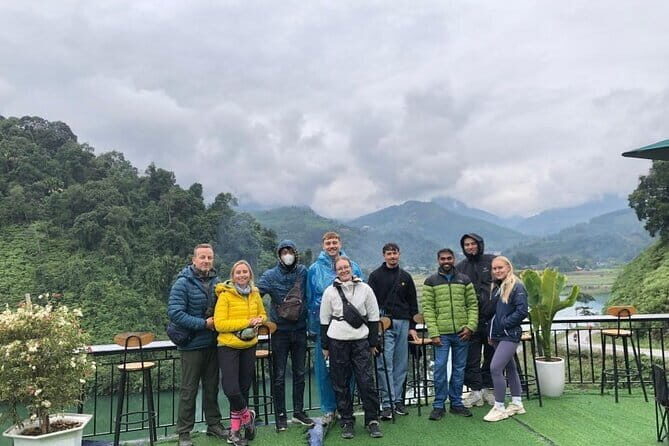
Pickup runs in Hanoi’s Old Quarter area, typically between 7:30 PM and 8:00 PM. You’ll go from the shuttle drop to the station, then board a sleeper bus heading to Ha Giang. The drive takes about 7–8 hours, and the schedule is built so you land around 3:30 AM.
That early arrival is a blessing and a curse. It’s great because you gain a big chunk of Day 1 daylight, but it also means you’ll check in and then need to rest before the loop begins. Plan to treat that first morning like a reset: water, a quick stretch, then catching a few hours of sleep so you don’t burn out before the famous passes.
Because this tour uses organized transport, you don’t have to figure out bus times and seat availability yourself. Still, it’s worth bringing a plan for comfort on the bus: warm layers help a lot, especially if you’re traveling in cooler months.
Day 1: Bac Sum Pass, Heaven Gate, and the way Dong Van feels at night
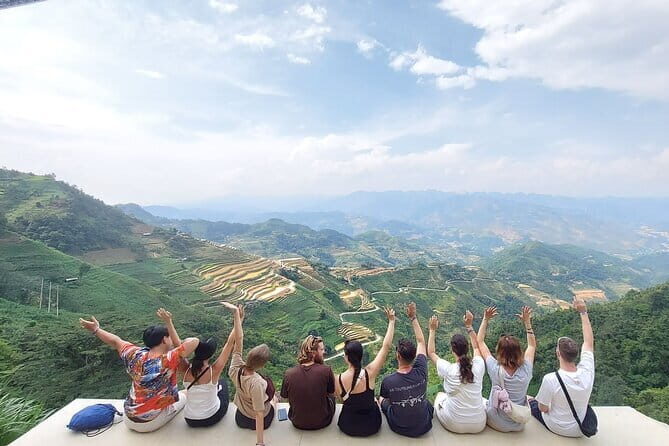
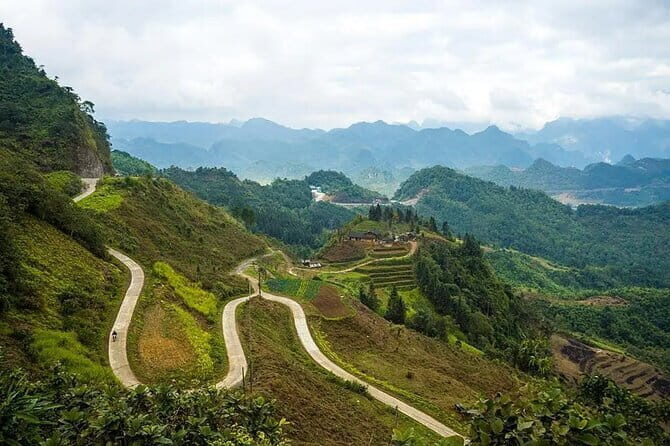
Day 1 starts with a real wake-up call: you meet your guide in Ha Giang city, then you’re on the move by around 9:00 AM. The day’s first main highlight is the drive along Bac Sum Pass, where the road begins to open into mountain views quickly. This is the stage where you start to understand why riders love Ha Giang.
Soon after, you reach Heaven Gate. The key here isn’t just the photo point—it’s the feeling of standing (and riding) with the twin peaks laid out in front of you, with Tam Son town in the distance. It’s the kind of viewpoint that makes you slow down even when the group keeps moving.
Lunch is in Yen Minh Town, giving you a break from constant riding and a chance to try a simple Vietnamese meal in a more town-like setting. After lunch, the route pushes toward Dong Van using Chin Khoanh Pass, with more karst scenery unfolding as you go.
By the late afternoon, you’re in the Dong Van area, where the Dong Van Karst Plateau atmosphere starts to feel different—rock formations, switchbacks, and a sense that the land itself shaped the communities. You also visit Hmong King’s Palace in Sa Phin, which adds cultural depth beyond viewpoints. Even if you’re not a museum person, it helps you understand who lived here and why the region mattered.
You’ll end the day in Dong Van Town with dinner and live music. That matters. After two big days of riding (and one long bus night), this night stop gives you something human and social, not just “arrive, sleep, repeat.” Some groups end up singing karaoke or doing small group games, depending on the day and the energy level.
Day 2: Ma Pi Leng’s Sky Path, Nho Que by boat, then Du Gia homestay life
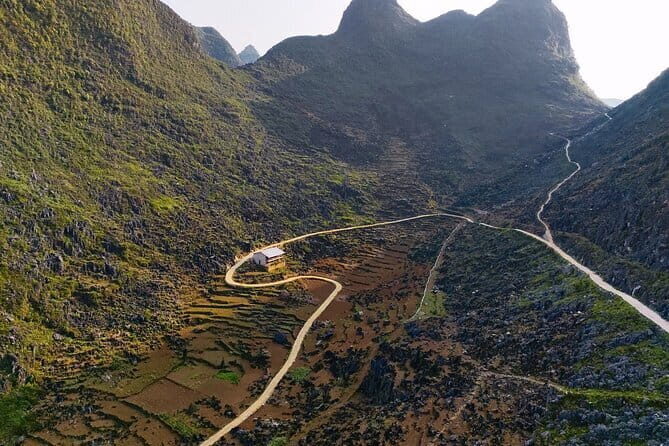
Day 2 is where Ha Giang becomes jaw-dropping. After breakfast around 8:00 AM in Dong Van, you head out to Ma Pi Leng Pass—one of the most famous stretches on the loop.
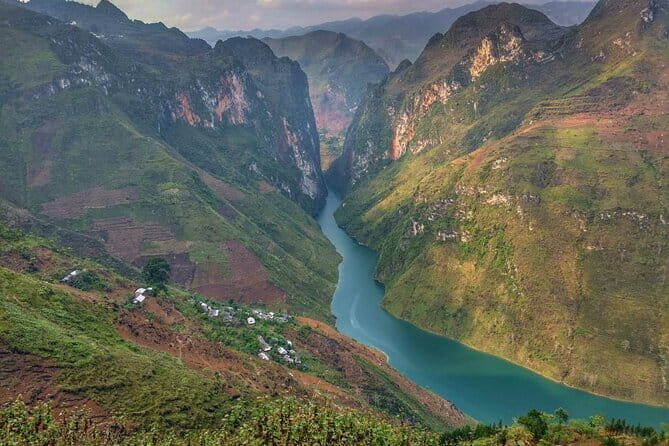
You don’t just drive through here. You get time to trek the Sky Path for panoramic views. This is a short enough walk to keep momentum, but it’s long enough to feel like you earned the view with your own legs. If you’re bringing a phone or camera, this is one of your best windows for photos that actually look like Ha Giang.
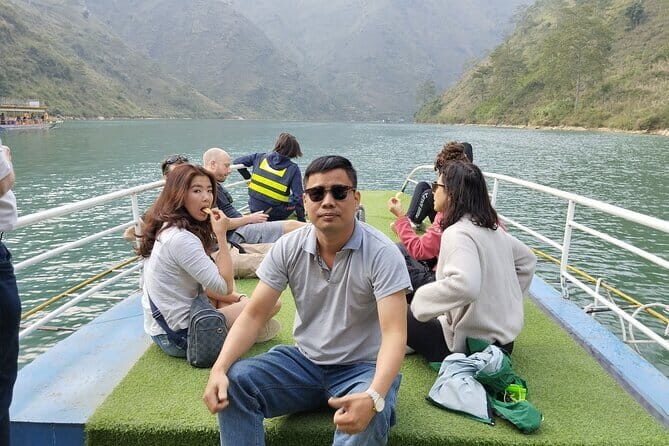
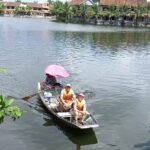
Then the day shifts gears. You descend toward the Nho Que River for a boat ride. The change from road vibrations to slow water is a real relief. It also changes the perspective: the cliffs and curves read differently from the river level than from the highway.
Lunch happens in one of the local areas such as Meo Vac, Mau Due, or Lung Ho village. You’ll eat, refuel, and then continue through the mountainous sections toward Du Gia. Arrival is around late afternoon, around 16:00.
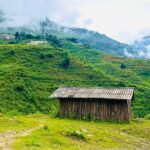
Your overnight is a local homestay in Du Gia Village, with the setting often described as surrounded by rice fields. This is where the tour feels most authentic: you’re not in a big hotel system, and the hosts generally run the rhythm of the evening. Expect basic, practical comfort—clean enough, warm enough when needed, and perfect for recharging for Day 3.
Day 3: Du Gia Waterfall swim, Lung Ho crossing, and the return to Ha Giang
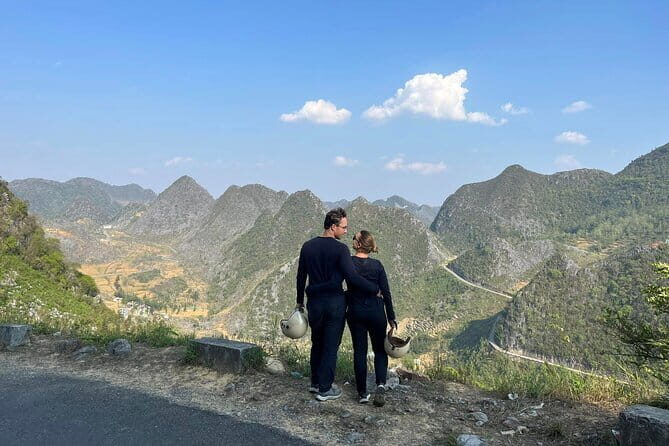
After breakfast at the homestay, you start Day 3 with a straightforward plan: Du Gia Waterfall around late morning. You’ll get time to relax and swim. If you’ve been riding all day and holding back on water time, this is a welcome reset.
Then you cross through the Lung Ho area and observe Nui Doi Mountain. The group moves quickly here, but the point is that you get one more look at the region’s scale before the day turns into the ride back.
Lunch is served at a local restaurant, then you head back to Ha Giang city. Around 16:00 you’ll arrive, and you’ll have dinner on your own. After that, you board the sleeper bus for Hanoi at either 19:30 or 21:00 (depending on the schedule for your departure).
This timing is useful: it gives you just enough breathing room in Ha Giang to shower, swap into dry clothes, and not feel rushed. Then the bus brings you back to Hanoi, ending the tour.

Easy riders, guide personalities, and what “safety-first” actually looks like
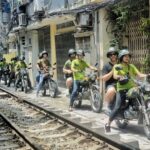
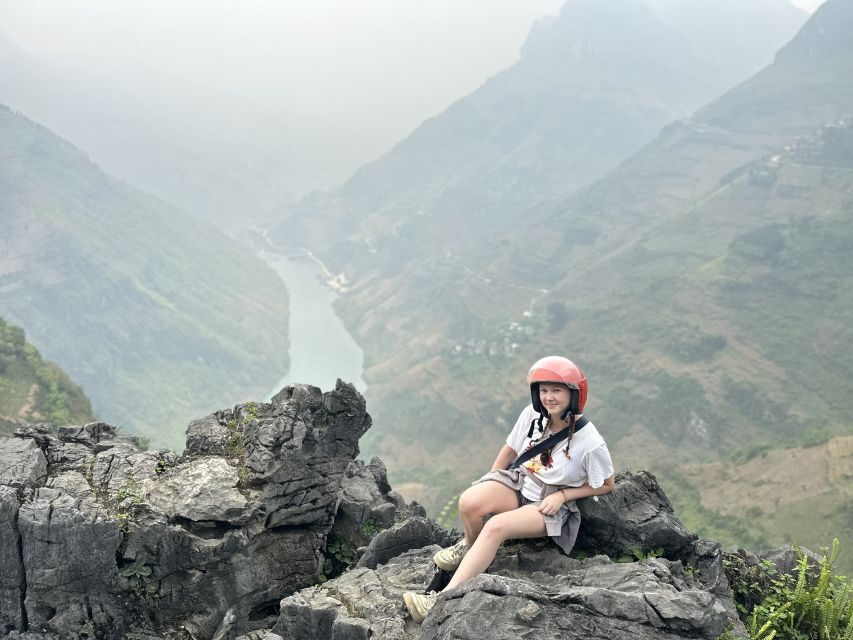
On a loop like this, the rider’s skill is everything. The tour’s emphasis on safety isn’t just a rule on paper. You’ll be expected to wear helmets at all times and follow the guide’s instructions, and the easy rider model is designed so you’re not trying to control the bike while also scanning the road ahead.
One practical advantage: an easy rider helps you keep your camera work realistic. Plenty of groups emphasize that their riders were careful, safe, and willing to stop for photos. That means you spend less time worrying and more time capturing the moments that matter.
You may also get a guide with a strong group vibe. Names that have shown up in recent departures include Lee, Son, Ha, Tuấn, Hoa, Vang, and Quyen. If you end up with one of these guides, you’re likely to get both practical route talk and extra energy during stops—plus the kind of humor that makes the ride feel like a shared adventure.
A word of honesty: some days can be colder or mistier than you expected, so your gear matters. Reviews commonly recommend warmer layers, gloves, and scarves. Even if you’re expecting “easy” weather, bring at least one warm layer for the mornings and bus rides.
Homestays and meals: basic comforts with real local texture
Ha Giang Loop stays are usually traditional homestays or basic guesthouses. That’s not a warning—it’s the whole point. The accommodations are simple, but you’re not being left in rough shape. You get a real place to sleep off the day and a chance to experience village hospitality.
Meals are also practical and local. You should expect simple Vietnamese food rather than restaurant-style variety every meal. The package includes 3 breakfasts and 3 lunches, plus 2 dinners. Some groups describe the meals as generous, with clean, comfortable rooms—sometimes even private rooms as an upgrade.
Dinner can be a highlight. One evening is set up with dinner and live music in Dong Van, which is a nice change from another basic meal-and-bed rhythm.
What to plan for: drinks are not included, and you’ll have personal spending. Bring a little cash for small purchases. And if you want your bathroom routine to be stress-free, pack toilet paper—people often forget that detail until the first roadside break.
Price and value: is $227 a good deal for this kind of ride?
At $227 per person for a 3-day experience with return transport, motorbike rental, a guide, river cruise, and multiple meals, the price is basically paying for three big things:
1) Logistics you’d otherwise handle yourself (sleeper bus from Hanoi, pickup, and the return)
2) Motorbike + rider setup (so you’re not learning a new driving style mid-vacation)
3) Time savings (passes, stops, and coordination that would be a headache to plan alone)
What’s included matters because it removes the “surprise costs” problem. The package covers entrance fees, the Nho Que River cruise, accommodations for the main nights (including the hotel night in Dong Van and the Du Gia homestay), plus meals as listed.
Drinks and personal expenses are not included, so you’ll still spend on water, snacks, and whatever souvenirs catch your eye. But compared with piecing together transport, scooter rental, accommodation, and guides, this price can feel fair, especially for a small-group tour where everyone is synced.
Who this tour suits best (and who should reconsider)
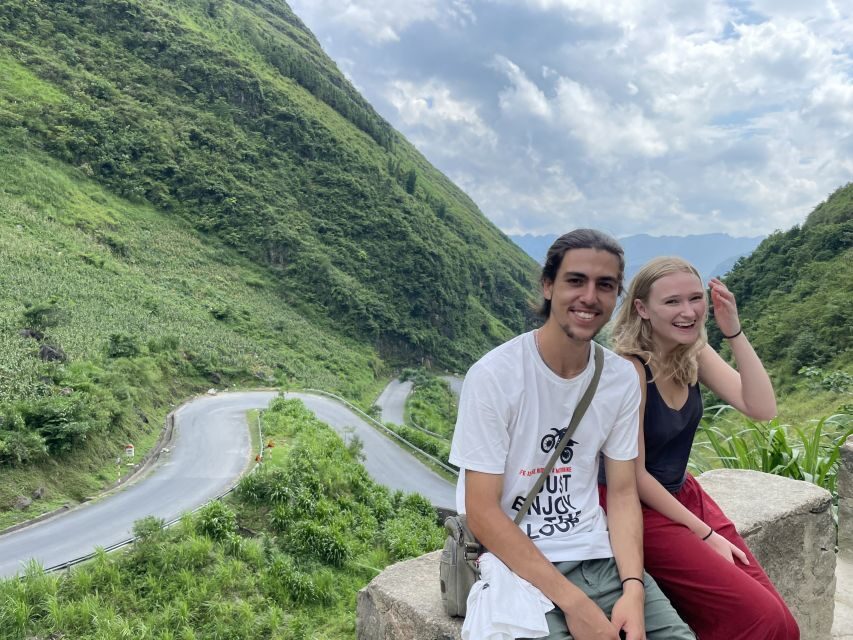
This tour fits you if you want:
- a high-energy introduction to Ha Giang’s famous loop
- the freedom to enjoy the scenery without driving the motorbike yourself
- an organized plan that keeps you moving with a small group
- cultural stops beyond just roadside photo points
It may not fit you if:
- you have low tolerance for long rides on a scooter seat
- you strongly prefer modern hotel comfort over homestays
- you’re extremely sensitive to cold or motion (the route can be chilly in some seasons)
The smart move is to judge your body, not your “can I do it?” hype. If you’ll enjoy riding even when it gets bumpy, you’ll likely love this.
Practical packing tips so you don’t suffer for no reason
Ha Giang rewards smart packing. Here’s what I’d treat as non-negotiable for this style of tour:
- Passport (required for the trip)
- Sunscreen (sun can hit hard even when it’s cool)
- Comfortable clothes you can layer
- A small backpack or day bag for essentials on the bike
Also think about comfort items that show up repeatedly in real experiences:
- warm layers, gloves, and a scarf for mornings
- rain gear if weather turns
- toilet paper for bathroom stops
- cash for drinks and small purchases
If you’re bringing a larger suitcase, don’t overthink it. You can usually store big luggage at your hostel in Ha Giang city while your loop days are focused on the homestays.
Should you book this 3-Day Motorbike Ha Giang Loop?
If you want one of Vietnam’s most famous road adventures without turning your trip into logistics homework, I’d book it. The easy rider setup, small group size, and the mix of Ma Pi Leng, Nho Que, and Du Gia make it feel like you’re getting the core Ha Giang experience instead of just “doing a route.”
Book if you can handle long scooter days and you’re okay with homestay-style comfort. Skip it (or plan a different format) if you want a gentle, city-like vacation or if your body doesn’t do well with bumpy rides.
FAQ
What is the meeting time for pickup in Hanoi?
Pickup from hotels in Hanoi’s Old Quarter is available between 7:30 PM and 8:00 PM. The shuttle goes from your hotel (or the office on the 6th floor, 95h Ly Nam De Street) to the bus station.
How long does it take to get from Hanoi to Ha Giang by sleeper bus?
The bus journey takes about 7–8 hours.
How many people are in the group?
The tour is limited to a small group of up to 12 participants.
Is the tour guide available in English?
Yes. The live tour guide speaks English.
What are the main activities on the loop?
You’ll ride through major passes, visit Heaven Gate and other viewpoints, enjoy a Nho Que River cruise, and spend time at Du Gia Waterfall, including the chance to swim.
What meals are included?
The package includes 3 breakfasts, 3 lunches, and 2 dinners.
Where do you sleep on this 3-day tour?
You’ll travel overnight on the sleeper bus and then stay 1 night in a hotel in Dong Van and 1 night in a homestay in Du Gia.
What should I bring?
Bring your passport, sunscreen, and comfortable clothes. It also helps to pack a small bag for items you’ll carry on the motorbike.