REVIEW · HANOI
From Hanoi: 2-Day Sapa, Fansipan, and Muong Hoa Valley Tour
Book on GetYourGuide →Operated by Vietnam Nomadtrails · Bookable on GetYourGuide
Fansipan in two days is a big hit. This tight Sa Pa loop mixes cable car views with Muong Hoa rice terraces and ethnic village visits, all in a small group.
You’ll get a full day of altitude and steps on Fansipan, then a second day of walking through paddies and meeting the Hmong and Dzay communities in the valley.
I especially like how the pacing is set up for both wow-moments and real people-time. The 600 steps to the Roof of Indochina and the chance to share lunch in Ta Van make the trip feel more than just sightseeing.
One drawback to plan around: it’s not a slow, easy stroll. The Fansipan portion needs good health, and the Muong Hoa hike can be long or muddy depending on conditions.
In This Review
- Key things to know before you go
- Why this 2-day Sa Pa combo feels efficient (and fun)
- Hanoi to Sa Pa by limousine: start early, arrive ready
- Hotel check-in in Sa Pa: the reset that makes Day 1 work
- Cable car up to Fansipan: altitude without the whole climb
- The 600 steps to the Roof of Indochina
- Muong Hoa Valley Day 2: rice terraces plus real village life
- Light or hard trek: choose your comfort, not just your ambition
- Lunch in Ta Van: why the meal feels like part of the story
- Back to Sapa, then Hanoi: the day ends fast
- Price and value: what $169 really buys you
- Guide quality on the ground: what you should look for
- What to bring: small items that keep you comfortable
- Health and weather: when the mountains change the plan
- Should you book this 2-day Sapa, Fansipan, and Muong Hoa tour?
- FAQ
- What time do I get picked up in Hanoi?
- What time will I arrive in Sa Pa?
- How do we get to Fansipan Peak?
- Which villages will we visit in Muong Hoa Valley?
- Can I choose how hard the trekking is?
- What meals and lodging are included?
- How many people are in the group?
- What is not included in the $169 price?
- Who is this tour not suitable for?
Key things to know before you go
- Small group (max 10) means you’re not lost in a crowd when walking through villages and paddies
- Fansipan via cable car + 600 steps gives you a dramatic summit without doing every meter by foot
- Muong Hoa Valley trek includes village stops in Lao Chai and Ta Van, with interactions along the way
- Light or hard trek option lets you match the walk to your fitness level
- Weather can affect the summit timing if conditions are rough
- A 3-star hotel + hot shower reset helps after a long day of travel and altitude
Why this 2-day Sa Pa combo feels efficient (and fun)

If you only have a short window from Hanoi, this tour makes sense. You’re pairing two of the most famous Sa Pa experiences in one clean loop: Fansipan Peak and Muong Hoa Valley. That’s the big value—rather than spending days just moving around, you actually get time where it counts.
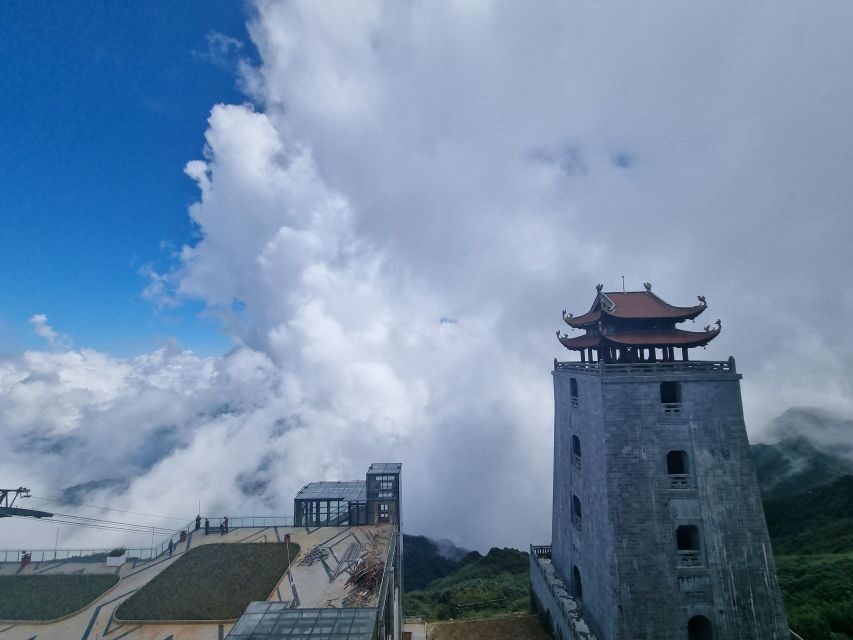
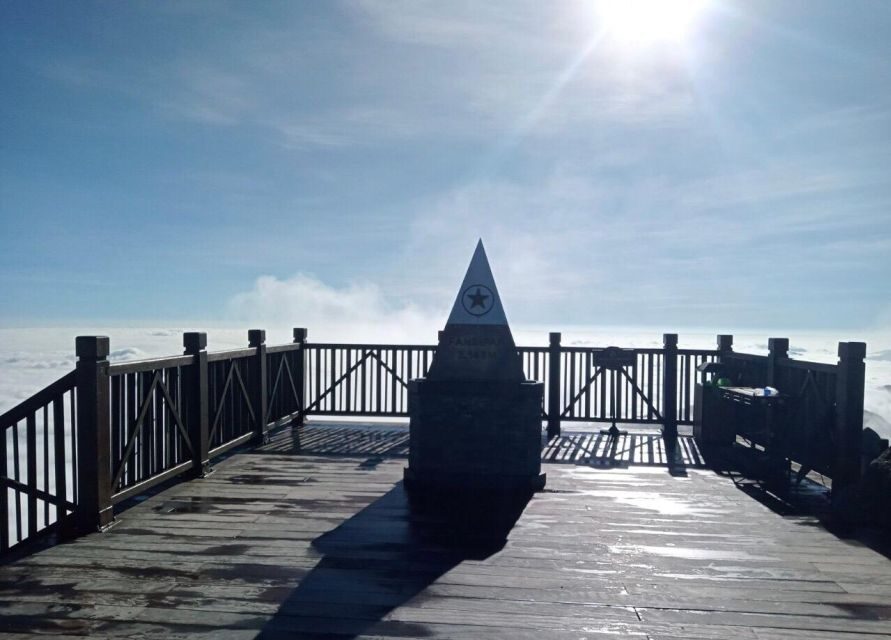
You also get a mix of “big sky” and “close-up.” Fansipan is the Roof of Indochina vibe: height, pagodas, and sweeping views when the weather cooperates. Muong Hoa is the human-scale side: rice cultivation, village life, and walking among terraces where you can see how people live with the mountains.
You can also read our reviews of more tours and experiences in Hanoi


Hanoi to Sa Pa by limousine: start early, arrive ready
You pick up from Hanoi around 6:30 am (Old Quarter area or your hotel). Then you’re riding a highway route toward Sa Pa by limousine bus, arriving around 12:30 pm.
Here’s how I’d think about the timing: you’re not doing a “half-day” in the van, you’re doing a long transfer that buys you a full second day of hiking. That early departure also helps because you have daylight and energy left for the big Fansipan segment later.
Practical tip: plan on bus comfort being the weak point, not the hiking. One trip note worth listening to—this kind of long ride can feel rough if you end up in an uncomfortable seat. If you’re picky about motion comfort, try to request your seat when you’re able.
Hotel check-in in Sa Pa: the reset that makes Day 1 work
When you reach Sa Pa, you’ll check in around midday. This matters because Day 1 includes an afternoon cable car ride and a summit walk. A chance for a quick shower and a breather turns what could feel like a marathon into something more manageable.
Your room is in a 3-star hotel and the tour includes 1 breakfast. That’s not ultra-luxury, but the value is that you’re not paying extra to recover before Day 2.
What to expect: accommodations can vary by room type and condition. If you’re sensitive to cleanliness or plumbing, I’d suggest bringing a quick travel kit (wipes, basic toiletries) just in case.
Cable car up to Fansipan: altitude without the whole climb
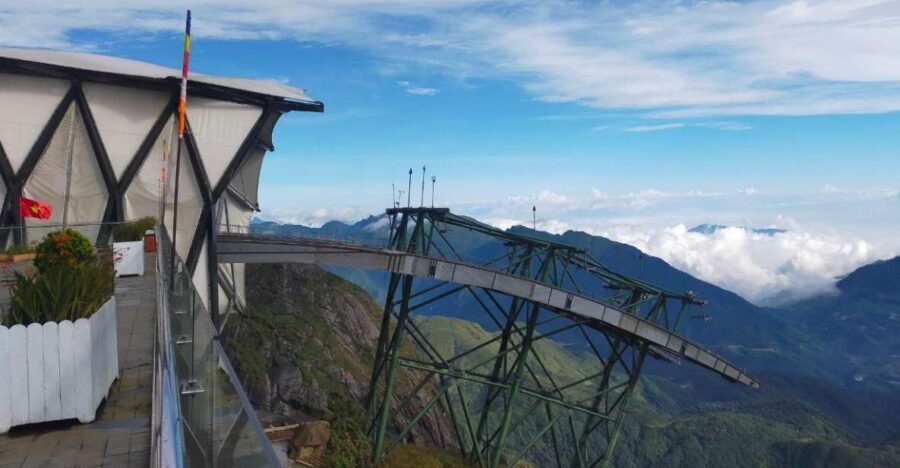
Around 2:00 pm, you head to the cable car station. The cable car ride itself is short—about 25 minutes—but it sets the tone: you’re going straight up toward 2800 meters.
I like this part because it reduces friction. You still do the summit walk, but you’re not spending hours just getting to the starting line.
Once you’re up, you’ll have time for:
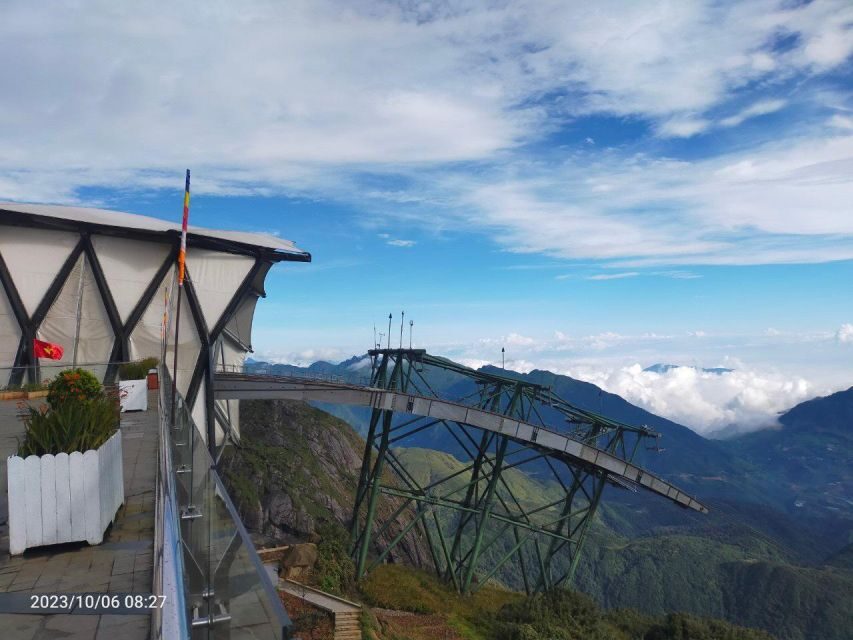
- photos and big view moments (when clouds lift)
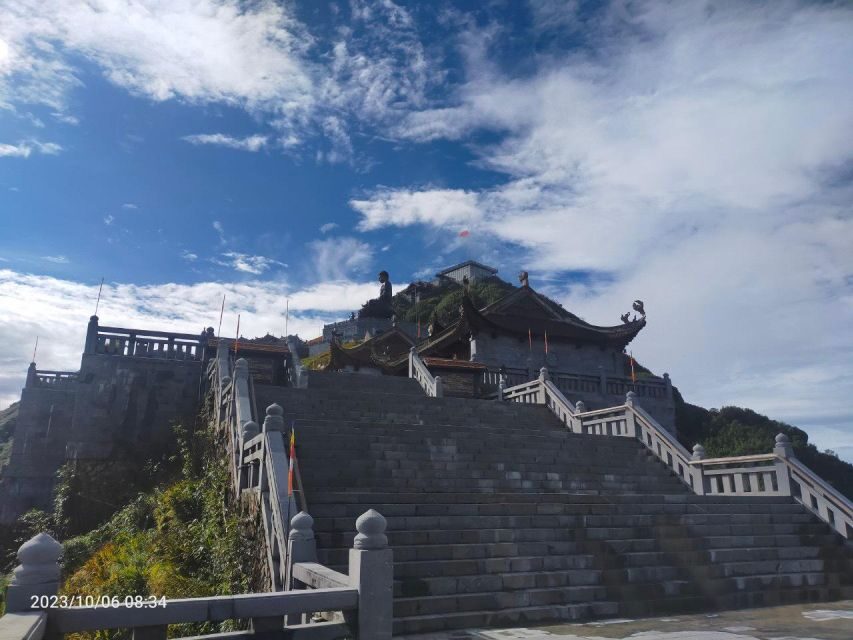
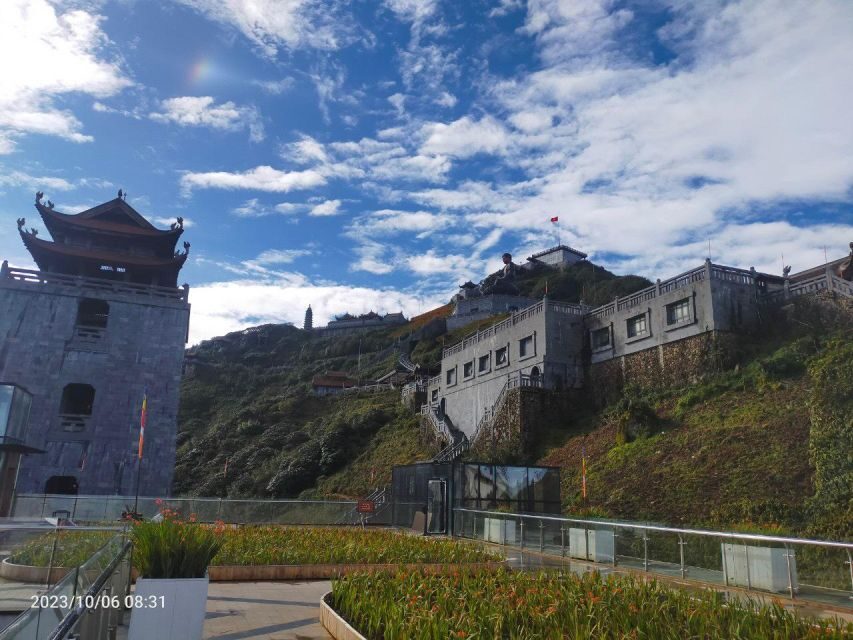
- visiting the pagoda area, a key spiritual spot on Fansipan
- getting ready for the trek up 600 steps to the summit
One reality check: at this elevation, visibility can shift quickly. If fog rolls in, views may be reduced. If the sky clears, you can get that roof-of-Indochina wow-factor.
The 600 steps to the Roof of Indochina
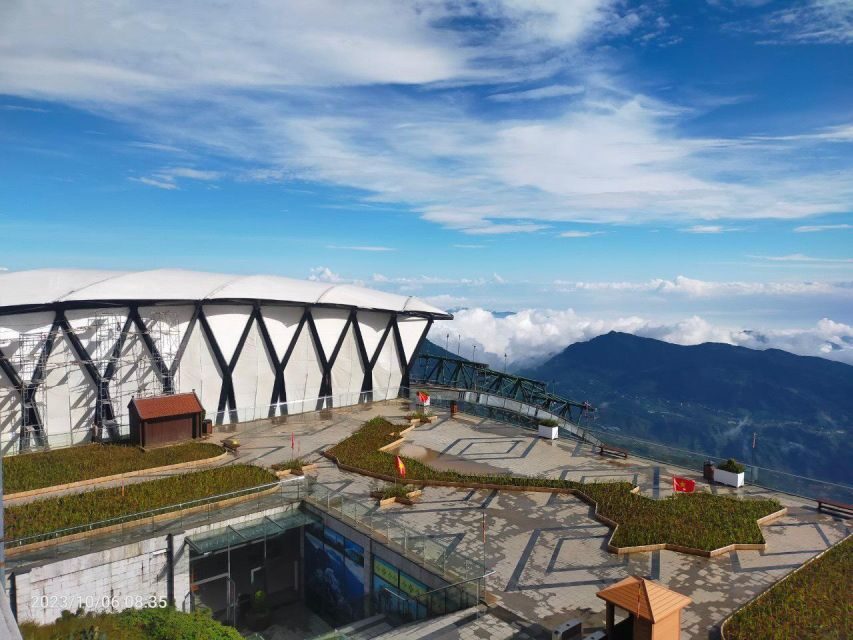
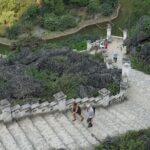
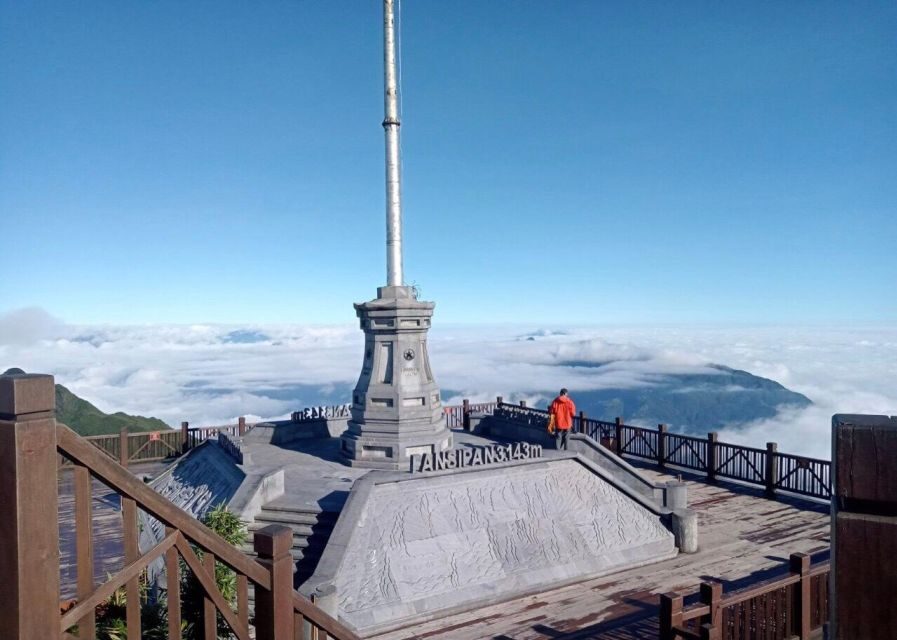
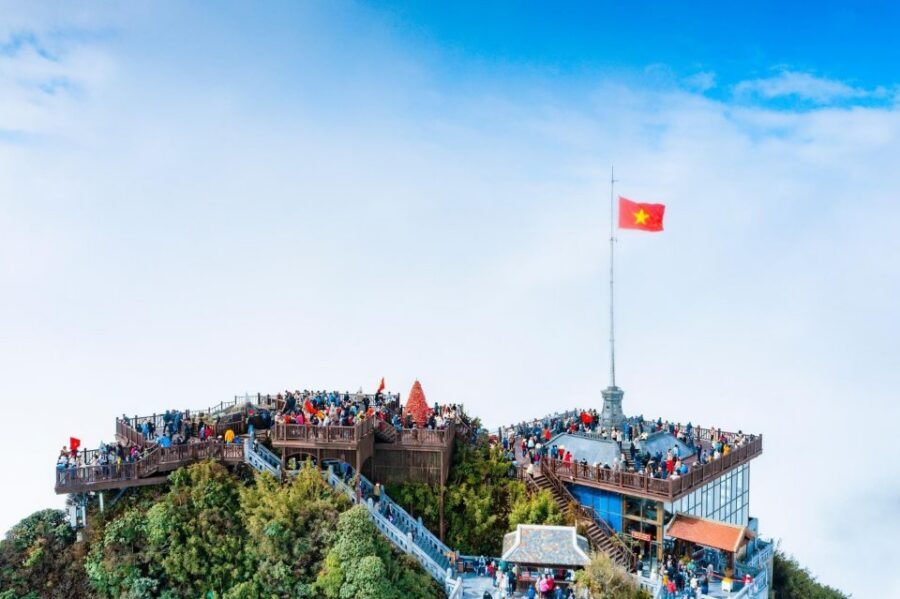
Fansipan’s summit experience is built around that 600-step climb after exiting the cable car. It’s not a technical hike, but it is steady effort at altitude.
This is where the tour’s “expectations” line really matters. The Fansipan area requires people to be in good health, and it’s not suitable for those with acrophobia (fear of heights). The tour is also marked as not suitable for people with heart problems or high blood pressure.
For most walkers, the practical advice is simple:
- wear hiking shoes with grip
- take breaks as needed
- keep your effort steady rather than sprinting up the stairs
If you’ve ever had a tough time on steps in rain, this is where you’ll want proper footwear. Even if it’s not wet at the base, conditions can change once you’re higher.




Muong Hoa Valley Day 2: rice terraces plus real village life
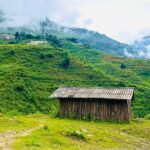
After breakfast, you start trekking into Muong Hoa Valley. This is the second major highlight—because it’s not just pretty scenery. You’ll walk through rice fields and terraces, then connect with communities on the ground.
Your route includes:
- Lao Chai village (Hmong)
- Ta Van village (Dzay)
Along the way, you’ll also visit local homes and may see local schools. The goal is interaction—learning how daily life works in the valley and how traditions tie into farming and mountain living.
What I like about this structure: it keeps the walk from turning into a blur. You get stops, explanations, and time to look closely at how people farm and dress, rather than just marching from one photo spot to the next.
Light or hard trek: choose your comfort, not just your ambition
The tour gives you a choice: you can take a light or hard trek depending on your fitness level.
That choice is a big deal for two reasons:
- Muong Hoa can be muddy, especially after early showers or in damp conditions.
- Village walking often means uneven ground and slower pacing, because you’re also interacting and stopping.
If you’re unsure, I’d personally bias toward the light option. You can always slow down during the hard walk, but you can’t speed up a route that’s too ambitious for your legs.
Lunch in Ta Van: why the meal feels like part of the story
Lunch happens at a local home in Ta Van. That’s included, and it’s a meaningful part of the experience because it links food to daily life in the valley.
You’ll usually have time afterward to wander, and there’s also the chance to take a break near the Muong Hoa stream if conditions allow. This gives you a reset before you head back to Sapa.
A small note that helps: the tour lists rules about not bringing food and drinks and no alcohol or drugs. So plan on using what’s provided rather than assuming you’ll snack your own way.
Back to Sapa, then Hanoi: the day ends fast
In the afternoon, you’ll be picked up by van back to Sapa town and you’ll have some free time to wander. The window isn’t huge, so think of it as an opportunity to:
- walk around town
- pick up simple items you forgot
- enjoy the cooler mountain air before heading back down
Then you transfer back to Hanoi around 2:30 pm and arrive around 7:30 pm. After a steep summit and a valley trek, this return timing feels like the right kind of tiring—not the kind where you lose the entire night.
Price and value: what $169 really buys you
At $169 per person, you’re paying for a full package across transportation, major attractions, and guiding—not just walking and views.
Here’s what’s included:
- Return bus between Hanoi and Sa Pa
- Fansipan cable car return ticket
- 3-star hotel room (double/twin/triple)
- 1 lunch and 1 breakfast
- Sightseeing fees and permission for Muong Hoa Valley
- Transport from the village back to Sa Pa
- English-speaking local guide
- Hotel to cable car station and back transport
What’s not included can matter for your total budget:
- 10% government tax
- Travel insurance
- Soft drinks
- Monorail and funicular tickets
- Possible French speaking guide surcharge of $15 per person
- Lunar New Year surcharge of $30 per person for the period noted for late Jan to early Feb 2025
My value take: this price is strongest if you’d otherwise have to piece everything together yourself. The included cable car ticket and guided valley access save you from the biggest “research headaches,” while the hotel makes the multi-day effort possible without extra planning.
Guide quality on the ground: what you should look for
You’ll travel with a local guide, and the experience depends heavily on how well that guide connects the dots between nature, farming, and culture.
On this route, I’ve seen guides described as very engaged and patient, especially when the ground gets slippery or slow going happens. Names that come up include Sue and Chia, both noted for explaining details and keeping the group moving without rushing people.
What to watch for during the tour:
- Do they explain how rice harvesting works rather than just pointing at terraces?
- Do they talk about traditional clothing and natural dye practices?
- Do they handle slower walkers with patience and safety awareness?
If you get that kind of guide energy, your two days feel personal. If you don’t, the trip can feel more like ticking off spots.
What to bring: small items that keep you comfortable
The tour lists the basics, and they’re exactly what I’d pack for a mountain and village mix:
- Passport or ID card
- Hiking shoes (non-negotiable for muddy terrace walking)
- Sunscreen
- Comfortable clothes
- Insect repellent
- Personal medication
Also, I’d plan for:
- a camera you can actually use while walking and stopping
- the fact that you’re doing steps at altitude and walking in a valley—so you want footwear that grips
Health and weather: when the mountains change the plan
This tour isn’t sold as an activity for anyone. It explicitly notes you need good health, and it’s not suitable for wheelchair users, and it flags acrophobia, heart problems, and high blood pressure.
Weather can also change things. The Fansipan trek can be cancelled or delayed in bad weather conditions. That means your best “strategy” is flexible expectations—your goal is the experience, not forcing a summit if conditions turn unsafe.
If you’re going primarily for views, I’d treat fog and rain as part of the deal. When conditions improve, the views can be dramatic; when they don’t, at least you still get the pagoda stop and the structure of the day.
Should you book this 2-day Sapa, Fansipan, and Muong Hoa tour?
Book it if:
- you want Fansipan Peak without spending extra days planning logistics
- you like the mix of summit effort + valley walking + ethnic village time
- you’re okay with a moderate walking load and doing 600 steps
- you want a small group (max 10) so the day feels more human
Skip it or choose a different style if:
- you have health concerns related to altitude or stairs (the tour flags heart and high blood pressure)
- you’re uncomfortable with heights (acrophobia is specifically noted)
- you want a fully easy, dry walk with lots of sitting breaks
If you’re a mid-level hiker with good shoes and realistic expectations about weather, this is a strong value way to see the north of Vietnam’s mountain side in just 48 hours.
FAQ
What time do I get picked up in Hanoi?
You’re picked up around 6:30 am from Hanoi Old Quarter or your hotel in Hanoi Old Quarter.
What time will I arrive in Sa Pa?
You’ll arrive in Sa Pa around 12:30 pm.
How do we get to Fansipan Peak?
You take the cable car to Fansipan, then walk up 600 steps to reach the peak area. The altitude reached is about 2800 meters.
Which villages will we visit in Muong Hoa Valley?
On Day 2, you visit Lao Chai village (Hmong) and Ta Van village (Dzay).
Can I choose how hard the trekking is?
Yes. You can choose a light or hard trek depending on your fitness level.
What meals and lodging are included?
The tour includes a 3-star hotel room and includes 1 breakfast and 1 lunch.
How many people are in the group?
The group is limited to 10 participants.
What is not included in the $169 price?
Not included are 10% government tax, travel insurance, soft drinks, monorail and funicular tickets, and a possible $15 per person French speaking guide surcharge, plus a $30 per person Lunar New Year surcharge during the listed dates.
Who is this tour not suitable for?
It’s not suitable for people with heart problems, high blood pressure, wheelchair users, people with acrophobia, or people over 95 years.
If you tell me your walking comfort level and travel month, I can help you decide whether the light or hard trek is the better match.


More 2-Day Experiences in Hanoi
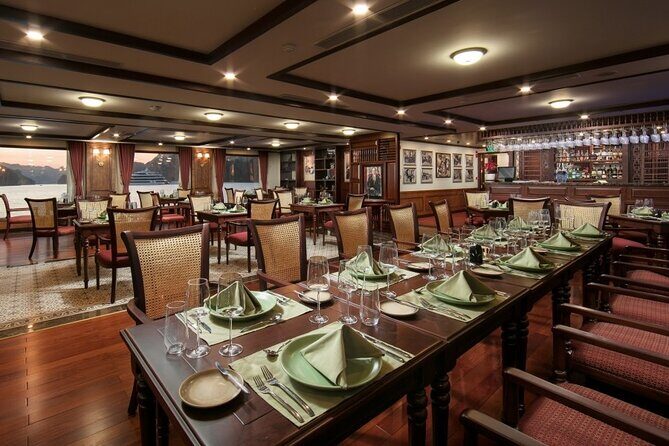
- Doris Cruise 5 star cruise 2 days visiting Halong Bay Lan Ha Bay private balcony
★ 5.0 · 2,338 reviews

More Tours in Hanoi
- Ninh Binh Full-Day Tour from Hanoi to Hoa Lu, Tam Coc & Mua Cave Via Boat & Bike
★ 5.0 · 4,384 reviews