REVIEW · HANOI
3 Day 2 Night Trek
Book on Viator →Operated by Sapa Tribal Trekking · Bookable on Viator
Three days in Sapa, and you’ll feel changed. This trek is built around tribal communities and quiet paths in the Sapa region, with expert English-speaking native local guides and time to slow down with families. You’ll walk among rice terraces, visit villages like Lao Chai and Ta Van, and spend evenings in homestays with mountain hospitality that includes chatting by an open fire.
I really like the people-first approach, especially the role of the guide. Giang comes up again and again for staying practical and helpful, including suggestions for how to get to Sapa from Hanoi, arranging a taxi pickup from the bus office, and even handling luggage storage. I also love how the route aims to avoid the busiest tourist strips, so you spend more time with fields, bamboo forest, and villages like Ta Van–Giang Ta Chai.
One thing to consider: you’ll need moderate physical fitness. Day 1 alone is about 12 km and roughly 3.5 hours, and the experience depends on good weather, so the schedule can be influenced if conditions are poor.
In This Review
- Key highlights worth planning for
- Why this Sapa trek feels different from the usual “tour”
- Getting to the start: Hanoi base, 9:00 am, and pickup options
- Day 1: from Y Linh Ho through Lao Chai to Ta Van homestay life
- Day 2: bamboo forest, Red Dzao villages, and a second homestay
- Day 3: sunrise in Ban Ho, Nam Toong villages, and return to Sapa
- Homestays, wifi, hot showers, and the open-fire evenings
- Meals included: what you get over 3 days
- Price and value: is $180 fair for what you’re getting?
- Weather, timing, and the kind of hiking experience it is
- Who should book this trek, and who might want to skip it
- Should you book this 3-day Sapa tribal trek?
- FAQ
- FAQ
- Where does the trek start and end?
- What time does the tour begin?
- How long is the trek?
- How much does it cost?
- Are meals included?
- Is pickup offered?
- Do I need good physical fitness?
- What kind of lodging is included?
- What if the weather is bad?
- Is the tour private?
Key highlights worth planning for
- English-speaking local guide support: you get local context and guidance from native guides who know Sapa and the surrounding villages
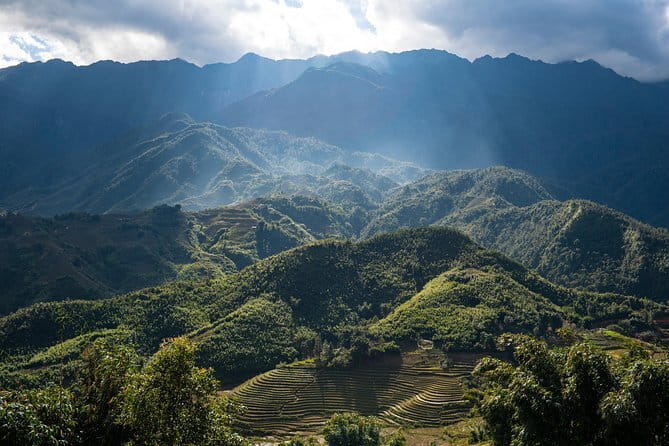
- Tribal village visits that feel off the main routes: Lao Chai, Ta Van, Ban Ho, and more, with time to meet families
- Homestays with real mountain routines: you can get options like wifi and hot showers, plus the chance to share meals and conversation
- Guides who handle real-life details: Giang’s help with Hanoi-to-Sapa logistics and luggage storage shows the level of care
- A trek that supports local livelihoods: the tour emphasizes fair wage opportunities for H’mong guides and community members
Why this Sapa trek feels different from the usual “tour”
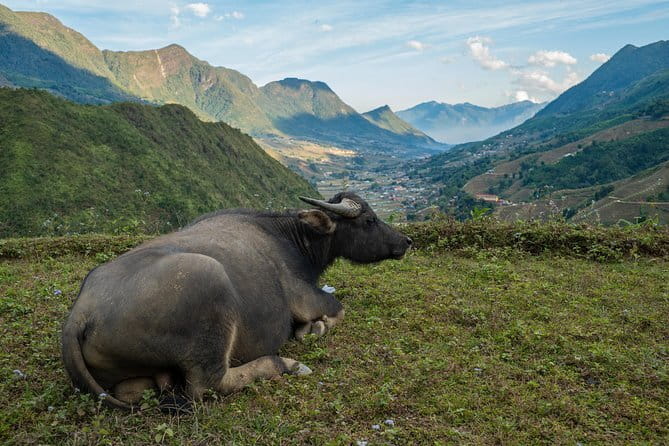
This isn’t just a route with photos on top. It’s a walking itinerary tied to daily life in the Sapa area—how people farm, cook, and live with the seasons. The tour focuses on Sapa and the ancient tribal culture, plus craftsmanship and the rhythm of the rice fields, while keeping you away from the most predictable tourist paths.
The biggest value for me is the balance: you get structure (guided stops, meal plan, homestays), but you’re also given space to talk with your host family and see how routines work. That’s why the homestay evenings matter so much. When you huddle around an open fire with rice wine and local food, you’re not doing a performance. You’re sharing downtime, asking questions, and learning how people explain their own way of life.
It also helps that the guiding team is local and English-speaking. When your guide can connect place names, ethnic groups, and mountain history to what you’re seeing right now, the walk makes sense in your head, not just on your feet.
You can also read our reviews of more tours and experiences in Hanoi.


Getting to the start: Hanoi base, 9:00 am, and pickup options
The trek starts at 9:00 am at 690 Đường Điện Biên Phủ, TT. Sa Pa, Sa Pa, Lào Cai, Vietnam. The activity ends back at the same meeting point, so you’re not left guessing how to get home after a long trek day.
Pickup is offered, and the tour also uses a mobile ticket. That can simplify things if you’re juggling other Hanoi plans before you head to Sapa.
A practical tip: plan your Hanoi-to-Sapa day with buffer time. One of the standout points from the reviews is how Giang helped with real logistics like taxi pickup from the bus office and luggage storage. If you want a smoother start, you’ll appreciate that mindset.
Day 1: from Y Linh Ho through Lao Chai to Ta Van homestay life
Day 1 is your first taste of the Sapa tribal route—both the walking and the cultural stops.
You begin with a look at traditional costumes from groups including H’Mong, Dzao, Tay, Zay, and Xa pho. Then you’ll have lunch either at a restaurant or with a local family, which sets the tone for the rest of the trek: shared time, not just a quick meal stop.
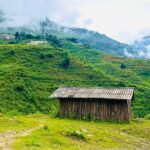
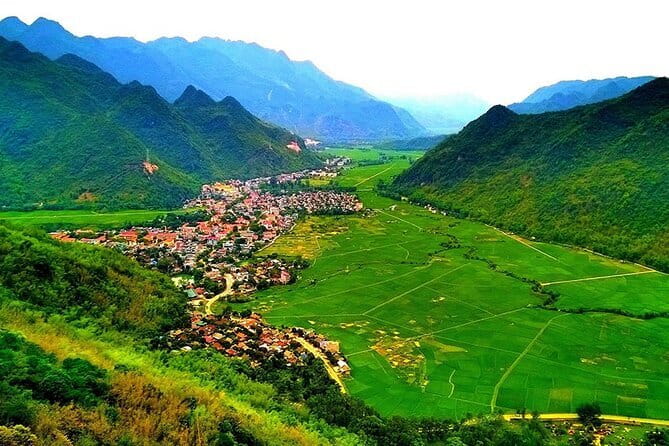
Next comes the walk through rice terraces and along Muong Hoa Stream, heading toward the Black Hmong village of Lao Chai. This is where the Hoang Lien Son mountain area starts to feel real—because you’re not just looking down from a viewpoint. You’re moving through the same valleys people have worked for generations.
After Lao Chai, you approach Ta Van in the late afternoon. Dzay ethnic people live there, and you’ll check in at your homestay or local house. Then it’s time to meet your host family, watch the sunset, and enjoy dinner either together or in quiet overnight comfort.
What to watch for on Day 1: the trek distance is about 12 km and roughly 3.5 hours. If you’re coming from sea level or you’re not used to steady climbs, keep your pace calm early. You’ll thank yourself before the evening walk-and-chat part of the day.
Day 2: bamboo forest, Red Dzao villages, and a second homestay

Day 2 starts with breakfast prepared by your host family or local house. This matters more than it sounds. When breakfast is part of the homestay routine, the day feels connected to your hosts instead of feeling like a hotel tour that happens to include walking.
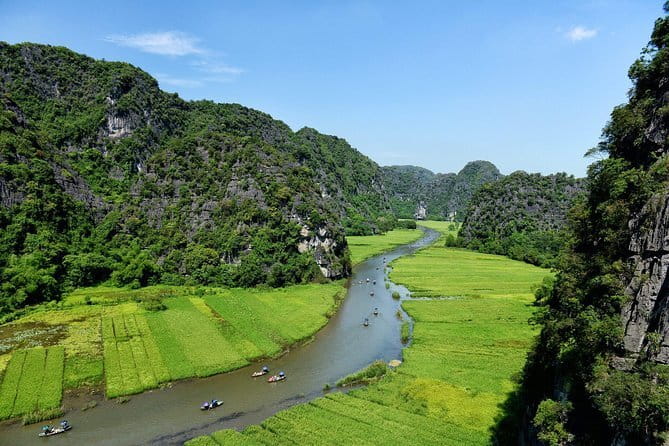
You then trek through rice fields, and the walk continues into a bamboo forest. You’ll stop for panoramic views of the Ta Van – Giang Ta Chai area, where the Red Dzao People live. It’s a good moment to slow down, take in the geometry of the terraces, and let your guide point out what you’re actually seeing: where villages sit, how valleys shape paths, and why these areas matter.
After that, you trek toward Su Pan for lunch at the home of H’Mong or Dzao people. After lunch, you continue trekking through the rice terraces and along the valley, with a goal of peaceful scenery and fewer other tourists.
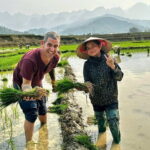
In the afternoon, you reach Ban Ho village and check into your homestay with a Tay People family. You may get options to join in farming or cooking with your hosts, then have dinner in your own time or as part of family life.
The Day 2 rhythm is the point. It’s the day where you stop thinking of this as one long hike and start thinking of it as two days of mountain living—walk in the morning, community time midday, and family connection in the evening.
Day 3: sunrise in Ban Ho, Nam Toong villages, and return to Sapa
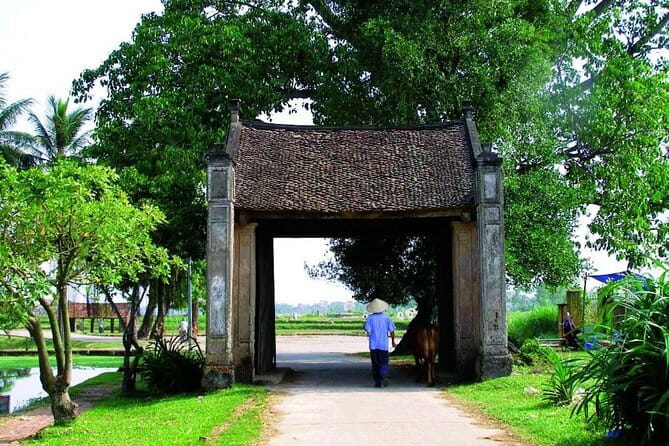
Day 3 keeps the same family-based structure, starting with sunrise and breakfast prepared by the Ban Ho family.
You’ll trek through Nam Toong village, home of Tay and red Dzao people. The day includes lunch at a restaurant or local house, plus time meeting local people and learning about daily life.
After lunch, you’ll return to Sapa. The tour keeps it simple here: you finish back at the meeting point, so you can line up your onward travel without a complicated transfer plan.
What’s special about the final morning: sunrise breakfasts can be a small detail on paper, but in practice they’re usually when the mountain air feels freshest and your group is most open to conversation. It’s also your best window for appreciating how life is timed around the land.



Homestays, wifi, hot showers, and the open-fire evenings

The homestay part of this trek is one of the reasons people rate it 5/5 and recommend it so strongly. The tour notes that you can stay in homestays with wifi and hot showers, or in an authentic local house with a local family.
Either way, the structure is the same: you eat with your hosts, you spend time chatting, and you get the chance to understand what “back to basics” feels like for even a couple of days. There’s also a strong emphasis on evenings—huddling around an open fire with rice wine and local delights, then talking with your host family.
A quick reality check: “homestay comfort” can vary from place to place, even when wifi and hot showers are available. If you’re the type who needs predictable hotel standards, be ready for a more basic, family-run setup.
But if you want authenticity and you’re comfortable trading luxury for closeness, these evenings are the memories that tend to stick.
Meals included: what you get over 3 days
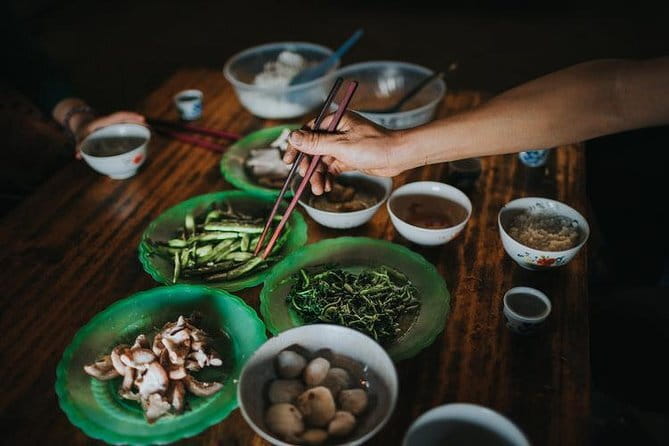
This trek includes 2 breakfasts, 3 lunches, and 2 dinners. The distribution lines up with your homestay mornings and the village stops.
- Day 1 includes lunch (restaurant or local family) and dinner (with the local family or at the homestay)
- Day 2 includes breakfast, lunch (home of H’Mong or Dzao people), and dinner in the Ban Ho homestay context
- Day 3 includes breakfast (Ban Ho family) and lunch (restaurant or local house)
Because meals are tied to the people and places you visit, you’re not just eating—you’re also getting a front-row seat to what matters locally.
Price and value: is $180 fair for what you’re getting?
At $180 per person for around 3 days, this trek can look like a bargain—or like a risk—depending on what you compare it to.
Here’s why the value feels strong: you’re paying for more than transportation and a walking route. You’re paying for local guiding, multiple meals, and two homestay nights, plus cultural stops that aren’t limited to a single quick photo moment. The trek is also built to support the community, which adds weight to the price.
The tour also typically gets booked about 65 days in advance, which is a hint that people plan it deliberately. If you know you want this type of experience, earlier booking tends to reduce stress.
The fairness check for you: ask yourself whether you want a fast, checklist-style trek or a slower community-based experience. This one is built for the second option.
Weather, timing, and the kind of hiking experience it is
This experience requires good weather. That matters because trekking routes and outdoor time are the core of the plan. If weather is poor, you’ll be offered a different date or a full refund.
Timing-wise, you’re starting at 9:00 am and finishing back where you started. So you can plan your Sapa day around it without needing extra transfers at the end.
Fitness-wise, the tour asks for moderate physical fitness. Day 1’s 12 km walk and 3.5-hour duration is the clearest benchmark. Day 2 includes more walking through rice fields, bamboo forest, and valley paths, but distances aren’t listed, so it’s best to assume it’s a full trekking day rather than a light stroll.
If you’re recovering from an injury or you have medical conditions, the tour advises checking with your doctor first.
Who should book this trek, and who might want to skip it
This trek is a great match if you want tribal culture + rice terraces + homestays in one package. You’ll likely enjoy it most if you like meeting families, listening to how people describe their own region, and walking at a steady pace without needing a “must-see attraction” every hour.
You’ll also probably like it if you appreciate support when travel gets messy. Giang’s help with Hanoi-to-Sapa logistics, taxi pickup, and luggage storage is a strong signal that the guiding team knows how to reduce friction for you.
You might want to think twice if you require guaranteed hotel-level comfort or if you dislike basic, outdoor, weather-dependent days. The trek includes moderate effort and changes based on conditions.
Should you book this 3-day Sapa tribal trek?
If your priority is authentic village time—not just scenery snaps—this is an easy “yes” for me. The combination of local English-speaking guides, homestay evenings, tribal village visits, and a route designed to avoid the busiest tourist tracks makes it feel like a real experience rather than a canned itinerary.
Book it if you’re comfortable with moderate trekking and you’re open to family-run accommodation. Skip it only if your main goal is a low-effort walk or if you can’t handle weather disruptions.
FAQ
FAQ
Where does the trek start and end?
The meeting point is 690 Đường Điện Biên Phủ, TT. Sa Pa, Sa Pa, Lào Cai, Vietnam, and the activity ends back at the same meeting point.
What time does the tour begin?
The start time is 9:00 am.
How long is the trek?
It’s listed as 3 days (approx.).
How much does it cost?
The price is $180.00 per person.
Are meals included?
Yes. Breakfast is included 2 times, lunch 3 times, and dinner 2 times.
Is pickup offered?
Pickup is offered.
Do I need good physical fitness?
The tour states travelers should have a moderate physical fitness level, and Day 1 includes about 12 km and around 3.5 hours of trekking.
What kind of lodging is included?
You’ll stay in homestays or a local family house. The tour notes that homestays may offer wifi and hot showers.
What if the weather is bad?
The experience requires good weather. If it’s canceled due to poor weather, you’ll be offered a different date or a full refund.
Is the tour private?
Yes. It’s listed as private, and only your group will participate.