REVIEW · HA GIANG PROVINCE
Discover Ha Giang Loop Tour 3 Day 4 Nights with EASY-RIDER
Book on Viator →Operated by Vietnam Daily Tourist · Bookable on Viator
Ha Giang hits different on two wheels. I love the way this loop builds in Ma Pi Leng Pass and Sky Path/Walk moments with real village time, not just quick photo stops. I also like the small-group feel (max 15) plus an included easy rider setup to handle the driving while you focus on the views. The main drawback to plan for: you need solid fitness, because long riding days and waterfall swimming can be physical.
This is the kind of trip that mixes big northern Vietnam roads with simple local life: Dong Van hotel time, then a Du Gia homestay night, with meals handled along the way. You’ll also be traveling with full transfers from Hanoi, which is great if you don’t want to piece together transport on your own. If you get motion-sick easily or you dislike “go-go-go” days, you may want to think twice.
In This Review
- Key Points You’ll Care About
- Ha Giang Loop With Easy Rider: Why This Works as a 3D4N Trip
- Small-Group Cap of 15: The Difference You Feel on the Road
- Included Transfers From Hanoi: Sleeping Bus Out, Limousine Back
- Day 1: Bac Sum Pass, Heaven Gate, Yen Minh Lunch, and Quan Ba Village Walks
- Day 2: Ma Pi Leng Pass, Sky Path/Walk, and Waterfall Swims
- Day 3: Du Gia Waterfall Swim, Lung Tam Again, and the Quieter Return Roads
- Price and the $14 Easy-Rider Fee: Where Your Money Actually Goes
- What You’ll Be Eating and Sleeping (and Why It’s Not Just Comfort)
- Fitness, Weather, and Water: The Stuff That Can Change Your Day
- Who This Tour Suits Best (And Who Should Skip It)
- Should You Book This Ha Giang Loop With EASY-RIDER?
- FAQ
- How long is the Ha Giang Loop 3 Day 4 Nights with EASY-RIDER?
- What is the price per person?
- How big is the group?
- What transfers are included from Hanoi?
- Is pickup offered?
- What does the tour include for the motorbike and easy rider?
- Is there an extra cost for the easy rider?
- How many meals are included?
- Can the tour accommodate dietary needs?
- Is free cancellation available?
- What level of fitness is required?
Key Points You’ll Care About

- Small group (max 15) means less waiting around and more flexible pacing.
- Easy-rider included (motorbike + fuel + driver) so you can ride without stress.
- Permission handled for foreigners, which matters for Ha Giang’s controlled routes.
- Ma Pi Leng Pass + Sky Path/Walk gives you the big-pass views people travel for.
- Waterfall time with swims adds fun, not just scenery.
- Homestay night in Du Gia Village makes the trip feel human-sized.
Ha Giang Loop With Easy Rider: Why This Works as a 3D4N Trip

Ha Giang is famous for twisting roads, dramatic mountain edges, and towns that feel like they still run on local rhythm. This 3-day loop is built around that: you spend your time on the road and at stops that actually change your day—passes, viewpoints, villages, and water.
What makes this one practical is that you’re not doing all the logistics. You get full transfers from Hanoi by sleeping bus one way and limousine the other, plus accommodation for three nights across different settings (bus night, hotel night, homestay night). That lets you focus on the trip rather than on how to reach each point.
The other smart piece is the structure around an easy rider. Even with a driver, motorbike days in Ha Giang are still long and bumpy. But you don’t have to worry about navigation or steering through traffic—your energy goes to staying alert, enjoying the scenery, and keeping the day flowing.
You can also read our reviews of more tours and experiences in Ha Giang Province.

Small-Group Cap of 15: The Difference You Feel on the Road
A max group size of 15 isn’t just a number. On a route like the Ha Giang Loop, your day can get clogged by timing: slow photos, late arrivals, or folks asking the driver to repeat something. A smaller group usually means less of that.
You also get a more personal guide experience. In the feedback from people who traveled with Vietnam Daily Tourist, names like David Chung and Namy show up as guides who stayed friendly and helpful during and after the loop. That kind of support matters because Ha Giang can involve weather changes, long road stretches, and moments where you just want a quick answer.
Practical upside: with fewer people, you’re more likely to get to your stops without feeling like you’re trapped inside a human conveyor belt. And if you need dietary adjustments—vegetarian, vegan, gluten-free—the tour notes that they can accommodate needs.
Included Transfers From Hanoi: Sleeping Bus Out, Limousine Back

You start with the long-distance part handled: Hanoi to Ha Giang by sleeping bus, then Ha Giang to Hanoi by limousine. This is a value move because it removes two big headaches: finding seats and coordinating arrivals.
Why the “sleeping bus” choice can be good: it can save time the way a flight might, letting you use the travel night as part of your overall schedule. Why it can be tricky: sleeping buses vary in comfort, and roads can be long. If you’re picky about rest, bring something to make yourself comfortable—earplugs and a layer help.
Also note the tour offers pickup, and the tour uses a mobile ticket. Those details sound small, but they reduce the stress of meeting the group and getting underway.
Day 1: Bac Sum Pass, Heaven Gate, Yen Minh Lunch, and Quan Ba Village Walks
Day 1 is about easing into the loop and setting the tone. You meet your guide and easy rider, then you ride toward dramatic mountain scenery through places like Bac Sum Pass and the Heaven Gate area, with Twin mountains and Tam Son town on the way.
Then you hit Yen Minh for lunch. This matters because it breaks the day into “ride, recharge, ride.” It’s one of those simple rhythm choices that can make or break a motorbike trip.
Later, you shift into the Quan Ba portion, which is more village-focused. You’ll have breakfast and take time to walk around local areas, including Lung Tam, known for Hmong ethnic-minority textile work. Even if you don’t buy anything, this kind of stop helps you understand that Ha Giang isn’t just a photo route. It’s people living close to the land, making textiles and maintaining traditions.
You also pass scenic points around Quan Ba—things like Nui Doi mountain and Sky Gate appear on the route. The exact order can vary based on timing, but the point stays the same: Day 1 mixes passes with cultural context, so the rest of the loop feels less like a drive-through.
Day 2: Ma Pi Leng Pass, Sky Path/Walk, and Waterfall Swims

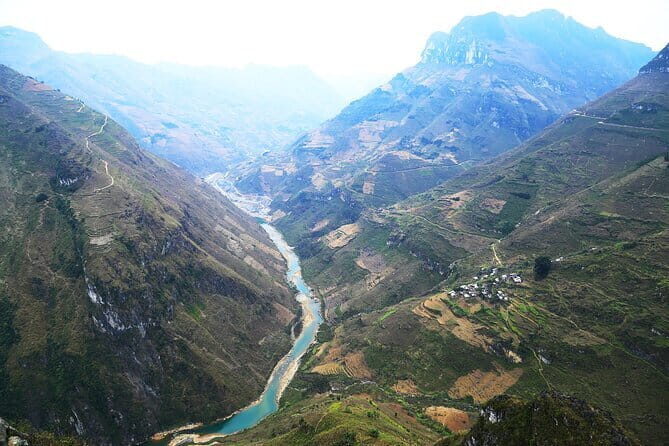
If you’re coming for one signature day, it’s Day 2. You ride the Ma Pi Leng Pass, often called the “king” of the passes. This is the kind of road where you feel the drop-offs and the scale of the valley more than you can capture in a single photo.
This day also includes Sky Path / Sky Walk viewpoints, where you get that high-perch feeling over the pass country. It’s the contrast that makes it special: you go from near-edge mountain driving to viewpoint walking/standing time where you can actually take a breath.
Then comes the best kind of “break”: waterfall time with swimming opportunities. The tour description specifically mentions unforgettable swimming moments on a waterfall. That’s not just recreation—it’s a reset. After hours of riding, water helps you cool down and shake out stiffness.
One realistic consideration: swims depend on conditions, and you’ll want to be ready with basic swim coverage and footwear you can handle on uneven ground. If you skip the water, you can still enjoy the rest of the day, but plan to get wet if you choose to swim.
Day 3: Du Gia Waterfall Swim, Lung Tam Again, and the Quieter Return Roads
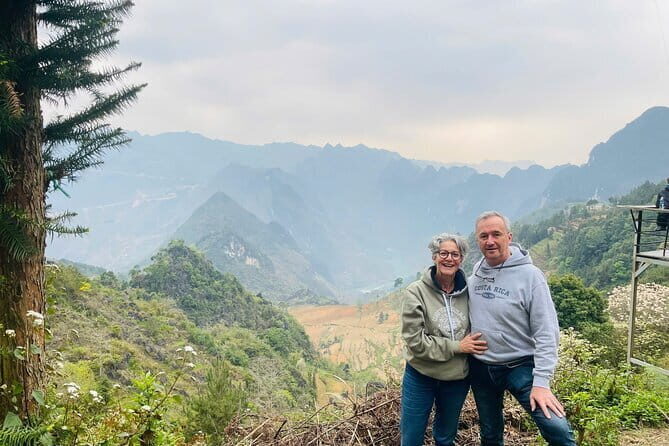
Day 3 is for closing the loop with a mix of nature and winding roads. You start with breakfast at a homestay, then you can head to Du Gia waterfall for a swim before riding on.
The Du Gia part is a good “endcap” because it’s not only scenic—it gives you a physical activity moment on the final day, which helps the loop feel complete rather than rushed. After that, you travel via Lung Tam again, heading back toward Ha Giang on smaller, quieter mountain roads.
That last piece matters more than it sounds. Returning on quieter roads can mean fewer interruptions and more consistent riding time. It’s also a good chance to reflect on the trip: you’ve seen the famous passes, you’ve met local life through Lung Tam and Quan Ba, and now you’re enjoying Ha Giang in a slower gear.
Accommodation-wise, you’ll have already experienced the contrast between a hotel night in Dong Van and a homestay in Du Gia Village. That shift is part of the value: you get different kinds of comfort without making the trip feel like a checklist.
Price and the $14 Easy-Rider Fee: Where Your Money Actually Goes

The tour price is $155 per person. On paper, that’s attractive for a multi-day loop with transfers and lodging. But with Ha Giang motorbike trips, it’s smart to look at the “real” cost structure.
Here’s the practical math: the price includes motorbikes with fuel and your easy rider (driver), plus meals and accommodation. The one extra cost called out is the easy-rider fee of $14 per person per day. That means you should budget for that add-on so you don’t get surprised late in the process.
Where the value shows up:
- You’re getting Hanoi–Ha Giang transfer by sleeping bus, plus the return by limousine.
- You have lodging handled across three nights and different types of stays.
- Your permit/permission for foreigners is included, which saves time and stress.
- You also have a guide experience plus meals (2 breakfasts, 2 lunches, 2 dinners).
When it might not be the best deal: if you’re planning to travel ultra-slow, skip activities, or you already have a motorbike and the permits sorted. For most people, though, the included structure removes enough friction to make it worth it.
What You’ll Be Eating and Sleeping (and Why It’s Not Just Comfort)
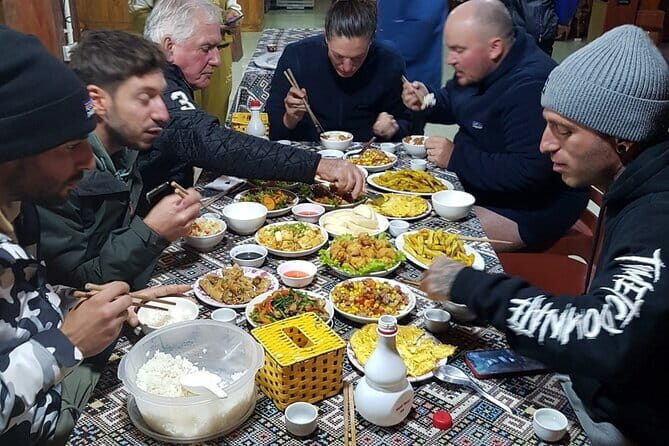
Food and sleep are part of the trip design here. Lunch is included twice, and you also get breakfast twice and dinner twice. That matters because motorbike days can make it hard to find reliable meals on your own, especially when you’re not sure about timing or where the group will stop.
The accommodation pattern is also intentional:
- One night on the bus (so you use travel time efficiently).
- One hotel night in Dong Van.
- One homestay night in Du Gia Village.
A homestay can feel more intimate, and it usually means you’ll experience daily routines rather than just checking into a generic room. The tour notes they can accommodate dietary needs like vegetarian/vegan/gluten-free, which is a big help if your food choices are strict.
Small reality check: bus nights and motorbike travel aren’t spa-level rest. If you’re the type who needs perfect sleep to enjoy a trip, plan to manage expectations and pack comfort items.
Fitness, Weather, and Water: The Stuff That Can Change Your Day
The tour explicitly suggests strong physical fitness. That’s not just marketing. Ha Giang loop days involve long rides, road vibration, and spending hours in a seated position. Even with an easy rider, your body still works—holding steady, getting on/off the bike at stops, and staying alert during pass segments.
Waterfall swimming adds another variable. It can be fun, but it also means you’ll need basic readiness: towel, quick-dry clothing, and shoes that handle wet terrain. If you’re not into swimming, you can usually treat it like a scenic break, but it’s best to mentally plan for it so you’re not caught off guard.
Weather also plays a role in northern Vietnam. Even if the plan doesn’t change, road and swim conditions can. Come with a flexible mindset, and you’ll enjoy the loop more.
Who This Tour Suits Best (And Who Should Skip It)
This Ha Giang Loop with easy rider is ideal if you want:
- a small-group experience (max 15),
- the famous pass day (Ma Pi Leng),
- viewpoint walking at Sky Path/Sky Walk,
- and local village time around places like Lung Tam and Quan Ba.
You’ll especially like it if you don’t want to handle driving logistics yourself but still want the real feeling of Ha Giang roads.
Skip it if:
- you have low tolerance for long riding days,
- you dislike water/possible swimming opportunities,
- or you strongly prefer self-paced travel with no set schedule.
Should You Book This Ha Giang Loop With EASY-RIDER?
Yes, I think you should consider booking if you want a structured 3D4N loop that handles the heavy lifting: transfers from Hanoi, lodging, food, and even foreigner permission. The combination of Ma Pi Leng Pass, Sky Path/Walk, and Du Gia waterfall time is a strong mix of iconic views and active breaks.
I’d hold off if you’re not comfortable with physical demands or if you already have your own plan for riding and permits. And because there’s a day-rate easy-rider fee listed in addition to the $155 price, it’s worth budgeting early so the math feels clean.
If your ideal Ha Giang trip is a balance of scenery, village moments, and managed logistics, this one fits.
FAQ
How long is the Ha Giang Loop 3 Day 4 Nights with EASY-RIDER?
It runs for 3 days (about 3 days), with 4 nights counted across travel and stays.
What is the price per person?
The price is $155.00 per person.
How big is the group?
The tour is capped at a maximum of 15 travelers.
What transfers are included from Hanoi?
The package includes Ha Noi to Ha Giang by sleeping bus, and Ha Giang to Hanoi by limousine.
Is pickup offered?
Yes, pickup is offered.
What does the tour include for the motorbike and easy rider?
It includes a good motorbike with fuel and an easy rider (driver).
Is there an extra cost for the easy rider?
Yes. The easy rider costs $14 per person per day.
How many meals are included?
Breakfast is included 2 times, lunch 2 times, and dinner 2 times.
Can the tour accommodate dietary needs?
Yes. The tour says they can accommodate vegetarian, vegan, gluten-free, and other dietary needs.
Is free cancellation available?
Yes, free cancellation is available up to 24 hours before the experience’s start time.
What level of fitness is required?
The tour notes that travelers should have a strong physical fitness level.