REVIEW · DIEN BIEN PHU
Dien Bien Phu Historical 1day tour
Book on Viator →Operated by Authentic Travel Ho Chi Minh · Bookable on Viator
History here hits differently. Dien Bien Phu is one of Vietnam’s most important moments, and a good guide turns the names on monuments into real scenes. I like that this 1-day format keeps you moving without feeling rushed, pairing battlefield sites with places that explain what the Vietnamese side was fighting for. You’ll also see how the surrounding mountains and valleys shape the story, especially around A1 Hill.
Two things I really like: first, the tour includes hands-on context at key stops like the Victory Museum and the Martyrs’ Cemetery, so the day doesn’t feel like a checklist. Second, the guide experience stands out—one guide named James was praised for strong English and solid historical knowledge, with enough flexibility to adjust to what you care about. One consideration: it’s a long day (about 9 hours), with several hours spent in outdoor areas and rural locations, so plan for a bit of stamina.
In This Review
- Key highlights you’ll actually feel
- Why Dien Bien Phu’s battlefield sites work so well in one day
- The 7:30am start: morning flow and what to expect
- Dien Bien Phu Museum: the story gets organized here
- Martyrs’ Cemetery: a pause that changes the tone
- A1 Hill (C1 Hill): when terrain becomes history
- Muong Phang village: culture time with battle-era relevance
- Ban Kha village: command center context and local atmosphere
- Pa Khoang Lake: nature reset at the end
- Transportation, guides, and group size: why this feels personal
- Price and value: what $119 buys you in real terms
- Who should book this Dien Bien Phu 1-day tour
- Should you book it? My practical verdict
- FAQ
- How long is the Dien Bien Phu Historical 1day tour?
- What time does the tour start?
- Is pickup included?
- What meals are included?
- Are tickets included for the museum and cemetery?
- How many people are in the group?
- Can you accommodate a vegetarian meal?
- Is there a refund if I cancel?
Key highlights you’ll actually feel
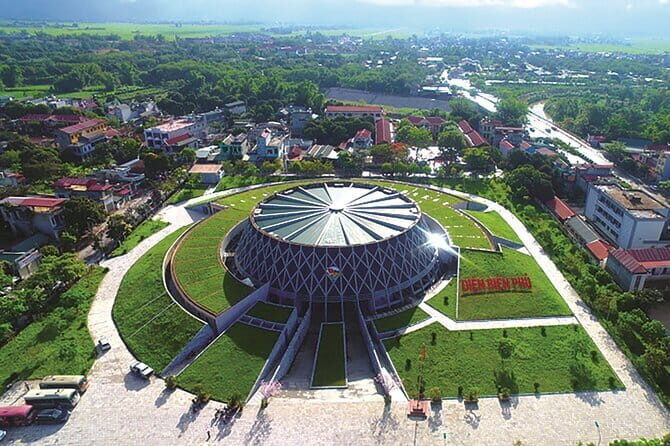
- A1 Hill (C1 Hill) stop to connect the terrain to what was fought there
- Victory Museum with included admission, organized to help you understand the campaign
- Martyrs’ Cemetery for a quiet, meaningful pause during a history-heavy day
- Countryside villages like Muong Phang (Black Thai community) and Ban Kha for local culture + battle-era context
- Pa Khoang Lake for a nature break after the serious memorial sites
Why Dien Bien Phu’s battlefield sites work so well in one day
Dien Bien Phu isn’t just a place you pass through. It’s a place where geography matters. That’s why a one-day historical tour can be surprisingly effective: you get multiple layers of meaning without having to plan an entire multi-day itinerary.
You’ll start in the city and quickly move from museums into memorial ground. That matters because the battle isn’t only about strategy. It’s also about people, sacrifice, and a national memory that still feels present. The best part is how the day balances the heavy moments with relief—there’s time for scenery and a traditional meal in the countryside.
If you care about Vietnam’s modern history, this is a strong use of limited time. And if you’re more of a casual history fan, the guide’s job is to make the story clear—who fought, where, and why the terrain mattered.
You can also read our reviews of more historical tours in Dien Bien Phu
The 7:30am start: morning flow and what to expect
The day begins early, with a start time of 7:30am and a pickup from your hotel lobby in Dien Bien Phu city. That’s a real convenience. You’re not hunting down meeting points in a place where your navigation may be limited.
From there, you’ll get moving quickly. The first city-area stop is short, then the schedule builds. You’ll have included breakfast, plus the tour provides bottled water, which is exactly what you want on a day when you’ll be in and out of vehicles and spending time outdoors.
One practical tip: wear comfortable shoes. The day includes village time and longer site visits, not just quick photo stops. Even if you’re mostly sitting in a vehicle, you’ll still want footwear that handles uneven ground and longer walking stretches.
Dien Bien Phu Museum: the story gets organized here
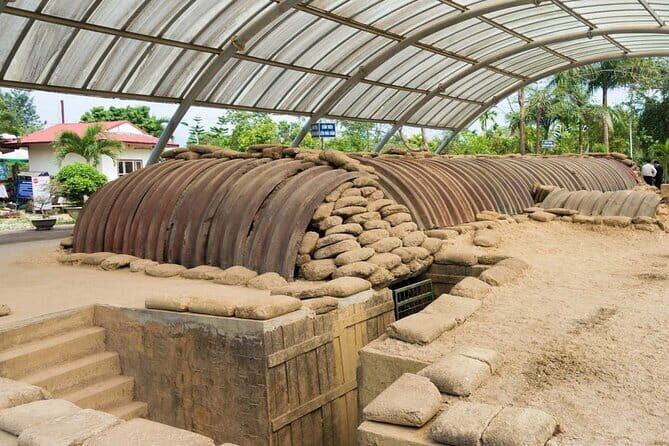
The Dien Bien Phu Victory Museum is a key reason to book this kind of one-day route. It gives structure before you start seeing the locations tied to the battle.
Admission is included, and you’ll spend about 1 hour inside. That hour is usually just enough to grasp the big picture—how the campaign unfolded, why Dien Bien Phu became so important, and how the Vietnamese victory reshaped the country’s path. When you pair that with the later stops—cemetery, A1 Hill, and the village sites—it clicks faster.
A museum stop can sometimes feel like “still more reading,” but a good guide makes it work. You’ll likely have an English and Vietnamese speaking guide with you, so if you want details, you can ask. If you want a smoother overview, you’ll get that too.
Martyrs’ Cemetery: a pause that changes the tone
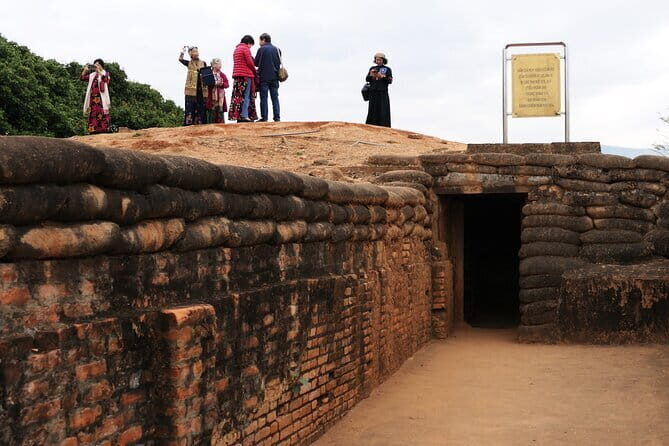
After the museum, the tour heads to the Dien Bien Phu Military Cemetery, also known as the Martyrs’ Cemetery. This stop is short—about 30 minutes—but it’s the emotional center for many people on this route.
Admission is included, and the cemetery is described as a memorial for heroes who sacrificed their lives in the struggle against French colonialism. That wording matters. It frames the battle as something personal and human, not only as tactics and dates.
What I like about putting this stop after the museum: you’ve already been given context, so you don’t just feel sadness as a reaction—you understand what the names represent. It also helps you appreciate why the later battlefield sites are so carefully preserved in local memory.
A1 Hill (C1 Hill): when terrain becomes history

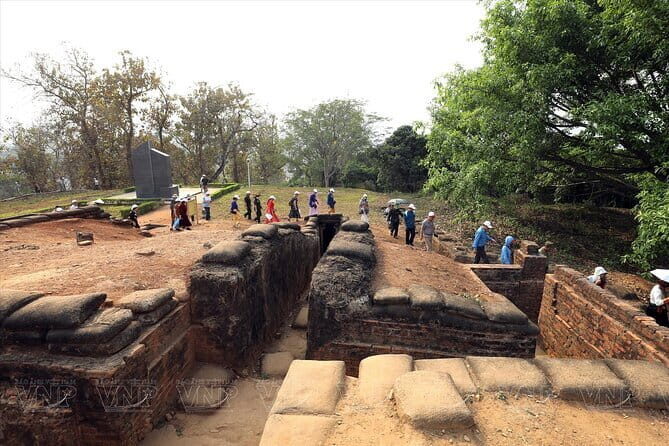
Then you go to Đồi A1, also known as C1 Hill. This is one of the most significant sites tied to fierce fighting during the struggle against French colonialism. You’ll spend about 1 hour 30 minutes, and admission is listed as free.
What makes A1 Hill special in a guided day is that it’s hard to imagine the intensity of battle without seeing the landform. You don’t need to be a military expert. You just need the right explanations about why certain positions mattered.
A1 Hill’s value isn’t only historical. It’s practical for your understanding. After you’ve been told what happened there, you’ll start noticing how roads, ridges, and elevation influence movement and visibility. The site turns the earlier museum learning into something physical.
Plan for weather. Mountain regions can shift quickly, and A1 Hill is an outdoor stop. Bring layers if you tend to get cold, especially early in the day.
Muong Phang village: culture time with battle-era relevance
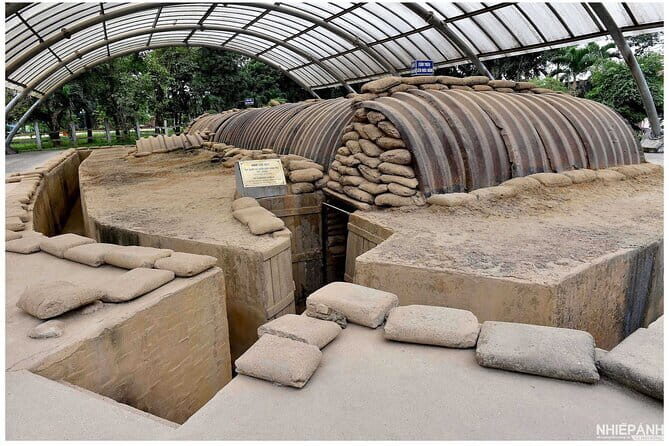
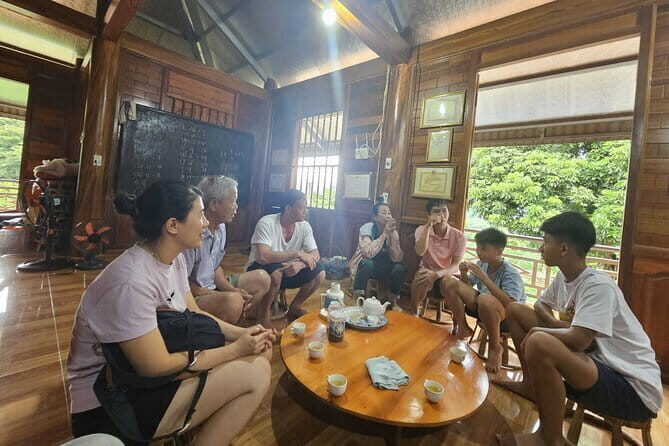
Around 12:00, the tour heads high into the mountains and makes a stop in Muong Phang village (Khu Di Tich Lich Su Muong Phang). This part lasts about 2 hours, and admission is included.
This is more than a scenic break. Muong Phang is described as a home of the Black Thai ethnic minority and a central hub of importance during the battle. You’re connecting the battlefield story to the communities living around it—not as background, but as part of how the campaign played out.
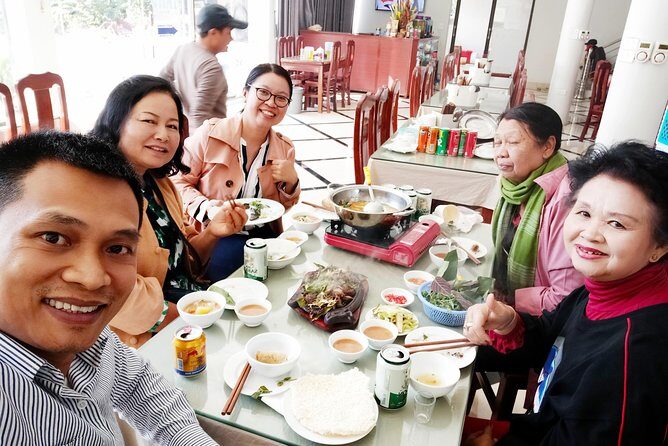
You’ll also get time for traditional food. Lunch is included, and the tour notes you’ll have it as part of the countryside portion. One review praised the stop in the countryside for a nice Vietnamese traditional lunch, which lines up with why this segment feels like more than a drive-by.
If you like your history tours with real people and real places, this is the section to look forward to.
Ban Kha village: command center context and local atmosphere
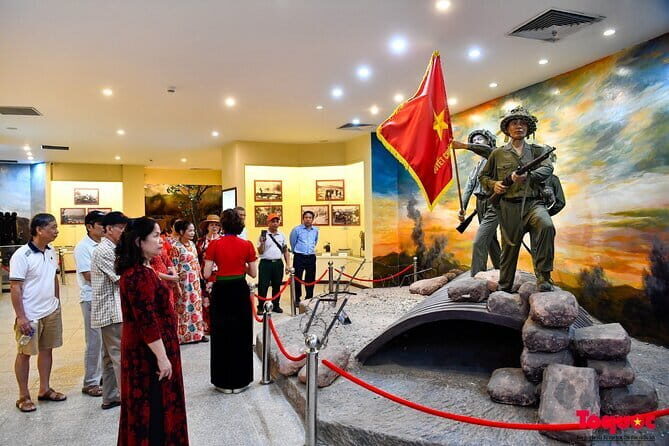
After resting and lunch, you continue with a walk to Bản Khá (Ban Kha village), a notable historical site where the command center for the Dien Bien Phu campaign was established during the struggle against French colonialism. This stop also lasts about 2 hours, and admission is free.
Why I think this works on a one-day schedule: it’s a shift from battlefield positions to what “command” actually meant. The earlier stops help you see fighting on the ground. This one helps you understand the planning side—where decisions were made and how the campaign was coordinated.
Even if you don’t catch every detail, you’ll likely come away with a clearer sense of how the fight wasn’t only front-line action. It was an organized effort with leadership and logistics.
Pa Khoang Lake: nature reset at the end
Later in the day you head to Pha Khoang Lake (Pa Khoang Lake), about 15 km from Dien Bien Phu city. You’ll spend around 1 hour 30 minutes, and admission is included.
This lake stop is a much-needed change of pace. It’s described as known for pristine natural beauty and a fresh atmosphere. After hills, memorials, and history-heavy explanations, the lake helps the day breathe.
It’s also a strong way to remember the region beyond battle facts. Dien Bien Phu isn’t only a battlefield. It’s also a living landscape that people keep working and living in.
One more detail worth noting from guide experience: a review mentioned finishing with coffee at an excellent viewpoint. Even if you don’t expect the exact same end-of-day moment, the overall structure still aims to wrap things up with something calm and scenic.
Transportation, guides, and group size: why this feels personal
This tour runs with a small group size—maximum 15 travelers—which matters more than many people expect. With fewer people, your guide can actually answer questions instead of talking into the void. It also helps if you have specific interests, like understanding particular sites or asking about how the battle unfolded.
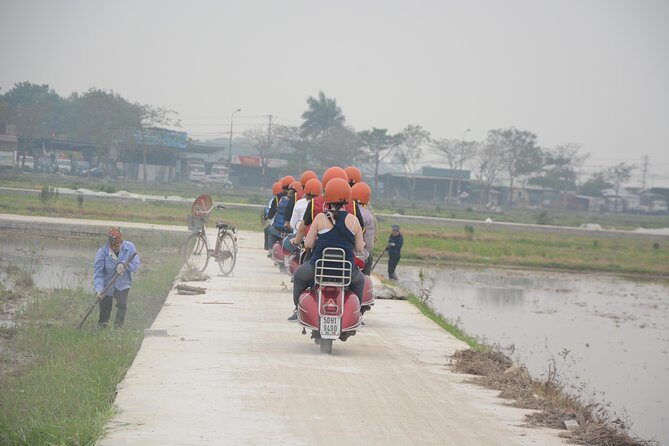
You’ll be transported by a mix of jeep car, normal car, or motorbike, depending on where you’re going. That’s not just a quirky detail; it affects how the day feels. Some sections can be reached efficiently, and you spend less time waiting and more time learning.
Guides are English and Vietnamese speaking. In one review, the guide James was singled out for being very knowledgeable and having very good English. That kind of guide skill is what makes battlefield sites understandable rather than intimidating.
Price and value: what $119 buys you in real terms
At $119 per person, the best value comparison isn’t just cost per stop—it’s what’s included for a full day. This price covers admission for the main paid sites, a full-day guide, included meals, and transportation inside Dien Bien Phu.
Here’s what you’re effectively getting value for:
- Breakfast and lunch included, plus bottled water
- All ticket fees are included (museum, cemetery, and paid attractions)
- Pickup from your hotel lobby and a planned route that saves time
- A guide who can explain what you’re seeing, not just point and move on
- Small group limits the hassle factor and usually improves Q&A time
Could it be expensive if you were only trying to see one or two attractions? Sure. But this is a full history-and-context day with multiple major sites and a countryside segment. If you’re going to spend a day anyway, having everything coordinated tends to beat piecing it together, especially if you don’t speak Vietnamese.
One more cost reality: there’s mention of a holiday surcharge. So if your dates fall on a major holiday, check your total before you lock it in.
Also, a heads-up for planning: the experience is described as non-refundable and not changeable once booked. If your plans are flexible, you might want to wait until your schedule is solid.
Who should book this Dien Bien Phu 1-day tour
This tour is a good fit if you:
- Want a structured history-focused day without spending time on logistics
- Prefer learning from a guide rather than trying to interpret memorial sites on your own
- Like when a history route includes countryside culture, not only museums
- Are comfortable with a long day (around 9 hours) and multiple stops
It may feel like a lot if you’re traveling very slowly or you hate walking and outdoor time. But the schedule is built as a guided loop with planned durations at each stop—so you’ll know you’re not trapped in endless transitions.
If you’re coming from outside Dien Bien Phu, remember the pickup is from your hotel lobby in the city. Plan your arrival so you can actually make the early start.
Should you book it? My practical verdict
Book it if you want one solid day that covers the essentials: Victory Museum, the Martyrs’ Cemetery, A1 Hill, and the battle-related countryside areas around Muong Phang and Ban Kha, with Pa Khoang Lake to cool down the mood at the end. The inclusion of meals, tickets, and a small-group guide experience makes the $119 price feel more justified than it looks at first glance.
Skip it or adjust expectations if you’re only interested in a single site or you’re aiming for a relaxed, low-effort day. Also, because it’s non-refundable, don’t book it until you’re comfortable with your dates.
If your priority is understanding Dien Bien Phu with clear explanations and a route that actually connects the dots, this is an easy “yes” for many visitors.
FAQ
How long is the Dien Bien Phu Historical 1day tour?
It runs for about 9 hours (approx.).
What time does the tour start?
The start time is 7:30am.
Is pickup included?
Yes. The guide picks you up at your hotel lobby in Dien Bien Phu city.
What meals are included?
Breakfast and lunch are included, along with bottled water.
Are tickets included for the museum and cemetery?
Yes. Admission tickets are included for the Dien Bien Phu Museum and the Military Cemetery, and all ticket fees are included overall.
How many people are in the group?
The tour has a maximum of 15 travelers.
Can you accommodate a vegetarian meal?
Yes. If you’re vegetarian, you need to let them know in advance so they can prepare it.
Is there a refund if I cancel?
No. The experience is non-refundable and can’t be changed for any reason.