REVIEW · DIEN BIEN PHU
Best seller Historical Discovery Tour of Dien Bien Phu
Book on GetYourGuide →Operated by Authentic Travel DA NANG · Bookable on GetYourGuide
Dien Bien Phu hits hard.
This day tour is built around the places where the battle unfolded in northern Vietnam, and it goes past the big monuments to show how the French and Viet Minh plans played out on the ground. I like that you also get sent out into the quieter hills for a Black Thai homestay lunch, not just museum walls and war photos—Dien Bien Phu feels human and local, not only historical.
I really love two things: the English-speaking guidance (I heard names like Son and James, and they clearly focus on explaining what you’re actually seeing), and the way the day mixes battlefield stops with Black Thai family-style meals that slow you down and change the mood.
One small consideration: breakfast is basically coffee when you leave the hotel at 07:30, so if you want a real morning meal, eat before you go.
In This Review
- Quick highlights that make this tour worth your time
- Why Dien Bien Phu is so memorable in real life
- A smooth start: hotel pickup, coffee breakfast, and the morning drive
- Victory Museum, Martyrs Cemetery, and the map of the battle
- A1 Hill (French Command Center): when you can almost read the terrain
- Muong Thanh Supply Bridge and De Castries’ bunker: logistics, not just legends
- The drive up to Muong Phang: from battleland to Black Thai country
- Homestay lunch in Muong Phang: a real family meal
- Viet Minh Campaign Headquarters: when strategy meets place
- Pa Khoang Lake and the sunset coffee pause
- Timing and transportation: what your body should expect
- Price and value: why $158 can make sense here
- Who should book this tour (and who should skip it)
- Practical tips to make the day smoother
- Should you book this Historical Discovery Tour of Dien Bien Phu?
- FAQ
- How long is the tour and what time does it run?
- What are the main historical stops included?
- Do I get lunch, and is it local food?
- Is there an English speaking guide?
- How do I get around during the day?
- What drinks and water are included?
- What should I bring for the day?
- Is this tour suitable for wheelchair users?
Quick highlights that make this tour worth your time
- Victory Museum and key memorial sites that help you connect the names to the ground you’re standing on
- A1 Hill (French Command Center) for a clear sense of how command and control worked in the battle
- De Castries bunker and Muong Thanh Supply Bridge to understand how logistics mattered, not just firefights
- Black Thai homestay lunch in Muong Phang and a village meal stop for food and culture in the hills
- A light walk at the Viet Minh Campaign Headquarters tied to General Giap and Ho Chi Minh
- Pa Khoang Lake coffee stop (if timing allows) to end the day with a calm view before you head back
Why Dien Bien Phu is so memorable in real life
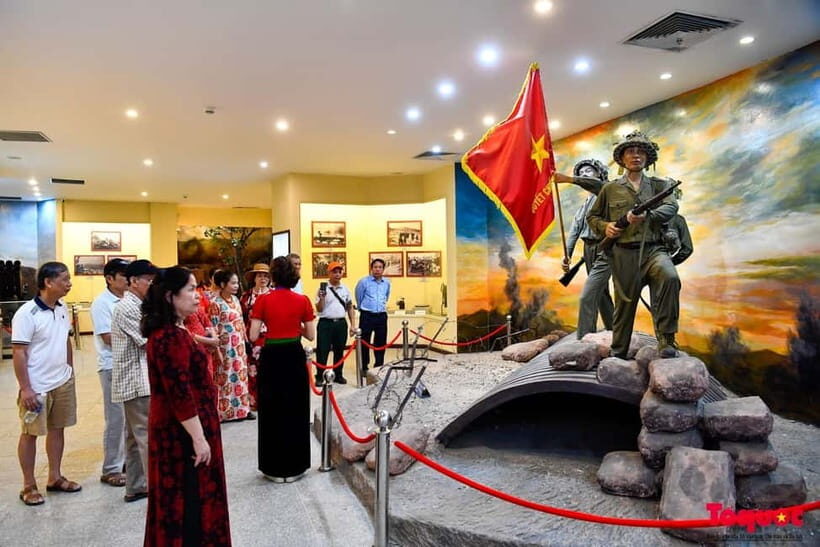
Big battle sites can turn into checklists. This tour avoids that problem by taking you through the key places that shaped the outcome and then layering in the Vietnamese side of the story. You’re not only looking at monuments—you’re getting context for why each location matters, so the day feels clearer as it goes.
The other reason it stays with you is the contrast. You start in battleland museums and memorial areas, then you’re up in mountain villages with Black Thai hosts and a family lunch. That shift is more than scenery. It reminds you that this history happened in communities, not in a vacuum, and you’ll feel the day’s pacing in your body—walk a bit, ride a bit, eat, then sit down again.
You can also read our reviews of more historical tours in Dien Bien Phu
A smooth start: hotel pickup, coffee breakfast, and the morning drive
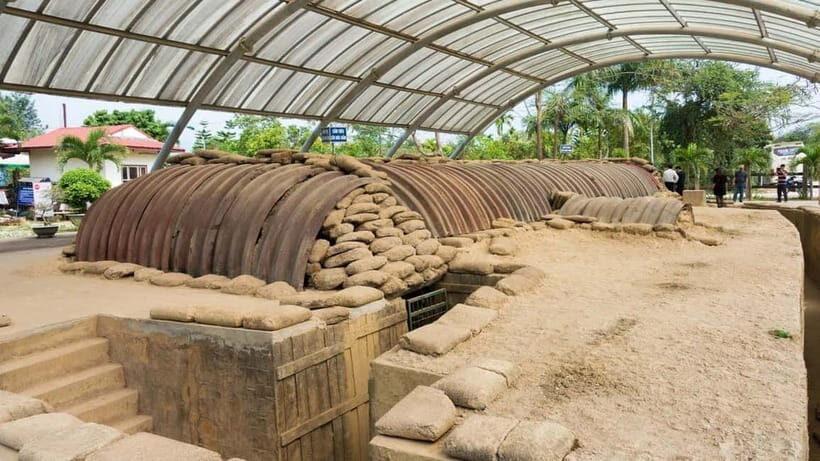
The day typically begins around 07:30 when you depart the hotel in Dien Bien Phu for a local breakfast stop. Here’s the practical heads-up: the morning breakfast is coffee-focused, and that shows up as the one point people often flag. If you’re the type who needs eggs or something solid to function, I’d plan to eat at your hotel before you leave and treat the tour stop as a light start.
From there, you head into the core historical circuit. The timing is tight enough that you’ll feel productive, but not rushed into a 20-stop sprint. A good part of the value here is that you’re carried between sites and briefed along the way, so you spend less time guessing and more time understanding.
Victory Museum, Martyrs Cemetery, and the map of the battle
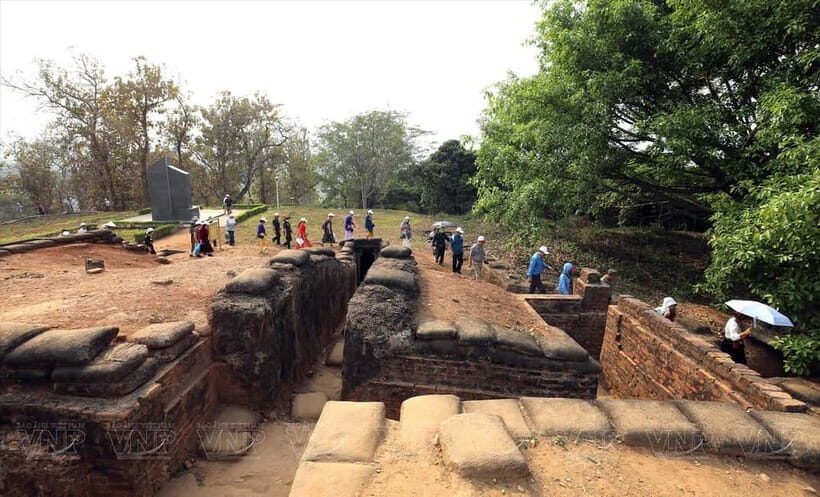
The first big block is the historical center: Victory Museum, Martyrs Cemetery, and then key battlefield positions like A1 Hill. This is where you get your bearings fast.
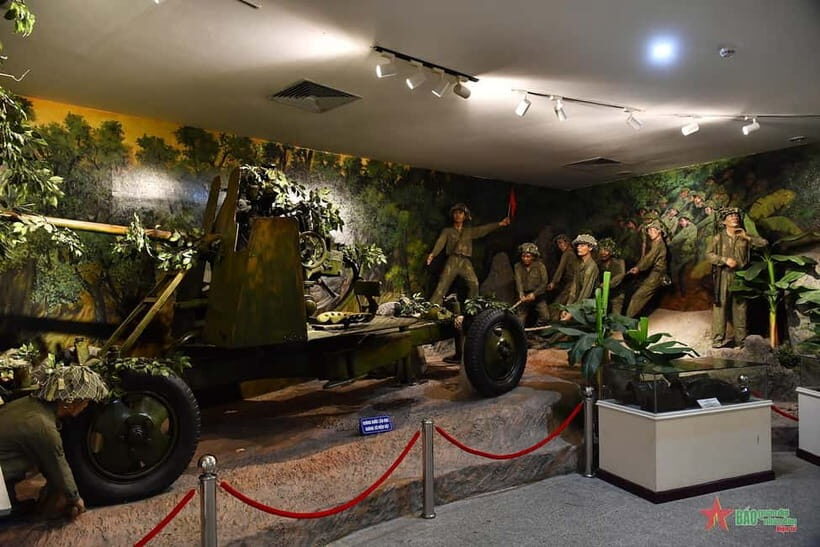
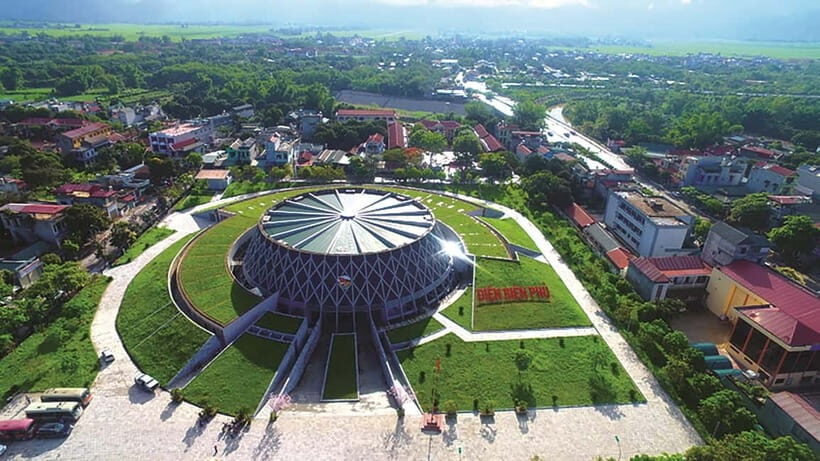
At the Victory Museum, you’re setting the frame: what this battle meant, who fought, and how the conflict played out. Museums like this can be overwhelming if you go in cold. The guide’s job is to point you toward what to notice, so you don’t just “see things,” you connect names and terms to physical locations.
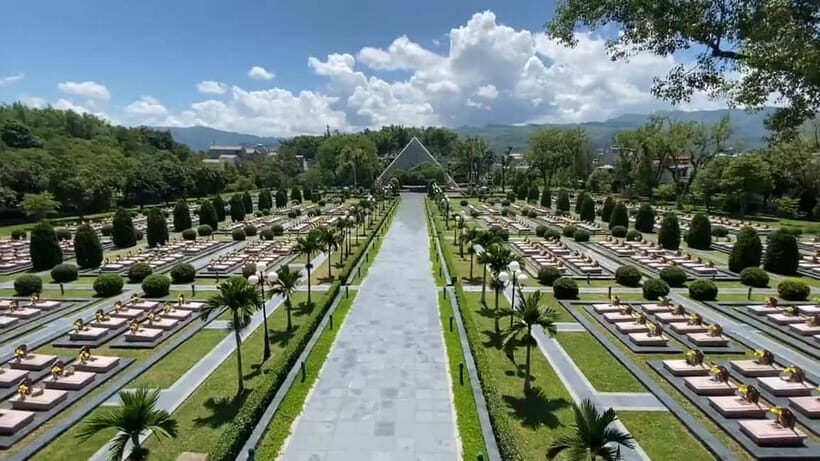
Then Martyrs Cemetery changes the temperature. You’re no longer just learning. You’re honoring. Even if you’re not a “cemetery person,” the respectful stillness can make the rest of the day hit harder, in a good way.
A1 Hill (French Command Center): when you can almost read the terrain
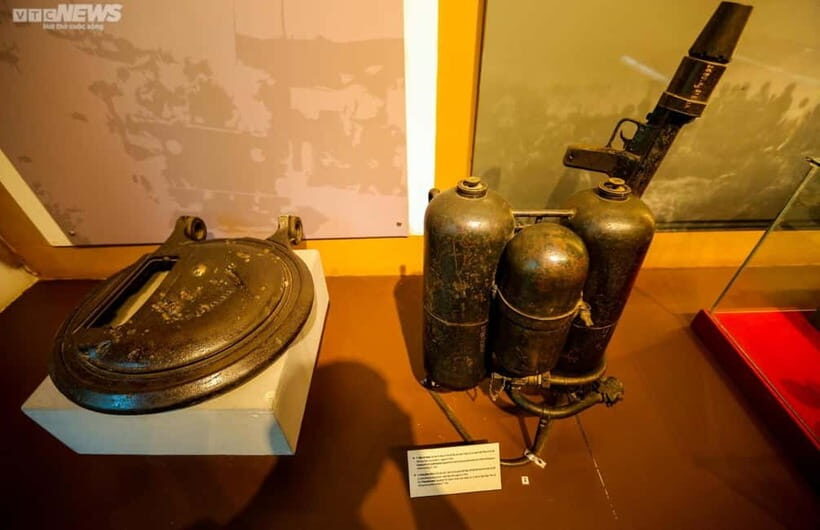
A1 Hill is one of those stops that makes history feel three-dimensional. The tour frames it as the French Command Center, which matters because command wasn’t an abstract idea. It affected decisions, communications, and how defenders responded.
When you’re standing near key positions like this, you start understanding how battles are won and lost on planning and positioning—not just courage. You’ll likely hear anecdotes and explanations from your guide (names like Son and James come up in real-world experiences), and the best part is that they don’t just recite dates. They help you picture what commanders were trying to do.
Practical note: wear comfortable shoes. Even if the walk is not long, you’ll be on uneven ground and you’ll want your footing.
Muong Thanh Supply Bridge and De Castries’ bunker: logistics, not just legends
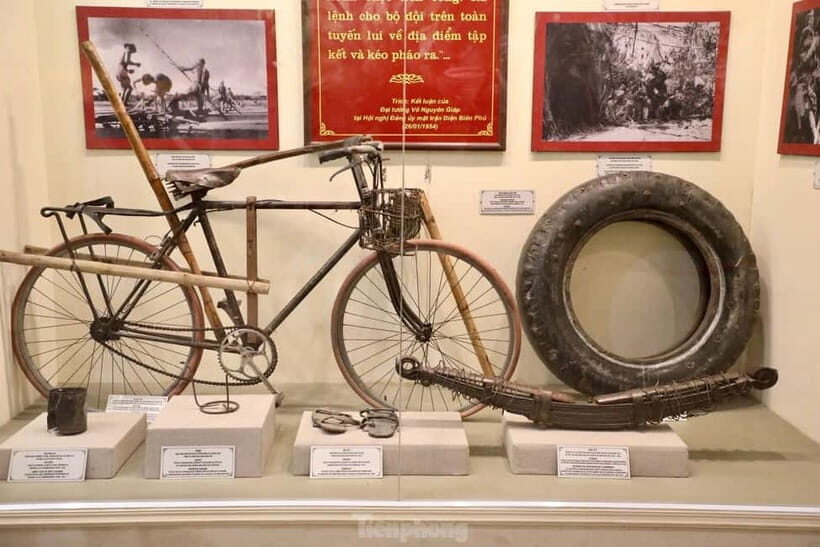
After the museum and hill stops, the day moves into places tied to command and supply: Muong Thanh Supply Bridge and General De Castries Bunker are the standout names here.
The Muong Thanh Supply Bridge is valuable because it shifts your thinking from dramatic headlines to everyday battlefield reality: moving people, moving supplies, keeping operations running. It’s a reminder that wars are made of infrastructure and routes as much as tactics.
Then General De Castries’ Bunker brings the story to a more personal level. This is where you can feel how close decision-making is to fear and uncertainty. If you’re interested in how leaders functioned under pressure, this stop tends to land.
There are also memorial elements included on the circuit, like the French Soldiers Memorial and other markers such as the Victory Monument and the Beatrice Battlefield area. The point of including both sides of memorials is that you leave with a more balanced understanding of who was affected, not just who won.
One more real-world detail that’s worth knowing: the pacing is designed so you’re not stuck in a pack with other tourists. It’s still a popular site area, but the way the tour is run helps keep you from feeling completely swallowed by crowds. And yes, some veterans may want to take your picture—if that happens, be ready with a polite smile and a quick moment to pause.
The drive up to Muong Phang: from battleland to Black Thai country
Around late morning to noon, you head away from the main historic zone into the hills. You’ll travel roughly 35 km to Muong Phang village, home to the Black Thai ethnic community.
This part of the day is a big reason the tour feels different from a standard history-only excursion. You get a chance to trade battlefield noise for mountain quiet, and the atmosphere changes quickly.
You’ll also notice how transportation works here. The tour includes car or motorbike around the journey, and the afternoon in particular often mixes both. If you’re prone to motion sickness, bring a remedy and keep an eye on how you feel as the road winds.
Homestay lunch in Muong Phang: a real family meal
Lunch is a main event. The tour includes a traditional Black Thai ethnic lunch served family-style at a homestay setting. That matters for value: you’re not paying extra on the spot for a random restaurant meal, and you’re not left to “figure out what to eat.”
You’ll likely get local specialties and the kind of straightforward hospitality that doesn’t feel staged. The schedule also includes a nearby stop at Ban Kha Village shortly after, with another chance to savor a homemade Black Thai meal. Depending on how the day is timed, it may feel like one extended meal experience with two village moments rather than two completely separate lunches—but either way, the emphasis stays the same: you’re eating what locals actually cook.
After lunch, there’s time to rest and take in the peaceful surroundings. That break is not wasted time. It helps your mind reset after the heavier emotional content of the morning.
Viet Minh Campaign Headquarters: when strategy meets place
In the mid-afternoon, you go back to battlefield history with a light walk around the Viet Minh’s Campaign Headquarters. This is specifically tied to General Giap and Ho Chi Minh, who lived and strategized there during the battle.
This is a smart stop for several reasons. First, it helps balance the earlier French Command Center focus by giving you the Viet Minh planning perspective. Second, a headquarters site tells you something museums can’t: where decisions happened, not just what happened after.
If you like history with names and cause-and-effect, this part is a highlight. You’ll have time on foot to slow down and pay attention, and the guide’s commentary is what turns the ground into meaning.
Pa Khoang Lake and the sunset coffee pause
After the headquarters walk, you travel down toward Pa Khoang Lake—about 15 km—along a scenic mountain road. At 16:30, there can be a coffee stop if the timing and sunset work out.
This final chapter is worth the wait. It gives you a mental landing spot after the busy morning and the emotional afternoon history. If weather is good, the coffee pause can turn into a quiet moment to reflect on how the day’s stories connect to the wider place they unfolded.
Practical tip: mountain weather can change quickly. Even if your day is sunny, bring sun protection and a layer. You’ll appreciate it on the drive and at any outdoor stops.
Timing and transportation: what your body should expect
This tour runs a full day, typically from about 07:30 pickup to return around 17:00. That’s long enough that you should plan for real walking and time outdoors, especially in the museum areas and the headquarters walk.
Transport is also mixed. Some sections are by car, and in other parts you may go by motorbike as a passenger, then switch back to on-foot time later. This combo is part of the value because it reduces the amount of time you’d spend coordinating yourself. But it also means you should come prepared for bumps, dust, and sun.
Pack for comfort, not style:
- Comfortable shoes
- Sun hat and sunscreen
- Comfortable clothes you can move in
Price and value: why $158 can make sense here
At $158 per person, this isn’t a budget throwaway day. But it can feel fair because the price bundles the things that add up when you DIY.
You get:
- An English speaking guide
- Car or motorbike around-trip transport
- All historical entrance tickets
- Two bottles of water plus hot/cold drinks at scheduled stops
- A traditional Black Thai lunch (and village food time during the hills portion)
If you were to piece this together yourself, you’d still need transportation to multiple named sites, entry fees, and a guide who can explain the meaning behind the stops. Here, you’re paying for that flow—less friction, more context.
To me, the best “value moment” is the pairing of battlefield sites with the Black Thai lunch experience. It turns your day from pure sightseeing into a fuller sense of how history and everyday life share the same geography.
Who should book this tour (and who should skip it)
I’d recommend this tour if you:
- Want a history-focused day with named places like A1 Hill, De Castries’ bunker, and Muong Thanh supply bridge
- Like guides who explain what you’re seeing and keep the pace reasonable
- Appreciate a food-and-culture element, not just monuments
- Are comfortable doing a light walk and spending a good chunk of the day outdoors
I’d skip it (or think twice) if:
- You rely on wheelchair access. This tour is not suitable for wheelchair users.
- You’re not okay with motorbike riding as a passenger on parts of the route.
Practical tips to make the day smoother
A few small things can make a big difference on this route.
- Eat before leaving your hotel if you want a proper breakfast. Coffee is not the same as a meal.
- Bring sun protection even if you think you’ll be indoors a lot. There are outdoor memorial areas and hillside driving.
- Bring a weather-ready layer. One day may be sunny and pleasant; another can feel different quickly on mountain roads.
- Wear shoes you can trust. You’ll be moving between sites and some paths can be uneven.
- Plan to stay off alcohol and drugs. The tour rules don’t allow it, so keep it simple and safe.
Also, if you like having flexibility, the tour offers reserve & pay later—book your spot and pay nothing today.
Should you book this Historical Discovery Tour of Dien Bien Phu?
Yes—if you want a guided, high-meaning day that covers the major named battle sites and still gives you a real taste of mountain village life through Black Thai lunches.
Book it if you:
- Care about understanding the battle rather than just taking photos
- Enjoy a structured day with transport and tickets handled
- Want that morning-to-afternoon rhythm: museums and memorials, then hills and food, then headquarters and a calm lake stop
Skip it if you only want a short history highlight or you dislike long days with outdoor time. And if you’re picky about breakfast, plan your morning meal before pickup.
If your goal is to leave Dien Bien Phu with clear context—and a memory that goes beyond stone and plaques—this is a strong choice.
FAQ
How long is the tour and what time does it run?
It starts with hotel departure at 07:30 and typically returns to the hotel around 17:00.
What are the main historical stops included?
You’ll visit sites such as Victory Museum, Martyrs Cemetery, A1 Hill (French Command Center), Muong Thanh Supply Bridge, General De Castries’ Bunker, French Soldiers Memorial, Victory Monument, and Beatrice Battlefield, plus other historical areas.
Do I get lunch, and is it local food?
Yes. The tour includes a traditional Black Thai ethnic lunch at a homestay area, with additional homemade Black Thai lunch time during the village stops.
Is there an English speaking guide?
Yes. The tour includes an English speaking guide.
How do I get around during the day?
The tour includes car or motorbike around-trip, and the afternoon portion alternates between motorbike rides and walking.
What drinks and water are included?
You get hot and cold drinks at scheduled stops, plus 2 bottles of water per day.
What should I bring for the day?
Bring comfortable shoes, a sun hat, sunscreen, and comfortable clothes.
Is this tour suitable for wheelchair users?
No, it is not suitable for wheelchair users.