REVIEW · HANOI
Ban Gioc Waterfall 2 Days 1 Night From Hanoi
Book on Viator →Operated by Vietnam Travel Top · Bookable on Viator
Ban Gioc is worth the long haul. This 2 days 1 night trip takes you from Hanoi to northern Vietnam’s Ban Gioc Waterfall on the Vietnam–China border, with a full mix of caves, pagoda viewpoints, rural villages, and time on the water. I like that you get hotel pickup and drop-off, plus one night in a local 2-star hotel and most meals handled for you.
The main tradeoff is simple: it’s a long drive. Even when the schedule runs smoothly, you’ll spend serious time in the van each day, so if you hate winding mountain roads, plan accordingly.
In This Review
- Key things to know before you go
- Entering the real Ban Gioc: what you’re signing up for
- The Hanoi to Cao Bang drive: comfort and motion-sickness reality check
- Day 1: Nguom Ngao (Tiger Cave) and the first wave of Cao Bang
- Lunch stop and Nguom Ngao Cave (Tiger Cave)
- Getting to your hotel near Ban Gioc
- Village stops and caves: how the region’s variety shows up
- Day 2: Ban Gioc Pagoda, Detian Falls, and the “showtime” moment
- Ban Gioc Waterfall and Detian Falls
- Boat, kayak, and swim time: what’s likely included and what to plan for
- Photos without panic: guide style and small-group flow
- Food and hotel: what “included” really feels like
- Price and value: is $189 fair for Ban Gioc?
- Who this Ban Gioc 2D1N tour suits best
- Should you book this Ban Gioc 2 days 1 night from Hanoi?
- FAQ
- FAQ
- Where does the tour start in Hanoi?
- How long is the Ban Gioc Waterfall 2 days 1 night tour?
- What’s included in the price?
- Will I have hotel pickup and drop-off?
- What activities can I expect during the trip?
- What are the main stops on the itinerary?
- Is the hotel included for one night?
- Is there a vegetarian option?
- How large is the group?
- What if the tour is canceled due to weather?
Key things to know before you go
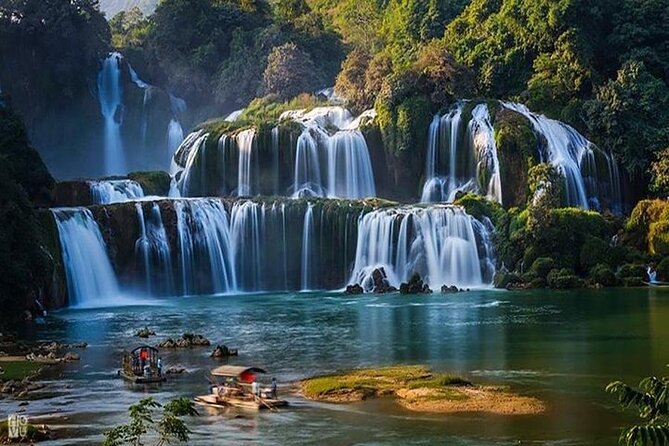
- Ban Gioc on the border: You’ll see the falls from key viewpoints like Ban Gioc Pagoda and the wider Detian Falls area across the line.
- Tiger Cave timing: Nguom Ngao (Tiger Cave) is a major stop with included admission.
- Active outdoors time: The program includes kayaking, swimming, and hiking—not just sitting and taking photos.
- Caves plus rural villages: Expect stops tied to limestone caves (like Hua Ma Cave) and villages (Tay, Hmong, Dzao, plus fishing life in Coc Toc).
- A guide that manages the day: An English-Vietnamese guide plus a driver is part of the value, and the best guides help you hit the sights at the right moments.
- Small-group feel: The tour caps at 30 travelers, so you’re not stuck in a giant crowd.
Entering the real Ban Gioc: what you’re signing up for
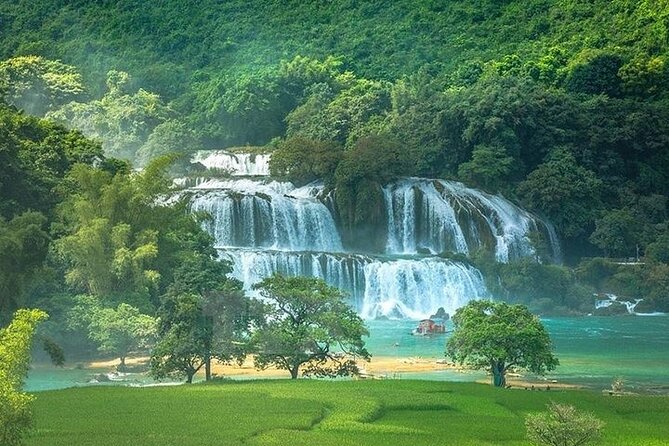
Ban Gioc Waterfall sits in Cao Bang Province, far enough from Hanoi that this feels more like a road trip than a quick day excursion. That distance is part of the point. You get a break from Hanoi and a slower, more rural slice of northern Vietnam—complete with limestone karst scenery, villages, caves, pagoda views, and river time.
This is also a border-area waterfall. That matters for two reasons: you’ll hear about the Vietnam–China connection, and the waterfall’s strength can change. In practical terms, timing and water flow affect what you see. A good guide knows how to work with what’s happening that day.
You’re not just chasing one photo. The itinerary is built to keep you moving through the region: caves like Nguom Ngao, a pagoda viewpoint for height and overview, and additional local stops such as Coc Toc fishing village, Hua Ma Cave, Nang River, and Puong Grotto. The result is a full 2-day rhythm, not a single-hit experience.
You can also read our reviews of more tours and experiences in Hanoi.

The Hanoi to Cao Bang drive: comfort and motion-sickness reality check
Pickup starts early—around 6:00–6:30 am from the Hanoi Old Quarter area, and the main meeting point is Hanoi Opera House (1 Tràng Tiền, Hoàn Kiếm). You depart around 7:15 am toward Ban Gioc, and you’ll keep driving on Day 2 after breakfast and check-out.
Here’s the honest part: this tour is long on road time. Reviews point to roughly 10 hours on the first day (and sometimes more across both days). That’s not a flaw in the destination—it’s the geography. Cao Bang is mountainous, with winding roads, and the schedule exists to make the distance feel “worth it.”
Two practical tips I’d treat as non-negotiable:
- Bring something for car sickness if you’re even mildly prone. If you can, choose the seat where you feel least motion (ask your guide if they can help).
- Pack warm layers. Even in transport and restaurants, the northern mountain weather can feel colder than Hanoi, especially earlier in the year.
If you’re the type who hates being in a vehicle for half a day, this might feel like punishment. If you can handle it, the upside is you’ll arrive ready for a rare northern Vietnam waterfall experience—one that’s far from the tourist conveyor belts.
Day 1: Nguom Ngao (Tiger Cave) and the first wave of Cao Bang
Day 1 starts with that early pickup and the long run to Cao Bang. Once you’re out of Hanoi, the day shifts from “travel” to “explore” quickly, with a cave stop that anchors the afternoon.
Lunch stop and Nguom Ngao Cave (Tiger Cave)
After pickup and departure, the schedule includes lunch around 12:45–13:00 at a local restaurant. Then you head to Nguom Ngao Cave (Tiger Cave), with admission included. The cave is a standout because it breaks up the travel day with something very different from viewpoints and waterfalls.
Caves in northern Vietnam can be cold and damp, and this one is no exception. Wear shoes you don’t mind getting a little wet. And bring a light layer even if it’s warm outside—cave air can feel cooler than you expect.
Getting to your hotel near Ban Gioc
After the cave, you rejoin the bus and continue to your overnight stay near Ban Gioc. You’ll have dinner included and one night in a “best 2-star local hotel” in Cao Bang Province (based on the tour setup).
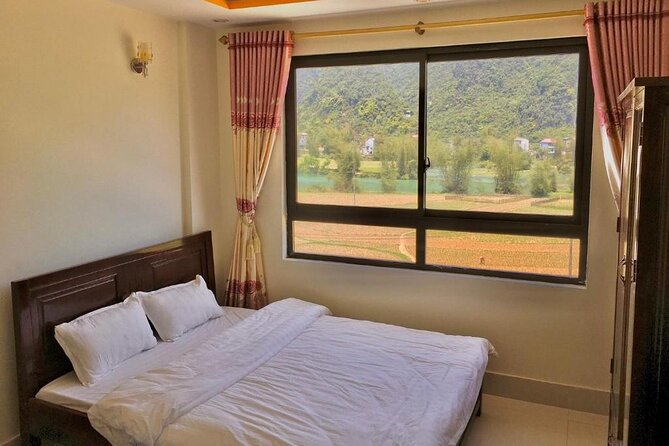
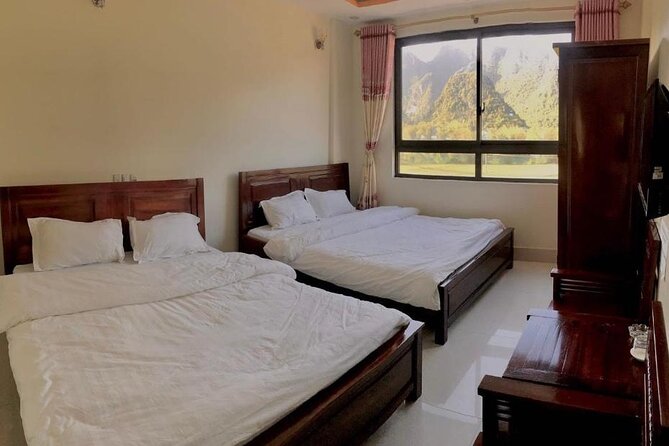
Let me calibrate expectations here: this is not a luxury resort. It’s a solid base for rest before a big Day 2. Reviews mention that hotel comfort can be basic—think simple rooms, sometimes basic cleanliness, and cold dining spaces. The good news is you’re there for sleep, not a spa day.
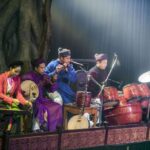


Village stops and caves: how the region’s variety shows up
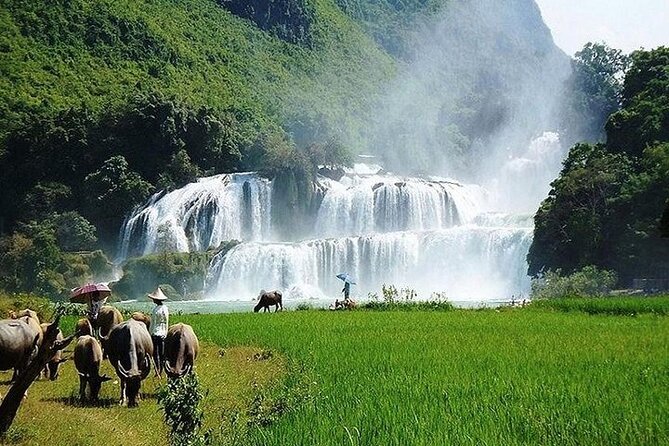
The tour is built around variety: you visit cultural stops (villages) and natural stops (caves, rivers, scenic viewpoints). That mix is why this outing feels more like “northern Vietnam” than just “waterfall sightseeing.”
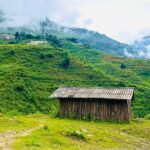
You’ll get visits to Tay, Hmong, and Dzao villages. You’ll also see the fishing village life in Coc Toc, plus limestone cave stops like Hua Ma Cave and Puong Grotto. And the program includes outdoor time for swimming, kayaking, and hiking.
A useful way to think about these stops: they create two different kinds of memories.
- The caves and river areas give you the dramatic, physical feeling of karst geography.
- The villages give you context for how people live here—tea plantations and mountains, local life, and a slower pace than the big cities.
If you want a tour that’s not only about stopping at three checkpoints, this structure helps. It also reduces the odds that you’ll feel like you paid only to stand near one waterfall for 20 minutes.
Day 2: Ban Gioc Pagoda, Detian Falls, and the “showtime” moment
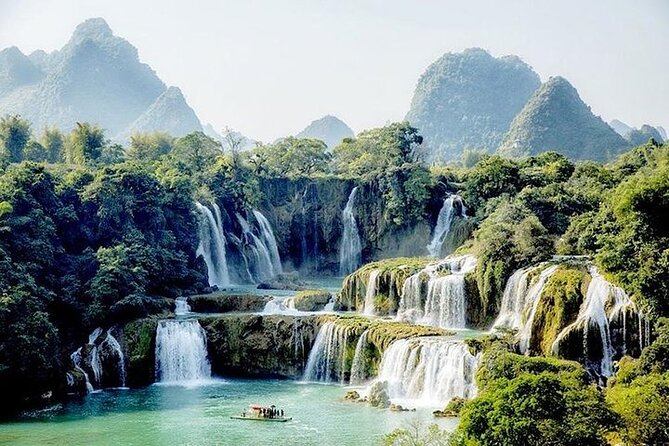
Day 2 starts with breakfast around 7:00 am and check-out, then pickup at about 8:00 am. The first big stop is Ban Gioc Pagoda, where you get views looking down toward the falls.
This viewpoint matters because it changes how you understand the waterfall. From high up, you can see how wide the falls spread and how the river carves through the karst area. It’s also where you can catch the mood of the border region—mist, sun breaks, and the scale of the cascade.
Ban Gioc Waterfall and Detian Falls
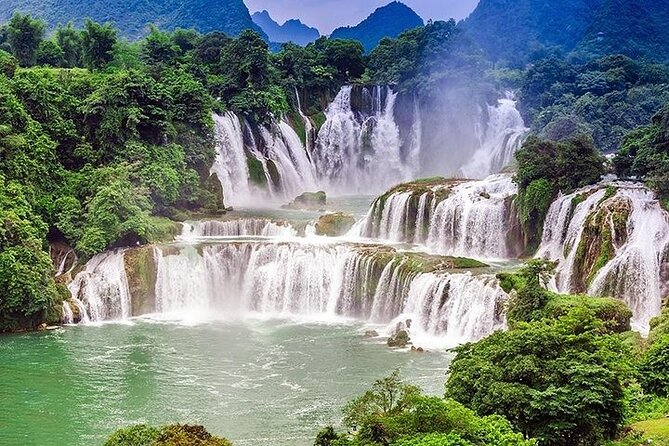
From there you move into the core Ban Gioc Waterfall – Detian Falls experience area. This is the big moment, the one you came for: a transnational waterfall system where Vietnam’s Ban Gioc and China’s Detian Falls meet in the same natural feature.
One big reality check: waterfall intensity can vary. There’s a power station behind the falls (on the China side), and when the water flow is reduced, the waterfall can look more like a drizzle than a roar. This is where a smart guide makes a difference.
In practical terms, ask your guide to time the best viewing. A well-managed group often waits for the water release so you get more than a sad trickle. Even if it’s not a thunderstorm, you’ll still get the shape and the atmosphere, but the intensity is a major part of the magic.
Boat, kayak, and swim time: what’s likely included and what to plan for
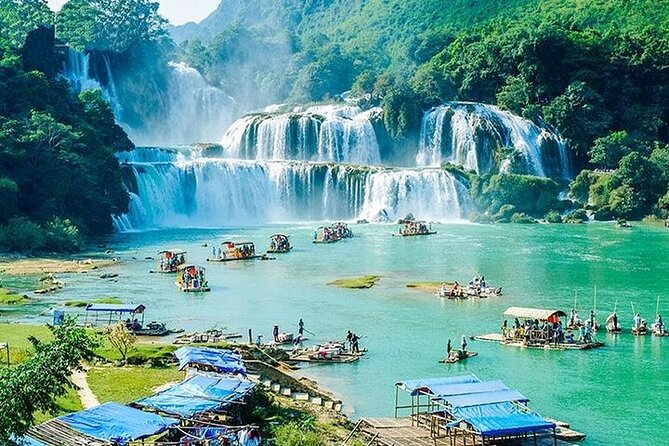
The program description says you’ll have access to boats and kayaks, plus time for swimming and hiking. That’s a good sign if you want active sightseeing.
At the same time, don’t assume every water activity is automatically included at zero cost. One review specifically notes that the boat ride at the falls may cost extra (they mention 50,000 VND and recommend carrying cash). That’s not detailed in the basic inclusions list, so I’d treat it like this:
- Expect some water time as part of the day’s flow.
- Carry a small amount of cash for any optional boat ride or add-on.
- Wear shoes that can handle damp surfaces if you’ll be near the water.
If you like being on the river rather than only looking at the falls from land, this is where the tour pays off.
Photos without panic: guide style and small-group flow
A big reason Ban Gioc works as a 2-day tour is that it’s hard to run this area solo. Distances are long, stops are spread out, and you’re coordinating timing across caves, pagoda views, and the waterfall viewing itself.
Your guide is your time manager. In this tour format, English-Vietnamese guides handle explanations, timing, and movement between stops. You might also notice that some guides are very focused on taking photos for the group, not just “move along, next stop.”
Group size is capped at 30 travelers, which matters because the waterfall and caves can get busy if you’re unlucky. The best versions of this tour keep you from feeling like a cattle line, even if you aren’t completely alone at every stop.
Food and hotel: what “included” really feels like
Food is a major part of why this tour feels good value. Your package includes:
- Breakfast
- Dinner
- Two lunches
- 1 bottle of water per person per day
- And all entrance fees
That means you aren’t constantly negotiating meals after a long ride. And the food is typically local and filling enough to keep you moving.
Still, keep expectations grounded. Remote regions often have fewer menu options, and some restaurants can feel cold compared to what you’d expect in Hanoi. If you’re going in cooler months, bring a warmer layer for dining.
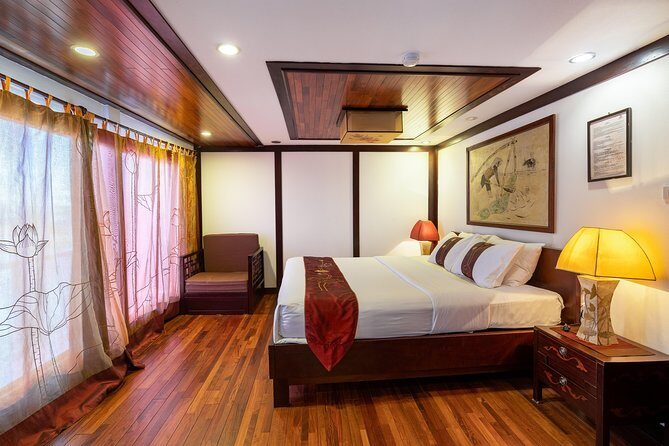
The hotel is listed as the best local 2-star option in the area. Reviews describe it as basic—acceptable for rest, but not a “comfort-first” stay. Bring earplugs if you’re sensitive to noise, and don’t pack your nicest pillow like you’re headed to a beach hotel.
Price and value: is $189 fair for Ban Gioc?
At $189 per person, this tour is priced around a long-distance guided package with real costs built in: transfers by modern bus/van, an English-Vietnamese guide, one night of lodging, most meals, and entrance fees.
If you tried to DIY this from Hanoi, you’d quickly hit the same problem: transport time, coordination, and the fact that you’re juggling multiple stops across a remote region. You’d either spend money on private transport or spend energy figuring out local schedules and entrances. That’s where a guided tour can save you both cash and brain cells.
Is it perfect value? Only you can decide. The biggest potential downside isn’t the price—it’s the willingness to trade comfort for distance. If you can handle long road time and a basic hotel, $189 starts to feel like a fair deal. If you’re hoping for a relaxing, minimal-drive weekend, this price won’t magically fix the drive.
Who this Ban Gioc 2D1N tour suits best
This tour fits best if you:
- Want a guided route through caves, villages, pagoda viewpoints, and waterfall areas.
- Are okay with a long drive in exchange for seeing Ban Gioc and the wider Cao Bang region.
- Like a bit of outdoor time, including kayaking/swimming/hiking if conditions allow.
- Prefer having meals and entrance fees handled.
It might feel like work if you:
- Are very sensitive to motion sickness.
- Want maximum comfort and very little time in a vehicle.
- Are expecting a high-end hotel experience.
Should you book this Ban Gioc 2 days 1 night from Hanoi?
I’d book it if your goal is to see Ban Gioc (and the Detian Falls area) in a way that includes more than one viewpoint. The mix of Tiger Cave (Nguom Ngao), pagoda views, village culture, and active river time gives you a fuller story than just a waterfall stop.
I’d skip or switch plans if you mainly want downtime, because the van time is a real part of the bargain. If you can plan for that—warm clothes, motion-sickness help, and a flexible mindset—this is one of the more rewarding ways to reach one of northern Vietnam’s most dramatic waterfall settings.
If you do book, pack cash for possible boat extras, and go in ready to appreciate the region, not just the falls.
FAQ
FAQ
Where does the tour start in Hanoi?
The tour starts at Hanoi Opera House (1 Tràng Tiền, Phan Chu Trinh, Hoàn Kiếm, Hà Nội), with pickup also offered from the Hanoi Old Quarter area. The stated start time is 6:30 am.
How long is the Ban Gioc Waterfall 2 days 1 night tour?
The tour runs for 2 days (approximately). It includes one night in a hotel in Cao Bang Province.
What’s included in the price?
The package includes breakfast, dinner, and lunches (2), a modern bus/van transfer, an English–Vietnamese speaking guide, one night in a 2-star local hotel, 1 bottle of water per person per day, and all entrance fees.
Will I have hotel pickup and drop-off?
Yes. The tour offers hotel pickup and drop-off in Hanoi, and it begins with pick-up from the Hanoi Old Quarter area around 6:00–6:30 am.
What activities can I expect during the trip?
You’ll visit caves and viewpoints and have time for swimming, kayaking, and hiking, plus visits to areas like Nguom Ngao (Tiger Cave) and Ban Gioc Pagoda.
What are the main stops on the itinerary?
Key stops include Nguom Ngao Cave (Tiger Cave) on Day 1, and on Day 2 you visit Ban Gioc Pagoda for a view above the falls, then the Ban Gioc Waterfall – Detian Falls area.
Is the hotel included for one night?
Yes. The tour includes 1 night in a local 2-star hotel in Cao Bang Province, near the Ban Gioc area.
Is there a vegetarian option?
Yes. A vegetarian option is available, and you should advise at the time of booking.
How large is the group?
The tour has a maximum size of 30 travelers.
What if the tour is canceled due to weather?
The experience requires good weather. If it’s canceled because of poor weather, you’ll be offered a different date or a full refund.