REVIEW · HANOI
20-Day Package Through Southeast Asia
Book on Viator →Operated by Viet Prestige Travel · Bookable on Viator
Three countries in 20 days, and it works. This route strings together the big-name highlights—Ha Long Bay, Angkor Wat, and Phuket beach days—without turning every day into a sprint for snacks. I like that most sightseeing has entrance fees already handled, and the pacing gives you real buffers in places like Hanoi and Phuket. One drawback: it’s still a busy circuit with multiple flights, so you’ll want a flexible attitude about timing and long travel days.
The human factor matters here, and the feedback backs it up. In particular, names like Loan Do, Quynh, and Hanh show up as key coordinators, with praise for communication, attention to details, and help if plans get complicated. That support is a real value-add when you’re moving across borders and time zones.
In This Review
- Key Highlights You’ll Actually Feel
- Hanoi In One Big Day: Lakes, Literature, and the Mausoleum Complex
- Day 3-4 Ha Long Bay Cruise: Tai Chi on the Deck and Sunset with Your Camera Out
- Da Nang and Hoi An: Bamboo Basket Boats and the Town That Still Feels Alive
- Ba Na Hills and Golden Bridge: The Cable Car Day You’ll Remember
- Siem Reap and Angkor Wat: The Temple Circuit Done in a Smart Order
- Flights and Bangkok: A Temples-Plus-River Day That Still Leaves Room to Breathe
- Floating Markets and Mae Klong: Canal Life Outside the Usual Grid
- Ayutthaya by Tuk-Tuk: Summer Palace Ruins and Temple Names You’ll Start Remembering
- Chiang Rai’s Blue and White Temples, Plus the Golden Triangle
- Chiang Mai Old City to Doi Suthep: Markets, Temples, and the 290-Step Climb
- Elephant Sanctuary Day: Kanta Elephant Sanctuary Through Pon Elephant Thailand
- Phuket Free Days: Use the Buffer Time for Real Beach Goals
- The $4,866 Value Question: What You’re Paying For and What You Still Need to Handle
- Who This Tour Fits Best
- Should You Book This 20-Day Vietnam, Cambodia, and Thailand Package?
- FAQ
- What does the tour price include?
- Are flights included?
- Do I need visas for Vietnam, Cambodia, and Thailand?
- Where does the tour start and end?
- How many days of breakfast and dinner are included?
- Can I cancel for a full refund?
Key Highlights You’ll Actually Feel
- Ha Long Bay + Lan Ha Bay on a cruise with onboard activities like a fruit carving demo, a Master Chef style competition, and squid fishing at night
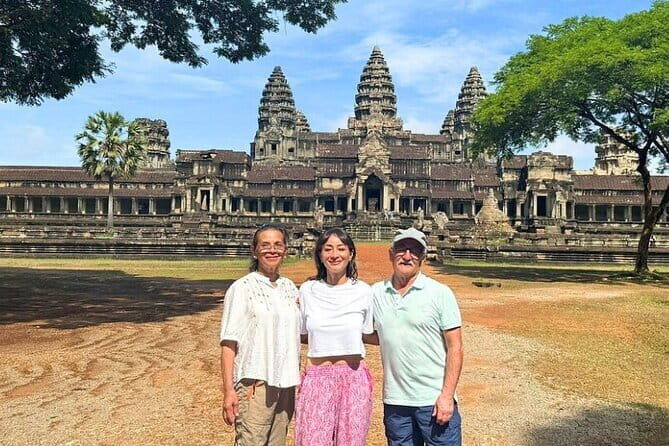
- Angkor Wat at its best times plus Angkor Thom, Banteay Samre, Banteay Srei, and a Bakheng sunset climb
- Hoi An beyond the postcard loop, including Cam Thanh bamboo basket boat experience and a walking tour with iconic bridge stops
- Bangkok’s temple circuit with river crossings, from the Grand Palace and Emerald Buddha to Wat Arun via ferry
- Northern Thailand variety, with Chiang Rai’s Blue and White Temples and Chiang Mai’s Old City + Doi Suthep steps
Hanoi In One Big Day: Lakes, Literature, and the Mausoleum Complex
Hanoi is the right place to start if you want your trip to feel grounded fast. You’ll get a full day that mixes old-city walking, major cultural sites, and the kind of lake scenery locals actually use to reset.
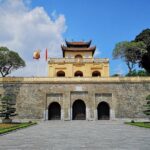
You begin around Hoan Kiem Lake and Ngoc Son Temple area, the classic heart of the city where you can still feel Hanoi’s rhythm instead of just seeing monuments from a bus window. From there, you move to the Temple of Literature (Vietnam’s first national university, founded in 1070). The gardens and courtyards there make the visit feel calmer than the streets outside.
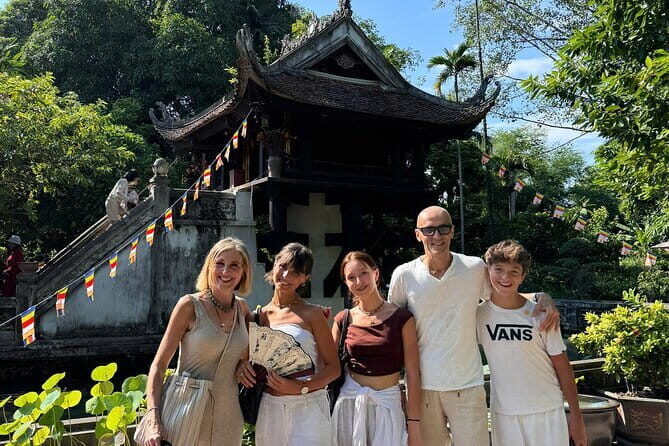
Next comes a smart pivot: the Vietnam Museum of Ethnology. It’s a great way to broaden your understanding of Vietnam beyond the capital, especially with the focus on artifacts tied to the country’s ethnic communities. Then the itinerary shifts into 20th-century weight with the Ho Chi Minh Mausoleum complex and the One Pillar Pagoda. Plan for a respectful, slower pace here.
You finish with West Lake and Truc Bach area, then Tran Quoc Pagoda, one of the oldest Buddhist structures in Vietnam. Ending the day with a water puppet show and a cyclo ride through the Old Quarter helps you connect what you saw (heritage, belief, daily life) with what you’re hearing and watching in real time.
Possible consideration: this is a lot of stops in one day. If you’re easily tired by walking, you’ll want comfy shoes and a little patience for transfers between sights.
You can also read our reviews of more tours and experiences in Hanoi.

Day 3-4 Ha Long Bay Cruise: Tai Chi on the Deck and Sunset with Your Camera Out
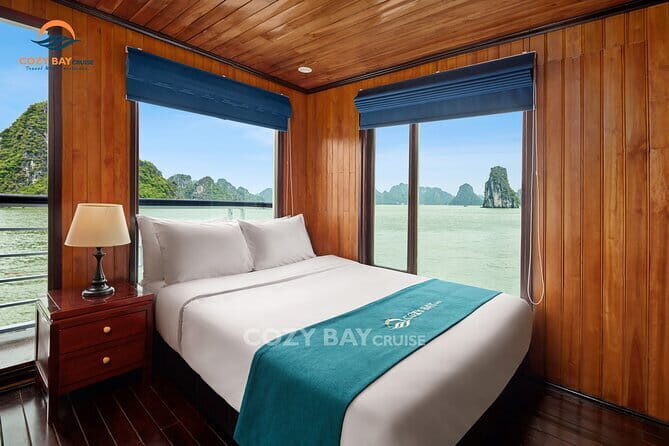
Ha Long Bay is the kind of place where the views do most of the talking. What you’re getting here is a cruise experience built around more than just a scenic ride: there are onboard activities, meals, and a night anchored in the bay area.
After pickup and shuttle to the cruise (shared shuttle), you board and get a welcome drink. Lunch is served as the boat moves through Ha Long Bay and Lan Ha Bay. Lan Ha Bay is a nice contrast in tone—less about constant crowd energy and more about the water-and-rock stillness that makes this region famous.
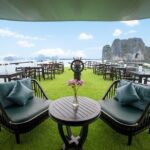
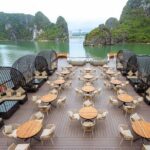
In the afternoon, you join included excursions from the cruise. Later, the cruise shifts into fun mode: there’s a Master Chef style competition and a fruit carving demonstration. You also get time on the sun deck to watch the sunset as the boat anchors for the night.
Dinner is set-menu onboard, and the cruise manager walks you through tomorrow’s plan. If you want something active, there’s the option to join squid fishing after dinner. You’ll also have time to settle in, which is important because you don’t want the “vacation feeling” to disappear just because your schedule is packed.
The next morning adds a mellow start: Tai Chi on the sun deck with tea and coffee. Then there’s a light breakfast onboard, and you return to port and back to Hanoi.
What to watch for: because so much of this portion depends on weather, your best photos and smoothest experience depend on conditions. If conditions are rough, it’s possible the plan could change, since the itinerary expects good weather.
Da Nang and Hoi An: Bamboo Basket Boats and the Town That Still Feels Alive
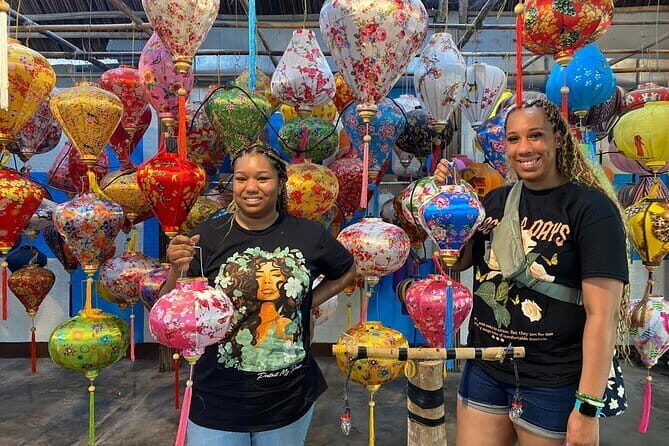
After the Ha Long Bay return, the trip sends you into central Vietnam quickly. You’ll fly to Da Nang, then check into the Hoi An area (with time to settle before the next day’s main activities).
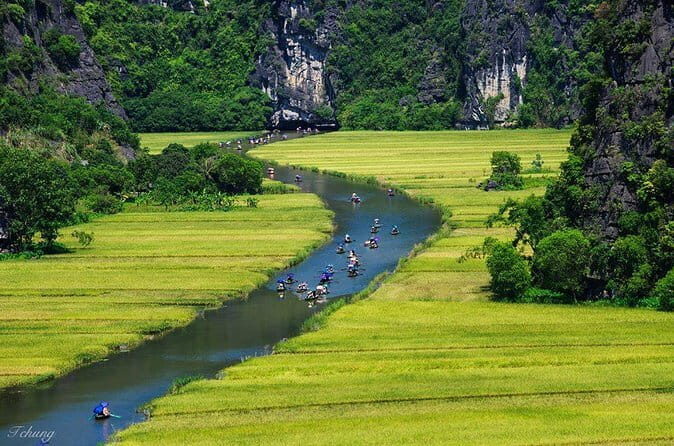
Cam Thanh is where the experience gets hands-on. You go to the fishing village and get on a traditional bamboo basket boat. This is one of those tours where you’re not just looking at local life—you’re participating in the paddling and fishing experience. It’s a nice break from temple-heavy days.
Hoi An then brings you back to culture and architecture. You walk through town with a stop at the Japanese Bridge, originally built in 1590 by Japanese merchants. It’s one of those landmarks that makes you understand how trade shaped this port city. You also visit a mix of heritage buildings with Japanese and Chinese influences, including the Phung Hung House and the Phuc Kien Assembly Hall.
As you explore, you’ll have time to roam galleries and tailor shops. If you like souvenirs that aren’t mass-produced, Hoi An is a good place to do it. Even if you don’t buy anything, the small streets and shopfronts are part of the experience.
Possible drawback: at least one traveler noted dissatisfaction with a specific Hoi An hotel recommendation. If hotel quality is a top priority for you, I’d ask the provider which property you’ll get for your dates and check recent photos before you lock it in.
Ba Na Hills and Golden Bridge: The Cable Car Day You’ll Remember
Ba Na Hills is a contrast day: modern cable cars, big viewpoints, and a very famous structure. After breakfast, you transfer with your guide and you ride the cable car up for panoramic views.
The Golden Bridge is the main event. Along the way, you also get historic French villas, plus sights around the suspension bridge and mountain areas, including Nui Chua and a peak around 1,487 meters. Then you finish with Linh Ung Pagoda at Vong Nguyet Village, plus a stop at the wine cellar and the Sakyamuni Buddha monument.
This day is designed for people who want one “wow” structure plus lots of scenery. It can also be busy, because it’s a popular attraction. Your best strategy is simple: plan to move early, keep water handy, and treat it like a sightseeing theme park with temples and views, not like a quiet countryside hike.
Tip for comfort: wear layers. High elevations can feel different from the coast, even on the same day.
Siem Reap and Angkor Wat: The Temple Circuit Done in a Smart Order
Angkor is huge, and the biggest risk is wasting your time in the wrong order. This itinerary helps by stacking the classic temple hits across two intense days, then adding lesser-known but visually stunning stops.
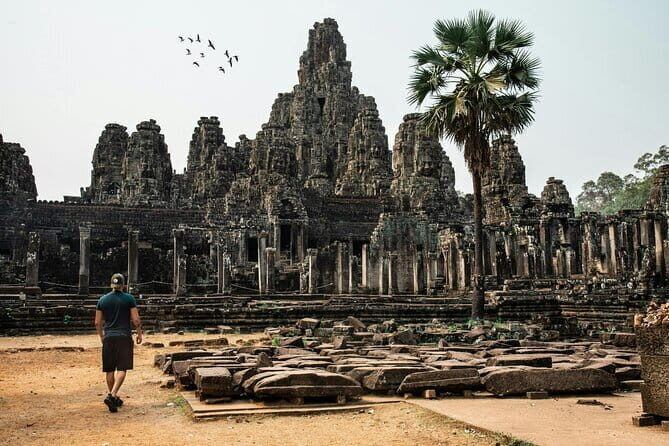
On your first Angkor day, you start with Angkor Thom. That includes the South Gate, Bayon Temple with its distinctive faces, plus areas like the Royal Enclosure and Elephant Terrace. You also visit the Leper King Terrace area. This segment gives you the grand, stone-city feel that makes Angkor so memorable.
In the afternoon, you hit Angkor Wat. It’s the headline—an 81-hectare masterpiece with five towers, built in the 12th century. Visiting after you’ve warmed up with Angkor Thom tends to make Angkor Wat hit harder, because your brain has already wrapped itself around the layout and symbolism.
Then you go for sunset at Phnom Bakheng. Climbing for golden hour is worth it for the photo angles and the moment. After that, the day ends with dinner at a local restaurant and traditional Khmer dance performance.
The next day turns up the detail focus. You visit Banteay Samre for calmer temple views and photos, then Banteay Srei, known for pink sandstone and elaborate carvings. It’s often described as one of the more delicate-feeling temple experiences in the region.
You also stop at Preah Dak Village to observe daily life and see how locals earn a living through handcrafted products. Then it’s out to Tonle Sap Lake.
Tonle Sap is where Cambodia becomes less about ruins and more about living communities. You take a boat trip to Kampong Phluk, a floating village where schools and houses adjust to seasonal water changes.
Possible consideration: Angkor is physical. You’ll likely walk uneven ground and climb stairs. If your group has mobility needs, it’s worth asking ahead how the tour supports them. One experience included support for a legally blind traveler, and the help from guides and drivers was specifically praised.


Flights and Bangkok: A Temples-Plus-River Day That Still Leaves Room to Breathe

Once you fly from Siem Reap to Bangkok, the itinerary pivots to modern city scale. Day 10 is classic Bangkok in a tidy package.
You start at the Grand Palace, including royal halls and government offices, then the Temple of the Emerald Buddha at Wat Phra Kaew. You’ll also have stops that spread the religious styles across multiple complexes, instead of cramming only one temple and calling it a day.
Then you cross the Chao Phraya River on a local ferry for Wat Arun, the Temple of Dawn. After that, you return for Wat Pho, home to the Reclining Buddha. The day ends with Wat Traimit, also known for the golden Buddha image.
What I like about this approach is that it doesn’t treat Bangkok as just photo stops. Between the palace area, river crossing, reclining Buddha, and gold shrine, you get a sense of how Thai religious life appears in different forms.
Possible consideration: dress code rules in these temples are real. Keep shoulders and knees covered, and plan for heat and queue time during peak hours.
Floating Markets and Mae Klong: Canal Life Outside the Usual Grid

Day 11 is a side of Bangkok that feels more local. You head southwest into a canal-and-orchard region for a private excursion.
Damnoen Saduak Floating Market is the big name here, where vendors operate along waterways and boats. It’s also the kind of market that can feel touristy if you expect silence. The best move is to treat it as a window into a working water economy and keep your attention on how people sell, bargain, and move.
Then you go to Mae Klong Railway Market, also known as Hoop Rom Market. The defining feature is the railway setting and the way vendors manage the space. You’ll watch sellers use long bamboo poles to exchange money and goods from their small boats, with wooden houses lining the canals nearby.
This day is one of the best “pause from monuments” resets in the trip. You’re using senses beyond sight: sound, movement, and the pace of market life.
Ayutthaya by Tuk-Tuk: Summer Palace Ruins and Temple Names You’ll Start Remembering
Ayutthaya is one of those places where you can feel the empire scale even though the city is in ruins. Your day includes Bang Pa-In Summer Palace, originally built in the 17th century by King Prasat Thong and left behind after the Burmese invasion in 1767.
Then you move to Ayutthaya Historical Park and explore by tuk-tuk. The itinerary lists major temple stops like Wat Phra Sri Sanphet and Wat Phra Mahathat, plus others including Wat Mongkhon Bophit and Wat Ratchaburana. The point of the tuk-tuk is practical: you cover more ground without spending the whole day walking.
If you’ve enjoyed Vietnam’s temple layout and Cambodia’s carved stone, Ayutthaya gives you an in-between feel—less about a single icon and more about a spread of historic sites.
Chiang Rai’s Blue and White Temples, Plus the Golden Triangle
After Bangkok, the trip moves north via a flight to Chiang Rai. Day 13 includes a visit to the Karen Long Neck Village. It’s included as part of the cultural circuit, and you’ll get background on how the women are known for their long-neck traditions.
Then you continue to the Golden Triangle where Thailand, Myanmar, and Laos meet, marked by the Mekong River. The region is known for historical significance as a former opium trade hub, and that context is part of what you’ll be shown.
Day 14 keeps the color and contrast going. You start with a local market walk, then visit Wat Rong Suea Ten, the Blue Temple, known for its sapphire hue. Next is Wat Rong Khun, the White Temple, designed by artist Chalermchai Kositpipat. Even though it’s modern, the pure white design and distinctive style make it one of the most talked-about temple stops in Thailand.
Then you transfer to Chiang Mai for check-in and downtime.
Possible consideration: these northern temple days can feel long. Wear good walking shoes and plan for sun exposure. You don’t want to spend your favorite photos thinking about blisters.
Chiang Mai Old City to Doi Suthep: Markets, Temples, and the 290-Step Climb
Chiang Mai is where the trip gets more human-scale again. On Day 15, you do a walking tour in the Old City, with stops near the city wall, moat, and a historic city gate. That layout helps you understand how the city grew and how its temples connect to daily life.
You also visit Wat Phra Singh, then head up to Wat Phra That Doi Suthep, one of the most famous pagodas in the region. You reach it by ascending a 290-step staircase flanked by giant naga serpents. From the courtyard, you’ll get wide views over Chiang Mai.
Later you visit Warorot Grand Market (Kad Luang), and the itinerary also includes a cyclo ride through surrounding areas. That combination is excellent: market chaos in one block, then a calmer ride that helps you breathe between temples.
Elephant Sanctuary Day: Kanta Elephant Sanctuary Through Pon Elephant Thailand
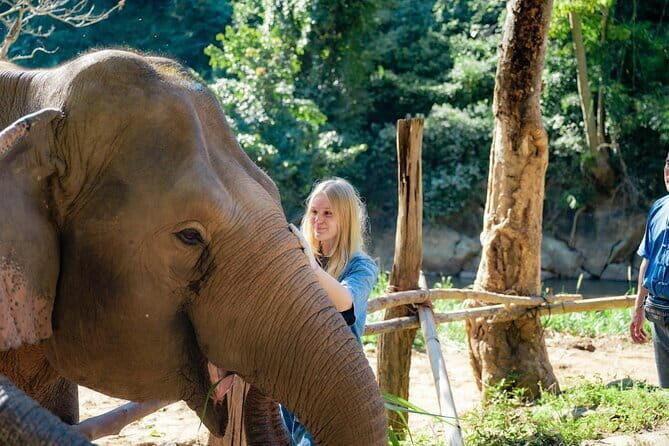
Day 16 is your animal experience, but it’s framed as sanctuary-style interaction rather than a thrill ride. You depart at 8:30 AM for Kanta Elephant Sanctuary as part of Pon Elephant Thailand.
The included activities are meeting, feeding, and interacting with elephants in their natural habitat. After lunch, you learn about elephant care and wellbeing, then prepare their food and take part in additional care-related activities (the itinerary text cuts off mid-sentence, but the focus is clearly on care and feeding routines).
This day is meaningful because it’s built around learning and responsibility. It’s also a good reminder that elephants aren’t props. If you care about animal welfare, ask your guide how the sanctuary runs daily routines and what rules visitors follow.
Possible consideration: the morning start can be early. Bring sunscreen and expect walking on uneven ground around sanctuary areas.
Phuket Free Days: Use the Buffer Time for Real Beach Goals
By Day 17, you fly to Phuket and check into the Beyond Kata area. Then you get three free days plus a departure day on Day 20. That free time is not filler; it’s your chance to recover from the intense touring days and choose your own rhythm.
You can explore Phuket at your own pace or simply relax on the beaches. The itinerary keeps it flexible by design, which is what you want after Vietnam, Cambodia, and northern Thailand.
How to use the free days well: pick one beach you can reach easily, plan one “sunrise or sunset” outing, and keep one day mostly unplanned. After this kind of itinerary, doing too much often backfires.
The $4,866 Value Question: What You’re Paying For and What You Still Need to Handle
At $4,866 per person for about 20 days across Vietnam, Cambodia, and Thailand, the price feels more like a managed logistics package than a low-cost backpacker plan. You are paying for things that can get expensive or annoying to organize yourself: air-conditioned transport, private transportation, and entrance fees and permissions for the listed sightseeing.
The included meals are also meaningful. Breakfast is included on 19 mornings, and lunches are included as a category. Dinner is included twice, matching the cruise onboard dinner and the Khmer dance dinner stop after Angkor-related activities. You also get mineral water twice per day, which sounds small until you’re walking temple steps in heat.
What’s not included is equally important. International and domestic flights, visa fees for Vietnam, Cambodia, and Thailand, travel insurance, tips, and unspecified meals are on you. And one itinerary hiccup people ran into was visa-related confusion for Vietnam, so don’t treat visas like a last-minute task.
Verdated value check: if you hate arranging transfers, tickets, and museum entry timings, this kind of full-service route can feel worth it. If you love independent travel and you’re already comfortable building your own transport between cities and borders, you might be paying for convenience.
Who This Tour Fits Best
This is a strong fit if you:
- Want a high-hit list across three countries without decision fatigue
- Prefer having entrance fees handled and not guessing about meeting points
- Like guided history and culture, but also appreciate nature time on the Ha Long Bay cruise and water-channel days in Thailand
It’s less ideal if you:
- Want lots of unstructured time in each city
- Get stressed by frequent transfers and flights
- Have very specific hotel expectations in smaller stops, like Hoi An (worth confirming before you go)
Should You Book This 20-Day Vietnam, Cambodia, and Thailand Package?
If your dream trip includes Ha Long Bay, Angkor Wat, Bangkok’s major temples, and Phuket beach time all in one run, this itinerary makes a persuasive case. The best part is that the highlights aren’t just listed; they’re built into real experiences—cruise activities onboard, sunset timing at Bakheng, and floating-lake boating beyond Angkor.
Before you book, do three practical things:
1) Confirm your visa plan for Vietnam, Cambodia, and Thailand early.
2) Ask which hotel you’ll use in Hoi An since quality was questioned.
3) Pack for heat and walking, because temple days stack up fast.
If you do those, you’re set up for a trip that feels like a guided tour of history, scenery, and everyday life across three very different countries.
FAQ
What does the tour price include?
The package includes lunch, air-conditioned vehicle and private transportation, entrance fees and permissions for the listed sightseeing, mineral water (2 bottles per day), personalized service, breakfast for 19 days, and dinner for 2 days.
Are flights included?
No. International and domestic flight tickets are not included.
Do I need visas for Vietnam, Cambodia, and Thailand?
Visa fees for Vietnam, Cambodia, and Thailand are not included, so you’ll need to handle visas separately.
Where does the tour start and end?
It starts at Rex Hanoi Hotel in Hanoi and ends at Beyond Kata in Phuket.
How many days of breakfast and dinner are included?
Breakfast is included for 19 mornings, and dinner is included twice.
Can I cancel for a full refund?
Yes, you can cancel up to 24 hours in advance for a full refund. If you cancel less than 24 hours before the start time, the amount paid is not refunded.