REVIEW · HANOI
2 Weeks Vietnam and Cambodia – Super Saving – Amazing Experience
Book on Viator →Operated by Vietnam Tour 247 · Bookable on Viator
Two countries in one smooth plan. This 16-day route strings together Hanoi, Halong Bay, Sapa, Hoi An, Ho Chi Minh City, the Mekong Delta, Phnom Penh, and Angkor Wat with timing that helps you avoid the usual start-and-stop chaos. I especially like that the airport pickups and internal flights in Vietnam are handled, so you spend less time figuring out logistics and more time going from one wow moment to the next.
You also get a real mix of group and private pacing. I like the balance of group tour structure in Vietnam (up to 20 people) paired with private touring in Cambodia, which often feels easier for questions and slower sightseeing at the big-ticket sites.
The main tradeoff is the pace. You’ll have early starts, transfers, and at least one long coach day across the border, plus 3-star hotels—fine for most people, but not the best fit if you want a slow, lazy trip.
In This Review
- Key things that make this tour work
- Why this $1,650 price can feel like a value
- Days 1–3: Hanoi first steps and Halong Bay with real morning energy
- Sapa: Cat Cat Village and a trek through terraced rice country
- Hoi An and My Son: ancient town time plus a Thu Bon river break
- Ho Chi Minh City and the Mekong Delta: market time and boat-country pacing
- Phnom Penh: the sobering museums, then Siem Reap’s reset
- Angkor Wat and the Angkor Thom circuit: a full day with the big hits
- Guides, groups, and the small logistics that matter
- Who this tour is best for
- Should you book this Vietnam and Cambodia highlights tour?
- FAQ
- What is the duration of the tour?
- Where does the tour start and end?
- What is included in the price?
- Are international flights or visas included?
- Does the tour include hotel transfers and pickups?
- Is there a group limit?
- Can the tour provide vegetarian or vegan meals?
- How flexible is cancellation?
Key things that make this tour work
- Internal Vietnam flights included (with 20 kg checked + 7 kg carry-on) to cut down travel time between regions
- One night Halong Bay cruise plus early-morning cave and kayaking time
- Sapa trekking with ethnic villages like Lao Chai and Ta Van, plus Cat Cat Village
- Hoi An + My Son + Thu Bon River day with a boat stop and lunch included
- Cambodia history and Angkor handled with guided museum visits and a full Angkor Thom circuit
- Small group limit (max 20), which helps coordination stay organized
Why this $1,650 price can feel like a value

At $1,650 per person for 16 days, the best way to judge value is not the headline price—it’s what you’re not paying extra for.
This package includes 14 nights in 3-star accommodation plus 1 night on the Halong Bay cruise, most entrance fees, an experienced English-speaking guide, and a lot of transportation. On top of that, you get domestic flights in Vietnam, with luggage allowances spelled out, plus return private airport transfers. That combination matters because in Vietnam and Cambodia, travel time and logistics can quietly drain a budget.
You’re also getting a lot of meals handled in the plan. Breakfast is included every day of the trip (16 total), lunch is included for 8, and dinner is included as noted in the included list. If you prefer to plan less and eat more on your own, you still get free time in some cities, but you’re not constantly searching for food right when you’re tired.
One more practical point: the tour supports vegetarian and vegan options on request. That’s not just a checkbox; it reduces the usual stress of trying to eat well while also keeping up with a tight itinerary.
You can also read our reviews of more tours and experiences in Hanoi.


Days 1–3: Hanoi first steps and Halong Bay with real morning energy
Your trip starts at Noi Bai International Airport in Hanoi. You’ll be met with a signboard name and transferred by private driver to your lodging in the Old Quarter area. That’s a small detail that makes a big difference on day one—less wandering, more get your bearings fast.
Then you get a full first-day setup for Hanoi’s Old Quarter. Even though it’s not described as a long guided lecture, staying in the Old Quarter area is a smart base if you want walkable streets, easy meals, and the feeling that the city is right outside your door.
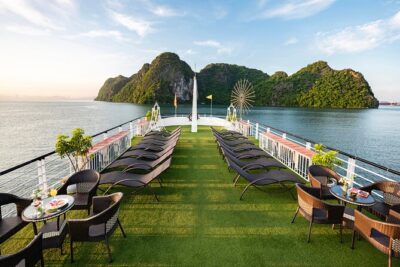
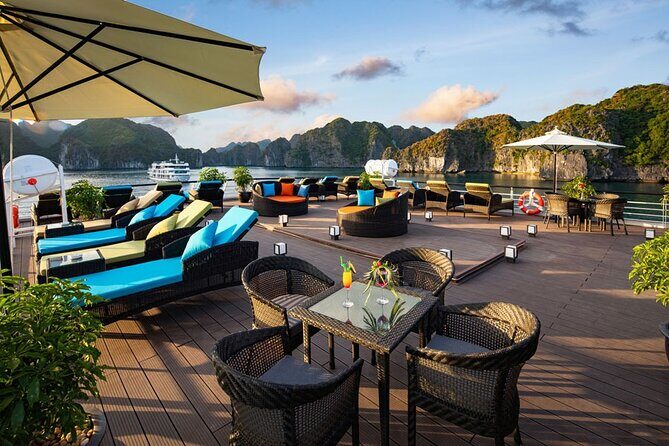
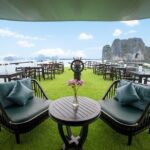
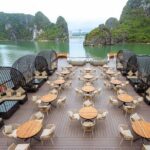
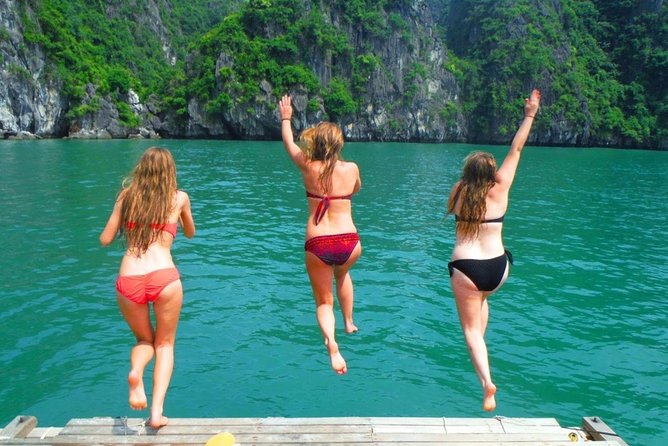
Day 2 and Day 3 are where the trip turns scenic. You leave Hanoi around 8:00 am and head to Halong Bay for a cruise night. Lunch is included onboard. This matters: Halong Bay day trips often feel like a blur of transfers and crowded viewpoints. Here, you get more time in the bay environment.
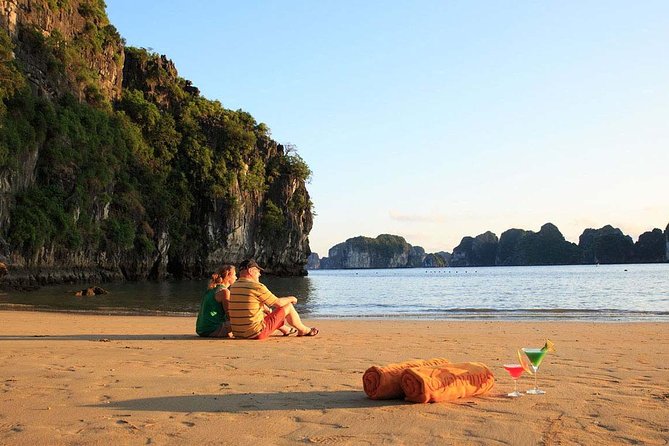
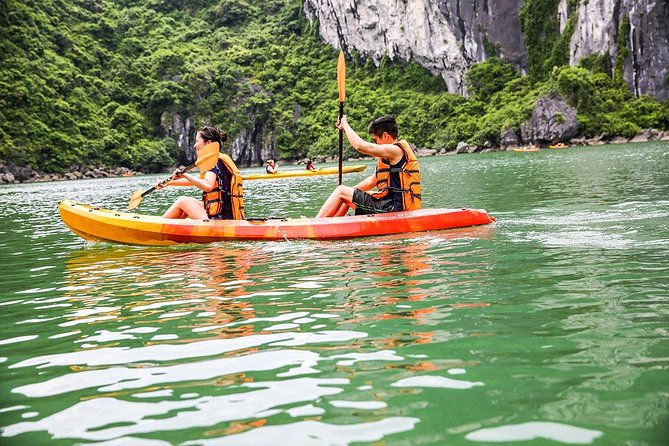
On Day 3, the schedule is built for calm and quiet. You’ll do Tai Chi early morning, then experience kayaking around Drum Cave, visiting places such as Ba Hang fishing village and Dog Islet. After that, you’ll visit Sung Sot Cave (a major “wow” stop). If you like mornings that feel half-wild and half-controlled, this part of the route is likely your favorite.
Possible consideration: cave and boating plans can be affected by conditions. The experience notes that it requires good weather (with a fallback offer of an alternative date or full refund in a bad-weather scenario). That’s normal in this region, but it’s good to know.
Sapa: Cat Cat Village and a trek through terraced rice country
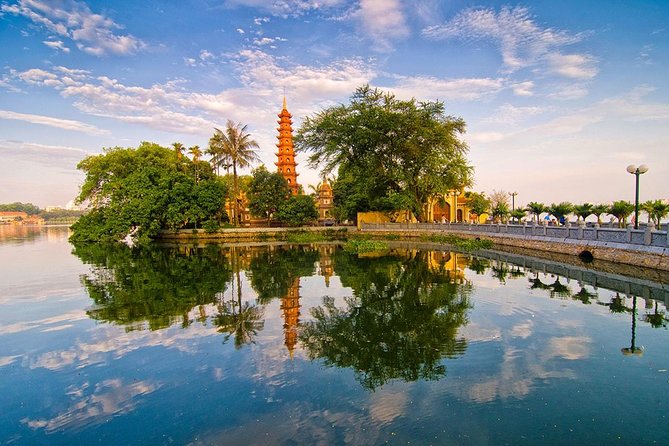
Sapa is the tour’s “slow down, look closer” chapter. You transfer from Hanoi to Sapa around 7:00 am, arrive in time for lunch, then visit Cat Cat Village in the afternoon.
Cat Cat is known for its traditional village setting and the simple joy of watching daily life happen around you. It also works as a gentle lead-in before the more active trekking day.
Day 5 is the bigger one. After breakfast, you start a 3.5-hour trek (about 7 km) connecting Lao Chai and Ta Van village. The focus is not just the trail; it’s the living pattern of local ethnic communities and the view of terraced rice fields.
Here’s what to think about if you’re choosing this tour: Sapa trekking is usually a moderate walk with uneven ground. Even if you’re not a hardcore hiker, the route is designed for regular travelers who can handle steady walking and a changing landscape.
If you want a trip that feels more like hiking with guidance than hiking alone, this plan fits well.
Hoi An and My Son: ancient town time plus a Thu Bon river break

After Sapa, you fly from Sapa/area to Da Nang and transfer to Hoi An by private car. A flight here is a smart move: it saves the kind of long overland travel that would otherwise steal your best sightseeing hours.
In Hoi An, you get a day described for leisure in the ancient town. That’s your chance to stroll at your own speed, browse shops, and time your meals when the light is nicest.
Then you get a focused half-day on My Son Sanctuary. The plan includes a morning pickup and a tour of the religious center associated with the Cham kingdom (late 4th century is referenced in the itinerary description). My Son is a different kind of temple experience than Angkor—smaller scale, more layered by the history of a different empire.
After My Son, you move to the Thu Bon River area for a boat trip. The schedule includes leaving from the Cau Lau boat station, a chance to see how locals live, and a lunch of My Quang traditional noodles.
Practical note: you have a free day in Hoi An (Day 8) after the My Son + river day (Day 7). That sequencing is good. You get a guided highlight first, then you’re not stuck rushing through the town before you’re ready.
Ho Chi Minh City and the Mekong Delta: market time and boat-country pacing
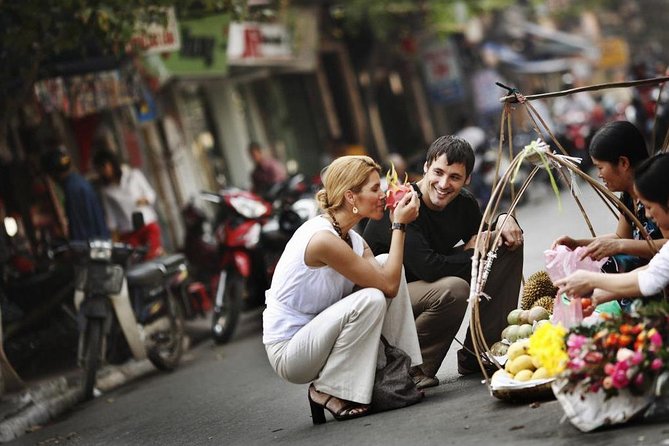
Day 9 starts with travel by plane from Da Nang to Ho Chi Minh City, then a transfer to your hotel in the city.
Day 11 gives you a classic urban break: Ben Thanh Market time for shopping and sightseeing. The plan also says you can join an optional Cu Chi tunnel and Ho Chi Minh city tour on request. Since it’s on request, it gives you flexibility—skip it if you want more “city wandering,” add it if you want deeper context.
Then comes Day 10: Mekong Delta (from My Tho). The timing starts early around 7:30–7:50 am. You’ll drive along a highway bordered by green rice fields, then arrive at My Tho for a day of river life experiences. The itinerary references visits and activities around My Tho, and the overall format is a mix of scenic transit plus local stops, capped with an end time that’s built for a full-day outing.
If you like seeing Vietnam not just from city sidewalks but from water and countryside rhythms, this is the chapter that turns your trip from “memories” into “feel.”


Phnom Penh: the sobering museums, then Siem Reap’s reset

Day 12 is a longer travel day. You leave at 8:00 am, take a 6-hour coach journey to Phnom Penh, stop at the border for the visa process, then continue on to the city. After arriving, you get check-in and free and easy time.
Day 13 is heavy in the best, most important way. You visit Tuol Sleng Prison Museum and the Killing Fields of ChoeungEk. These are not just tourist sights—they’re places that force you to slow down and absorb what happened. Lunch is included at a local restaurant.
For many people, this day is the emotional centerpiece of the Cambodia portion. The rest of the trip is about beauty and temples; this day is about history, survival, and remembrance.
On Day 14, you travel by coach about 6 hours to Siem Reap, check in, and get free time at your leisure. That timing is perfect. Angkor is next, and you want at least some decompression time before your temple days start.
Angkor Wat and the Angkor Thom circuit: a full day with the big hits
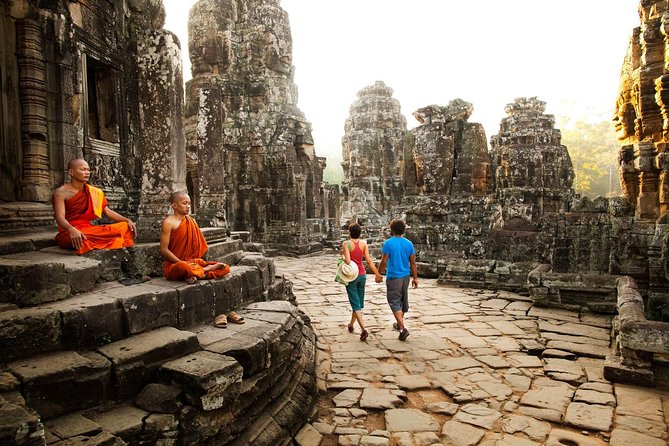
Day 15 is structured for a classic Angkor visit. After breakfast, you go to the Angkor Thom area, starting with the South Gate, then visiting Bayon Temple, Baphuon Temple, Phimean Akas Temple, and key terraces like the Elephants Terrace and Leper King Terrace. The itinerary also references the Royal Palace area and other parts of the circuit.
What makes this setup work for most people is that it doesn’t just do one temple and call it a day. You get a connected route where stone faces, courtyards, and carved details build on each other.
You also have entrance fees included for Angkor. That sounds obvious, but it’s worth saying: buying tickets and arranging logistics on the fly can eat hours, especially when you’re trying to match your energy to the heat and crowds.
Day 16 finishes with a transfer to Siem Reap International Airport. It’s a clean exit, and it helps you avoid the common last-day mess of squeezing one more activity and then rushing to the airport.
Guides, groups, and the small logistics that matter
This tour caps at 20 travelers, and the structure is split by country: group tour in Vietnam and private tour in Cambodia. That difference is more than marketing. Group touring tends to mean stronger schedules and coordination. Private touring tends to mean more flexibility for questions and pacing at the places that demand attention.
Also, you’re not going into this without human help. The plan includes an experienced English-speaking guide, and other languages are available for an additional cost if you request them.
One thing I really like from how the service is described: coordination. The tour is organized by David Nguy, and multiple guests highlighted that he personally helped explain the plan and keep things running smoothly. That “someone is watching the whole trip” feeling is what turns an itinerary into an experience.
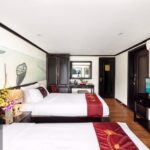
And yes, accommodation quality matters. This is 3-star lodging, which is a sensible middle ground for a trip that also includes flights and the Halong cruise. If you expect boutique luxury every night, you may feel slightly underwhelmed. If your priority is sights, comfort, and clean beds after busy days, it makes sense.
Who this tour is best for
This is a great fit if you want:
- Big highlights in 16 days without spending hours planning each leg
- A blend of city time and countryside/water time
- Guided access to major sites like Tuol Sleng, the Killing Fields, and Angkor Thom
- The convenience of domestic flights and transfers included
It may be less ideal if you want:
- A slower trip with lots of unstructured downtime
- Minimal early starts
- Ultra-high-end hotels every night
Should you book this Vietnam and Cambodia highlights tour?
I’d book it if you’re the type of traveler who hates logistical stress and wants the region’s top sights packaged into a plan that actually moves. The inclusion of Halong cruise (1 night), Vietnam domestic flights, and full Angkor Thom circuit is where the value really shows.
I’d pause before booking if you’re sensitive to a packed schedule. This itinerary has enough moving parts that it rewards travelers who are okay with early mornings and long transfer blocks.
If you want a trip that does the heavy lifting for you—so you can focus on the sights, the stories, and getting your money’s worth—this one is a strong candidate.
FAQ
What is the duration of the tour?
It runs for 16 days (about two weeks), moving from Hanoi through Vietnam and into Cambodia, ending in Siem Reap.
Where does the tour start and end?
It starts at Siem Reap International Airport in Cambodia and ends at Siem Reap International Airport as well.
What is included in the price?
The package includes domestic flights within Vietnam, 14 nights in 3-star accommodation plus 1 night on a Halong Bay cruise, entrance fees, an English-speaking guide, transportation as indicated, and several meals (including breakfast daily, plus lunch and dinner as listed).
Are international flights or visas included?
No. International flights and visas to Vietnam and Cambodia are not included.
Does the tour include hotel transfers and pickups?
Yes. The plan includes return private airport transfers and pickup arrangements such as meeting you with your name at the airport.
Is there a group limit?
Yes. The tour lists a maximum of 20 travelers.
Can the tour provide vegetarian or vegan meals?
Yes. Vegetarian and vegan food options are available on request.
How flexible is cancellation?
You can cancel for free up to 24 hours in advance of the experience start time for a full refund.
If you’d like, tell me your travel month and your comfort level for long transfer days, and I’ll suggest which parts of this itinerary to prioritize (and what to keep flexible) for your style of trip.