REVIEW · HANOI
Mai Chau &Pu Luong 3D2N: Local Culture, Farming,Rafting& Swimming
Book on Viator →Operated by Divi Travel · Bookable on Viator
A bumpy road to paradise this is not.
This Mai Chau and Pu Luong trip is a fast, satisfying sampler of Northern Vietnam, built around Thai village life and the kind of farming scenery you don’t see from a bus window. You get hands-on craft time, a bamboo rafting lunch, and daily visits that feel personal rather than rushed. I like how the schedule mixes active moments with real downtime.
Two things I really love: small groups (up to 12, and often fewer in practice) and the way the day-to-day flow is organized with smooth transfers between Mai Chau and Pu Luong. The best part is that you’re not just looking; you’re learning—especially around silk weaving and village routines.
One drawback to consider: a few outdoor moments depend on conditions, especially swimming in Cham Stream, so you’ll want to pack for sun and rain and keep expectations flexible.
In This Review
- Key highlights worth waking up for
- From Hanoi to Mai Chau: getting out of the city without feeling lost
- Mai Chau to Pu Luong: the evening transfer that changes your pace
- Lan Village and Thai household life: seeing silk become cloth
- Bamboo rafting and Cham Stream lunch: where the day turns fun
- Farming and village craftsmanship: the slow rhythm of Chieng Lau
- Bamboo Bridge and Chieng Ai Village cycling: a gentler way to travel locally
- Hieu Waterfall, waterwheels, and “how the countryside works”
- Meals, cooking class, and the comfort factor that matters
- Price and value: what $235 gets you in rural Northern Vietnam
- Who this tour fits best (and who might not love it)
- Should you book Mai Chau & Pu Luong 3D2N?
- FAQ
- How long is the Mai Chau & Pu Luong 3D2N tour?
- Where are pickup locations?
- How much does the tour cost?
- What meals are included?
- What activities are included on the trip?
- Is swimming included?
- How big is the group?
- Are entry fees included?
- What if my plans change before departure?
Key highlights worth waking up for
- Lan Village silk weaving, from cocoon to textile, with real instruction from artisans
- Bamboo rafting on Cham Stream, paired with a lunch break on the water
- Bamboo Bridge over the Ma River plus artisan work you can actually see up close
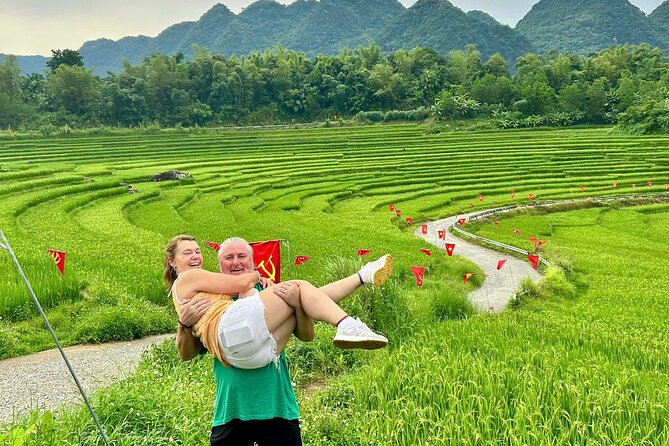
- Cycling through Chieng Ai Village, a gentler way to move through rice-field country
- Lodge time and a pool, so the trip doesn’t turn into nonstop walking and hopping
- Guides with clear, friendly explanations, including names like Nga, Vinh, and Ed Nguyen in the experience histories
From Hanoi to Mai Chau: getting out of the city without feeling lost
You start early, with pickup in Hanoi’s Old Quarter (and sometimes Ninh Binh as well), then settle into a drive of about 3.5 hours to Mai Chau. This matters more than it sounds. The rural parts of this trip work because you’re not scrambling to find transport once you arrive. You’re on a set route, with time to arrive, eat, and adjust before the evening switch to Pu Luong.
Mai Chau is widely known as a strong Thai cultural area in Vietnam, so the vibe changes quickly after the city. Instead of tall buildings and traffic noise, you’re moving into village settings where daily life revolves around food, farming, and craft.
If you’re the type who gets cranky when the first day is just transit, this itinerary still gives you a proper landing: you arrive in time for lunch, then you’re set up for the next leg in the evening.
You can also read our reviews of more tours and experiences in Hanoi.


Mai Chau to Pu Luong: the evening transfer that changes your pace
After lunch time in Mai Chau, the day flips toward Pu Luong. Expect a bus transfer around late afternoon (around 17:00) and arrival at Pu Luong Nature Reserve in the evening (around 18:30). By the time you check into your lodge, you’re in “slow down mode.”
This is a smart part of the plan. Pu Luong is not a place that begs for early-night regrets. Once you’ve spent the day on roads and group coordination, you’ll appreciate that dinner and relaxation are built in rather than squeezed in right after check-in.
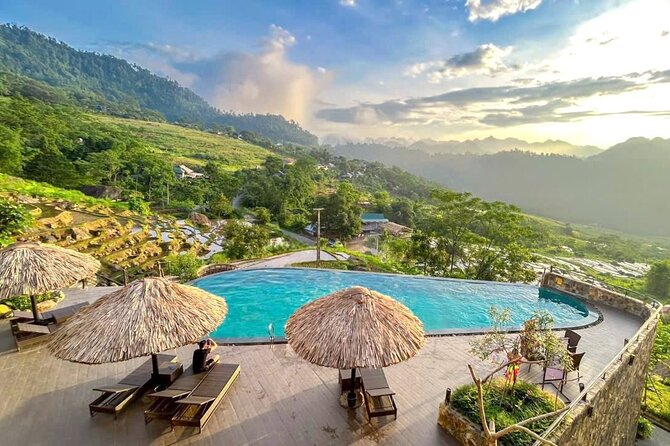
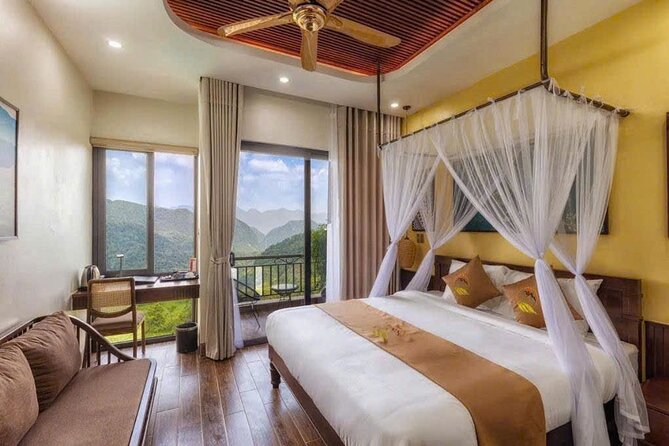
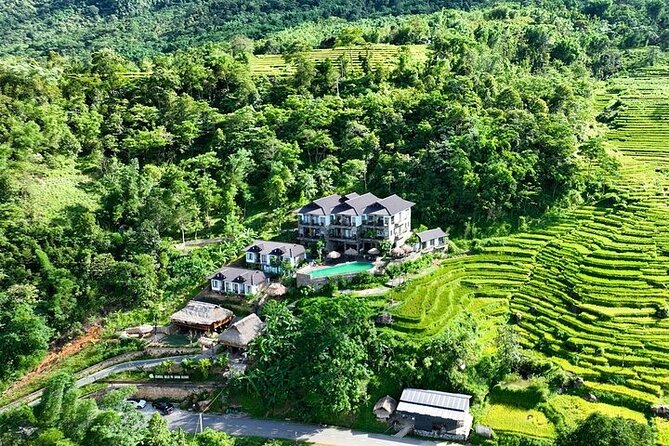
The lodge also gives you something many active tours forget: a place to reset. You’ll have time to enjoy the pool, which is genuinely useful after long days outdoors.
Lan Village and Thai household life: seeing silk become cloth
Day 2 starts with pickup from your lodge and a ride through rice fields and mountains to Lan Village. This is one of the core cultural stops, and it’s not just a photo opportunity. The focus is silk work—specifically the process from cocoon to textile.
In practice, that means you get a front-row view of how traditional weaving works and why it matters to the people making it. It’s also a chance to ask questions in a way you can’t do on your own. You’ll likely be shown a Thai household setup too, so you understand weaving as part of everyday life, not as a staged “show.”
What I like about this stop for your planning:
- You get learning time that’s hands-on, not lecture-only.
- You can pace yourself. If weaving details aren’t your thing, you can still enjoy the setting and people-watching.
One small consideration: silk and village visits usually mean some time spent standing, walking between spots, and listening. Wear comfortable shoes and don’t plan a “just show up and it’s over” approach.
Bamboo rafting and Cham Stream lunch: where the day turns fun

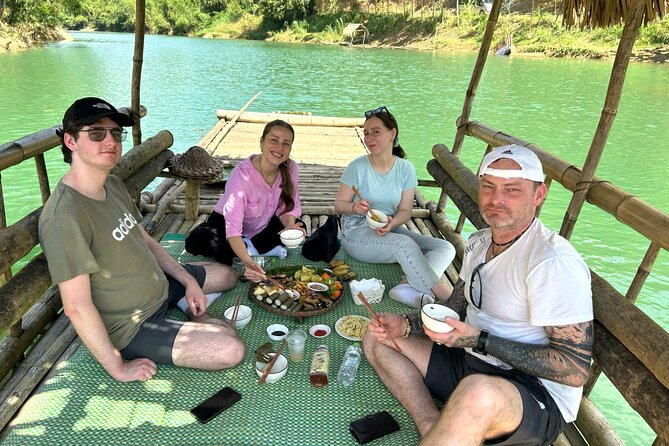
This tour leans into water-time in a big way with a bamboo rafting adventure on Cham Stream, plus lunch there. That combination is key. The meal stops the day from feeling like a long activity carousel and makes the experience feel more like a shared break.
Rafting on bamboo can be surprisingly smooth if conditions are right, but the bigger value is what comes with it: you’re out in a quieter corner of the region, surrounded by working countryside rather than tourism hubs. You’ll get views and movement without the intensity of something like big-day trekking.
Swimming is also on the agenda if weather allows. Since conditions are outside anyone’s control, pack like this part of the trip is optional. If the water looks inviting, great. If it’s not, you still have rafting and a streamside lunch to enjoy.
Farming and village craftsmanship: the slow rhythm of Chieng Lau
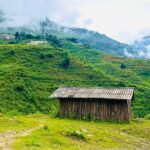
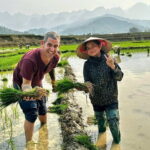
Another standout for me is the chance to observe farming and craftsmanship in rural settings, including a stop in Chieng Lau Village. You’re not just seeing “fields.” You’re learning how people organize their work and how skills get passed down across generations.
This is the kind of stop that rewards patience. When you slow down, you start to notice the small things: how a household manages its day, how tools and materials fit together, and how the local rhythm shapes what you see around you.
Why this is good value in a short tour: a 3-day experience can either feel like you zip through highlights or you get a few meaningful windows into daily life. This portion pushes you toward the second option.

Bamboo Bridge and Chieng Ai Village cycling: a gentler way to travel locally
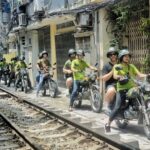
Day 3 begins with a trip to the Bamboo Bridge over the Ma River, built into the morning plan. From a practical standpoint, starting here gives you better light for photos and, more importantly, fewer crowds. From a scenery standpoint, it’s the kind of crossing that instantly signals: you’re in a lived-in place.
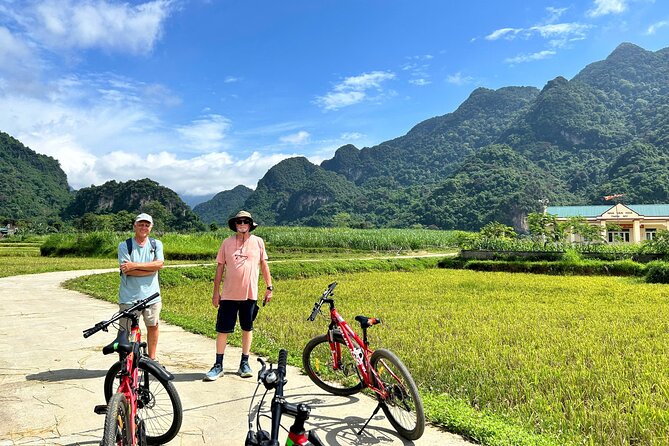
You’ll then cross and cycle through Chieng Ai Village. Cycling is a smart choice here. It’s active enough to feel like you’re moving through the landscape, but not so demanding that you burn out early. It also keeps the pace more intimate than a car, especially when you’re passing homes and fields.
This day also includes visiting local areas where artisans and village work are part of what’s happening, not just staged for you.
Hieu Waterfall, waterwheels, and “how the countryside works”

Depending on the day’s flow, you’ll also see traditional farming elements like waterwheels and an area tied to Hieu Waterfall, along with farms and village homes. These are the details that turn “pretty scenery” into “I understand what I’m looking at.”
Waterwheels in rural Vietnam aren’t just decorative. They connect to how communities manage water and agriculture. Seeing them in context helps you read the countryside instead of treating it like a postcard.
If you enjoy history but you don’t want museum lectures, this is the kind of learning that happens by looking at real infrastructure.
Meals, cooking class, and the comfort factor that matters
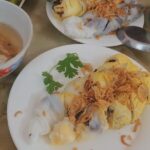
This trip is built around food in a real way, with three lunches and two dinners included. That’s not just a convenience. It affects your energy level. When you don’t have to hunt for meals between activities, you can stay present with the village stops.
You also get a cooking class as part of the experience. Cooking class formats can vary, but the idea is consistent: you’ll learn flavors and techniques tied to local life, and you’ll be able to take something home that’s more useful than another keychain.
One more thing I appreciate: there’s time for rest and a lodge base that’s comfortable. Even with busy days, you’re not always “on.” The pool breaks up the pace in a way that makes day three feel easier, not harder.
Price and value: what $235 gets you in rural Northern Vietnam
At $235 per person, this tour can feel like a “mid-range” option compared with DIY transport. But in this region, the value is less about the sticker price and more about what you get bundled:
- Transfers between Hanoi, Mai Chau, and Pu Luong
- Entry fees included
- A schedule packed with village visits, rafting, cycling, and craft time
- Meals included (lunches and dinners)
- Small group touring, capped at 12
Then there’s the added cost note: an 8% government tax is not included, so your total may come out around the mid-$250s range. Tips and personal expenses aren’t included, so keep a little cash in mind for that.
So who gets the best value? If you want the rural experience without the stress of coordinating drivers, finding food, and figuring out how to time village visits, this price makes sense. If you love total DIY freedom and you’re comfortable planning the whole route yourself, you may find cheaper options—but you’ll trade off ease and guided context.
Who this tour fits best (and who might not love it)
This is a strong match if you:
- want Thai cultural village time rather than only scenic viewpoints
- like learning practical craft details like silk weaving
- enjoy day activities that include a bit of walking and getting outside
- appreciate having meals planned for you
- want a mix of adventure and rest, including pool time
It may not be ideal if you:
- dislike group schedules
- need a lot of downtime in the middle of the day (most days are active blocks)
- are set on swimming no matter what (Cham Stream swimming depends on weather)
Should you book Mai Chau & Pu Luong 3D2N?
Yes, if you want a 3-day trip that actually teaches you something while still giving you fun moments like bamboo rafting and an easy cycling day. The mix of village life, craft work, and structured transfers is where the value really shows.
I’d book it especially if you like experiences led by guides who explain clearly; names you may see connected to the guiding team include Nga, Vinh, and Ed Nguyen, and the “it runs smoothly” feel is part of what people consistently praise.
One last practical point: pack for water and weather, even if you think you only need sun protection. Cham Stream swimming is weather-permitting, and rural Northern Vietnam can change moods fast.
FAQ
How long is the Mai Chau & Pu Luong 3D2N tour?
It runs for about 3 days.
Where are pickup locations?
Pickup is offered from your hotel in Hanoi’s Old Quarter or from Ninh Binh (based on the tour’s start arrangement).
How much does the tour cost?
The price is $235.00 per person, and an 8% government tax is not included.
What meals are included?
The tour includes 2 dinners and 3 lunches.
What activities are included on the trip?
You’ll get trekking through terraced rice paddies and villages, silk weaving experience at Lan Village, visits connected to bamboo bridges and waterwheels, bamboo rafting and lunch on Cham Stream, plus cycling through Chieng Ai Village. A cooking class and a buffalo cart ride are also listed as part of the experience.
Is swimming included?
Swimming at Cham Stream is included if weather permits.
How big is the group?
The tour has a maximum of 12 travelers, and some experiences describe smaller groups within that limit.
Are entry fees included?
Yes, entry fees are included.
What if my plans change before departure?
The tour offers free cancellation up to 24 hours in advance for a full refund.