REVIEW · HANOI
Limousine bus : Ha Noi to Sapa and Back
Book on Viator →Operated by mekong cruises tours · Bookable on Viator
Getting to Sapa can feel like a chore—this makes it easier. I like that you get air-conditioned comfort plus free Wi-Fi onboard, so the trip feels like a reset instead of a punishment. One standout for me is the small-group feel (max 9), which usually means less chaos than big transfers. A possible drawback: the ride is still a road trip, so if you’re sensitive to motion, plan for that.
The route also has a story to it. Along the way you pass O Quy Ho Pass and then roll through villages and waterfalls, so you’re not staring at one wall the whole time. Still, the schedule is built around getting you to Sapa (and back), so don’t expect long sightseeing stops.
In This Review
- Key Things to Know Before You Go
- Hanoi Opera House Pickup: Easy Start for the Sapa Run
- A $26 Air-Conditioned Ride That Saves Your Energy
- On the Highway to Sapa: O Quy Ho Pass and the Stops You Actually Care About
- A timing reality check (so you can plan your day)
- What Comfort Looks Like in Real Life (Not Just Marketing)
- The Return Trip: Same Meeting Point, Same Calm
- Who This Hanoi–Sapa Limousine Bus Fits Best
- What’s Not Included: Plan Around These Gaps
- Booking Smart: When to Reserve and Why It Matters
- Should You Book This Hanoi to Sapa Limousine Bus?
- FAQ
- How long is the Hanoi to Sapa limousine bus transfer?
- What is the pickup location in Hanoi?
- Does the tour include a return trip back to Hanoi?
- Is Wi-Fi included on board?
- Is water included during the ride?
- Is a pickup offered, or do I need to get there on my own?
- How many people are in the group?
- Do I need a passport to travel?
- What information is needed when booking?
- Do I need to tip?
Key Things to Know Before You Go
- Central pickup at Hanoi Opera House: easy start point in Hoan Kiem.
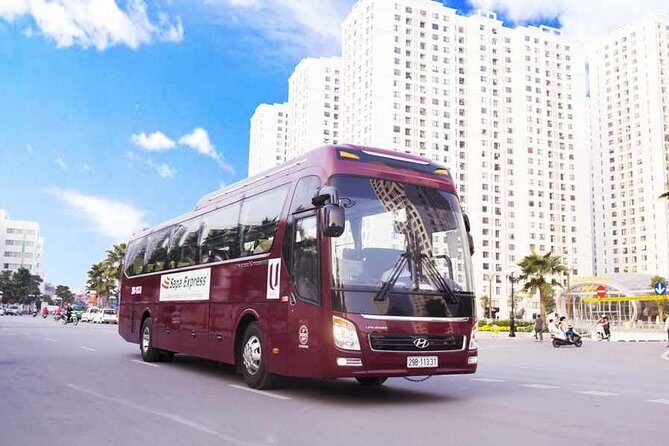
- Small group (up to 9): more personal than a giant bus.
- Included Wi-Fi, water, and wet wipes: small touches that matter on a long ride.
- O Quy Ho Pass on the route: famous high pass scenery without extra planning.
- Driver support: feedback highlights Mr. Nam as funny and informative.
Hanoi Opera House Pickup: Easy Start for the Sapa Run
Your day starts in a practical spot. The pickup point is Hanoi Opera House (1 Tràng Tiền, Hoàn Kiếm), which is central and reachable if you’re staying around the Old Quarter area. That matters because Sapa transfers often suffer from messy meeting points on the edge of town. Here, you can usually get going without crossing half of Hanoi first.
Another thing I appreciate is that you’re not guessing your ticket details. You’ll receive a mobile ticket, and confirmation comes at booking time. If you like having everything set before you travel, this style is for you. Also, the activity ends back at the same meeting point, which keeps the return day tidy.
One more planning detail: this transfer requires a valid passport on the day of travel, and your passport information (name, number, expiry, country) is needed at booking for all participants. That’s not just paperwork theater. It’s a real part of the process, so make sure your travel documents match exactly what you enter.
You can also read our reviews of more tours and experiences in Hanoi.



A $26 Air-Conditioned Ride That Saves Your Energy

Let’s talk value, because $26 sounds almost too low for a comfort-focused transfer—until you compare it to the stress math. This is priced per person at $26, and the trip takes about 5 hours each way (the duration is listed as approx. 5 hours). For many people, that timing is the sweet spot: you get daytime travel, and you don’t lose your energy to an overnight journey that dumps you somewhere at a weird hour.
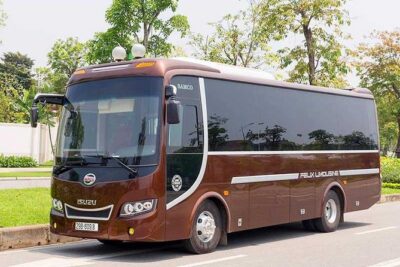
What you’re paying for is simple: getting from Hanoi to Sapa (and back) with less friction. The bus is a luxury, air-conditioned coach, and the essentials are handled for you:
- Free Wi-Fi onboard
- Water and refreshing wet wipes
- Friendly driver
- Pickup offered (not everyone has to navigate the meeting point alone)
The coach comfort matters if you’re heading straight into trekking or just want to feel human when you arrive. In the strongest feedback, the driver Mr. Nam stands out as both funny and informative, and that kind of in-ride guidance helps the whole day feel smoother—especially if you’re planning hikes soon after you land in Sapa.
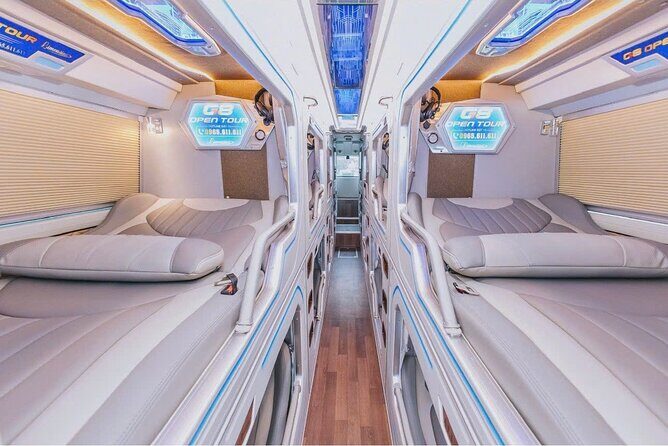
Also, the bus is described as super clean and comfortable. That’s not a small deal in Vietnam where road comfort can vary a lot between operators. If you want to maximize the time you have in Sapa, a clean, comfortable ride is how you start with energy instead of spending the first hours recovering.
On the Highway to Sapa: O Quy Ho Pass and the Stops You Actually Care About
This route isn’t just a transfer. It has built-in scenery moments—without turning your trip into a slow tour.
The key named highlight is O Quy Ho Pass, known for its dramatic views from the highway. On this trip, you’ll also pass villages and waterfalls along the way. That means you can look out, take a few photos, and enjoy the changing countryside without needing to plan any extra stops or ticketed viewpoints.
A practical note: the ride is in a coach on a highway route, so the views are mostly from the window. If you’re the type who wants to get out and wander at every viewpoint, this isn’t that style. But if you want a comfortable route with scenery cues, it hits the mark.
And that’s where the “once-in-a-lifetime” vibe comes from. You’re moving between Hanoi and Sapa, and the drive itself passes through a part of northern Vietnam that feels different from the flat city life. Even without long stops, the high pass and waterfall sightings give you that sense of place.
A timing reality check (so you can plan your day)
The trip is built to get you to Sapa at a reasonable time of day. The clearest value here is avoiding the classic problem of overnight transport that leaves you exhausted and stuck waiting for daylight. You can leave early morning and arrive after lunch, which is the kind of schedule that helps you transition into meals, rest, and whatever plans you’ve lined up next.
If you’re trekking, this matters. You want to start with a workable body and a clear head.
What Comfort Looks Like in Real Life (Not Just Marketing)
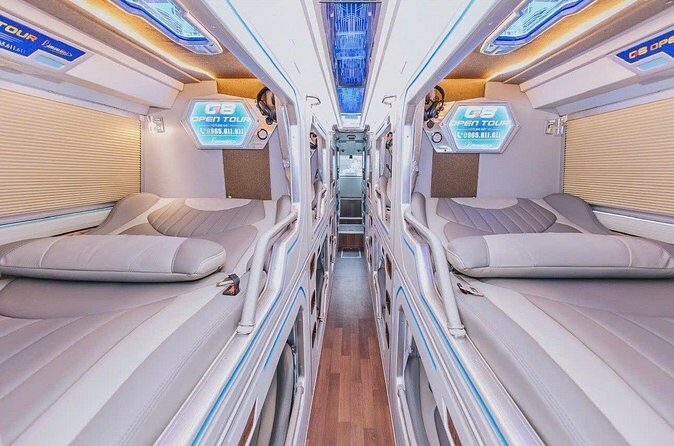
Sometimes “comfortable coach” is vague. Here, the included extras make it feel real.
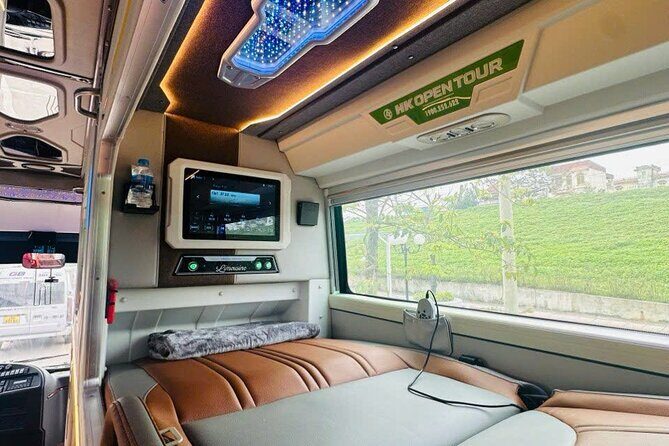
For starters, you get free Wi-Fi onboard. That means you can message family, plan your next stop, check maps, or just kill time without draining your phone battery faster than the day requires. You also get water and refreshing wet wipes, which sounds basic until you’re actually halfway into a long ride and want to feel clean again.
Another small comfort: the bus is described as super clean. Clean matters in Vietnam bus travel because it affects everything—how you feel, where you rest your bag, and whether you want to sit back and relax instead of constantly adjusting.
And the driver experience shows up in the feedback. The most praised point isn’t just driving skills; it’s the vibe. Mr. Nam is mentioned as funny and informative, and that’s the kind of service that turns a ride into something you don’t dread. Even if you don’t memorize every detail, hearing what to pay attention to along the route can make the scenery feel less random.
Also, with a maximum of 9 travelers, you’re less likely to feel lost in a crowd. That usually means faster boarding and less waiting around, even if your schedule is tight.



The Return Trip: Same Meeting Point, Same Calm
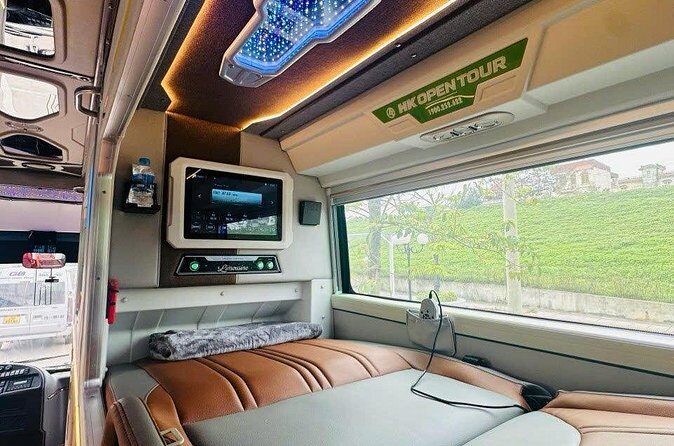
The return is designed to be easy. The activity ends back at the meeting point, so you’re not dealing with complicated “meet somewhere else” chaos later. That’s how you keep your last day in Hanoi simpler.
The route is the same idea in reverse: you’re traveling in a luxury, air-conditioned coach, using the included onboard comforts again, and following the highway through the scenic corridor between the two destinations.
The big advantage of traveling this way—especially if you’re already doing a trek in Sapa—is that you’re not losing your last hours to transport stress. Instead, you can finish your Sapa time and know the trip back is straightforward.
Who This Hanoi–Sapa Limousine Bus Fits Best
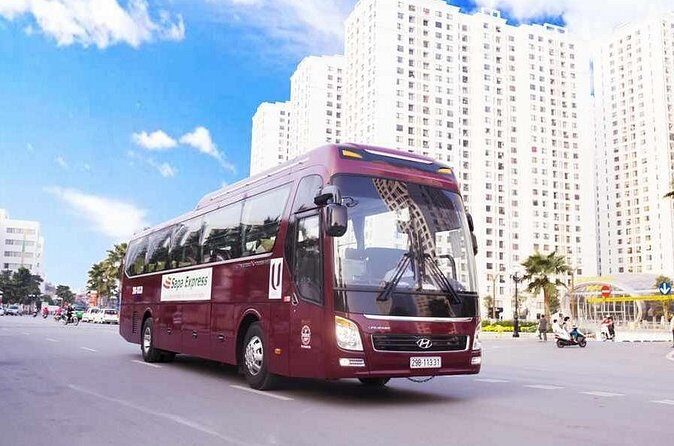
This is a good match if you want:
- A comfortable road transfer with included essentials
- A small-group experience (max 9)
- A central pickup point near Hoàn Kiếm / Old Quarter
- Daytime arrival timing that makes your schedule easier
It also suits people who want to conserve energy for activities in Sapa. If you’re trekking, you’ll likely appreciate arriving feeling less wrecked than you would from a late-night mode of transport.
For families or groups who hate uncertainty, the fixed meeting point and the straightforward pickup style help. For solo travelers, the central pickup and onboard Wi-Fi help you feel less “stuck” between points.
One more practical note: the tour data says most people can participate. Still, you do need that valid passport on the travel day, and your passport details must be correct at booking.
What’s Not Included: Plan Around These Gaps

This transfer includes a lot, but it doesn’t pretend to cover everything.
Not included:
- Tips
That’s it in the provided details. So if you’re the type who likes tipping guidance, you’ll want to budget for it. Beyond that, avoid assuming meals are provided. The only way to be sure is to treat food as your own plan (especially since the included items list doesn’t mention lunches or dinners).
Also remember: because passport info is required, don’t book if your passport is missing or close to expiry.
Booking Smart: When to Reserve and Why It Matters
This service is typically booked about 21 days in advance on average. That’s a useful signal. If you’re traveling in high-demand periods around holidays or busy seasons in the north, booking a few weeks ahead helps you avoid the “everything is full” scramble.
The other smart move is to double-check your passport details during booking. With transfers like this, a mismatch between your passport and booking info can become a headache. Getting it right upfront saves time later.
Also, don’t underestimate the value of the small group size. Max 9 is great, but it’s also why early booking makes sense if you want the seats you prefer.
Should You Book This Hanoi to Sapa Limousine Bus?
I’d book it if your priority is comfort + a clean, simple transfer that still gives you O Quy Ho Pass scenery along the way. For many people, the win is starting Sapa with energy, not arriving halfway broken.
Choose a different option if you want frequent stops for wandering, or if you’re the type who needs long breaks to stretch. This is built as a smooth coach ride, not a hike-with-restaurants-on-the-side experience.
Here’s my quick decision rule:
- If you want a reliable, air-conditioned ride from central Hanoi, with onboard comforts and a reasonable arrival time in Sapa, this one makes sense.
- If you’re chasing a slow travel day with lots of sightseeing stops, you’ll probably wish it moved slower.
If you want, tell me your travel dates and whether you’re doing any trekking in Sapa. I can help you match the bus timing to a realistic daily plan.
FAQ
How long is the Hanoi to Sapa limousine bus transfer?
The duration is listed as approximately 5 hours.
What is the pickup location in Hanoi?
Pickup is from Hanoi Opera House, 1 Tràng Tiền, Phan Chu Trinh, Hoàn Kiếm, Hà Nội, Vietnam.
Does the tour include a return trip back to Hanoi?
Yes. The activity ends back at the meeting point.
Is Wi-Fi included on board?
Yes. Free Wi-Fi is included on the bus.
Is water included during the ride?
Yes. Water is included, along with refreshing wet wipes.
Is a pickup offered, or do I need to get there on my own?
Pickup is offered.
How many people are in the group?
The maximum group size is 9 travelers.
Do I need a passport to travel?
Yes. A current valid passport is required on the day of travel.
What information is needed when booking?
You need the passport name, number, expiry date, and country for all participants.
Do I need to tip?
Tips are not included.