REVIEW · HANOI
Highlight Hanoi city tour with train street.
Book on GetYourGuide →Operated by VIETNAM TOP TRAVEL CO.,LTD · Bookable on GetYourGuide
Hanoi has a secret rail-cut.
I like that this tour braids big-name landmarks with Hanoi Train Street, where real railway lines slice through everyday life. I also like the West Lake + Tran Quoc Pagoda combo because it slows you down after the busy city. One thing to plan for: the schedule can shift based on closures (like Ho Chi Minh Mausoleum days and museum hours), and traffic between stops is part of the deal.
You’ll start with hotel pickup and a private, English-speaking guide. Reviews mention guides such as Hien and Hin, with solid English and explanations that make the sites easier to follow instead of just being check-the-box photos. The one possible drawback: you need to keep your outfit temple-friendly (no shorts/sleeveless), especially if you’re visiting religious spaces and the mausoleum area.
In This Review
- Key moments I’d prioritize
- Monuments first: Ho Chi Minh Mausoleum and One Pillar Pagoda
- West Lake and Tran Quoc Pagoda: a calmer side of Hanoi
- Culture stop: Museum of Ethnology or Hoa Lo Prison
- Dong Xuan Market and Saint Joseph Cathedral: street life with layers
- Hanoi Train Street: where the railway line shapes daily life
- Transfers, timing, and the $51 value
- What to wear, and who should book this private Hanoi tour
- Should you book this Hanoi city tour with Train Street?
- FAQ
- How long is the Hanoi city tour with Train Street?
- Does the tour include hotel pickup and drop-off?
- What major sights are included?
- What if the Museum of Ethnology is closed?
- Is Ho Chi Minh Mausoleum open every day?
- Is lunch included?
- What clothing rules should I follow?
Key moments I’d prioritize
- Hanoi Train Street: See how homes and businesses open right onto active rail lines
- Ho Chi Minh Mausoleum area: Timed access with rules, plus garden time when needed
- Tran Quoc Pagoda by West Lake: Old pagoda setting with a calm lake backdrop
- Museum of Ethnology or Hoa Lo Prison: Culture of 54 ethnic groups, or the Hoa Lo alternative on Mondays
- Dong Xuan Market (1889): Wholesale market energy for fabric, clothing, local crafts, and street food
Monuments first: Ho Chi Minh Mausoleum and One Pillar Pagoda
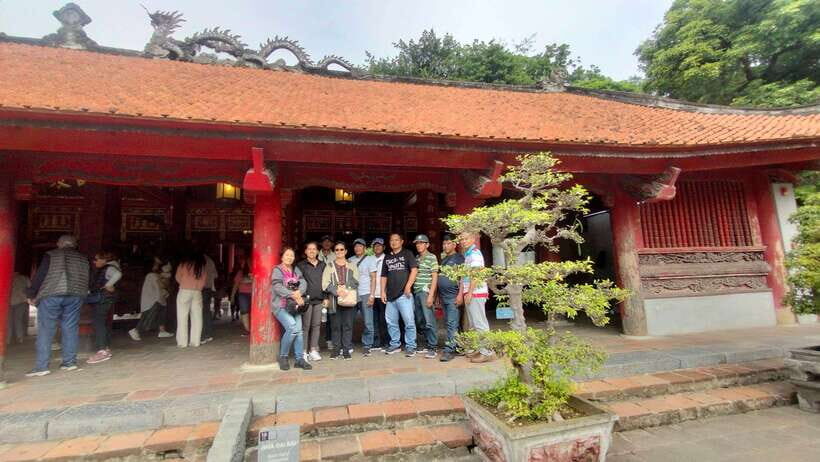
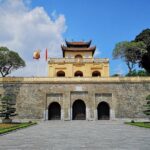
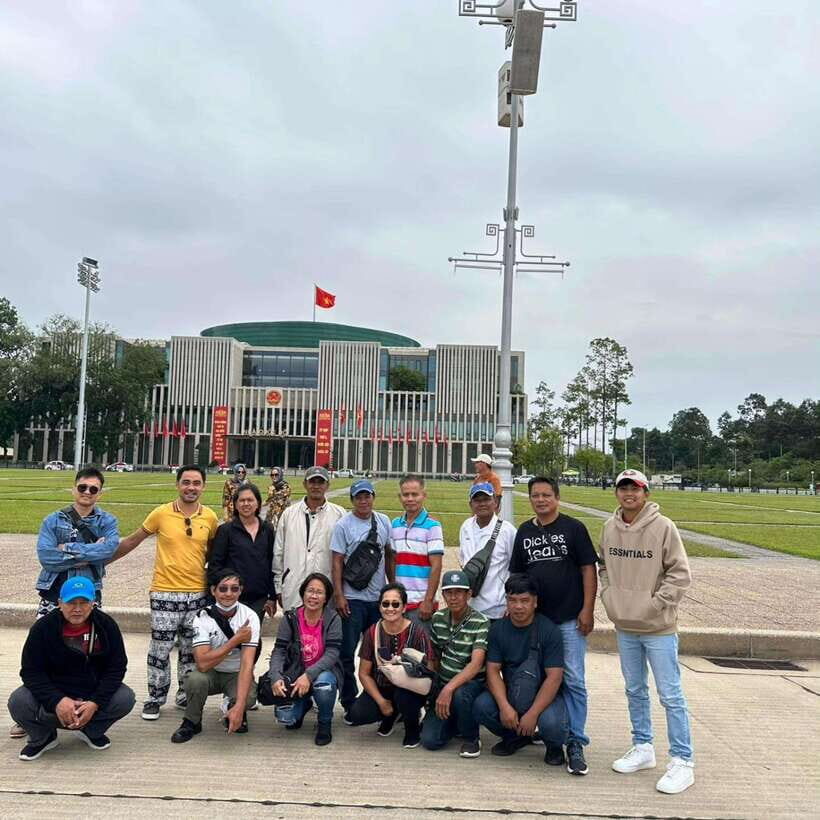
This is a strong start if you want your Hanoi to feel logical, not random. The tour heads to Ba Dinh Square for the Ho Chi Minh Mausoleum complex. Do note how access works here: you’ll visit the mausoleum area (front) and the gardens in the afternoon, since openings are limited to mornings and the rules change by day and season.
The key details matter. The mausoleum is open in the morning except Monday and Friday, and it’s also closed in the summer period Jun 15 to Aug 15. That’s why your guide may adjust the order or time to fit what’s actually operating.
Right after, you’ll see the One Pillar Pagoda, linked to a dream story involving the emperor Ly Thai Tong. The pagoda was commissioned to resemble a lotus flower, and the lotus is tied to Buddhist symbolism of enlightenment. I like this stop because it’s small, iconic, and easy to grasp even if you’re not a hardcore Buddhism scholar.
You can also read our reviews of more city tours in Hanoi



West Lake and Tran Quoc Pagoda: a calmer side of Hanoi
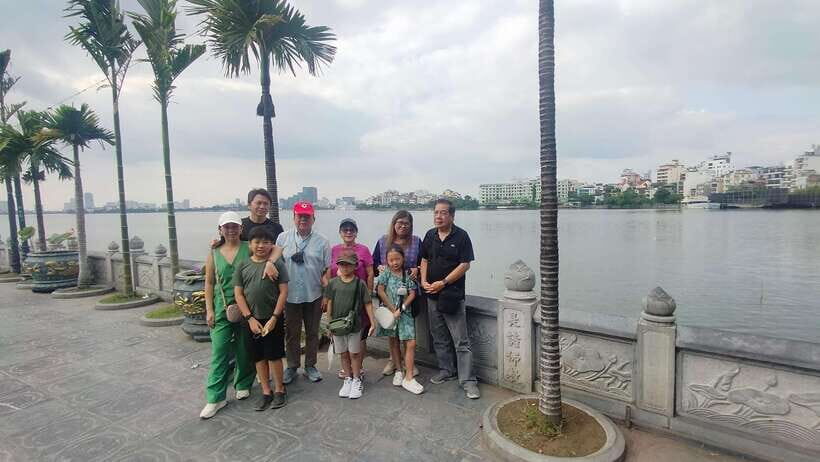
Next comes West Lake, the biggest lake in Hanoi, and Tran Quoc Pagoda, described as the oldest pagoda in Hanoi. You’ll get a break from traffic and crowds with this water-and-temple setting.
Why I think this part is worth your time: Hanoi can feel intense. West Lake helps you reset your eyes and pace. Tran Quoc Pagoda dates to the 6th century, so you’re not just seeing something pretty—you’re seeing a site that connects you to how Hanoi’s spiritual life has endured for centuries.
Even if you’re mostly here for the quirky Train Street portion, I’d still treat West Lake as essential. It makes the later contrast (rail line chaos versus peaceful temple-lake views) hit harder.
Culture stop: Museum of Ethnology or Hoa Lo Prison
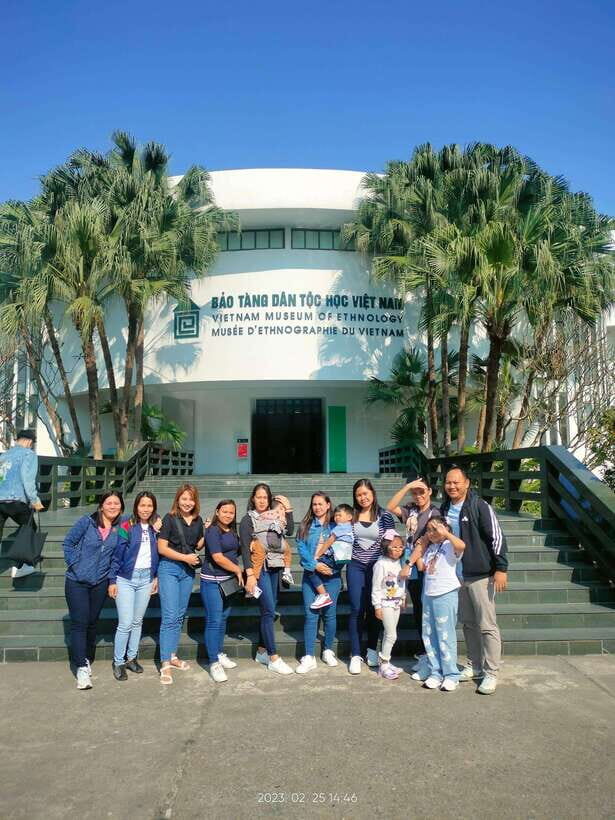
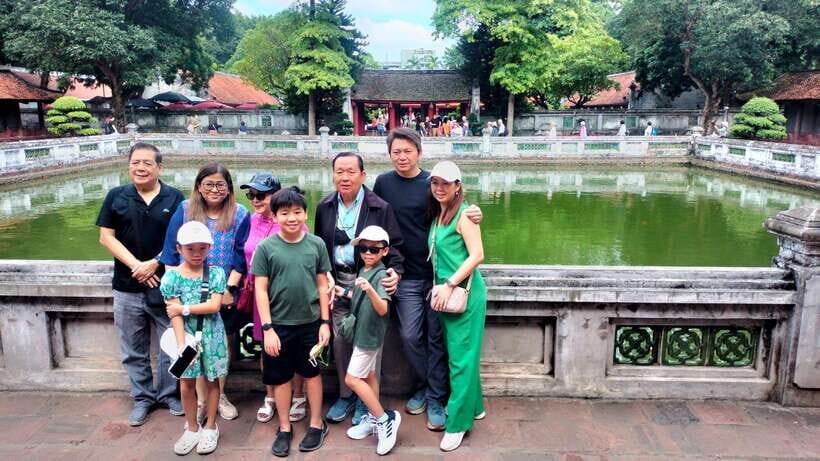
This is where the tour adds context, instead of only sightseeing. The Museum of Ethnology is built around Vietnam’s ethnic diversity—specifically the 54 ethnic groups living in the country. The goal isn’t to memorize everything. It’s to help you understand why Vietnam looks the way it does across regions, clothing, and traditions.
There’s one practical catch: the Museum of Ethnology is closed on Monday. If that happens on your day, you’ll switch to Hoa Lo Prison (Hanoi Hilton) instead. Either way, you’re getting a culture-and-memory stop that tends to make the rest of the trip feel more grounded.
Dong Xuan Market and Saint Joseph Cathedral: street life with layers
After the cultural stop, you’ll head into Hanoi’s shopping-and-street rhythm with Dong Xuan Market. This market is the largest wholesale market in Hanoi, built in 1889. I like that it’s not just a souvenir stop. You can find everyday categories like fabric, clothing, local handicrafts, and street food.
If you’re the type who enjoys watching how cities actually work, this is a good use of time. Dong Xuan Market gives you a snapshot of commerce—what people buy, how goods are organized, and how quick meals keep the day moving.
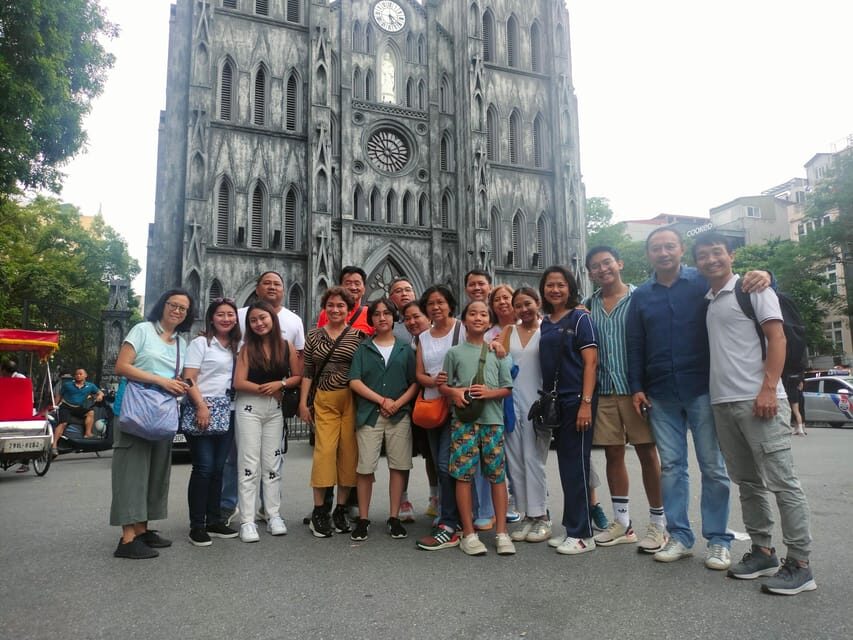
Near 40 Nha Chung street, you’ll also see Saint Joseph Cathedral, a Roman Catholic cathedral with neo-gothic style, built about 120 years ago. The French army conquered Hanoi in 1882, and construction is described as completed in 1886. It also sits on land formerly belonging to Bao Thien pagoda, built under the Ly dynasty—another reminder that Hanoi layers old and new in the same places.
Hanoi Train Street: where the railway line shapes daily life
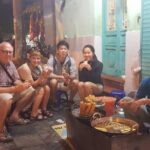
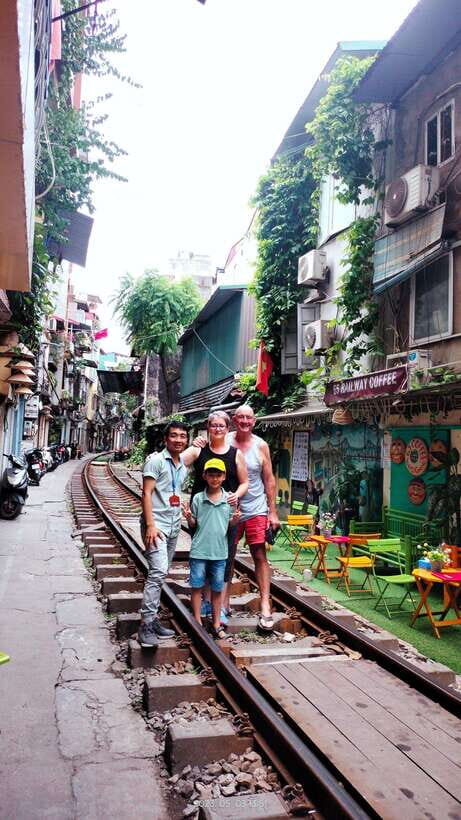
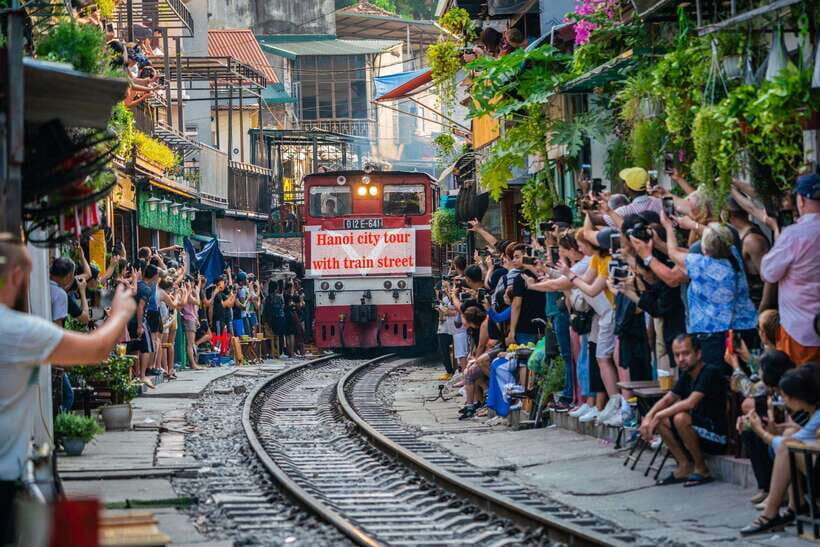
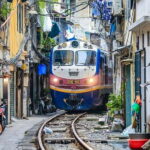
Okay, this is the headline. Hanoi Train Street is famous because it isn’t a regular road with cars or motorbikes. It has real railway lines running through it, and homes and businesses open out toward the tracks.
That’s what makes this experience more than a photo stop. You’ll see how daily life is arranged around noise, timing, and space—basically a city living with infrastructure in the same way people live with a river or a market. Your guide will point out what to notice so you don’t just stare at the novelty.
A quick practical note: wear footwear that works on uneven surfaces, and don’t wander around without checking where you’re standing. Train Street is part of the local neighborhood fabric, not a theme park.





Transfers, timing, and the $51 value
This is a private group tour with hotel pickup and drop-off. You can choose pickup from a long list of districts (for example Hoàn Kiếm, Ba Đình, Tây Hồ, Long Biên, Đống Đa, and more). Drop-off options mirror that list. You’ll meet at your lobby and should be ready about 10 minutes before the start.
Duration is 4 to 8 hours, depending on availability and which option you select. The tour format matters: the main-page itinerary describes a full-day option where you’ll visit 3 places plus Train Street. Shorter options may compress the experience.
Here’s what’s included that makes the price feel reasonable:
- English-speaking guide
- Private transfers (mini car or bus based on group size)
- A bottle of mineral water in the car per person
- Entry fees for Tran Quoc Pagoda, West Lake, Ho Chi Minh Mausoleum, One Pillar Pagoda, Dong Xuan Market, Train Street
- Entry for Museum of Ethnology with the full-day option
- A light meal with the full-day option: beef/chicken noodle soup or Bun Cha
- The tour is flexible about language (English or Vietnamese)
At $51 per person, you’re not just paying for transport. You’re also paying for an organizer who strings together multiple locations, covers entry costs, and explains what you’re seeing. If you tried to DIY all of these stops in one day, the time cost and the coordination headache would be the real expense.
Also, keep expectations realistic about movement. One review note I’d take seriously: expect traffic between attractions. This isn’t the tour’s fault. Hanoi’s roads are what they are. Build a patient mindset.
What to wear, and who should book this private Hanoi tour
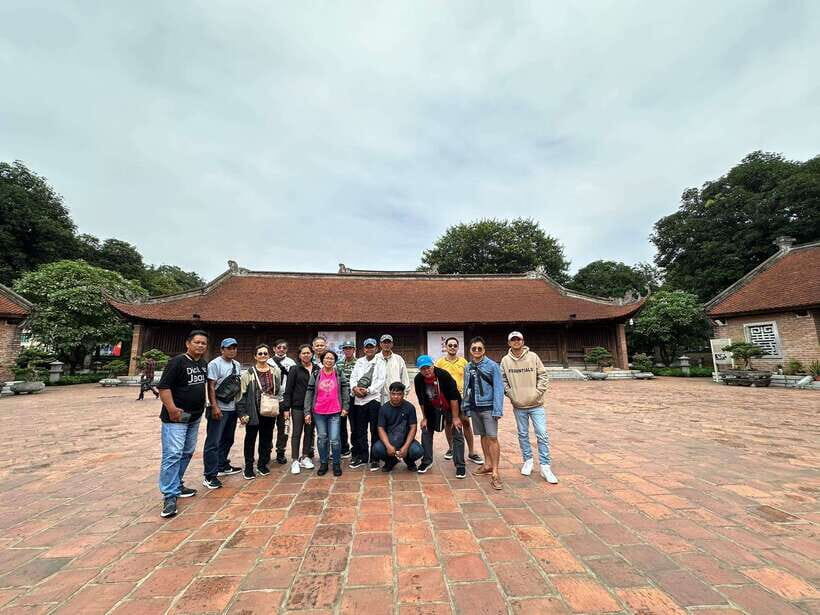
This tour has clear clothing rules because you’ll visit temples and the Ho Chi Minh mausoleum area. Bring sun hat, sunscreen, long-sleeved shirt, and long pants. Short skirts, sleeveless shirts, and shorts aren’t allowed in those places.
If you’re picky about comfort, you’ll likely appreciate that the guide adjusts pacing for your group. Reviews highlighted guides (Hien, Hin) who made people feel comfortable and at home in Hanoi, and who were able to explain sights in an engaging way.
Who it fits best:
- You want an intro day that covers big political, religious, and street-life scenes
- You like a mix of solemn and quirky (Mausoleum and pagodas, plus Train Street)
- You prefer a private pace with an English guide
- You want a day that includes either Museum of Ethnology or Hoa Lo Prison depending on the day
Should you book this Hanoi city tour with Train Street?
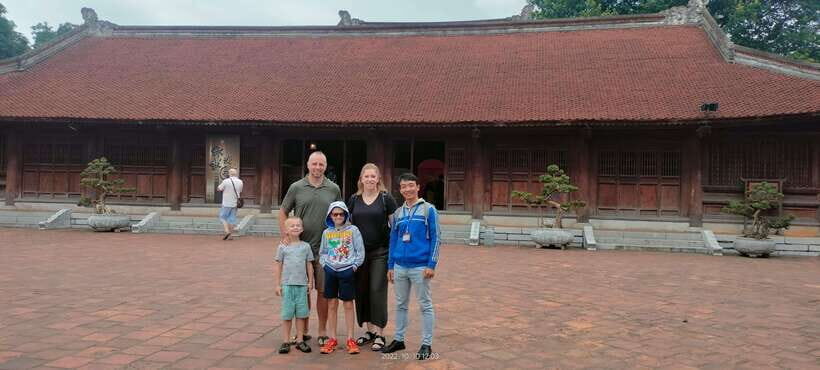
I’d book it if you want one day in Hanoi that covers both the headline oddball (Train Street) and the “why this city looks like it does” parts (West Lake/Tran Quoc, Ho Chi Minh sites, and an ethnology or Hoa Lo culture stop). The private guide helps a lot here—especially when opening days and schedules can shift.
I’d skip or reconsider if you hate timetable uncertainty. Mausoleum opening rules and the Ethnology Museum’s Monday closure can change what you see that day. Also, if you’re arriving without clothing suitable for temples and the mausoleum area, you’ll feel the friction fast.
If your goal is a well-planned intro with strong value for the price, this is a solid pick. Just pack for heat, plan for traffic, and wear the right clothes—then you’ll enjoy the contrast between Hanoi’s calm lake temples and the rail-line world of Train Street.
FAQ
How long is the Hanoi city tour with Train Street?
The tour runs about 4 to 8 hours. Starting times depend on availability, so you’ll want to check the options for your date.
Does the tour include hotel pickup and drop-off?
Yes. Pickup is optional, and you can choose from many district pickup points. The tour ends with drop-off at the same place you were picked up.
What major sights are included?
Entry is included for Ho Chi Minh mausoleum area, One Pillar Pagoda, Tran Quoc Pagoda, West Lake, Dong Xuan Market, and Train Street. Depending on your option, you’ll also include Museum of Ethnology (or Hoa Lo Prison if Ethnology is closed).
What if the Museum of Ethnology is closed?
The Museum of Ethnology is closed on Monday. On those days, the itinerary changes to visit Hoa Lo Prison instead.
Is Ho Chi Minh Mausoleum open every day?
No. It is open in the morning, except Monday and Friday. It is also closed in the summer period from Jun 15 to Aug 15.
Is lunch included?
Lunch is included only with the full-day option. You’ll get a light meal such as beef/chicken noodle soup or Bun Cha. Drinks are not included.
What clothing rules should I follow?
Shorts, short skirts, and sleeveless shirts are not allowed for temples, pagodas, and the Ho Chi Minh mausoleum area. Bring long pants and a long-sleeved shirt, plus sun protection.


More City Tours in Hanoi


More Tours in Hanoi
- Ninh Binh Full-Day Tour from Hanoi to Hoa Lu, Tam Coc & Mua Cave Via Boat & Bike
★ 5.0 · 4,384 reviews