REVIEW · HANOI
Hanoi’s French Quarter Tour and Train Street
Book on GetYourGuide →Operated by Johnson Excursions Travel · Bookable on GetYourGuide
That train squeaks past your shoulder—right in the city. This Hanoi French Quarter tour strings together culture, history, and laughs in about 4.5 hours, with standout stops like Hoàn Kiếm Lake, the Hoa Lò Prison Museum, and Hanoi’s famous Train Street. I especially love two things: the mix of calm walking (parks and lake) with big emotional stops (Hoa Lò), and the way the guide—Tom, in one recent booking—keeps things clear, patient, and easy to follow with a good sense of humor. One thing to consider: the Train Street moment can be intense if you’re uncomfortable with very close, noisy, and tightly packed street conditions.
If you want value, this tour is hard to beat. For around $24 per person, you’re not just buying sightseeing—you get an experienced local guide, cold water, included drinks, and multiple snack stops, plus rain gear for those surprise Hanoi showers. The only catch: your exact “extra” sights depend on whether you’re on the private or small-group option (and whether you’re there in the morning for places like the Mausoleum).
In This Review
- Key highlights that make this tour worth your time
- Entering the Hanoi French Quarter, with a plan that makes sense
- Ly Thai Tô Park and Hoàn Kiếm Lake: the calm start with a legend
- Trang Tien ice cream and snacks: why this stop is more than a sweet break
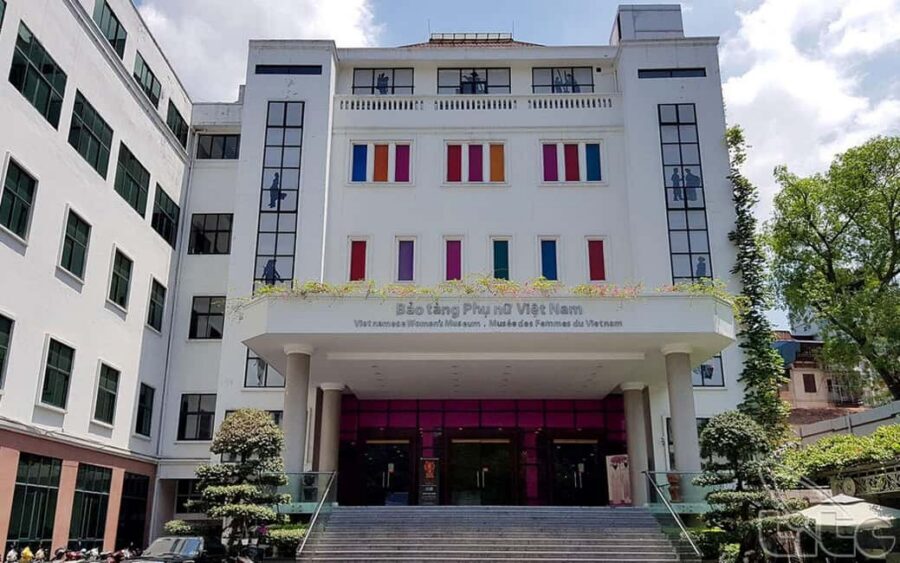
- The Vietnamese Women’s Museum: learning without feeling like a lecture
- Quán Sứ Pagoda: Hanoi’s religious life in one central stop
- Hoa Lò Prison Museum (Hanoi Hilton): the sobering part you’ll remember
- Train Street (Giap Bát): a once-in-a-lifetime watch with real-life tension
- The optional morning loop: Lenin Park, the Mausoleum, One Pillar Pagoda, and more
- Local tea and the afternoon-life stop: how you get beyond the monuments
- Value check: why the included drinks and snacks matter here
- Who should book this Hanoi French Quarter and Train Street tour
- Should you book it?
- FAQ
- How long is the Hanoi French Quarter and Train Street tour?
- How much does the tour cost?
- What are the main stops on the private tour?
- What’s different about the small-group (up to 6) option?
- Are drinks and snacks included?
- Is ice cream included?
- Do I need to bring anything?
- Is pickup included?
Key highlights that make this tour worth your time
- Ly Thai Tô Park + Hoàn Kiếm Lake: a peaceful start with real 1,000-year Hanoi context
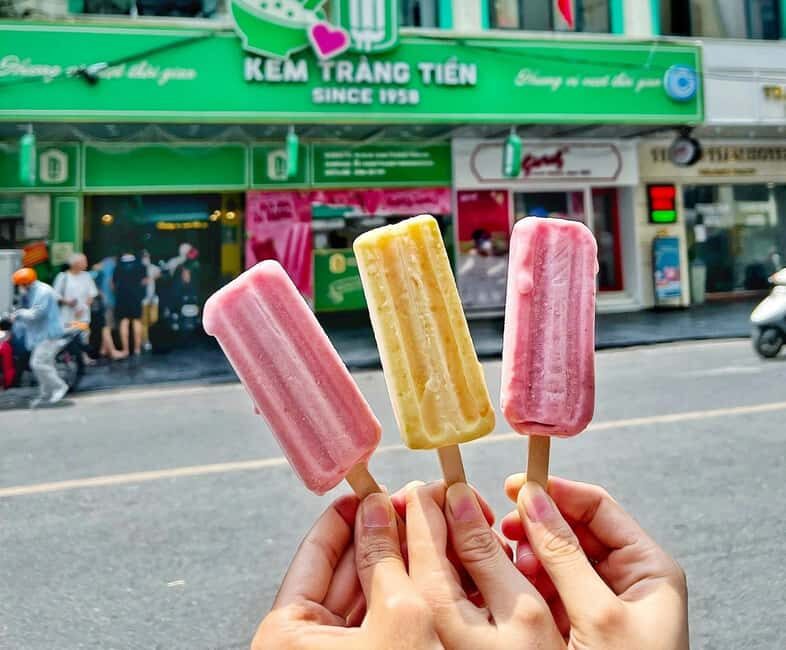
- Trang Tien ice cream and snacks: a classic Hanoi food break since 1958
- Vietnamese Women’s Museum: stories of women’s roles across family, history, and culture
- Hoa Lò Prison Museum: the moving, sobering Hanoi Hilton experience
- Train Street (Giap Bát): inches from residential life, with a drink in hand
- Optional morning add-ons: the Mausoleum (except certain days) plus One Pillar Pagoda
Entering the Hanoi French Quarter, with a plan that makes sense
Hanoi’s Old Quarter can feel like a swirl of scooters, sidewalks, and side streets. This tour gives you a structure: you move zone-to-zone through the French Quarter area, pausing long enough to actually understand what you’re seeing instead of just taking photos and moving on. And because it’s guided, you get the stories behind the places—why they matter, how people use them today, and what to notice as you walk.
The pacing is also built for comfort. You’re not sprinting from one ticket line to the next; you’re doing a sequence of sights that alternate between scenic breathing room (parks and lake) and focused indoor learning (museums and pagodas). That balance is a big reason this works well for first-time visitors.
You can also read our reviews of more tours and experiences in Hanoi.



Ly Thai Tô Park and Hoàn Kiếm Lake: the calm start with a legend
You begin with a stroll in Ly Thái Tổ Park, which is more than a green pause. This area connects to Hanoi’s long timeline—think 1,000-year legacy energy—so it’s a good first step before your visit turns more serious. You’ll walk at an easy pace, get oriented, and start understanding the city’s identity through its landmarks.
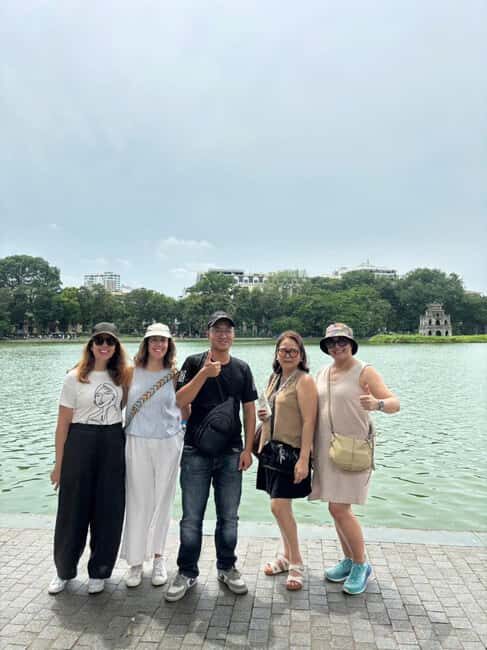
Then you move to Hoàn Kiếm Lake, the heart of the French Quarter. Expect guided sightseeing and a feel-good atmosphere: locals around the water, morning-and-daylife vibes, and space to slow down. The tour also covers the legend of the returned sword, which adds meaning to what looks like a simple lake stop.
If you enjoy short, story-based sightseeing, this pair is a win. Parks and lakes are where Hanoi feels human. They’re also where you’ll notice the city’s daily rhythm before you head into museums and more formal religious sites.
Trang Tien ice cream and snacks: why this stop is more than a sweet break
One of the most fun parts is the food you’re given room to enjoy—especially Trang Tiến ice cream. This is a Hanoi classic dating to 1958, and the flavors are simple in a way that feels very “local.” You don’t need fancy flavors to make it memorable; the experience is that it’s a longstanding part of street life.
You’ll also sample included snacks like peanut brittle and several types of chips, plus rice snacks. It’s a practical touch: Hanoi walking adds up fast, and having snacks and drinks on hand keeps energy steady without you constantly hunting for food.
A small tip: because it’s a guided route, you’ll likely get a clear sense of when to buy nothing and when to try something. Treat Trang Tiến as your planned break, not a random detour, and you’ll enjoy it more.
The Vietnamese Women’s Museum: learning without feeling like a lecture
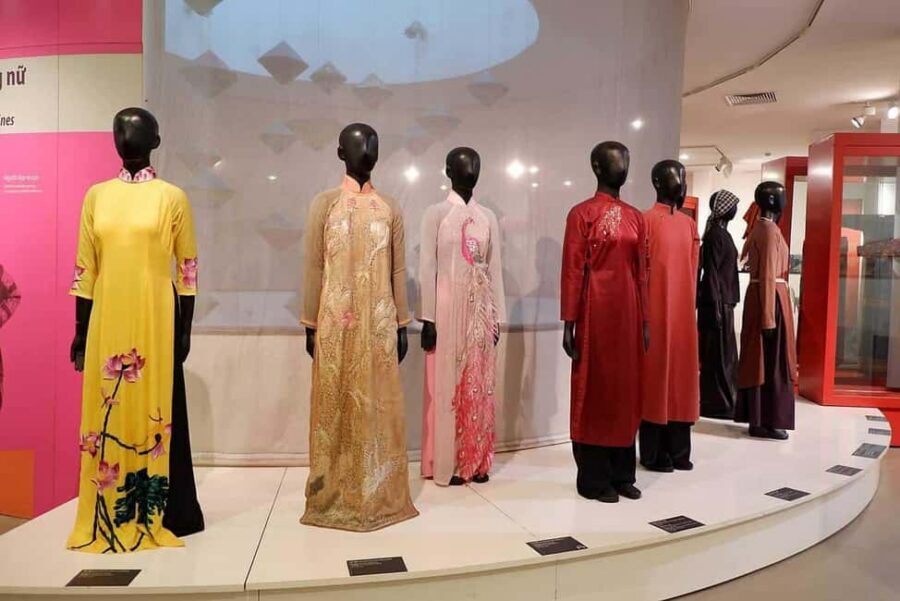
After the lake and food, you’ll head to the Vietnamese Women’s Museum. This stop focuses on the lives, roles, and contributions of Vietnamese women across family, history, and culture. The point isn’t just facts. It’s context—how everyday life and major historical change connect through the people who lived it.
What I like about this inclusion is that it expands the usual “war-and-monument” Hanoi story. You still get history, but it’s history seen through family and social roles, not only through battles and buildings. For many visitors, this museum becomes one of the most emotionally resonant stops because it humanizes the city’s past.
Expect a guided visit, so if you’re not sure what you’ll be looking at, you’ll have someone pointing out what matters. That makes museum time feel lighter and more rewarding.
Quán Sứ Pagoda: Hanoi’s religious life in one central stop

Next comes Quán Sứ Pagoda, described as a central pagoda of Vietnamese Buddhism. This is where you’ll shift from museum learning to living cultural practice. Even if you’re not religious, you can still notice how worship works here—rituals, visitors, and the respectful flow of people moving through the space.
This stop is also useful because it balances the emotional weight of Hoa Lò later in the day. Pagodas tend to calm the mind. They also help you understand that Hanoi isn’t only about what happened here—it’s also about how people live with belief today.
If you’re visiting during a busy time of day, remember to keep your voice low and your pace slow. In places like this, the best photos come from watching first and photographing second.



Hoa Lò Prison Museum (Hanoi Hilton): the sobering part you’ll remember
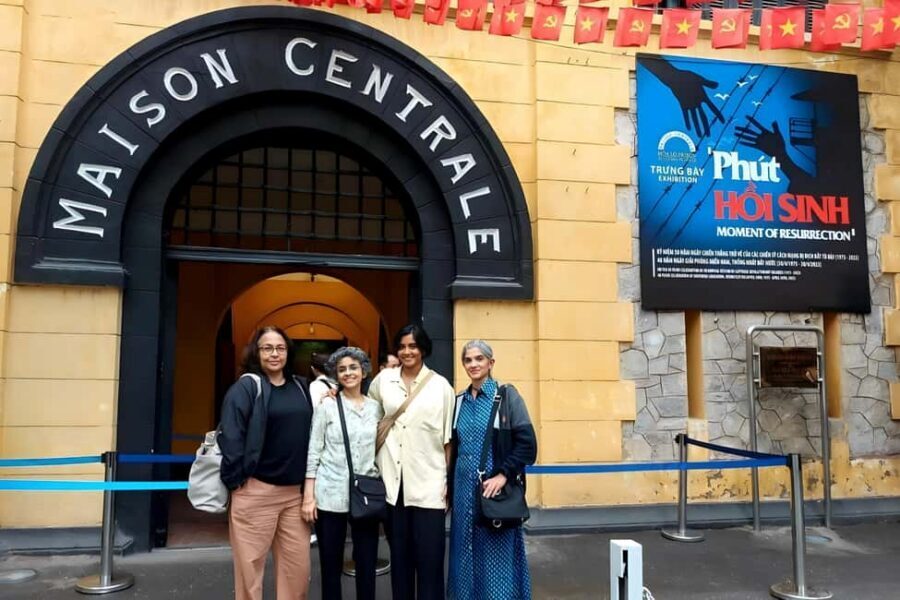
Then you reach Hỏa Lò Prison Museum, often called the Hanoi Hilton. This part is moving. You’ll see artifacts and learn moving stories from former prisoners, including what those spaces were like from the inside.
Tours like this do best when you treat them seriously. Give yourself time to absorb what you see. It’s not the kind of visit where you should rush to the exit so you can fit in more selfies.
One practical note: indoor museum time can feel longer than you expect, especially after several outdoor stops. Still, it’s the kind of place that makes your whole day in Hanoi click into focus. It turns “history” into lived experience.
Train Street (Giap Bát): a once-in-a-lifetime watch with real-life tension
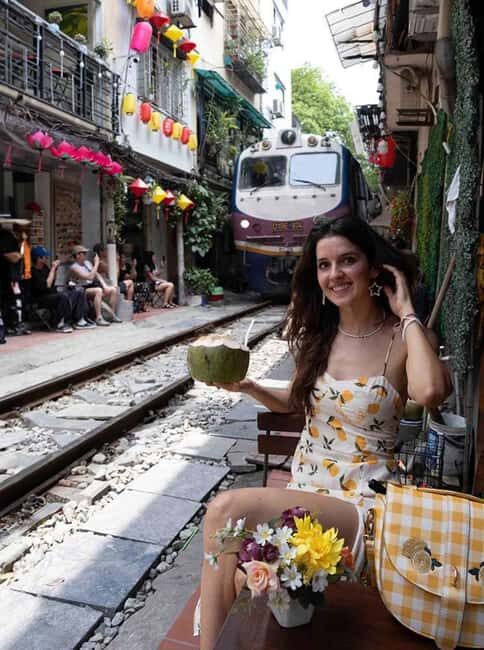
Now for the headline moment: Hanoi’s Train Street (Giap Bát). This is a narrow alley where trains pass just inches from residential areas. You’re guided through the viewing experience with the practical benefit that you’ll have beverages included while you watch.
This stop is thrilling, but it’s also worth respecting. The excitement is real, but the situation is also real for the people who live here. Watch the routine—the way the alley changes around train time, how close everything is, and how quickly life adjusts.
If you’re sensitive to noise or tight spaces, arrive mentally prepared. You’ll likely be standing close to others for a short stretch. The reward is that you see something that’s hard to grasp from stories alone: how a city’s infrastructure can slice right through daily life.
The optional morning loop: Lenin Park, the Mausoleum, One Pillar Pagoda, and more
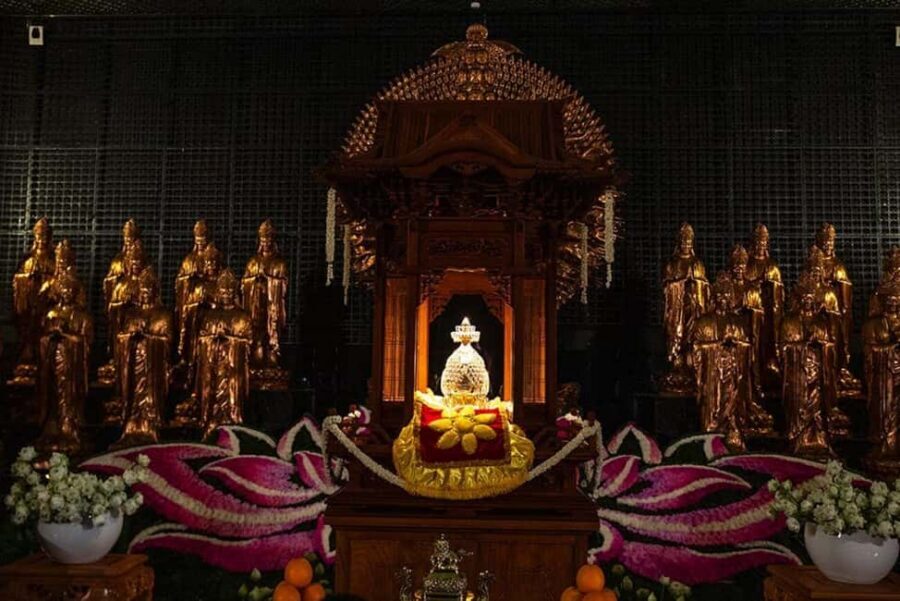
Depending on the option you choose, your route can add major landmarks around the lake area. The small-group version includes Lenin Park and can include the Ho Chi Minh Mausoleum (with important limits). The Mausoleum visit is only inside in the morning, and it’s not available for Monday and Friday, based on the tour’s operating notes.
You may also visit One Pillar Pagoda, including the story of the king’s dream and architecture. Then there’s Dien Hữu Temple, also tied to worshipping culture and religions. These added stops create a more classic “historic Hanoi highlights” arc before you reach Train Street.
If you want your day to include the famous names, the small-group morning plan usually scratches that itch. If you prefer a tighter route focused on parks, lake, food, women’s history, and Train Street, the private route is often the smoother fit.
Local tea and the afternoon-life stop: how you get beyond the monuments
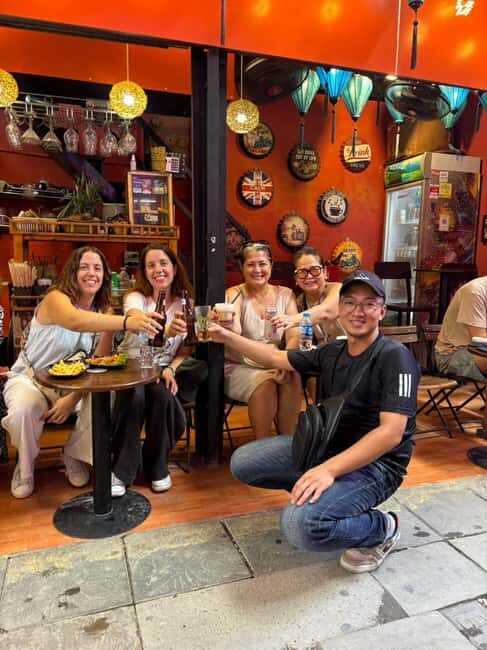
On the afternoon tour option, you add time at a local place where you’ll have traditional tea or drinks and snacks. This is the part that helps you see daily life more clearly than museums alone. You get a sense of how locals slow down, snack, and talk—things that don’t show up on a strict landmark checklist.
It’s also a good time to ask questions. When you’re sitting with a guide, you can get practical info about neighborhoods, habits, and what’s worth seeing next.
Value check: why the included drinks and snacks matter here
At about $24, this tour feels like more than a walking tour because it includes the “keep you comfortable” stuff. You get cold bottle water, plus drinks that can include beer, soda (Coke and Fanta), sparkling water, orange juice, and tea. That’s useful in Hanoi’s heat swings, and it also saves you money from buying drinks between stops.
You also get included snacks like peanut brittle, potato crisps, cheese crisps, and rice snacks. Add the ice cream when it’s included on your option, and you’ve got multiple built-in breaks. For many people, that alone is the difference between enjoying a long day and feeling drained.
There’s also a practical advantage to the way the tour is run: you get an experienced local guide, and the tour notes an express security check for certain sites. Translation: less time stuck in waiting mode when the day is already packed.
Who should book this Hanoi French Quarter and Train Street tour
This is a great match if you:
- want a first-time-friendly route through Hanoi’s central sights
- like history but don’t want history only in museums
- care about getting guided context at places like Hoa Lò and the Women’s Museum
- want the Train Street moment without handling the logistics alone
It may not be the best fit if you need step-free access or if you’re traveling with mobility constraints. The tour also isn’t suitable for wheelchair users, people with mobility impairments, pregnant women, or visitors over 75, according to the tour’s notes. And you can’t bring baby strollers or baby carriages.
Clothing matters too: plan for wear that goes below the knee and a T-shirt. If you’re dressed right, it’s easier to move through temples respectfully.
Should you book it?
Yes—if your priority is a guided, story-led French Quarter day that ends with the unforgettable Train Street experience. This tour’s real strength is the balance: calm scenic walking, meaningful museum time, faith culture stops, and then the high-impact Train Street moment. For about $24, the included drinks, snacks, and guide time make it strong value rather than a basic sightseeing add-on.
If you’re deciding between options, pick based on your timing and what you want most: the private route is a tight core of parks, lake, ice cream, women’s history, pagoda, prison, and Train Street. The small-group route can add extra major landmarks and a local tea-life stop, especially if you’re in the morning for the Mausoleum window.
FAQ
How long is the Hanoi French Quarter and Train Street tour?
The tour runs about 4.5 hours (270 minutes), depending on the selected start time and option.
How much does the tour cost?
The price is listed as $24 per person.
What are the main stops on the private tour?
The private version includes Ly Thái Tổ Park, Hoàn Kiếm Lake, Trang Tiến ice cream, Vietnamese Women’s Museum, Quán Sứ Pagoda, Hỏa Lò Prison Museum, and Hanoi Train Street.
What’s different about the small-group (up to 6) option?
The small-group version adds sights such as Lenin Park, Ho Chi Minh Mausoleum (inside only in the morning, except Monday and Friday), One Pillar Pagoda, and Dien Hữu Temple, plus an afternoon local tea/drinks and snack stop.
Are drinks and snacks included?
Yes. You get cold bottle water and included drinks (including items like beer, Coke, Fanta, sparkling water, orange juice, and tea). Snacks are also included, such as peanut brittle, potato crisps, cheese crisps, and rice snacks.
Is ice cream included?
Ice cream is included on the private option, but the notes say ice cream is excepted for the small-group option.
Do I need to bring anything?
Bring cash, and wear clothing that covers below the knee with a T-shirt, as noted for temple visits.
Is pickup included?
Pickup is included unless you choose the small-group option. The guide also provides pickup/drop-off details based on your selected option.


More Tours in Hanoi
- Ninh Binh Full-Day Tour from Hanoi to Hoa Lu, Tam Coc & Mua Cave Via Boat & Bike
★ 5.0 · 4,384 reviews