The Hanoi–Sapa VIP sleeper bus is a fresh twist on a classic route. It’s designed for travelers who want the ride to feel civilized: real cabins, comfort for an overnight-style transfer, and enough flexibility to pick a departure time that fits your day. The goal is simple. Arrive in Sapa less tired, not more.
I especially like the VIP cabin setup for the practical stuff—air-con, Wi‑Fi, and USB charging—so your phone stays alive and your downtime feels useful. I also like the included touches like travel blankets and mineral water, because they remove small annoyances that add up on a long road trip.
One consideration: cabin quality and basic features can be inconsistent. In a few reported cases, people ran into issues like berth comfort limits (you may not be able to sit up much), TV trouble, or cleanliness gaps—so I’d treat it like a sleeper bus, not a hotel room.
In This Review
- Key things to know before you go
- A newer VIP sleeper concept on the Hanoi–Sapa route
- Pickup in the Old Quarter and Sa Pa town: where confusion happens
- Inside the VIP cabin: Wi‑Fi, USB charging, and the sleeping reality
- The 6-hour road plan and the rest-stop timing you should expect
- Driver care, traffic handling, and the onboard service vibe
- Price and value: is $29 fair for a Hanoi–Sapa sleeper transfer?
- Comfort trade-offs: height, posture, and cabin condition
- Who this transfer suits best (and who should skip it)
- Should you book this Hanoi–Sapa VIP sleeper bus?
- FAQ
- How long is the Hanoi to Sapa VIP sleeper bus transfer?
- What does the transfer cost?
- Do you get pickup from your hotel?
- What’s included on board?
- Is food included in the price?
- Do I receive a mobile ticket?
- What group size should I expect?
- What if the weather is bad?
- Can I cancel for free?
Key things to know before you go
- Pickup where it’s convenient: Old Quarter Hanoi or Sa Pa town pick-up, with a central meeting point if you’re outside the pickup zone
- Cabin power and Wi‑Fi: air conditioning, Wi‑Fi, and USB charger sockets included
- You’re buying time: about 6 hours total, with the aim of getting you refreshed for Sapa plans
- Rest stops happen: expect at least two breaks along the way, with one potentially long enough to interrupt your sleep
- Comfort can vary: some cabins get praise for being clean and comfy; other reports mention berth/equipment issues
- Small group feel: maximum 24 travelers, so it’s usually easier to manage than big transfers
A newer VIP sleeper concept on the Hanoi–Sapa route
This is for the people who like the idea of Sapa, but hate the idea of arriving wrecked. The VIP sleeper bus is built for the Hanoi–Sapa tourist corridor, and the bus design focuses on making the road time less miserable.
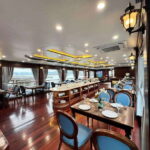
Instead of a basic coach where you sit upright and count minutes, you get a cabin-style ride with plush seating and large windows, plus the practical onboard kit: air conditioning, Wi‑Fi, and USB power. That combination matters more than it sounds. If you’re spending several hours in one stretch, you want climate control, the ability to check messages or maps, and the power to stay ready once you reach town.
Also, the trip is short enough that you’re not stuck in transit for a whole day. At roughly six hours, you can realistically aim to start your Sapa experience soon after arrival rather than spending the afternoon recovering.
You can also read our reviews of more tours and experiences in Hanoi


Pickup in the Old Quarter and Sa Pa town: where confusion happens
The transfer uses pickup at your accommodation in Hanoi’s Old Quarter or in Sa Pa town, depending on your direction. If your hotel is outside the pickup area, you’ll need to get to a centrally located meeting point in the Hanoi Old Town or in Sa Pa town.
That’s the first thing to plan for: match your pickup request to where the driver can actually reach. In Hanoi, streets can be tight and slow. If you’re staying near the edges of the Old Quarter or in a less central area, don’t assume the driver will find the shortest path to your doorstep.
Here’s a small strategy that tends to prevent headaches on routes like this: confirm the pickup pin or meeting point on the day of travel, then plan to be ready a little early. One set of reports described dispatching at hotels as chaotic, which usually comes down to miscommunication about exact locations and timing.
Inside the VIP cabin: Wi‑Fi, USB charging, and the sleeping reality
The onboard setup is the main reason this bus category exists. You’ll have a modern tourist bus with air conditioning and Wi‑Fi, plus USB charger sockets. There are also travel blankets and mineral water included, so you’re not scrambling immediately after boarding.
In comfort terms, I’d think of it as “more livable than a normal bus,” but not “a full hotel suite.” A couple of cabin-focused reports mention that the berth setup may limit how you can position yourself, with some people finding it hard to sit up. If you prefer to travel upright—reading, working, or watching the view—keep that in mind and pack accordingly.
A few additional notes from real-world cabin experiences:
- Some reports mention a TV screen in the berth area, but it may not work reliably in every cabin.
- One report mentioned cleanliness problems like uncollected items around the remote pocket area.
- Another report praised cabins as clean and comfortable with professional staff.
So your best move is simple: once you’re in your cabin, do a quick 60-second check. Look at the bedding area, check for obvious trash, and test whatever electronics you can. Then settle in and enjoy what’s good.
The 6-hour road plan and the rest-stop timing you should expect
This is not a “drive straight through” transfer. You’ll receive information about stops along the way from your driver, and the ride includes breaks.
From the timing reports I’ve seen, one pattern can look like this:
- A stop after roughly 1.5 hours of driving, lasting over 20 minutes
- Another stop about 2.5 hours later, often at a highway rest area for lunch
That matters because if you’re counting on uninterrupted sleep, the bus schedule can cut into it. Also, rest stops on highways can be hit-or-miss for food options. One report described limited snack availability like chips, which is a good reminder that you shouldn’t plan on an elaborate meal being guaranteed at the stop.
My advice: bring a backup snack and water if you have dietary preferences or you just don’t trust highway food. Mineral water is included, but tastes and timing can still surprise you. If you’re sensitive to motion, consider packing something small for nausea prevention.
Driver care, traffic handling, and the onboard service vibe
A good driver can make a road transfer feel smooth instead of stressful, and this service claims an enthusiastic, experienced driver. In practice, the biggest service win is that you don’t have to manage the logistics yourself. The driver handles traffic, navigation, and stop coordination.
I also like that the bus is positioned as a confidence-building transfer. There’s a claim that vehicles are regularly maintained to high safety standards. That doesn’t remove the need for a quick visual check when you board, but it does suggest the operator is trying to keep the ride safe and dependable.
That said, at least one report mentioned a rougher ride due to suspension wear. If you’re very sensitive to bumps, bring earplugs and keep your expectations realistic. A sleeper bus reduces discomfort by giving you a place to rest, not by turning the highway into a magic carpet.
You can also read our reviews of more tours and experiences in Hanoi




Price and value: is $29 fair for a Hanoi–Sapa sleeper transfer?
At $29 per person for about 6 hours, you’re paying for three things:
- Less hassle than DIY travel (pickup, navigation, and coordination)
- More comfort than a basic coach (air conditioning, Wi‑Fi, USB power, blankets, water)
- Time efficiency so you can arrive ready for Sapa
Is it a bargain? For many people, yes—especially if you compare it to the cost of building your own transportation plus the time wasted transferring between steps. Also, this is a route where timing matters. Arriving refreshed can be the difference between enjoying Sapa immediately and spending your first hours tired and cranky.
The catch is that you should judge value based on comfort consistency. Some reports are very positive—pickup on time, clean and comfortable cabin, professional staff. Other reports point to issues like berth comfort limits or cabin cleanliness gaps. When you get a good cabin, $29 feels like a smart, low-friction move. When you get a problem cabin, you’ll feel those flaws more.
My take: if you’re comfortable doing a quick cabin check at boarding and you want the convenience, this price is usually worth it.
Comfort trade-offs: height, posture, and cabin condition
Sleeper buses are a compromise by design. Even when the cabin is newer or better arranged, you’re still working within the realities of road transport and fixed berth dimensions.
One report even described the bus as perfect for people under a certain height, which is a clue that sizing might be a factor in comfort. If you’re tall or broad-shouldered, you might not feel as snug or flexible in the berth as someone with a smaller frame.
Posture is another issue. A report described it as impossible to sit, with the advice to keep the position lying down. Whether that’s true for every cabin depends on the exact berth design and your body, but it’s enough to make this a key decision point:
- If you want to sit upright for the whole trip, don’t assume sleeper-cabin comfort will match that preference.
- If you’re okay settling in for rest and using the time to watch your phone or sleep, you’ll likely be happier.
Then there’s cabin condition. One passenger praised clean cabins and attentive staff. Another found cleanliness and berth readiness issues. That’s why I keep coming back to the same practical move: inspect quickly when you board. You don’t need to make a scene. You just want to catch the basics early.
Who this transfer suits best (and who should skip it)
This transfer fits best if you want:
- A lower-stress route with pickup and drop-off in convenient areas
- Onboard comfort basics like air-con, Wi‑Fi, and charging
- A small group experience (max 24 travelers) rather than a chaotic mass departure
- A short transit window that still gets you into Sapa feeling ready
You might consider a different option if:
- You’re extremely picky about cabin cleanliness and electronic features (TV performance, for example)
- You’re tall or need a lot of space to change positions while traveling
- You strongly prefer to sit upright during long road trips
If you’re traveling light, pack layers. Even with air conditioning, temperature and airflow can feel different depending on cabin placement. And if motion bothers you, plan to rest rather than try to work intensely upright.
Should you book this Hanoi–Sapa VIP sleeper bus?
Book it if you want convenience, comfort features that are actually useful (Wi‑Fi + USB + air-con), and a transfer that’s priced to feel reasonable. The biggest pro is the balance: you’re not paying a premium sleeper-hotel price, and you’re still getting real amenities.
I’d also book if you’re the type who can accept small uncertainties as part of travel—then handle them with a quick cabin check and a flexible mindset about rest stops.
Skip it or pick a different style of transfer if cabin consistency is your top priority, or if you need to sit upright for comfort. The reports show that quality can swing cabin to cabin, and that swing affects how much you enjoy the ride.
FAQ
How long is the Hanoi to Sapa VIP sleeper bus transfer?
It’s about 6 hours (approx.) for the trip.
What does the transfer cost?
The price is $29.00 per person.
Do you get pickup from your hotel?
Yes, pickup is offered at accommodations in Hanoi’s Old Quarter or in Sa Pa town. If you’re outside the pickup area, you’ll go to a centrally-located meeting point in the Hanoi Old Town or in Sa Pa town.
What’s included on board?
The bus includes air conditioning, Wi‑Fi, and USB charger sockets. You also get travel blankets and mineral water, plus an experienced driver.
Is food included in the price?
No. Food and beverage costs are not included.
Do I receive a mobile ticket?
Yes, the transfer provides a mobile ticket.
What group size should I expect?
The maximum is 24 travelers.
What if the weather is bad?
This experience requires good weather. If it’s canceled due to poor weather, you’ll be offered a different date or a full refund.
Can I cancel for free?
Yes. You can cancel up to 24 hours in advance for a full refund. If you cancel less than 24 hours before the start time, the payment isn’t refunded.