REVIEW · HANOI
Hanoi: Thang Nghiem Pagoda Or Incense Village & Hat Village
Book on GetYourGuide →Operated by GREEN VIETNAM TRAVEL · Bookable on GetYourGuide
Quiet corners of Hanoi matter. This day trip is built around Thắng Nghiêm Pagoda, a tantric Buddhist site just outside the city, plus two craft villages that show how everyday Vietnamese products are actually made. I love the calm you get at the pagoda—soft light, incense in the air, and a garden that feels deliberately designed for quiet reflection. I also like the hands-on side of the tour: you don’t just look at crafts in Chuong Conical Hat Village; you get time to paint your own hat and take it home.
One possible drawback: you’re going outside central Hanoi (about 15 km to the pagoda area), so it’s not a quick city stroll. It’s also a working place of worship—so you’ll want to keep your volume down and dress and behave respectfully while you’re there.
In This Review
- Key highlights to know before you go
- Thắng Nghiêm Pagoda: a calmer side of Hanoi
- Tam Bảo, Buddha statues, and what you’ll actually see
- Chuong Conical Hat Village and painting your own Non La
- Quang Phu Cau Incense Village: family-scale work you can see
- Timing, transport, and the real value of the price
- Who this tour is best for
- Practical tips to get the most out of the day
- Should you book this Thắng Nghiêm and village crafts tour?
- FAQ
- How long is the Hanoi Thắng Nghiêm Pagoda and village crafts tour?
- Where is Thắng Nghiêm Pagoda located?
- Is this tour private or a group experience?
- What craft activities are included?
- Are entrance fees included?
- What else is included besides the visits and craft activities?
- What languages can the guide speak?
- Is the tour wheelchair accessible?
- Can I cancel, and is there a Lunar New Year surcharge?
Key highlights to know before you go

- Tantric Buddhism details at Thắng Nghiêm: Tam Bảo worship space, ceremony hall, and bronze statues made by artisans from Hàng Đồng Street
- The garden’s signature sights: a Bodhisattva Avalokitesvara statue and two rows of 100 yellow Buddhas
- Chuong Village for Non La conical hats: watch traditional hand-making and paint a souvenir hat
- Quang Phu Cau incense village: see family-scale incense production and dyeing, then make and take some incense
- Professional local guiding: live guide in multiple languages plus skip-the-ticket-line convenience
- Old Quarter pickup and Train Street drop-off option: you can end your day near where you want to go next
Thắng Nghiêm Pagoda: a calmer side of Hanoi
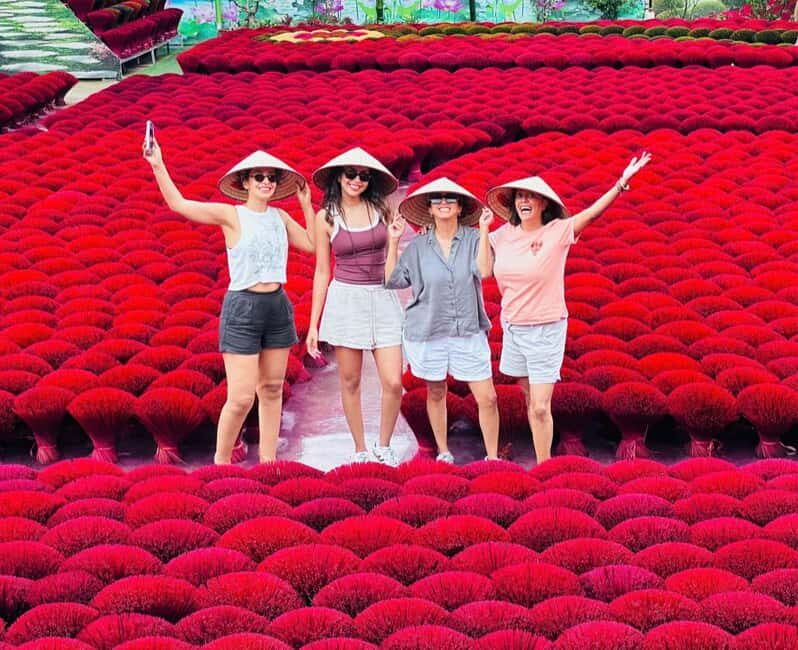
Most Hanoi sightseeing is loud in some way—traffic, scooters, crowds. This tour flips the script. Thắng Nghiêm Pagoda is a place of worship and reflection, and the atmosphere changes fast once you’re on the grounds. You’ll get a guided visit of about 75 minutes, which is enough time to see the main parts without feeling rushed.
The pagoda’s story is part of why it feels meaningful. It’s tied to Vietnam’s royal history, built during the reign of Emperor Lý Thái Tổ in 1010. That alone makes it more than just a pretty stop. The site is associated with followers of the Tantric sect of Buddhism, and it has long been a place where monks and notable figures from the Lý and Trần Dynasties came to worship.
Architecturally, it’s also eye-catching. You’ll notice bold colors—yellow, brown, and red—used throughout the complex. That matters because these details aren’t just decoration. In Buddhist temple design, color, arrangement, and sacred imagery help guide your attention toward prayer and ceremony.
You can also read our reviews of more tours and experiences in Hanoi.



Tam Bảo, Buddha statues, and what you’ll actually see
What makes this pagoda memorable is how much it leans into the symbolism of Buddhist practice. Your guide will point out key areas that many visitors might otherwise miss.
Start with the big visual anchors. In the temple garden, you’ll see a statue of Bodhisattva Avalokitesvara, described as having a peaceful aura. You’ll also encounter two rows of statues featuring 100 yellow Buddhas, each representing Buddha Shakyamuni. Even if you’re not a religious expert, you can feel how intentional this layout is. It’s orderly, repetitive in a way that’s meant to steady your mind.
Then comes Tam Bảo, an important worship space in Vietnamese temples. This is where you’ll see Buddha statues representing different philosophies within the religion. It’s a practical stop for understanding Vietnamese temple life because most Buddhists come here to burn incense and pray. So yes, you’ll see statues—but you’ll also understand the rhythm: incense, prayer, quiet attention.
Behind Tam Bảo, there’s a large hall used for teaching Buddhist scriptures and holding major ceremonies. If you like learning what temples are “for,” this is one of the best parts. It tells you the pagoda isn’t just about sightseeing. It’s an active spiritual space.
You’ll also spend time in deeper halls where bronze statues appear, including pieces crafted by artisans from Hàng Đồng Street in Hà Nội. That’s a nice connection between the temple grounds and the craft culture found in the city itself. The last stretch in the garden area can feel almost dreamlike, with incense fragrance, ringing bells, and chanting carrying through the space. Keep your phone ready for photos, but do it at a respectful pace.
Chuong Conical Hat Village and painting your own Non La
After the pagoda quiet, the tour shifts into a more hands-on, everyday kind of culture: Chuong Conical Hat Village. This is the home of traditional conical hats, locally known as Non La, and the craft here has been practiced for over 300 years.
Instead of meeting a studio that feels like a showroom, you’ll meet your guide at a local artisan’s house and watch the work as it’s done. You’ll see conical hats being created by hand. The point isn’t only to admire the finished hat—it’s to understand that it’s a process. That’s what makes this village stop feel real, not like a staged performance.
A standout included detail: you get a free conical hat to paint. You paint it during the visit and take it home as a personalized souvenir. This is one of those “small” inclusions that actually changes the whole day. A factory souvenir is easy to forget; a hat you painted yourself usually ends up stuck in your memory (and in your closet, where it will be judged lovingly by friends).
If you’re traveling with kids, this kind of activity tends to be a win because they’re doing something with their hands, not just walking and looking.
Quang Phu Cau Incense Village: family-scale work you can see
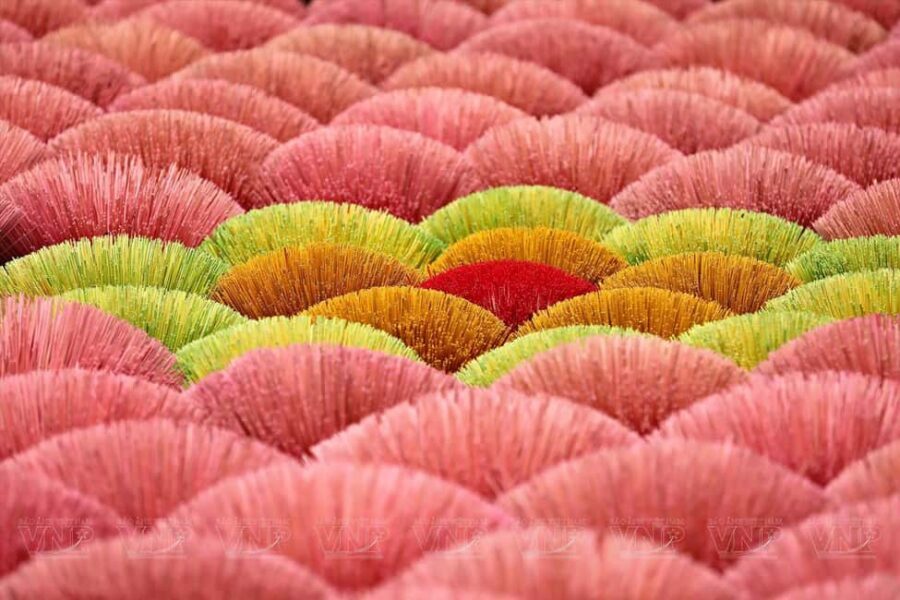
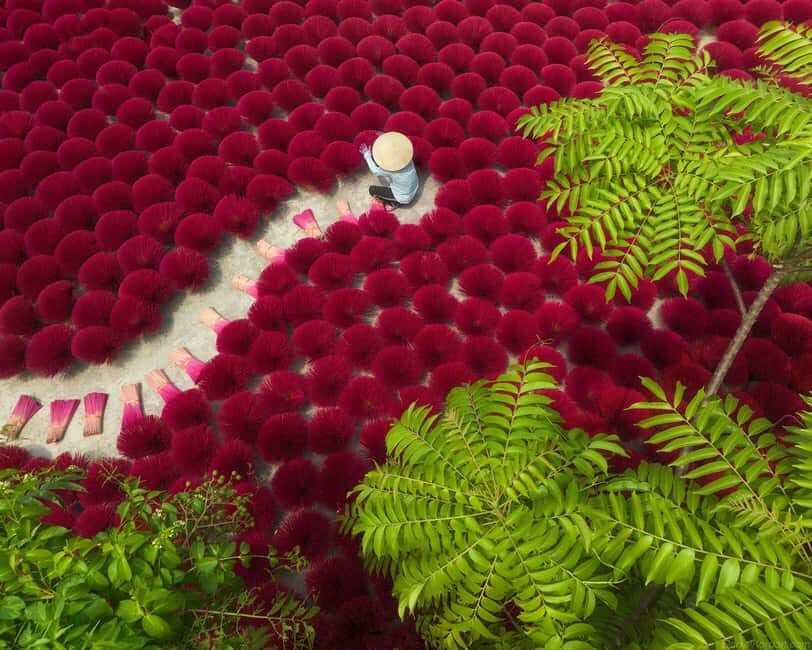
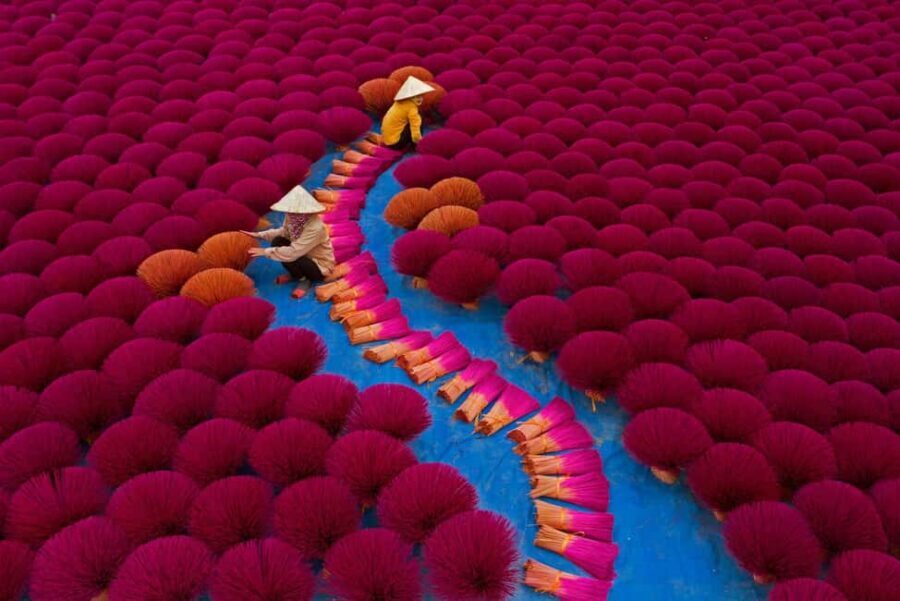
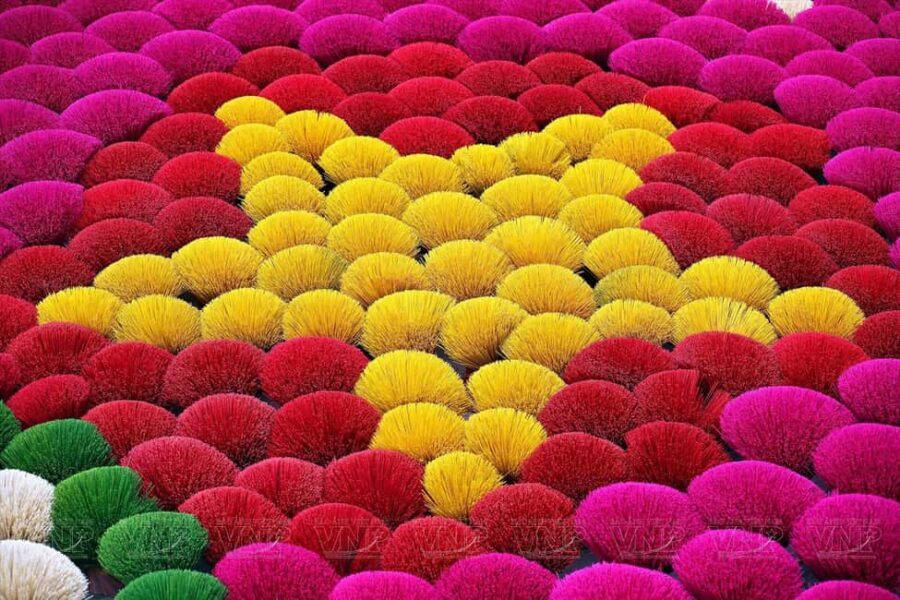
Next up is Quang Phu Cau Incense Village, an incense-making area that has produced incense for more than 100 years. If you’ve ever wondered how those thick bundles of incense sticks become a product, this stop answers it.
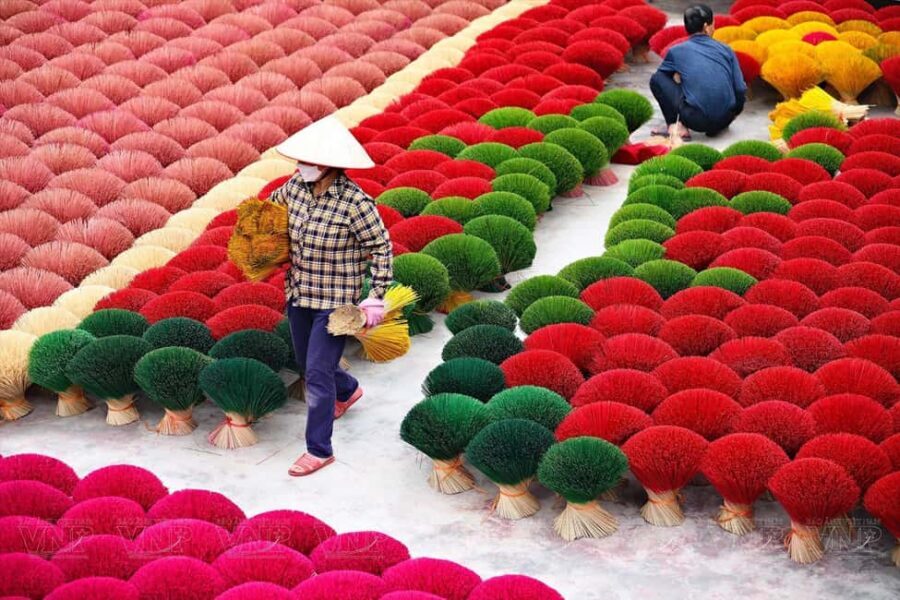
You’ll take a walk into the center of the village and see locals making incense on an artisanal, family scale. That phrase matters: you’re not watching a single massive production line. You’re watching a tradition that families keep passing along and refining.
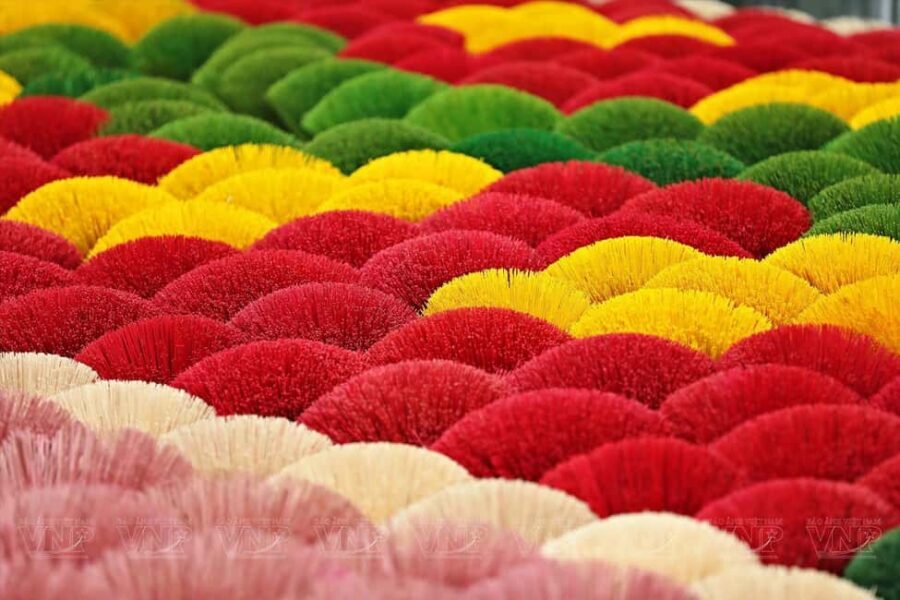
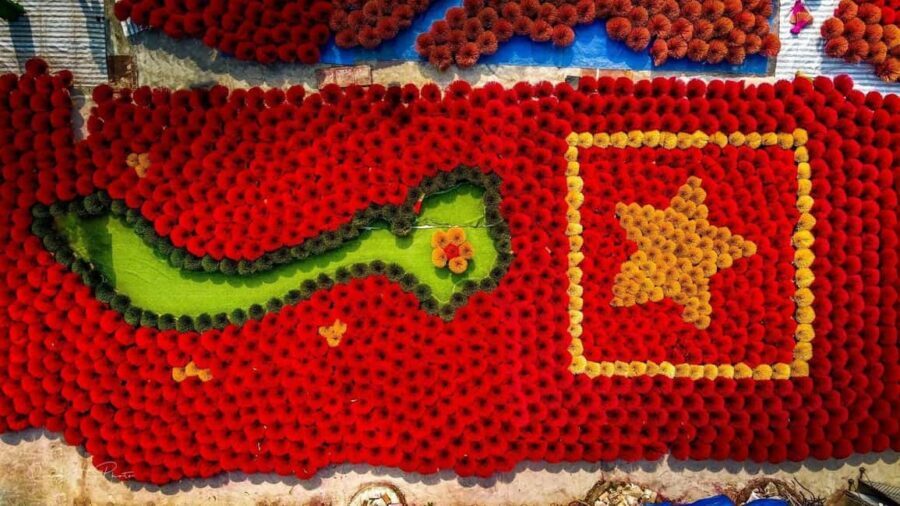
One of the most interesting parts is meeting a family who specializes in dyeing incense sticks. The sticks often come in colorful bundles, and seeing how that process works makes the color feel earned, not decorative. It’s not just how it looks—it’s how it’s made.
There’s also a hands-on element for this part of the tour. You’ll make incense during the activity and receive some free incense sticks afterward. That’s a useful souvenir, but more importantly it gives you a sense of effort and technique. You come away understanding why incense is such a normal part of temple life.
Timing, transport, and the real value of the price
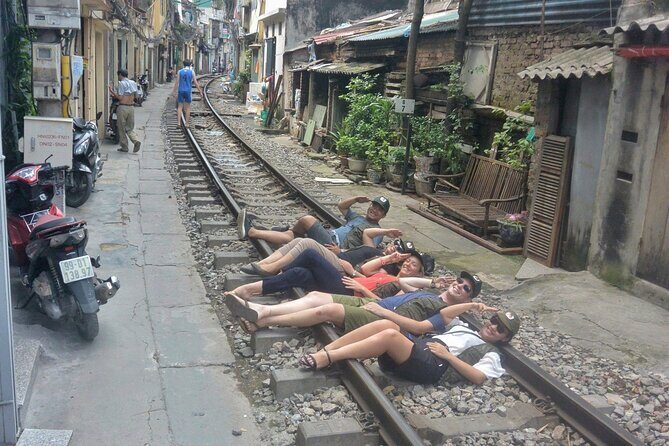
This experience runs about 6 hours. It typically starts with pickup from Hanoi’s Old Quarter area, often around Hoàn Kiếm, and it finishes with drop-off in the same area. There’s also a Train Street drop-off option. If you don’t want to stop there, you wait on the bus.
That matters for two reasons:
1) You get a full day’s worth of culture without having to manage logistics yourself.
2) You can choose where you want the day to end—near your hotel, or near another famous photo stop.
On value, the price is hard to ignore. At $14 per person, you’re not only paying for the guide and transport. You’re also getting all entrance fees, bottled water, and two craft activities with take-home results (the hat you paint and incense you make). Add in the fact that there’s a “skip the ticket line” convenience, and this starts to look like a practical deal rather than just a sightseeing outing.
The reviews backing this up tend to highlight practical service: punctual pickup, a comfortable vehicle, and a small group feel. You’re not stuck with a chaotic crowd, and the guide can actually keep things moving.



Who this tour is best for
I’d book this for you if you want a day that mixes sacred calm with real local craft. This is especially good if you:
- like temples that have active worship spaces, not only empty photo backdrops
- want to learn why people pray and burn incense in Vietnamese Buddhist practice
- prefer hands-on culture, like painting a conical hat
- don’t mind a short trip outside the city center
It might not be your best choice if you’re hunting only for famous Hanoi landmarks or you dislike visiting places where people are reflecting and praying. Here, you’re a respectful guest in someone’s spiritual routine.
Practical tips to get the most out of the day
Because this includes a worship site, keep your behavior in sync with the space. The pagoda is for reflection, so keep conversations calm and move slowly in quieter areas.
For the craft stops, bring a plan for your take-home items. You’ll paint a hat and handle incense during making, so you’ll want to keep your bag organized and protected. Also, don’t treat the craft part like a quick break. The hat painting is where the value turns personal, and that’s usually when the day becomes memorable.
Photo-wise, the pagoda is the place with the most visual variety—colors, statues, and garden arrangements. For the villages, photos are great, but the best moments are often when artisans are working. If you want those images, give yourself time to watch first.
Should you book this Thắng Nghiêm and village crafts tour?
If you want a single 6-hour outing that gives you three different textures—temple calm, traditional hat craft, and incense-making family work—then yes, this is a smart book. The pricing makes sense because you’re not paying extra for most of the core extras; you’re getting entrance fees, guided context, and take-home materials built into the experience.
I’d only hesitate if you’re short on time, hate travel outside the center, or you’re traveling for strictly city-center sights. Otherwise, it’s exactly the kind of day that makes Hanoi feel like a living place, not just a photo list.
FAQ
How long is the Hanoi Thắng Nghiêm Pagoda and village crafts tour?
The duration is about 6 hours.
Where is Thắng Nghiêm Pagoda located?
Thắng Nghiêm Pagoda is in Khúc Thủy Village in Thanh Oai District, about 15 km from Hanoi’s city center.
Is this tour private or a group experience?
You can choose private or small groups.
What craft activities are included?
You visit Chuong Conical Hat Village to observe conical hat making and paint a free conical hat souvenir. You also visit Quang Phu Cau Incense Village and participate in incense making, with some free incense sticks after.
Are entrance fees included?
Yes, entrance fees are included.
What else is included besides the visits and craft activities?
The tour includes bottled water, a professional local guide, hotel pickup and drop-off in Hanoi Old Quarter area, and a skip-the-ticket-line convenience.
What languages can the guide speak?
English, Vietnamese, Chinese, French, Italian, Japanese, Korean, Spanish, Indonesian, Thai, Russian, and Portuguese.
Is the tour wheelchair accessible?
Yes, it’s listed as wheelchair accessible.
Can I cancel, and is there a Lunar New Year surcharge?
Free cancellation is available up to 24 hours in advance for a full refund. There is a Lunar New Year surcharge of 250,000 VND per person from 16/02/2026 to 19/02/2026.