REVIEW · HANOI
Hanoi Stroll & “Rolling” Street Food Walking Tour
Book on GetYourGuide →Operated by Crossing Vietnam Tour · Bookable on GetYourGuide
Food in Hanoi comes in wraps. And you’ll get to roll them.
This 3-hour street-food stroll is built around cuốn culture, the lighter, fresh, roll-your-own style of eating that feels made for sharing. I especially like that you’re not just watching from the sidewalk: you’ll handle rice paper, assemble herbs and fillings, and taste the differences between several “rolling food” styles like bò lá lốt cuốn and phở cuốn. One possible drawback: it’s not vegan-friendly, and you should expect the food to add up fast—go in hungry.
I also like how the guide experience can shape the tour. In the real-world sense, guides such as Justin and Clare are described as friendly, good at adapting the food plan, and willing to steer you into quieter Old Quarter corners rather than only the main drag. If you prefer to nibble lightly for the whole trip, you may find the tastings on this one a bit filling—so plan your meals accordingly.
In This Review
- Key things to know before you start
- Getting started on Bát Sứ Street (and why it matters)
- The cuốn idea: fresh, light, and made to share
- Bò Lá Lốt Cuốn: piper lolot leaves and the aromatic beef trick
- Bánh Xèo and Nem Lui: crispy-savoury, then lemongrass pork skewers
- Phở Cuốn: Hanoi’s noodle sheet roll that feels extra fresh
- Nộm Bì Cuốn and Chạo Bì Cuốn: pork skin salad rolls, lighter than you’d expect
- Cuốn Tôm Thịt: classic shrimp-and-pork rolls with herb heat and peanut hoisin
- Dessert: chè or fresh fruit yogurt to cool the whole meal down
- Price and value: what $26 really buys you in Hanoi time
- What the guided walk adds beyond the food
- Who should book (and who should skip)
- Should you book the Hanoi Stroll and rolling street food tour?
- FAQ
- How long is the Hanoi Stroll & Rolling Street Food Walking Tour?
- Where is the meeting point?
- What language is the guide?
- What’s included in the $26 price?
- Are pick-ups available?
- Is the tour suitable for vegans?
- Can I cancel for a refund?
Key things to know before you start
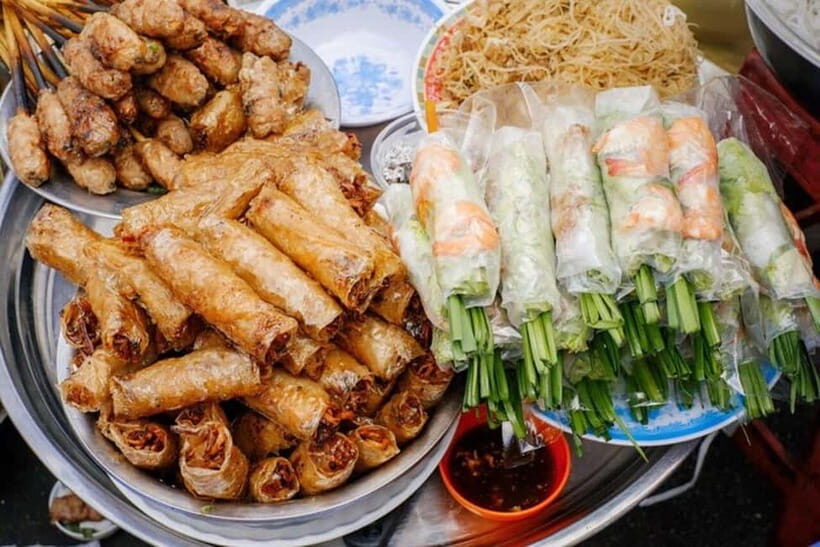
- Hands-on rolling: you’ll wrap fillings yourself, not just taste bites from a tray
- Focus on cuốn: multiple Hanoi-style rolls in one smooth 3-hour walk
- More than one flavor style: aromatic leaves, crispy pancakes, fresh noodle sheets, and light herb-forward rolls
- Guide-led Old Quarter wandering: backstreets and alleys, not only headline intersections
- Good value for $26: included tastings plus bottled water or local drinks for a short time window
Getting started on Bát Sứ Street (and why it matters)
Your tour begins at the Crossing Vietnam Tour Booking Office on 38 P. Bát Sứ (Bat Su Street). That location is handy because it puts you in the heart of Hanoi’s Old Quarter walking zone, where the best street food tends to happen in small pockets—not far from where locals actually eat.
This kind of walking tour lives or dies on pacing, and 3 hours is a smart length. It’s long enough to reach a few different food styles, but short enough that you’re not stuck in “sit, wait, repeat” mode.
One practical tip: bring a water bottle for afterward if you tend to get thirsty, even though bottled water or a local drink is included. Also, try to wear something you can move in comfortably. Street-food walks mean constant stops, quick transitions, and the occasional hop over a curb or puddle.
You can also read our reviews of more walking tours in Hanoi
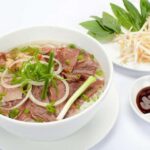
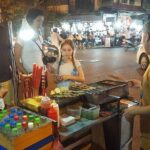
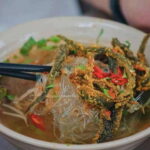
The cuốn idea: fresh, light, and made to share
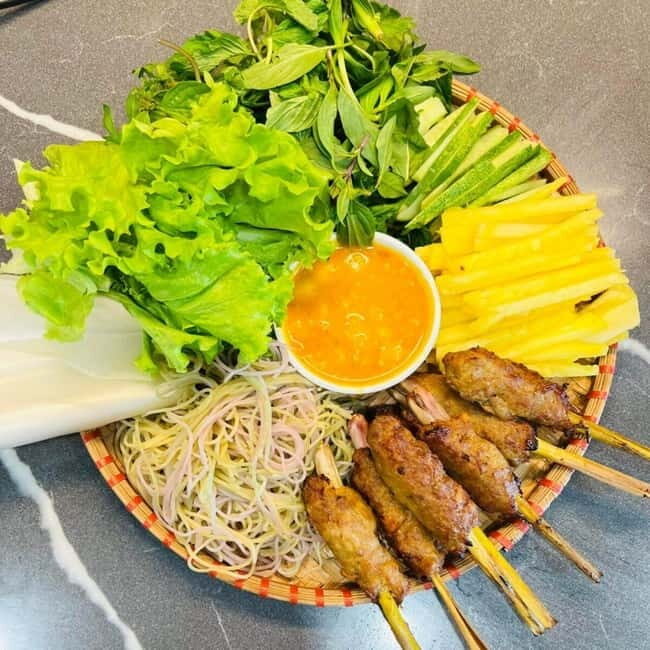
Cuốn is Hanoi’s approach to fresh rolls: herbs, lettuce, and rice paper do most of the work, while the sauces bring the punch. The clever part is that many cuốn dishes are built for balance—protein plus crunch plus cool herbs, then a dip that pulls everything together.
During this tour, you’ll learn what makes each wrap feel different. Some are built around grilled or savory fillings, others around noodle sheets, and some around lighter salad-style textures. Even if you’ve had Vietnamese rolls elsewhere, this is the kind of tasting that helps your palate understand the “why,” not just the “what.”
This also helps if you’re new to Vietnamese food. Hanoi has flavors that can seem similar at first glance, but the roll types separate them fast. You’ll notice how the sauces change the whole experience—from sweet-savory fish sauce dips to peanut-leaning hoisin sauces.
Bò Lá Lốt Cuốn: piper lolot leaves and the aromatic beef trick
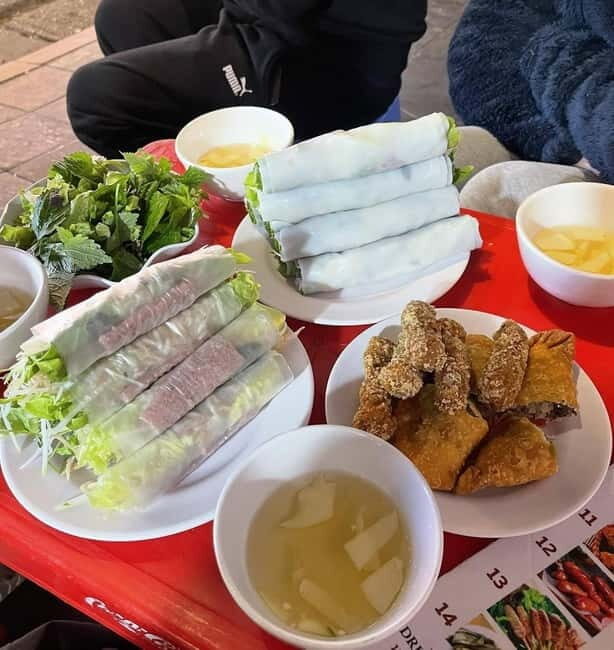
One of the headline tastings is Bò Lá Lốt Cuốn: grilled minced beef wrapped in aromatic piper lolot leaves. The leaf is the star here. It smells warm and herbal in a way that feels a little different from standard grilled herbs, and it gives the beef a fragrant edge.
You’ll get served components like rice vermicelli, herbs, pickles, and rice paper so you can assemble your own roll. Then you’ll taste the result with the sweet-salty sides that typically accompany cuốn style eating. This hands-on step matters: it’s easy to understand the dish when you control the proportions and feel the texture of the fillings and rice paper.
Potential drawback for some people: the aromatic leaf flavor is distinctive. If you don’t like herbal-minty notes in savory food, this could feel like a lot at first bite. But if you’re curious, it’s also one of the best ways to understand what makes Hanoi street food taste specifically like Hanoi.
Bánh Xèo and Nem Lui: crispy-savoury, then lemongrass pork skewers
Another major stop is Bánh Xèo & Nem Lui.
First comes bánh xèo, a crispy savory pancake filled with shrimp, pork, and bean sprouts. The tour format pairs it with a wrapping approach: you’ll cut it into pieces, wrap it in rice paper with fresh greens, and dip it in sauce. That combination is the point. Crispy food can be heavy, but the herbs and rice paper turn it into something you can keep eating without feeling weighed down.
Then you’ll move to nem lụi, grilled lemongrass pork skewers. Lemongrass has a clean, citrusy bite that lifts pork in a way that feels very “street” and very practical. In a roll-focused tour, pairing crispy bánh xèo with grilled skewers also gives you a nice contrast in textures.
If you’re sensitive to spice, taste carefully at the start. These dishes usually come with sauces that can lean salty-sweet, but they can also pack heat depending on how they’re served. Since the tour is built for tasting, you can adjust quickly by taking smaller bites and using more or less sauce.
Phở Cuốn: Hanoi’s noodle sheet roll that feels extra fresh
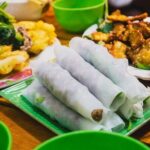
Phở cuốn is a Hanoi original and a favorite because it flips the whole phở concept. Instead of soup, you get wide rice noodle sheets wrapped around beef, lettuce, and herbs. Then you dip it in a sweet-savory fish sauce.
This is one of the best tastings for understanding what “fresh” actually means in cuốn. You’re not just eating something light in weight—you’re eating something light in structure. The noodle sheet is soft, the herbs are aromatic, and the dip ties it together without drowning it.
Because phở cuốn uses beef plus crunchy-fresh greens, it works as a palate reset after the earlier savory, grilled flavors. If your stomach tends to prefer cooler, fresher tastes mid-meal, this stop should hit at exactly the right time in your hunger cycle.
You can also read our reviews of more food & drink experiences in Hanoi



Nộm Bì Cuốn and Chạo Bì Cuốn: pork skin salad rolls, lighter than you’d expect
You’ll also try Nộm Bì Cuốn (or Chạo Bì Cuốn), which is essentially a pork skin salad rolled up. The building blocks are shredded pork skin salad with herbs, rice noodles, and crushed peanuts.
This dish sounds heavy at first, but it’s often served as a light, tangy, herb-forward roll. The peanut gives body and crunch, while the herbs and rice noodles keep it from feeling greasy. It’s a clever example of why cuốn culture works: different textures are folded into one bite-sized package.
The only real consideration here is that pork skin can be an acquired texture if you’ve never had it before. You’ll likely have a chance to taste slowly and decide how much you like it. If you’re adventurous, this is where your palate starts to “click” with Hanoi’s street-food logic.
Cuốn Tôm Thịt: classic shrimp-and-pork rolls with herb heat and peanut hoisin
Next up is Cuốn Tôm Thịt: fresh shrimp and pork rolls with herbs, vermicelli, lettuce, and rice paper. You’ll dip them in peanut hoisin sauce or fish sauce depending on how they’re served.
This is the classic “everyday good” of Hanoi rolling food: simple components that work because of the balance. Shrimp brings sweetness, pork adds savory depth, and herbs keep everything from feeling dull. The peanut-hoisin dip adds a mellow thickness that coats without overpowering.
I like this stop because it’s easy to appreciate even if you’re not deeply into Vietnamese cuisine yet. If you’re the type who worries you’ll arrive and only like one item, cuốn tôm thịt often becomes that dependable second favorite.
Dessert: chè or fresh fruit yogurt to cool the whole meal down
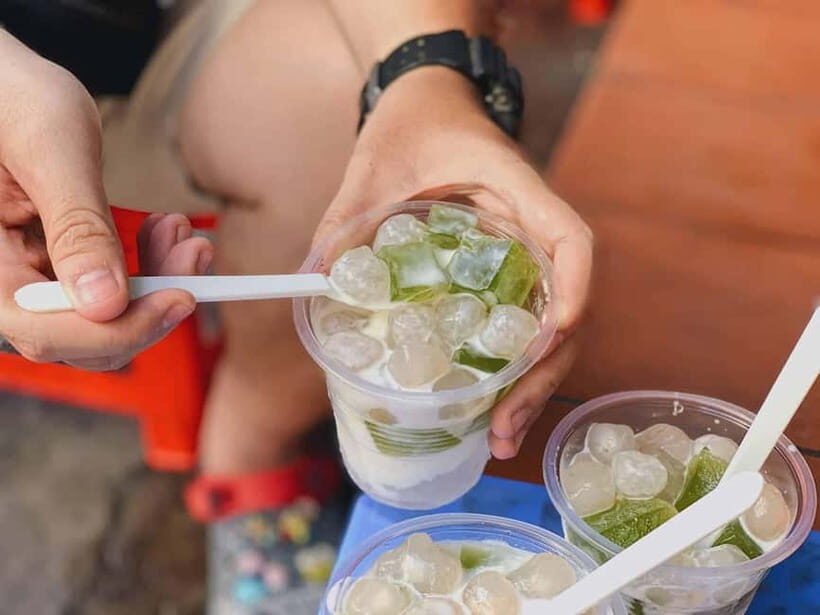
You finish with a seasonal dessert—either chè (a Vietnamese sweet soup) or a fresh fruit yogurt option. This is more than a sugar moment. After savory rolls, dessert helps reset your palate so you can actually remember the flavor differences from earlier instead of feeling like everything blended together.
If chè is offered, it typically feels warm, sweet, and comforting. If the yogurt option is on the menu, it tends to feel lighter and cooler. Either way, it’s a nice closer for a tour that’s all about fresh herbs, dips, and rice paper textures.
Price and value: what $26 really buys you in Hanoi time
At $26 per person for about 3 hours, this tour is priced like a “small investment, big payoff” meal. You’re not paying for a fancy sit-down dinner; you’re paying for guided ordering, multiple tastings, and that hands-on rolling practice.
What you get for the price is clear:
- all food tastings in suitable portions
- a local English-speaking guide
- bottled water or a local drink
And that matters because street food can get confusing fast. A guide helps you choose items that actually fit the cuốn theme and keeps the pacing efficient so you’re eating the right things at the right time.
Not included: other beverages and personal expenses. That’s normal, but it means you should budget a little if you want something extra beyond water or the included drink.
If you’re comparing this to doing everything on your own, you’ll likely spend time figuring out which roll styles to hunt down. Here, the structure does the work for you.
What the guided walk adds beyond the food
The food is the main event, but the walk part has value too. In the feedback about guides like Clare, the emphasis is on friendliness and showing hidden corners of the Old Quarter—more backstreets, less main-road focusing.
That changes your experience in two ways. First, you’re more likely to stumble onto the right stalls and small eating spots that don’t advertise to tourists. Second, you get context for the dishes so the rolling technique makes sense rather than feeling like a gimmick.
You also might get personalization. One reported experience included Justin asking what you’d already tried earlier in the holiday and adapting the tour for a fresh, authentic feel. That’s a big plus if you’re on a longer Hanoi stay and you’ve already sampled a few Vietnamese classics.
Who should book (and who should skip)
This is a strong fit for:
- first-time visitors who want a Hanoi-specific food theme
- people who like hands-on eating, not only tasting
- food lovers who want multiple cuốn styles in one go
It’s not suitable for vegans, so if that’s you, you’ll want a different tour format. Also, if you don’t handle walking and frequent stops well, the format may feel like too much on a tight schedule. Nothing extreme—just steady movement and repeated tastings.
And if you’re the type who normally eats a full breakfast before tours: resist the urge. One guide-taught reality check is that the tastings are really filling. Plan your day so this meal is the meal.
Should you book the Hanoi Stroll and rolling street food tour?
If you want the fastest way to understand Hanoi’s wrap-and-roll world, this is an easy yes. You’ll get several cuốn styles—aromatic piper lolot beef, crispy bánh xèo turned into rolls, noodle-sheet phở cuốn, pork skin salad rolls, and shrimp-and-pork cuốn—plus a sweet ending with chè or fresh fruit yogurt.
I’d book it if you like variety and you’re hungry enough to enjoy it properly. I’d skip it if you’re vegan or if you’d rather browse at your own pace than follow a guide’s stops and timing.
FAQ
How long is the Hanoi Stroll & Rolling Street Food Walking Tour?
The tour lasts 3 hours.
Where is the meeting point?
Meet at the Crossing Vietnam Tour Booking Office at 38 Bat Su Street (38 P. Bát Sứ).
What language is the guide?
The guide speaks English.
What’s included in the $26 price?
You get all food tastings with suitable portions, a local English-speaking guide, and bottled water or local drinks.
Are pick-ups available?
Optional hotel pick-up is available if you book a private tour.
Is the tour suitable for vegans?
No, it is not suitable for vegans.
Can I cancel for a refund?
Yes. Free cancellation is available up to 24 hours in advance for a full refund.




More Walking Tours in Hanoi


More Tours in Hanoi
- Ninh Binh Full-Day Tour from Hanoi to Hoa Lu, Tam Coc & Mua Cave Via Boat & Bike
★ 5.0 · 4,384 reviews