REVIEW · HANOI
Hanoi: Old Quarter Street Food Walking Tour with 10 Tastings
Book on GetYourGuide →Operated by Hanoi Street Food Tour · Bookable on GetYourGuide
Hanoi’s Old Quarter is a food lesson. This 3-hour walking tour turns the maze of streets into something you can actually navigate, with 10 tastings across 6–8 vendors and plenty of cultural context about Northern Vietnamese flavors. I especially like the way the guide connects each dish to ingredients and local food traditions, and I love the mix of grilled, fried, fresh, and sweet stops. The main drawback to plan for: you’ll eat a lot in a short time, so if you’re picky, very full fast, or avoiding alcohol, you’ll want to pace yourself and ask questions early.
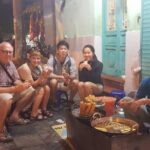
You start by meeting your English-speaking guide at the Hanoi Street Food Tour agency in the Old Quarter, then you’re off on foot. Guides like Tina are known for bringing serious enthusiasm, which makes it easier to ask why dishes taste the way they do. The tour includes water plus drinks like a local beer, egg coffee, and Vietnamese rice wine, so you’re not stuck figuring out what to order on your own.
In This Review
- Key things to know before you go
- Why Hanoi’s Old Quarter is the best street-food classroom
- Starting at the Hanoi Street Food Tour office: what your first hour feels like
- Market-edge wandering: where the ingredients start talking
- Bun Cha and Banh Cuon: the Northern duo you’ll remember
- Spring rolls and Nom Bo Kho: texture wars on a plate
- A French-inspired street cart snack: Hanoi’s layered history
- Flame-grilled over hot coals, bread-and-meat specialties, and local dining
- The fruit cup alley tradition: sweet, cold, and perfectly timed
- Hidden café stop: beer, egg coffee, rice wine, and a proper sit-down meal
- Price and value: why $27 feels fair for what you get
- Who should book this tour (and who should think twice)
- Practical tips to get the most from your 3-hour food crawl
- Should you book this Hanoi street food walking tour?
- FAQ
- How long is the Hanoi Old Quarter street food tour?
- Where do I meet the guide?
- How much does the tour cost?
- How many food tastings are included?
- What drinks are included?
- Is water included?
- Do you visit only street stalls?
- What are some specific dishes you’ll try?
- Is the tour suitable for children?
- Can I cancel and get a refund?
- Is smoking allowed during the tour?
- Is the tour wheelchair accessible?
Key things to know before you go
- 10 tastings across 6–8 vendors means variety without spending the whole day hunting stalls
- Bun Cha and Banh Cuon are key North Vietnam dishes, not just random snacks
- Hidden café stop adds egg coffee, Vietnamese rice wine, and a cold beer
- Market-edge wandering lets you see produce and spices right where locals shop
- French-inspired street cart bite shows Hanoi’s food influences in one quick stop
- Sit-down moments (with locals and at a small restaurant) break up the walking
Why Hanoi’s Old Quarter is the best street-food classroom
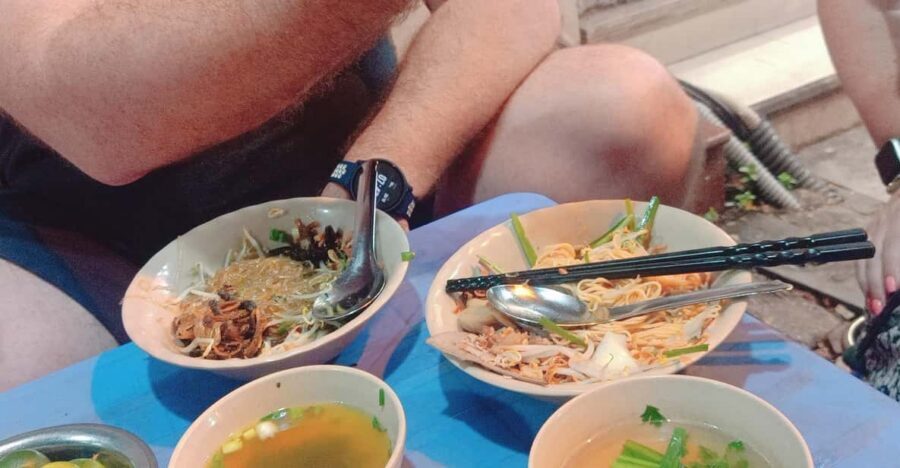
If you’ve ever wandered Hanoi’s Old Quarter and felt your bearings slip, this tour is built for that exact moment. The streets aren’t laid out like a museum map. They’re made for moving, trading, eating, and living. You’re walking through that real rhythm while a guide helps you connect what you’re seeing to what’s on the plate.
What makes the area such a great “classroom” is that food is everywhere—along the market edges, at street corners, and in tight lanes where daily life still feels close to the city’s long timeline (Hanoi has been around for over 1,000 years). You’re not just tasting dishes; you’re learning how Northern Vietnamese cooking leans on pork, noodles, savory-sweet sauces, herbs, and the balance of salt, fat, and aromatics.
And because you’re doing it with a guide, you’re less likely to miss the small details. It’s one thing to taste a sauce. It’s another to understand what makes it work and why it belongs with a specific dish.
You can also read our reviews of more walking tours in Hanoi
Starting at the Hanoi Street Food Tour office: what your first hour feels like
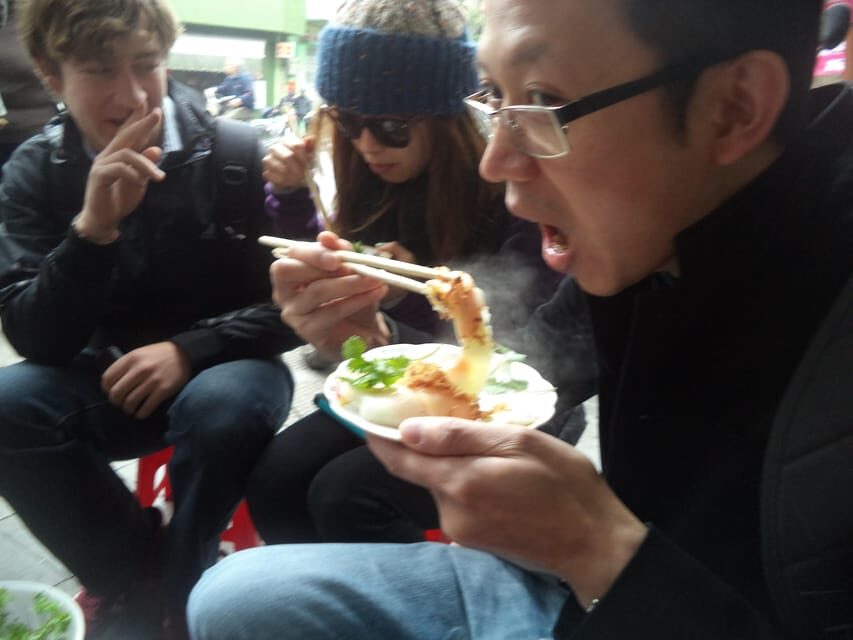
You meet at the Hanoi Street Food Tour agency in the Old Quarter, and it’s smart to arrive about 10 minutes early so you can get oriented. The plan is a walking tour that lasts around 3 hours, paced for tasting rather than sightseeing at breakneck speed.
You’ll want comfortable shoes from the start. The route is through narrow streets and lanes, and even when the stops are close, you still cover distance on foot. Also bring your camera if you like street scenes, but remember you’re there to eat—so don’t let photos slow you down too much.
Your guide leads in English, and you’ll see the tour includes both quick street bites and at least one sit-down stop. That structure matters. Street food can feel chaotic when you’re on your own, but it’s a lot easier to relax when you know you’ll be guided through the full sequence.
One more practical note: smoking isn’t allowed on the tour, and you’re asked to dress appropriately for the weather. Hanoi can change fast, so light layers help.
Market-edge wandering: where the ingredients start talking
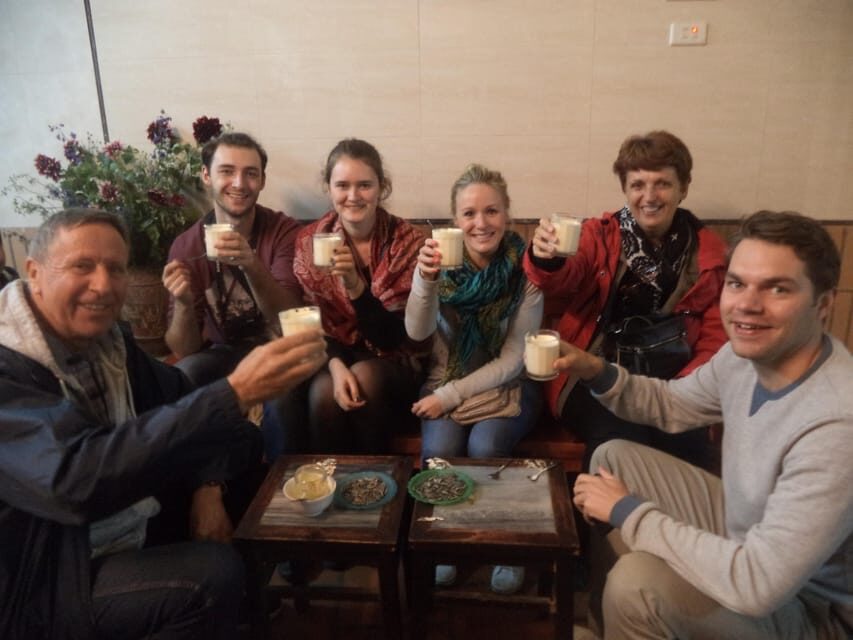
One of my favorite parts of this kind of tour is the setup. Before you’re fully committed to eating, you get to look around at the produce and ingredient flow that feeds the street-food scene.
You’ll stroll along the perimeter of a market area where street hawkers sell everything from colorful fruits and spices to live seafood. Even if you don’t buy anything, it gives you an instant feel for how varied Vietnamese cooking can be. You start noticing ingredients you’d otherwise gloss over: herbs, aromatics, and the way different flavors get paired with meat and noodles.
This is also where the guide’s explanations add value. Instead of treating dishes as random items on a list, you start to understand patterns in Northern Vietnamese cuisine—especially how pork-based dishes, bread, and dipping sauces fit together. When the first tasting arrives, you’ll know what to look for and what questions to ask.
Bun Cha and Banh Cuon: the Northern duo you’ll remember
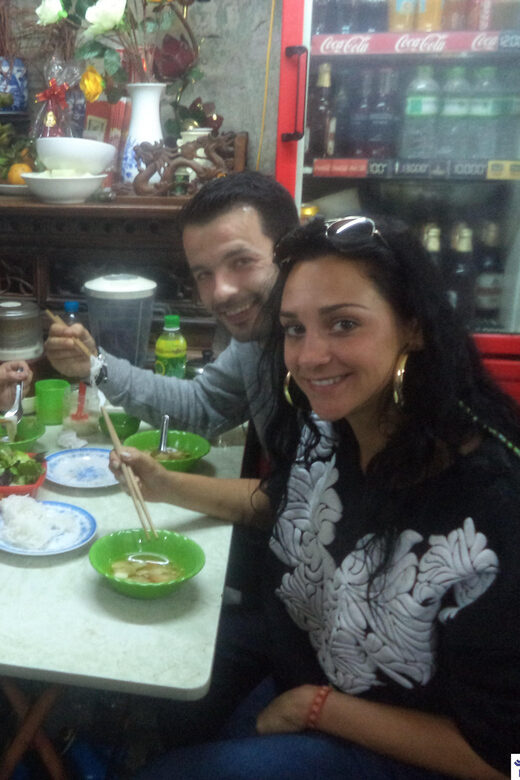
Two dishes anchor the tour’s “signature Hanoi” vibe: Bun Cha and Banh Cuon. These aren’t just classic names. They represent different textures and cooking styles, and they show why Northern Vietnamese food can be both comforting and subtle.
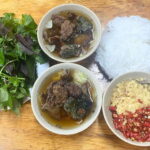
With Bun Cha, you’re typically looking at grilled pork paired with noodles—savory, fragrant, and built around sauces you can adjust with each bite. This is where hot coals and proper grilling matter. Street-grilled pork has a smoky edge that doesn’t come from a pan.
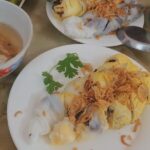
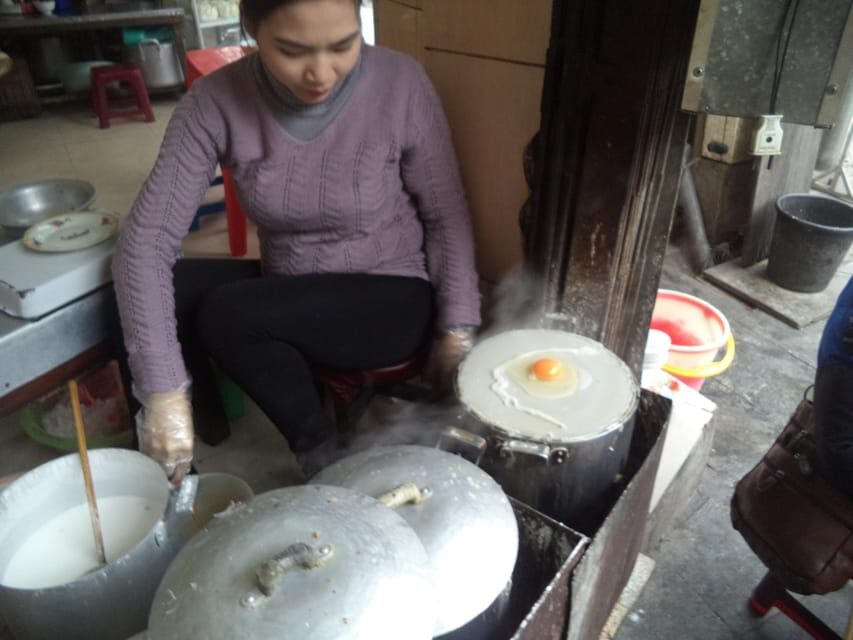
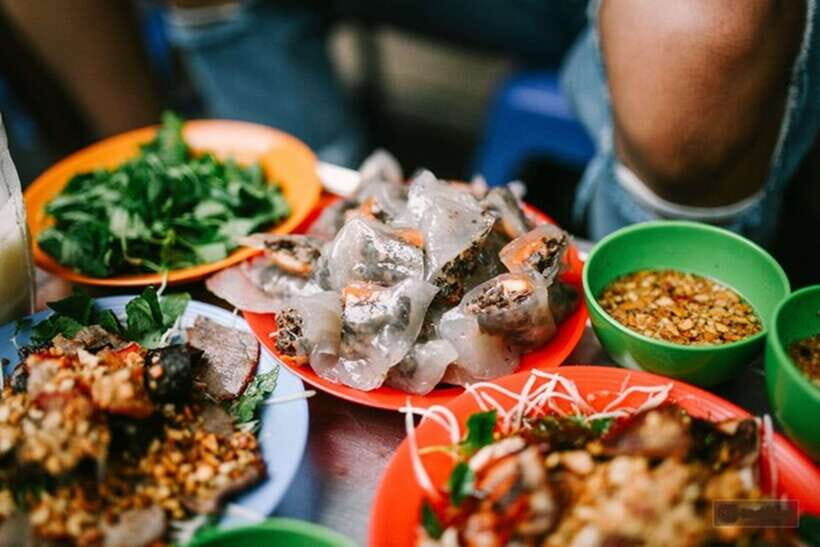
Then there’s Banh Cuon: rice roll with pork and veggies. This dish feels softer and lighter than Bun Cha, but it’s not “plain.” Rice rolls carry sauces differently, and the pork + veggie mix gives you something to chew and contrast against the steamed rice texture. If you get a moment to see how cooks assemble dishes, it makes the dish click fast—rice rolls don’t happen by accident.
If you love food that changes with each dip or bite, these two stops are a strong core. And if you’re new to Vietnamese cuisine, they’re a great foundation.
Spring rolls and Nom Bo Kho: texture wars on a plate
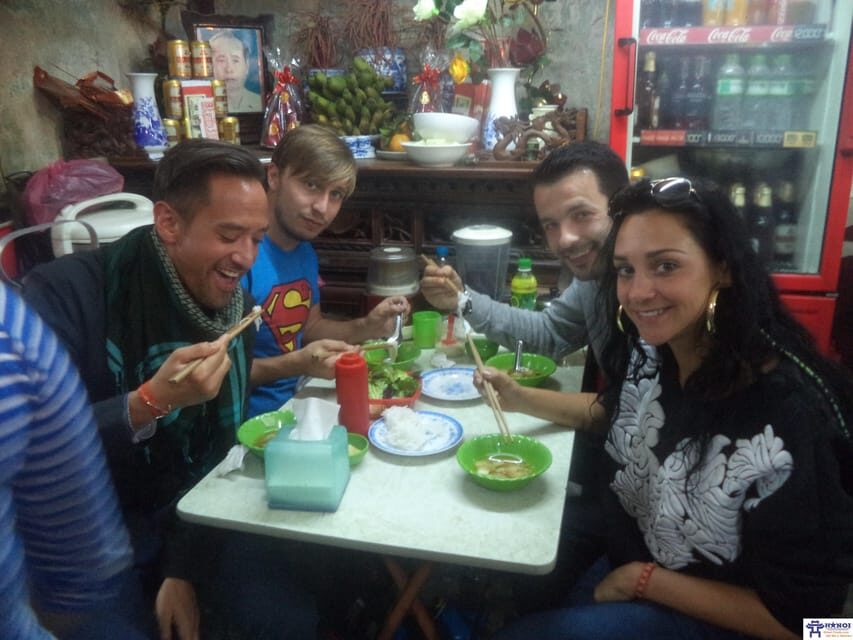
After the big anchors, the tour keeps moving with smaller but memorable tastings. You’ll sample Vietnamese spring rolls and also Vietnamese fried spring rolls—so you get both the fresh and the crispy sides of the same concept.
Spring rolls are a good “map” dish. The fillings and dipping sauces tell you a lot about how Vietnamese flavors balance. You’ll taste how herbs, aromatics, and savory components work together, and you’ll likely notice how different frying changes the feel of the same overall idea.
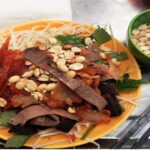
Then you hit Nom Bo Kho, a beef jerky salad. That name sounds like it belongs in a text message, but on the table it’s a chewy, salty, punchy experience. It’s a reminder that not everything is soft and noodle-based. Northern food can be sharp and satisfying.
These stops also help you learn what you personally like. If you fall for grilled flavors, keep an eye out for the hot-coal snacks later. If you prefer crunch and sauce, the fried spring rolls will hit the spot.
You can also read our reviews of more food & drink experiences in Hanoi



A French-inspired street cart snack: Hanoi’s layered history
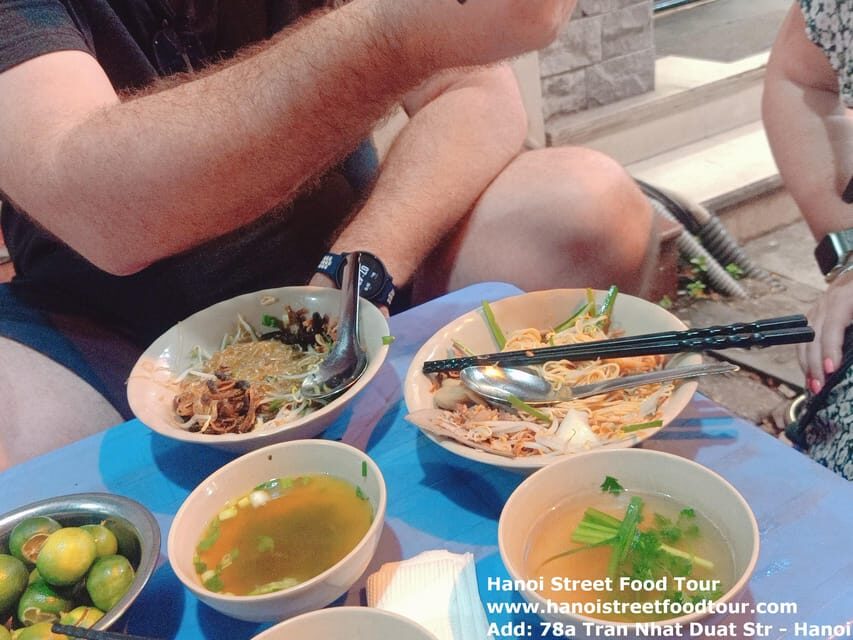
Hanoi’s street food doesn’t live in a single timeline. One tasting includes a French-inspired snack from a street cart, which is a quick way to see how outside influences shaped Vietnamese eating habits.
I love tastings like this because they’re small enough that you don’t get overwhelmed, but specific enough that you can actually taste the influence. You’ll often find the “French connection” shows up through bread styles, creamy sauces, or snack formats built for handheld eating. Even without a long explanation, the flavors feel familiar in a new way.
This stop is also a good reset between heartier dishes. It’s bite-sized, street-level, and easy to enjoy while you keep walking.
Flame-grilled over hot coals, bread-and-meat specialties, and local dining
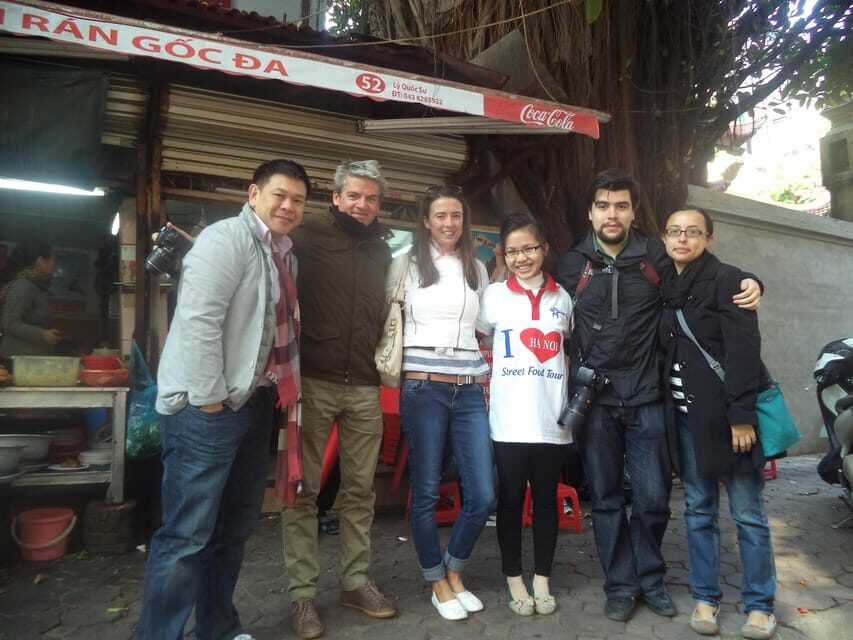
Midway through the tour, you get to experience the part of Hanoi street food that locals lean on when they want flavor fast: food cooked over hot coals. The tour includes meat, vegetable, and bread specialties that are grilled this way.
You’ll also get a seat at some kind of local setup, where you can eat rather than just hover. That matters more than people think. Street food is better when you can actually slow down for 5 minutes and taste properly. You’re less likely to rush through the flavors, and you can ask the guide what to notice.
If you’re the type who likes asking practical questions—how sauces are built, why certain ingredients show up—this part is where the guide can shine. It’s not just eating. It’s learning how Vietnamese cooks build depth with simple tools: coals, heat control, and sauce balance.
The fruit cup alley tradition: sweet, cold, and perfectly timed
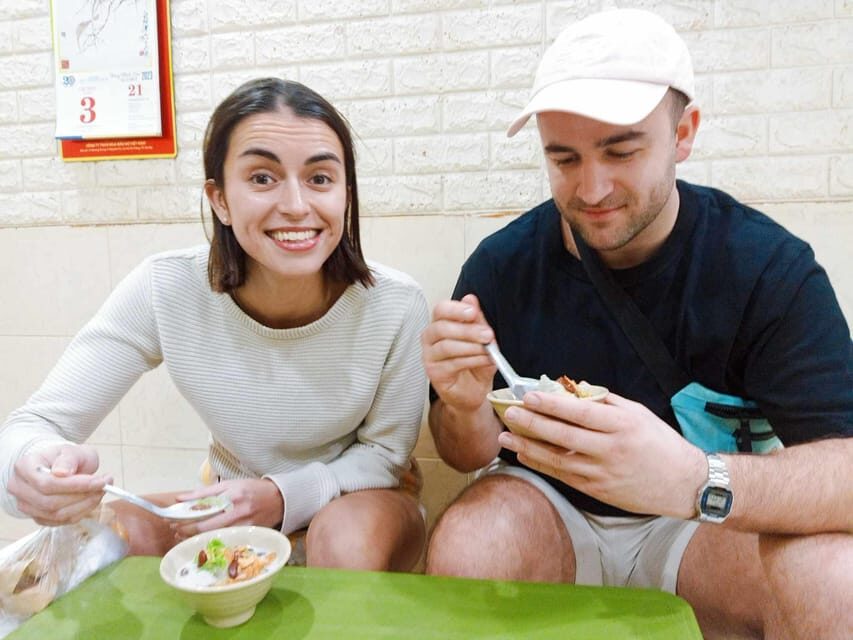
After savory hits, the tour takes you to a small alley for a cooling, refreshing tradition: fresh fruit served with crushed ice and condensed milk, in a cup.
This stop is more useful than it sounds. It cools your palate, gives you a contrast to smoky grilled flavors, and lets you reset before the final drinks and dessert. You’ll also appreciate how street vendors can turn something simple—fruit—into a memorable treat with the right texture and sweetness.
It’s the kind of tasting that makes street food feel like culture, not just fuel. And it’s a nice reminder that Vietnamese cuisine can swing from salty to sweet without feeling random.
Hidden café stop: beer, egg coffee, rice wine, and a proper sit-down meal
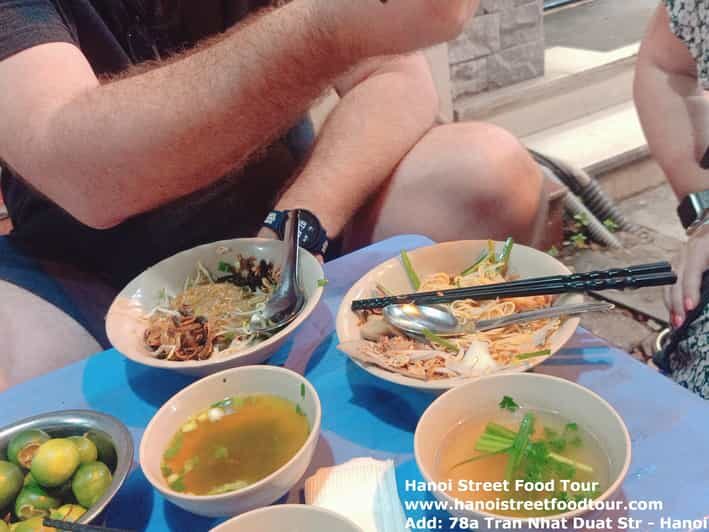
The tour’s finale is where the experience shifts from street corners to a hidden café-style stop. You’ll taste top street foods here, including Banh My Hanoi (sandwich), plus drinks like chilled local beer, Vietnamese rice wine, and a cup of the famous egg coffee.
Egg coffee is one of those Hanoi must-try flavors for a reason. It’s creamy and coffee-forward, with a richness that feels more like dessert than caffeine. If you’ve never tried it, this is a great first time, because you’ll likely be given a guided sense of what to pay attention to in texture and taste.
Rice wine adds another layer: it’s included as part of the tasting, so expect a drink component that’s part of the cultural experience. The cold beer is there too, and having both gives you options depending on your comfort level.
Banh My Hanoi is the sandwich stop that ties things together. Street sandwiches are designed for quick eating, but tasting it as one of the final bites helps you understand how bread carries flavors—crunch, sauce, and fillings all in one bite.
And yes, there’s also local dessert included. It’s a sweet ending that won’t feel like a random afterthought, because you’ve already trained your palate to think in contrasts.
Price and value: why $27 feels fair for what you get
At $27 per person for about 3 hours, this tour is strong value if you measure it by total tastings plus guide time, not just the headline cost.
You’re getting:
- 10 tastings across 6–8 vendors
- 1 bottle of water
- 1 local beer
- egg coffee
- Vietnamese rice wine
- local dessert
- an English-speaking guide helping you connect dishes to culture
If you tried to recreate this solo, you’d spend more time figuring out where to go and what to order, especially for dishes like Banh Cuon and egg coffee. And you’d probably miss some of the “extra” cultural context that makes the food feel meaningful instead of just tasty.
This is also a tour type where the guide can save you from common beginner mistakes: picking the wrong stall, ordering only one category of food, or ending up underfed or lost. The built-in sequence is part of the value.
Who should book this tour (and who should think twice)
I think this tour is ideal if you:
- want a guided introduction to Hanoi street food without spending hours planning
- like variety, especially grilled, fried, fresh, and sweet items
- enjoy learning the why behind what you’re eating (ingredients, traditions, and dish background)
- can handle walking and tasting back-to-back
You may want to think twice if:
- you get full quickly (10 tastings plus drinks is a lot for one sitting)
- you prefer no alcohol at all (beer and rice wine are included)
- you’re traveling with very young kids, since it’s not suitable for children under 5
Practical tips to get the most from your 3-hour food crawl
A few small choices make a big difference:
- Wear comfortable shoes with good grip. Old Quarter streets can be uneven.
- Bring camera if you like street scenes, but don’t let it become your priority.
- Dress for the weather so you’re not distracted by discomfort.
- Start hydrated: water is included, but you’ll still benefit from drinking steadily.
- If you’re unsure about direction back later, ask your guide. They can help with directions or with catching a taxi.
If you treat the tour like a guided tasting menu instead of a quick snack run, you’ll enjoy it more.
Should you book this Hanoi street food walking tour?
If you want a fun, practical way to experience Hanoi’s Old Quarter food culture—without doing the planning grind—this tour is a very good call. The combination of 10 tastings, key dishes like Bun Cha and Banh Cuon, and the big finish with egg coffee, rice wine, and a cold beer gives you real variety in a short time.
Book it if you’re curious, hungry, and okay with walking and eating a lot. Skip it if alcohol is a dealbreaker or if you prefer lighter, slower meals.
If you’re on the fence, I’d choose it. Hanoi street food tastes best when someone local helps you connect the dots.
FAQ
How long is the Hanoi Old Quarter street food tour?
The tour lasts about 3 hours.
Where do I meet the guide?
Meet at the Hanoi Street Food Tour agency located in Hanoi’s Old Quarter. Arrive about 10 minutes early.
How much does the tour cost?
The price is $27 per person.
How many food tastings are included?
You’ll get 10 food tastings across 6–8 different vendors.
What drinks are included?
Included drinks are 1 local beer, egg coffee, and Vietnamese rice wine.
Is water included?
Yes, 1 bottle of water is included.
Do you visit only street stalls?
No. You’ll include a hidden street food restaurant/café stop for items like Banh My Hanoi, egg coffee, rice wine, and a cold beer, plus dessert.
What are some specific dishes you’ll try?
The tour includes dishes such as Bun Cha, Banh Cuon, Vietnamese spring rolls, Nom Bo Kho, Vietnamese fried spring rolls, and Banh My Hanoi, along with local dessert and fruit with crushed ice and condensed milk.
Is the tour suitable for children?
It is not suitable for children under 5 years old.
Can I cancel and get a refund?
Yes. You can cancel up to 24 hours in advance for a full refund.
Is smoking allowed during the tour?
No, smoking is not allowed.
Is the tour wheelchair accessible?
Yes, it is wheelchair accessible.

More Walking Tours in Hanoi


More Tours in Hanoi
- Ninh Binh Full-Day Tour from Hanoi to Hoa Lu, Tam Coc & Mua Cave Via Boat & Bike
★ 5.0 · 4,384 reviews