REVIEW · HANOI
Hanoi City Half Day – A City Saves Traditional Beauties
Book on GetYourGuide →Operated by Asian Travel Discovery · Bookable on GetYourGuide
Hanoi in four hours can feel like a week. I like how this half-day tour stitches together Hoan Kiem Lake legends and a very specific train-track egg coffee moment, with time for major sights too. The guide experience matters here, and the best runs I’ve picked up on include punctual, story-focused hosts such as Chiến, Alex, and Tony.
My only caution is the schedule is tight, so you’ll want comfortable shoes and a little patience around crowds and city traffic. Also, the fine print is a bit mixed on admissions: entrance tickets are listed as included, but a ticket charge is also listed as not included, so confirm what you’ll need to pay on the day.
In This Review
- Key points to know before you go
- Entering Ba Dinh Square: Ho Chi Minh’s monuments with a human scale
- One Pillar Pagoda: why Hanoi’s iconic symbol fits in a short time
- Temple of Literature: 800 years of schooling, not just a pretty courtyard
- Old Quarter mode: narrow streets, Dong Xuan sights, and Ta Hien’s night energy
- Train Street egg coffee: a Hanoi tradition sitting on top of daily life
- Architecture breaks: Opera House and Cathedral for a change of pace
- Ngoc Son Temple and Hoan Kiem Lake: legend at the heart of the city
- Price and logistics: what you really get for about $22
- Who this tour suits best (and who should skip it)
- Should you book Hanoi City Half Day?
- FAQ
- How long is the Hanoi City Half Day tour?
- What is included in the price?
- Is hotel or central pick-up included?
- Are tickets included for all stops?
- Is egg coffee included?
- What languages are available for the guide?
- What is the cancellation policy?
- Is a private group available?
Key points to know before you go
- Ho Chi Minh Mausoleum area plus everyday-life stops: you don’t just see a monument; you see associated places tied to Uncle Ho’s daily routine.
- One Pillar Pagoda’s icon status: it’s a compact stop with one of Hanoi’s best-known architectural symbols.
- Temple of Literature as Vietnam’s early school system: built as a training space for royals, mandarins, and the elite for about 800 years.
- Old Quarter by foot plus major markets by sight: you get street-level Hanoi, with Dong Xuan Market spotted and Ta Hien Street in full night-day mode.
- Train Street egg coffee in the middle of residential life: the tracks sit close to homes, so the moment feels both strange and familiar.
- Hoan Kiem Lake + Ngoc Son Temple: a spiritual stop wrapped into the city’s most famous lake legend.
Entering Ba Dinh Square: Ho Chi Minh’s monuments with a human scale
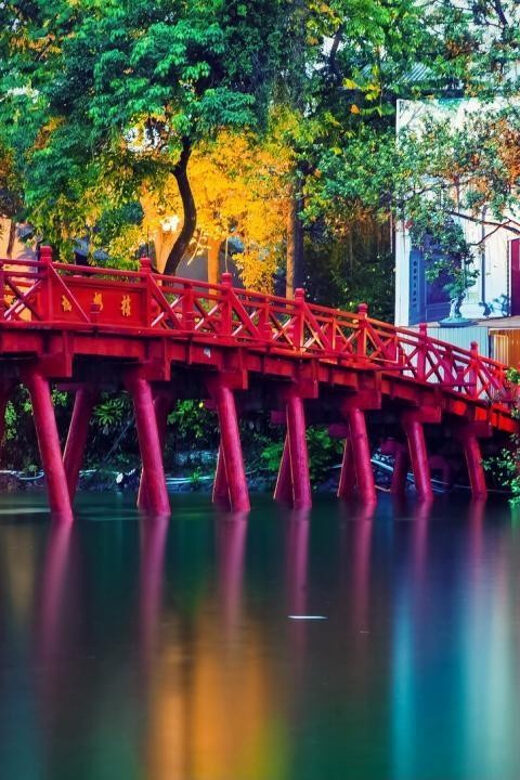
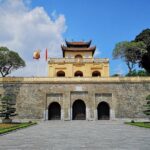
This tour starts in Hanoi’s most official zone, Ba Dinh Square, where Uncle Ho read the Declaration of Independence. It’s a powerful way to understand the political birth of modern Vietnam without getting lost in academic details. The guide frames it as a story of simplicity plus a huge revolutionary career.
Next, you don’t stop at the mausoleum itself. You also visit associated places tied to Uncle Ho’s daily life—like the Presidential Palace, his stilt house, a fish pond, and the Ho Chi Minh museum area. That mix is what I like most: you get the symbolism and the routine side by side.
Practical note: this is one of the earliest stops, so dress for respect and plan for walking and waiting. If your morning is already tight, this is the part where timing can feel less flexible, so keep your attention on the guide and the group.
You can also read our reviews of more city tours in Hanoi



One Pillar Pagoda: why Hanoi’s iconic symbol fits in a short time
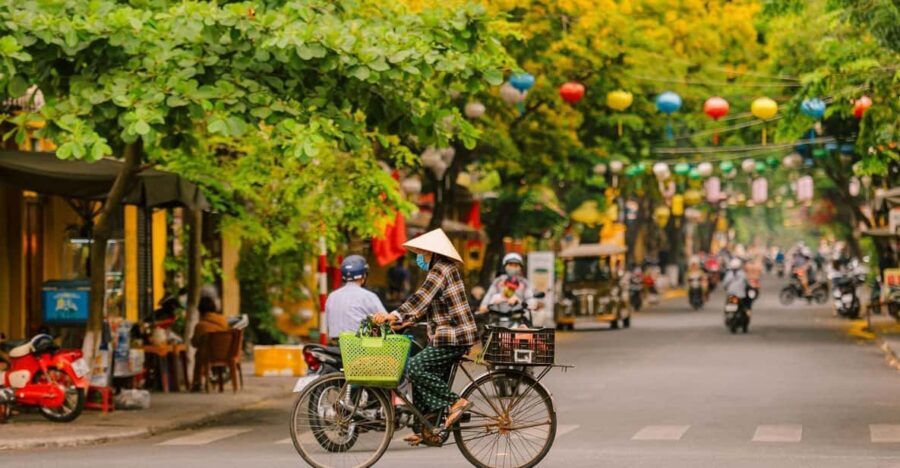
One Pillar Pagoda is the kind of sight that can look small from the outside and still feel like a big deal once you’re there. It’s called out as an ancient, sacred pagoda and the most famous in Vietnam because of its unique architectural and cultural symbol of Hanoi.
In a half-day format, this stop works because it’s concentrated. You’re not spending hours getting background lectures. Instead, you see the structure and the meaning your guide connects to it—especially how pagodas function as spiritual landmarks in Vietnamese daily life.
The only drawback here is that it can be a photo-and-walk rhythm. If you want slow, quiet contemplative time, the tour’s pace may feel brisk. Still, it’s a strong “must-see” anchor early in the day.
Temple of Literature: 800 years of schooling, not just a pretty courtyard
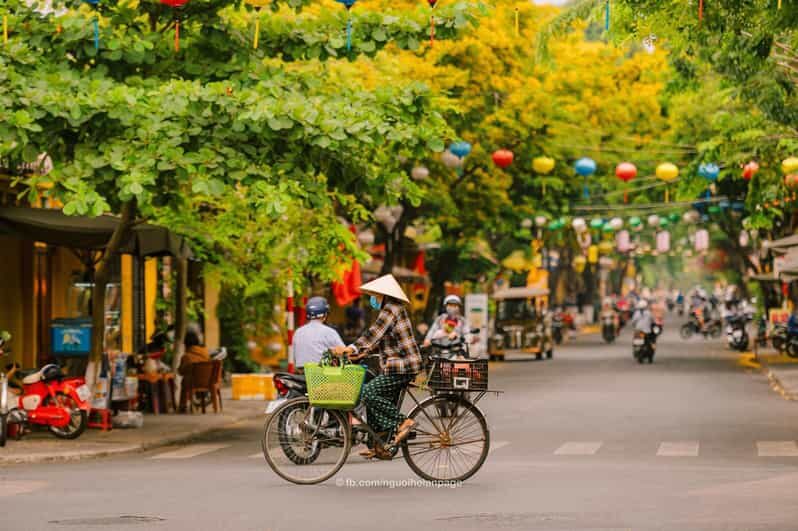
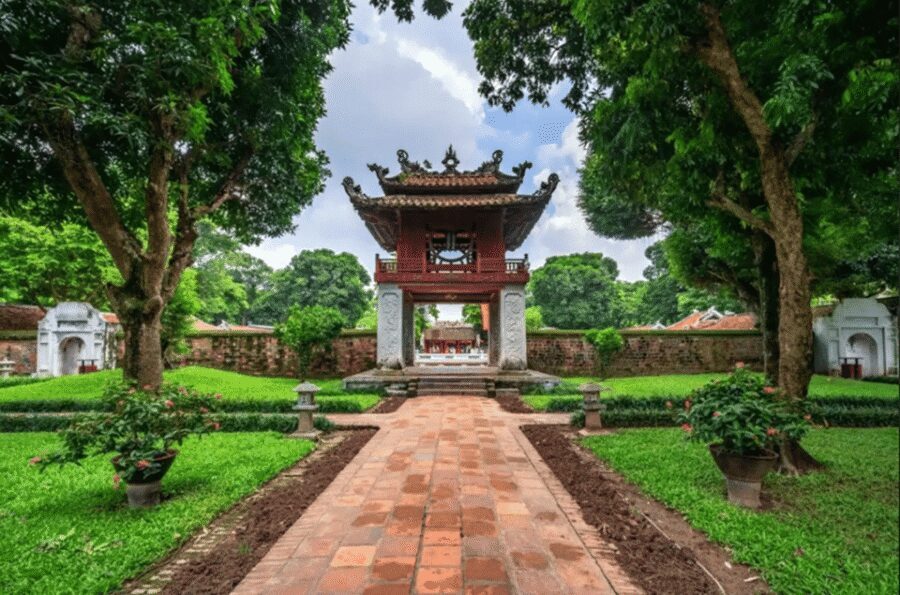
Temple of Literature is built around one clear idea: education as a respected tradition. It began as the first university in Vietnam, established as a temple to train royals, mandarins, and members of the Vietnamese elite. The timeline—about 800 years—helps you see why the place feels serious rather than decorative.
What you’ll likely notice on-site is the design language. There’s a row of giant trees along the grounds, plus meticulous architectural work that reflects the wealth of the aristocracy. If you’re the kind of person who likes reading buildings like clues, you’ll enjoy how the space signals status and learning at the same time.
The tour also highlights a modern ritual aspect: many students come here to pray for their studies. That makes the stop feel connected to today, not trapped in the past.
Old Quarter mode: narrow streets, Dong Xuan sights, and Ta Hien’s night energy
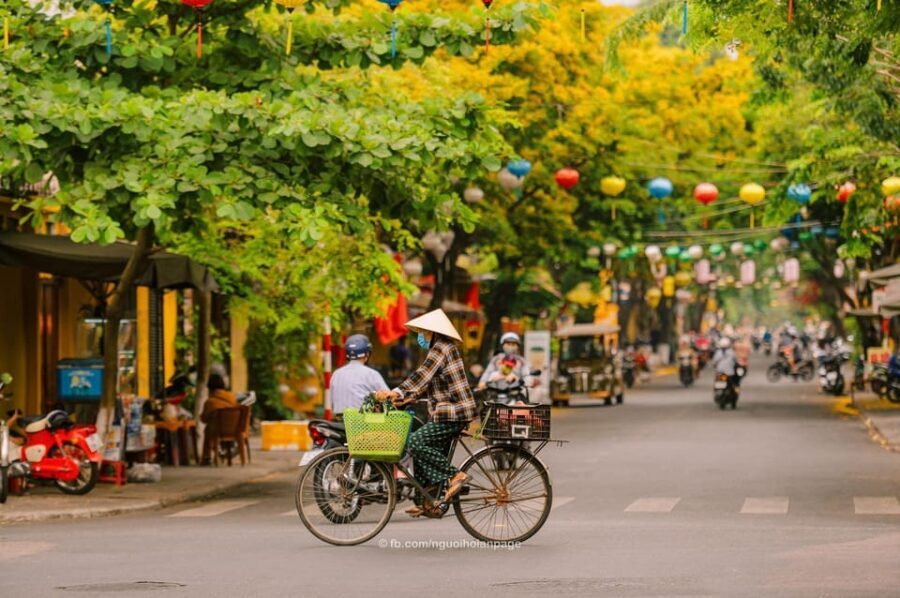
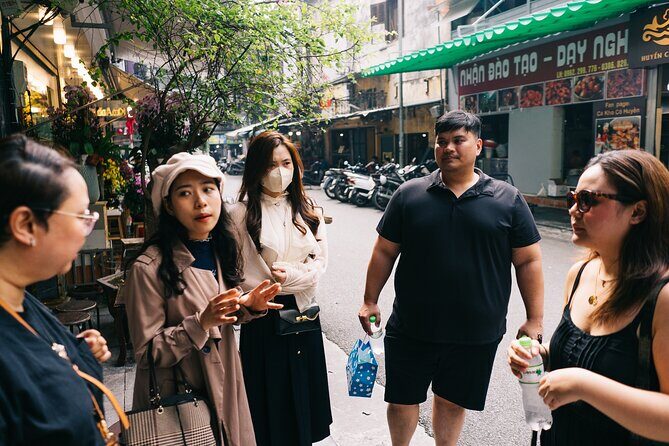
After the early “state and school” stops, the tour shifts into street Hanoi. The Old Quarter is famous for narrow streets, active markets, and everyday street life, and this tour is built to get you close to that feeling. You’ll spend time with the guide so you’re not just wandering and guessing what you’re looking at.
From the car, you’ll admire Dong Xuan Market, described as the largest famous traditional market in Hanoi. Even when you aren’t going inside, the view helps you place the Old Quarter in the bigger map of local commerce.
Then comes Ta Hien Street, known as the street that never sleeps. It’s short—less than 100 meters—but it packs in music, laughter from bars, and the aroma from shops and street food stalls. This is one of the stops where the tour feels less like sightseeing and more like watching how Hanoi “runs” after dark.
Two practical thoughts: keep water handy even though the tour includes bottled water in the car, and expect more sensory input here than at the memorial sites.
Train Street egg coffee: a Hanoi tradition sitting on top of daily life
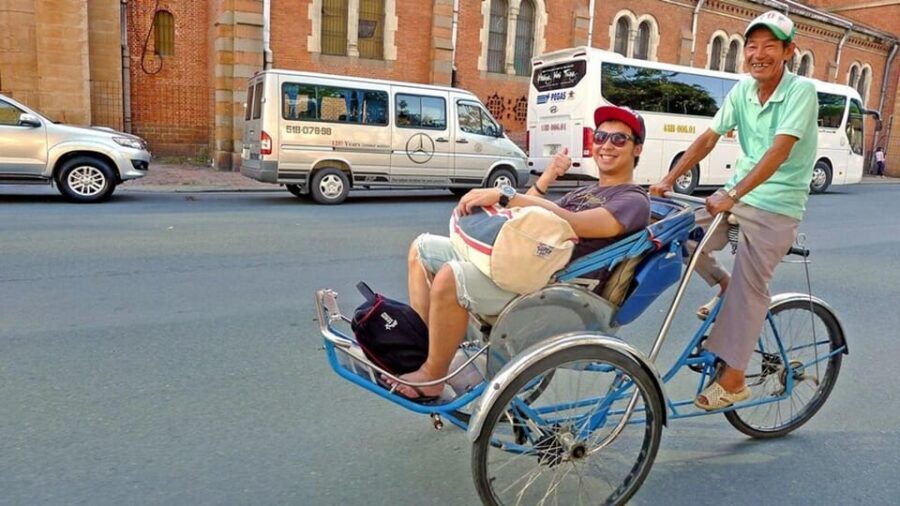
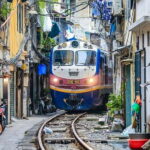
This is the moment people remember because it sounds quirky until you see how normal it is here. You’ll enjoy egg coffee on the train track area, where the tracks sit right inside a crowded residential setting, just steps away from homes.
When there are no trains, the edges of the tracks become a life-space. Children play nearby, adults cook, sit and drink tea, or knit. So you’re not just watching a “street photo spot.” You’re seeing why the city’s rhythm can feel so different from what you expect.
The tour setup aims to make this even better by timing the moment with a passing train. In one of the best guide-led experiences I heard about, guide Chiến managed to get the group to the train-track area to catch a train pass. That kind of timing is what turns a snack stop into an actual memory.
Important: egg coffee is listed as not included. You should plan to pay for it separately, unless your specific booking says otherwise. And it helps to know you’ll be near the tracks, so stay aware of where you’re standing and follow the guide.



Architecture breaks: Opera House and Cathedral for a change of pace
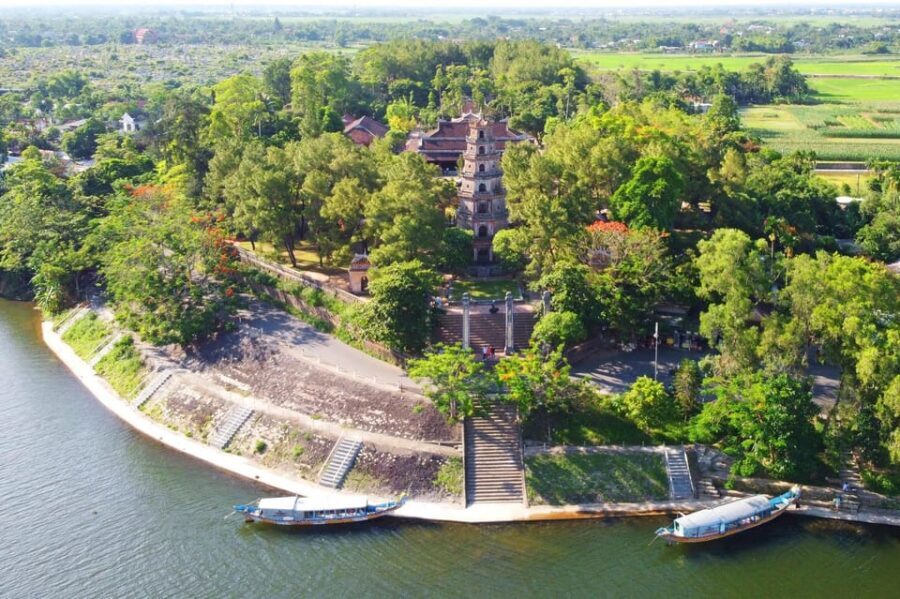
Not every stop here is about streets or temples. You’ll also admire the Opera House and the Cathedral in Hanoi, two of the city’s most famous architectural works. If you’ve been walking a lot, these stops offer a visual reset and a chance to look upward at design details.
In a half-day, the guide typically keeps it moving, but the point is still valuable: it’s a way to understand Hanoi’s layers. You go from memorial space to religious symbolism, from learning traditions to street food energy, and then to big, formal buildings.
If you’re traveling with someone who gets tired of crowds, these architecture moments can act like a pressure valve. Just don’t expect long museum-style stays.
Ngoc Son Temple and Hoan Kiem Lake: legend at the heart of the city
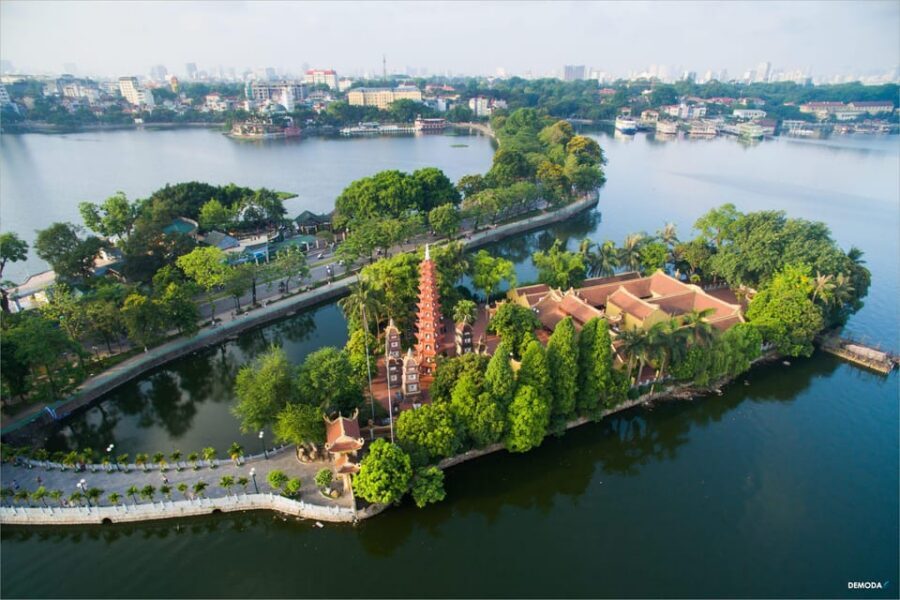
The tour ends with the spiritual and scenic center of Hanoi: Ngoc Son Temple and Hoan Kiem Lake. Ngoc Son Temple sits in the heart of Hoan Kiem Lake and is described as a famous spiritual place. You’ll see the temple’s unique architecture and enjoy the viewpoint over the lake.
Then you get Hoan Kiem Lake itself, framed as the heart of the capital. The guide connects it to Vietnam’s legend of the Divine Turtle returning the sword. Even if you don’t know the story beforehand, the lake setting helps you feel why it’s a recurring symbol in Hanoi culture.
This is also the part of the tour where walking can feel easiest. You’re in a calmer visual zone compared to the Old Quarter streets. It’s a good place to slow down mentally, even if the group timing still keeps you moving.
Price and logistics: what you really get for about $22
The headline price is about $22 per person for a 4-hour half-day. In practical terms, you’re paying for three things: a guide who ties the stops into a coherent story, an AC car for the connections between areas, and site access where admissions apply.
Included basics that add real value:
- AC car transfer and bottled water
- pick-up and drop-off at the center of Hanoi
- English-speaking guide (other languages cost extra)
- entrance tickets are listed under included, though ticket is also listed as not included—so confirm coverage
Not included items to budget for:
- tickets (worth confirming for each site)
- egg coffee
- holiday surcharge in Vietnam (if your day falls during a peak period)
Is this good value? For most first-time visitors, yes. You cover major “big name” Hanoi (Ho Chi Minh area, One Pillar Pagoda, Temple of Literature) plus the city’s street texture (Old Quarter, Dong Xuan Market sightline, Ta Hien Street, train-track egg coffee), all without needing to plan between locations. The half-day length keeps costs down and reduces decision fatigue.
The only mismatch risk is for people who want deep time at one place. This is a highlights-style plan. You’ll see and understand a lot, but you won’t linger for hours at any single stop.
Who this tour suits best (and who should skip it)

This tour fits well if you want a fast orientation to Hanoi’s main themes:
- state and national identity (Ba Dinh area)
- sacred symbolism (One Pillar Pagoda, Ngoc Son Temple)
- learning traditions (Temple of Literature)
- street life and food culture (Old Quarter, Ta Hien Street, egg coffee by the tracks)
- iconic architecture (Opera House, Cathedral)
It may be less ideal if you’re traveling with someone who hates crowds or dislikes moving quickly between stops. The Old Quarter and Ta Hien area can be loud and sensory-heavy, and the train-track segment requires you to stay aware of your footing and surroundings.
If you’re booking a private group, you can usually better match the pace to your comfort level. For couples and small friend groups who want the same route but less pressure, that can be a smart upgrade.
Should you book Hanoi City Half Day?
I’d book it if you:
- have only half a day in Hanoi and want the top context fast
- care about how sites connect to daily life, not only monuments
- like street food culture and don’t mind some crowds
- want one memorable, unusual stop (train-track egg coffee)
I’d think twice if you:
- are hoping for long, quiet time at temples or memorial grounds
- don’t enjoy walking in active city areas
- prefer to control every ticket cost yourself (because ticket inclusions need a quick confirmation)
If you do book, the best move is simple: confirm what tickets are included for your exact dates, and plan to pay for egg coffee separately.
FAQ
How long is the Hanoi City Half Day tour?
The tour lasts 4 hours.
What is included in the price?
It includes car transfer with AC, an English-speaking guide, bottled water on the car, pick-up and drop-off at the center of Hanoi, and entrance tickets are listed as included.
Is hotel or central pick-up included?
Yes. Pick-up and drop-off are provided at the center of Hanoi.
Are tickets included for all stops?
The details list entrance tickets under included, but also list Ticket under not included. Confirm what you’ll need to pay for when you book.
Is egg coffee included?
Egg coffee is listed as not included, even though it’s described as an enjoyable stop.
What languages are available for the guide?
English is available, and other languages are offered with a surcharge (Chinese, French, Japanese, Italian, Spanish, Korean, Russian, German).
What is the cancellation policy?
You can cancel up to 24 hours in advance for a full refund.
Is a private group available?
Yes, private group options are available.