REVIEW · HANOI
Hanoi by Night Photo Tour
Book on Viator →Operated by Vietnam in Focus - Day Tours · Bookable on Viator
Night photography in Hanoi is training, not luck. You’ll explore the Old City Gate and the Long Bien market area with a pro photographer leading the way, learning how to make night streets look crisp and intentional. I love the max 5-person group size and the hands-on focus on long-exposure shots where the scene is already full of movement.
There’s one trade-off: this tour depends on good weather, and you’ll be walking and shooting in busy, close-quarters market streets where it can get loud and crowded.
In This Review
- Key highlights to know before you go
- Why Hanoi at Night Works So Well for Photography
- Your Pro Photographer Guide and the Small-Group Advantage
- Stop 1: Old City Gate Night Settings, Light Streams, and Traffic Panning
- The Walk Toward Long Bien: Overpasses, Produce, and New Angles
- Stop 2: Long Bien Market Inside for Worker Intimacy, Fish Action, and Tools
- Couriers, Composition, and Staying Respectful in Tight Spaces
- Finishing at a Tea Shop: Picking Photos and Getting Feedback
- Price and Value: What $119 Really Buys You After 4 Hours
- Who This Hanoi by Night Photo Tour Suits Best
- Should You Book This Hanoi by Night Photo Tour?
- FAQ
- FAQ
- What time does the Hanoi by Night Photo Tour start?
- How long is the tour?
- How many people are in the group?
- Is pickup offered?
- What’s included in the tour price?
- Will I be visiting the Old City Gate and Long Bien Market?
- Are there any paid admissions I need to cover?
- Is a mobile ticket used?
- What happens if the weather is bad?
- Is there a cancellation window for a refund?
Key highlights to know before you go
- Old City Gate long exposures: learn how to set up for light-stream traffic effects through an ancient gate.
- Long Bien Market intimacy coaching: practice portrait-style framing of workers and couriers in real working areas.
- Fish market shutter-speed practice: use different shutter speeds to change the look of seafood sorting action.
- Tea shop photo review at the end: select images and get feedback so you leave with better technique, not just photos.
- Small group attention (up to 5 people): more time for your specific questions instead of only watching from the back.
Why Hanoi at Night Works So Well for Photography
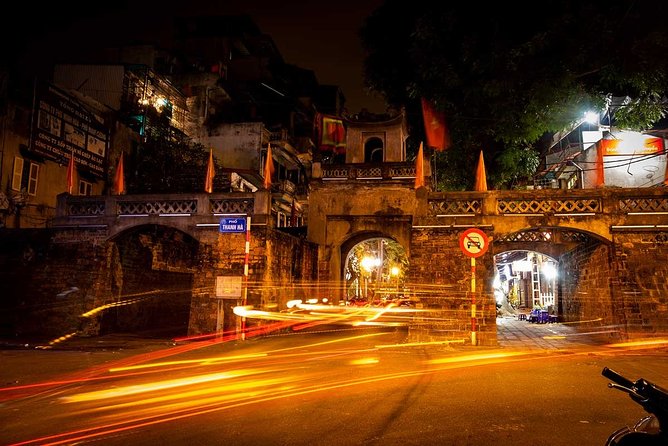
Hanoi at night has a built-in lesson plan. The streets and markets are lit from many angles, people move constantly, and textures show up in the shadows. Instead of waiting for a perfect still moment, you’re learning how to shape the scene you already have—by adjusting settings and planning where your frame should start and end.
This is especially smart for anyone who has ever taken a great daytime photo and then wondered why night shots look flat or blurry. Here, you’re actively working on night photography fundamentals like light adjustments and exposure choices. You also get guided practice on motion: light streaks from traffic, panning shots of bikes and couriers, and fast action at the fish market.
The value is not just that the locations are iconic. It’s that the teaching is tied directly to what you’re seeing right then and there. If you enjoy street photography, night markets, and learning camera control with a purpose, this tour has a natural fit.
You can also read our reviews of more evening experiences in Hanoi


Your Pro Photographer Guide and the Small-Group Advantage
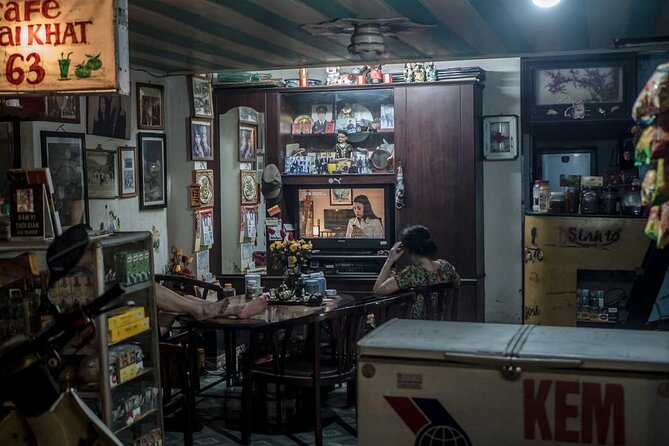
This experience is led by a professional photographer guide, and the group is kept small—maximum 5 travelers. That matters more than it sounds. In a tiny group, you’re less likely to lose the instructor while people scatter to chase a shot. You also get faster, more relevant feedback when something doesn’t work as expected.
From the reviews, names like Tung Phan, Bryan Ng, and Tung Vu come up as photographers who teach with clarity and with a strong feel for Hanoi itself. One review even highlights how the instruction reflects both Vietnamese street life and German-style structure—useful if you like explanations that are practical and step-by-step.
One thing to consider: you’ll be moving through active market streets. With a small group, you’ll get closer to the action, which is great for photos, but you’ll want to stay mindful—watch your footing, avoid blocking workers, and keep your pace steady. That way you can focus on shooting instead of constantly apologizing and re-positioning.
Stop 1: Old City Gate Night Settings, Light Streams, and Traffic Panning
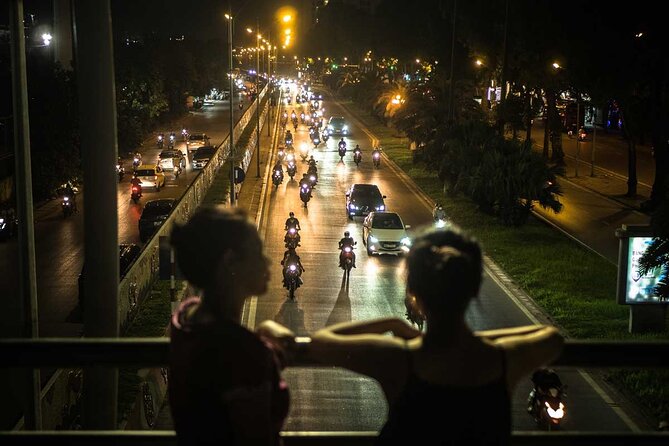
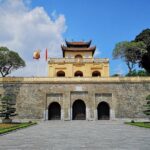
You start near the Old City Gate at 7:30 pm, and the first part is all about setting you up for night photography before the chaos gets you. The instructor starts with night photography settings—how to adjust for light so your images don’t look muddy or overexposed. This matters because Hanoi’s night lighting is not uniform. Signs glow, stalls spill warm light, and the road adds its own brightness.
Then you practice long exposure shots designed to show traffic as light streams passing through the ancient gate. This is a classic technique, but it’s powerful here because the architecture frames the action. If you’ve ever wondered how to make a night street photo look like you meant it, long exposures are one of the easiest ways to do that.
After you shoot from the gate area, you cross an overpass and head toward Long Bien market. Along the way, the route is part of the lesson: you’re weaving through locals carrying produce, moving alongside traders and market activity. That transition is helpful because it teaches you to keep seeing frames as you walk—rather than stopping and restarting every time you find something interesting.
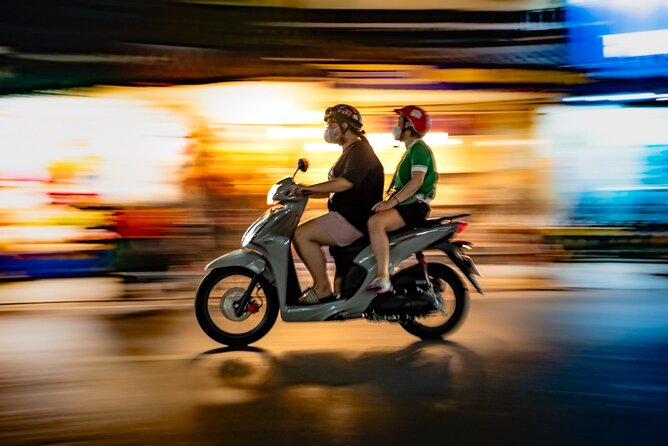
By the main entrance area, the tour also points you toward panning shots—using movement to blur the background while keeping bikes and couriers in the right visual lane. It’s not just about pressing the shutter. It’s about controlling motion in your composition.
The Walk Toward Long Bien: Overpasses, Produce, and New Angles
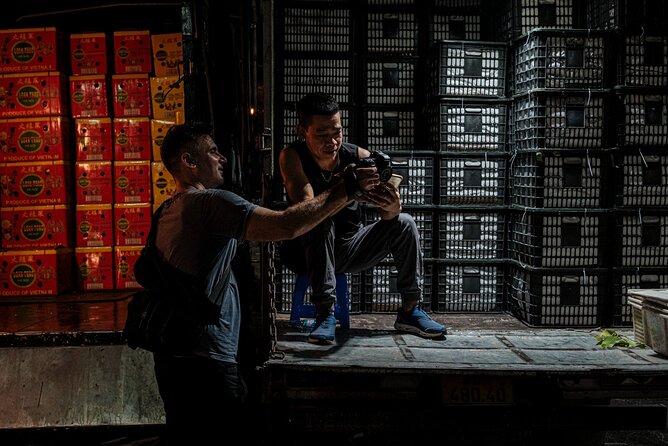
Between the Old City Gate and Long Bien market, you’re not just traveling—you’re practicing seeing angles. The tour route threads through lively market scenes and under-bridge stalls, and each change of location gives you a different lighting situation.
Under the bridge, the scene shifts again. Stalls tucked beneath create tighter depth and unusual perspective. That’s where you can get photos that feel different from the usual street shots—because your background layers are compressed and the light sources look more directional.
The tour also includes moments where couriers and loaded bikes become the moving subject. Panning here works better than you might expect, because the motion is predictable enough to anticipate. Meanwhile, locals carrying produce offer another kind of action—less vehicle blur, more human rhythm.
Practical tip: when you’re in motion, stop expecting a single perfect photo. Think of this stretch as a warm-up sequence. Take a few frames, check your exposure and framing choices quickly, then adjust. Night conditions change fast, and your instructor will be guiding you on what to try next rather than letting you guess in the dark.
Stop 2: Long Bien Market Inside for Worker Intimacy, Fish Action, and Tools
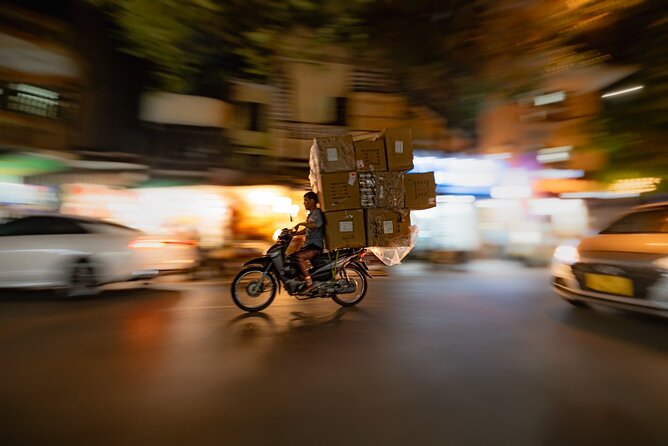
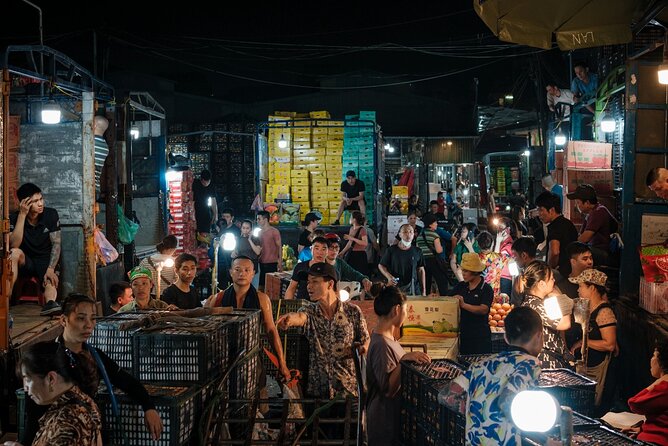
Long Bien market is where the tour gets really photographic. You go from city-gate architecture and street motion into an indoor working environment where people are doing real jobs. That’s a big part of why this tour feels like a learning experience instead of a sightseeing loop.
Inside the market, the focus turns to intimate relationship shots of local workers. The instructor uses special techniques aimed at capturing the action without turning it into a random snapshot. You’re working on how close you frame your subject, how you place them in the scene, and how you keep attention where it belongs—even when the background is busy.
Then you move toward the fish market area. This is where shutter-speed practice becomes obvious. Workers sorting seafood provides strong action cues, and the tour specifically suggests using different shutter speeds to change the look of that motion. Faster shutter speeds can freeze the details, while slower choices can smooth the movement into something more graphic.
You’ll also get time for detail shots: goods and traders’ tools. That’s a smart inclusion because night photography often gets stuck on portraits and street scenes. Details are how you build variety in your photo set—close enough to show texture, but still framed with intention.
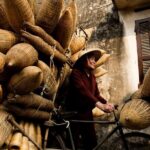
Finally, the tour includes candid portraits of couriers on their trucks. The key idea is to capture real movement while staying respectful in a working environment. If you want night photography that tells the story of how a city functions, this part delivers.
You can also read our reviews of more photography tours in Hanoi

Couriers, Composition, and Staying Respectful in Tight Spaces
This is the section of the tour where your composition practice matters most. Markets are crowded, and there’s a temptation to shoot from wherever you can get a gap. The better approach—what the tour nudges you toward—is building frames around the motion rather than fighting it.
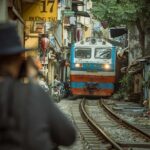
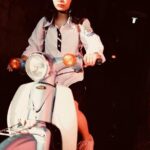
Couriers on bikes and trucks are perfect subjects for learning because they create streaks of movement, strong shapes, and clear direction. If you’re trying panning shots or tracking motion blur, you’ll want to position yourself so the subject crosses your frame smoothly. The tour’s earlier focus at the Old City Gate sets you up for this.
Also pay attention to people and space. You’re photographing workers sorting fish, unloading, and serving customers. That’s not a museum setting. You’ll get the best results when you move carefully, shoot quickly when needed, and step aside when it interrupts someone’s job.
A fun bonus from the way the tour is structured: you’re not only aiming at faces. You’re learning to see the job itself—the tools, the work rhythm, the human effort. That’s what makes a night market photo set feel more like a story and less like a collection.
Finishing at a Tea Shop: Picking Photos and Getting Feedback
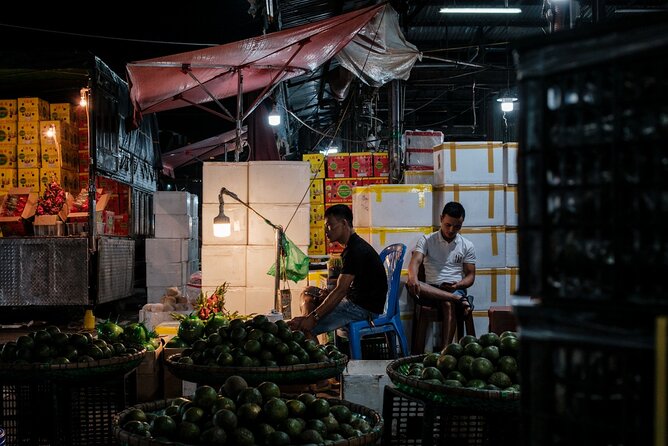
The tour ends near the market at a tea shop, and this part is surprisingly important. After several stops of shooting and practicing, you review and select photos with the guide’s feedback.
This is the step that turns a night walk into real skill growth. Camera control is one thing; understanding why certain frames work is another. When you go through your images with guidance, you start seeing patterns like which lighting choices made your subject stand out, how motion blur affected readability, and which compositions held attention.
If you’re the type who takes lots of photos but struggles to pick a favorite, the tea shop review helps you get unstuck. It also gives you a cleaner memory of what techniques you were practicing at each moment. You’ll leave with a small set of stronger images and clearer next steps for your own future shoots in Hanoi—or anywhere else with busy night life.
Price and Value: What $119 Really Buys You After 4 Hours
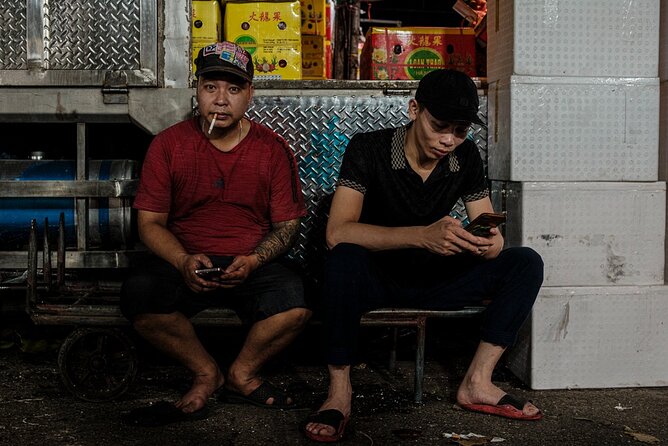
At $119 per person for about 4 hours, you’re not paying just for access to well-known spots. You’re paying for coaching: a professional photographer guide, targeted technique practice (long exposures, shutter speed experimentation, panning, intimate worker shots), and guided photo review at the end.
You also get a small group experience (maximum 5 travelers). In practice, that’s where value shows up. Night photography is a settings-heavy activity. If you have to compete for attention, your learning slows down. With a tighter group, you can ask questions and get adjustment suggestions while the scene is still in front of you.
Pickup is offered, and there are group discounts, plus a mobile ticket. Those details matter because they reduce friction. You can show up with fewer logistics worries and spend your energy on shooting and learning.
Just keep in mind the weather factor. The tour requires good weather, and if it’s canceled due to poor conditions, you’ll be offered a different date or a full refund. Night shoots are always weather-sensitive, and that requirement is part of keeping the experience useful.
Who This Hanoi by Night Photo Tour Suits Best
This tour fits best if you want your camera work to improve quickly through real practice. It’s ideal for:
- Anyone who enjoys street and market photography and likes scenes with people doing their jobs.
- Photographers who want to learn night techniques tied to specific moments: light-stream long exposures, motion panning, and shutter-speed changes.
- Travelers who prefer a small group and a guide who can give direct feedback.
If you’re brand-new to manual settings, you might find the night techniques a bit intense at first, but the guided approach and photo review can help you catch up fast. If you already know your way around shutter speed and long exposure, you’ll still benefit from having a set of planned subjects and teaching designed for Hanoi’s night lighting.
You’ll also enjoy it if you like authentic, everyday places rather than staged photo ops. The market scenes are working scenes, and the tour is designed to photograph them in a way that feels respectful and intentional.
Should You Book This Hanoi by Night Photo Tour?
Book this tour if you want night photography that teaches you how to see and how to control your camera—not just where to stand. The combination of Old City Gate practice, Long Bien market shooting, and an end-of-tour photo review is a strong package for building skills in one evening.
Skip it if you know you’ll hate walking in crowds or if you’re hoping for a low-effort, scenery-only experience. The tour’s power is that it gets close to real night life, and that comes with movement, noise, and the occasional need to wait for the right moment.
FAQ
FAQ
What time does the Hanoi by Night Photo Tour start?
The tour starts at 7:30 pm.
How long is the tour?
It’s approximately 4 hours.
How many people are in the group?
The tour has a maximum of 5 travelers.
Is pickup offered?
Pickup is offered.
What’s included in the tour price?
A professional photographer guide is included.
Will I be visiting the Old City Gate and Long Bien Market?
Yes. You begin at the Old City Gate and then move to Long Bien Market, finishing at a tea shop nearby for photo review.
Are there any paid admissions I need to cover?
The tour notes admission ticket free for the listed stops.
Is a mobile ticket used?
Yes, there’s a mobile ticket.
What happens if the weather is bad?
The experience requires good weather. If it’s canceled due to poor weather, you’ll be offered a different date or a full refund.
Is there a cancellation window for a refund?
You can cancel up to 24 hours in advance of the experience for a full refund. If you cancel less than 24 hours before start time, the amount paid is not refunded.

More Evening Experiences in Hanoi


More Tours in Hanoi
- Ninh Binh Full-Day Tour from Hanoi to Hoa Lu, Tam Coc & Mua Cave Via Boat & Bike
★ 5.0 · 4,384 reviews