REVIEW · HANOI
Ha Noi: Van Phuc Silk Weaving Half-day Tour
Book on Viator →Operated by Hoi An Express Travel · Bookable on Viator
If you like crafts, this is a good use of time. Van Phuc is one of Hanoi’s best shortcuts into Vietnam’s silk tradition—half-day, small group, hotel pickup, and enough time to see how silk moves from thread to fabric.
I especially like the small-group feel and the hands-on step-by-step look at silk making. I also like that you’re not just dropped at shops—you get background first, then shopping time.
One possible drawback: since you’re going to be near sales counters, you’ll want a game plan for shopping so you don’t overpay while you’re still learning.
In This Review
- A few things to know before you go
- Highlights you’ll feel on the ground
- The ride to Van Phuc: quick, comfortable, and useful
- Walking Van Phuc: ancient craft, local rhythm
- What I’d pay attention to while you walk
- The silk-making process: from thread to fabric
- Why the demonstrations are worth your time
- Stop 1: Arrival and first look inside the craft village
- Stop 2: Meet artisans and see more detailed stages
- Shopping for silk: how to get good value without stress
- Buy with a plan: learn first, then shop harder
- Quality cues you can use on the spot
- About price and why it can feel hit-or-miss
- The guide experience: English support that keeps things moving
- Group size and pacing: why 3.5 hours works well
- Included value: what you’re not paying for out of pocket
- Who this tour is perfect for
- Quick timing tips before you choose 8am or 1pm
- Should you book Ha Noi: Van Phuc Silk Weaving Half-day Tour?
- FAQ
- What time does the Van Phuc half-day tour start in Hanoi?
- How long is the tour?
- Does the tour include hotel pickup and drop-off?
- Is admission to Van Phuc Silk Village included?
- What is the group size?
- Are meals included?
- Can I cancel for a full refund?
A few things to know before you go
This tour runs about 3 hours 30 minutes and typically starts at 8am or 1pm (you choose your option). You’ll be picked up from your central Hanoi hotel, ride about 45 minutes northwest to Van Phuc, and then return by drop-off at your hotel.
The group is capped at 15 travelers, which matters. It keeps the pace calmer and gives you more chances to ask questions instead of just following a line.
Your guide is English speaking (other languages may be available with a surcharge). You’ll also get bottled water and admission is included, so your “out of pocket” is mostly shopping and tips.
Highlights you’ll feel on the ground
- Watch silk making stages in real workshops: spinning, gluing, weaving, and finishing are all part of what you’ll see
- Van Phuc Village feels like a living craft community with houses, ponds, and big banyan trees near the Nhue River
- Small-group format (max 15) means easier questions and less rushing through the village
- Two shopping opportunities: learn first, then shop with more confidence later
- Guides can help you shop smarter, including advice from a guide named Happy about where to buy
You can also read our reviews of more tours and experiences in Hanoi

The ride to Van Phuc: quick, comfortable, and useful
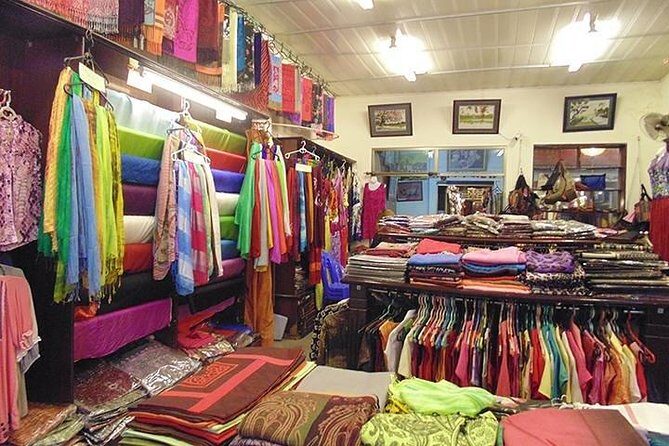
The day starts with hotel pickup in central Hanoi, typically for either an 8am or 1pm departure. Expect a short drive—about 45 minutes—out to Van Phuc Silk Village, northwest of the city. The transport is air-conditioned, and the tour includes bottled water, so you’re not dealing with a dry, hot scramble before you even reach the craft area.
Why this part matters: when you visit a craft village, the timing can affect how you experience the place. This half-day format is tight enough that you’ll still have energy for the workshops and the shopping period, but long enough to see more than a photo stop.
Also, since the tour includes entrance fees, you avoid that minor hassle of figuring out what needs tickets once you arrive.
Walking Van Phuc: ancient craft, local rhythm
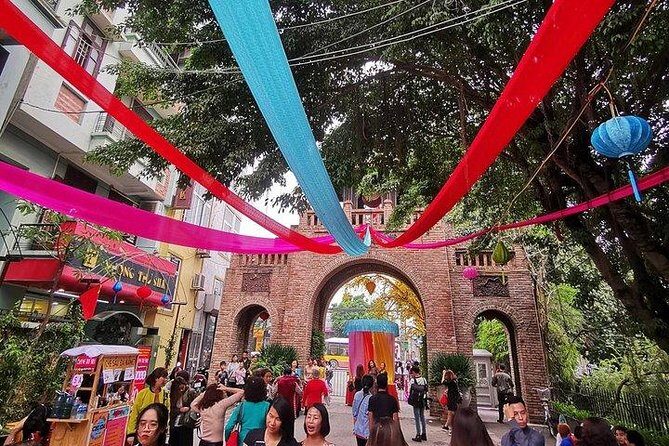
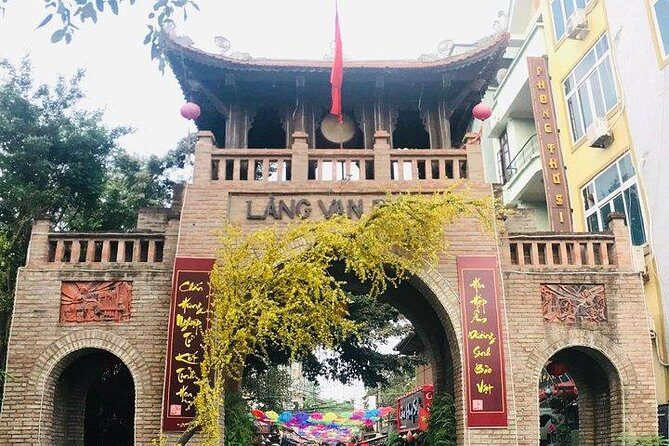
Van Phuc is known for silk weaving, a craft said to date back over 1,000 years. You’ll enter the village through its main gate, and once inside, you’ll notice the mix of old and new—traditional communal spaces alongside more modern homes. Near the Nhue River, you may also spot fish ponds and ancient banyan trees, which gives the village a calm, lived-in feeling.
This is where the tour earns its keep. Instead of treating silk like a museum piece, you see it as a local livelihood. You can also meet the families who rely on silk production and watch artisans work through stages of the process—more on that next.
What I’d pay attention to while you walk
- Look closely at how work is arranged in the houses and workshops. You’re seeing a system, not just an art display.
- Notice how artisans explain each step. Even if your Vietnamese is zero, the visual sequence helps you understand what you’re buying.
- If you care about quality, keep an eye out for details in finishing. That’s where the big differences show up.
The silk-making process: from thread to fabric
One of the best parts of this tour is the clear flow of silk production. You’ll go through the stages, with guided explanations and demonstrations that cover spinning, gluing, weaving, and finishing touches.
Even in a short visit, that matters. Many shopping-focused tours make it feel like the product appears by magic. Here, you get a basic map of the work behind it. That helps you shop with your eyes open instead of relying only on a sales pitch.





Why the demonstrations are worth your time
Silk isn’t just silk. When you see the process, you start to understand why there are different feels, thicknesses, and finishes. You’ll be better able to judge what’s “pretty” versus what’s crafted for daily wear.
And if you’re the kind of traveler who likes textiles, this is one of those rare half-day tours where the craft gets respected—not hidden behind a curtain.
Stop 1: Arrival and first look inside the craft village
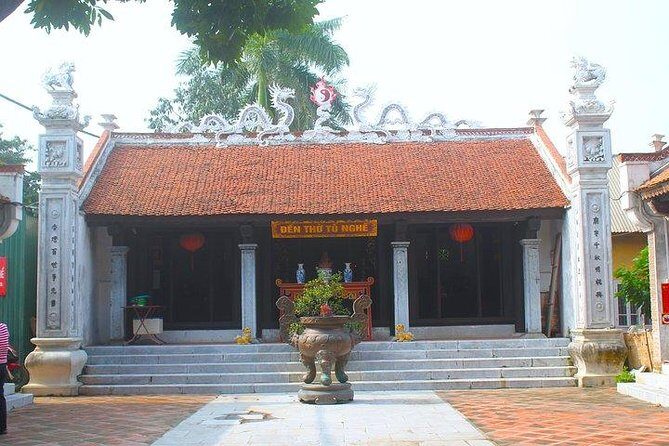
The first part of your visit centers on Van Phuc Silk Village itself. After pickup, you’ll reach the village, get your admission handled, and then step into the craft area with a guide.
This segment is about orientation: you see the village setting, you get introduced to the weaving tradition, and you start building context. You’ll also have a chance to look around at the houses and workshops where families still produce handmade silk items.
A practical note: this stop is designed to get you comfortable with what you’re seeing before you reach the shopping portion later. That pacing helps if you’re worried about being rushed.
Stop 2: Meet artisans and see more detailed stages
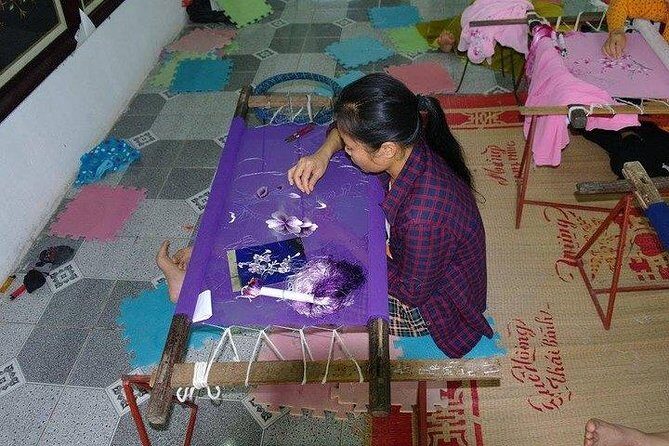
The second part of the village visit is where the tour becomes more “watch and learn.” You’ll stroll through the village with your guide, and you’ll have the chance to meet local families tied to silk production.
This is also where you may visit features like shrines dedicated to the village’s first masters. It’s not just decorative. It signals that silk weaving here isn’t a recent hobby—it’s tied to local identity and tradition.
As part of this stretch, you’ll watch artisans demonstrate the silk-making stages more clearly—from thread preparation through weaving and finishing.
Then the tour transitions into browsing and shopping, which brings us to the part that can make or break your experience.
Shopping for silk: how to get good value without stress
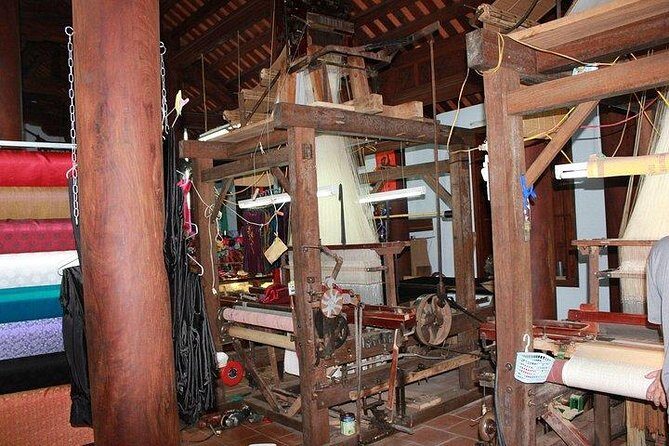
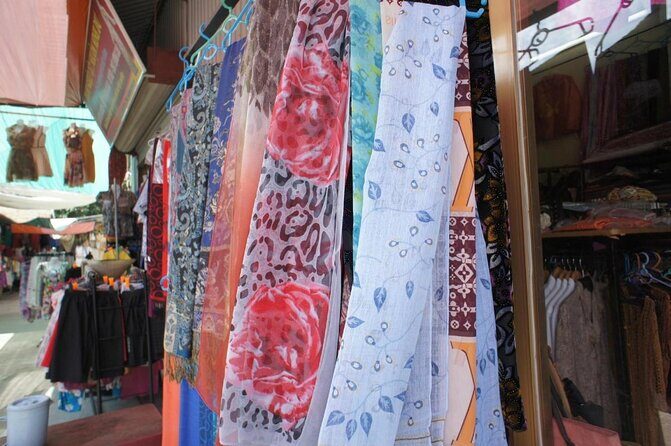
Van Phuc is famous for silk products, and the tour explicitly builds in time for shopping. The price you pay for this tour includes admission, guide time, transport, water, and the overall structure. That’s the value. But the real trick is using that structure to shop smart.
Here’s the practical advice I’d follow based on the best tips from people who went on this tour:
Buy with a plan: learn first, then shop harder
You’ll see silk products during the tour’s browsing time, and you’ll likely be offered various items. If you want the best odds of good pricing, treat the first browsing period like reconnaissance, not checkout.
One tip that stands out: wait until the government co-op store during the second half of the tour. A guide named Happy was credited for helping people find gorgeous pieces at reasonable prices, and there’s also mention of custom fitting while having tea. Even if you’re not planning on tailoring, this is the kind of stop where you can compare options in a more grounded way.
Quality cues you can use on the spot
Since the tour shows you weaving and finishing, you can use that knowledge when you’re shopping. Don’t be shy about asking what kind of silk it is and how it’s made. Your goal is to buy something you’ll actually wear or use—not just something you bought because it looked good in the moment.
When you shop, I recommend you:
- Compare similar items back-to-back.
- Check finishing details closely (edges, seams, and surface feel).
- Take your time. The group schedule is set, but you can still move at a calmer pace inside shops.
About price and why it can feel hit-or-miss
This is a tour where shopping is part of the package. That can mean temptation to buy quickly. In fact, a lower rating comes from the feeling that some goods can be overpriced if you’re not careful.
So the value question becomes: do you want a guided silk learning experience plus a couple of shopping stops? If yes, you’ll probably enjoy it. If you already know exactly what you want and you’re confident bargaining on your own, you may feel the tour’s shopping side is less efficient.
The guide experience: English support that keeps things moving

The tour includes an English-speaking guide. If you’re not traveling with the language, this is more important than it sounds. Silk weaving involves specific steps, and having a guide explain spinning, gluing, weaving, and finishing turns the whole visit from “pretty demonstrations” into something you can actually remember.
One guide name you may encounter is Happy, who was praised for being great and for helping with shopping decisions—especially around where to find better pricing.
Group size and pacing: why 3.5 hours works well
With a maximum of 15 travelers, this isn’t a crowded bus tour. You won’t feel like you’re trapped in a slow-moving line the whole time.
The total time—about 3 hours 30 minutes—also hits a sweet spot. It’s long enough to learn and see the village, but short enough that you’ll be back in Hanoi while your energy is still high.
If you’re on a tight Hanoi schedule and want one meaningful cultural stop (instead of just another landmark), this format fits nicely.
Included value: what you’re not paying for out of pocket
Here’s what the tour covers, which is part of why it’s priced at $43 per person:
- Hotel pickup and drop-off in Hanoi city center
- Transportation with air-conditioning
- Entrance fees
- English-speaking guide
- Bottled drinking water
- Travel insurance
- Admission ticket included for the village experience
Price-wise, you’re paying for convenience and guidance as much as you’re paying for the village entry. If you were to arrange everything alone—transport, tickets, and a guide—you’d likely spend similar or more time, and often more money, depending on how you book.
Also, the tour is booked about 21 days in advance on average, so if you’re traveling at peak times, earlier planning helps.
Who this tour is perfect for
This is a strong match if you:
- Love handicrafts and want to understand what you’re shopping for
- Want a half-day cultural experience without a full-day commitment
- Prefer small-group tours with time for questions
- Are shopping for silk clothing or fabric and want a guided shopping structure
It may be less ideal if you only want to take photos and skip product-focused stops. This tour spends time in workshops and then shifts toward shopping. That’s the point.
Quick timing tips before you choose 8am or 1pm
The tour offers two departure options: 8am and 1pm. If you like cooler morning walking, the 8am option is often easier on the body. If you prefer a slower start and you want to combine the morning with Hanoi exploring, the 1pm option can be a smooth second half of your day.
Either way, the schedule is built around getting to the village, learning, and returning to your hotel.
Should you book Ha Noi: Van Phuc Silk Weaving Half-day Tour?
Book it if you want a focused, half-day craft experience with hotel convenience, a real view of silk-making stages, and a small-group guide who helps you connect what you see to what you buy.
Skip it or rethink it if you dislike shopping being part of the itinerary or if you’re very price-sensitive and prefer to source silk entirely on your own. In that case, you might do better just visiting independently and budgeting your time.
My final take: if you come with curiosity (and a shopping plan), this tour is a practical way to understand Vietnam’s silk tradition without losing an entire day.
FAQ
What time does the Van Phuc half-day tour start in Hanoi?
You can choose an 8am or 1pm departure, depending on the tour option you select.
How long is the tour?
The tour lasts about 3 hours 30 minutes (approx.).
Does the tour include hotel pickup and drop-off?
Yes. The tour includes hotel pickup and drop-off in Hanoi city center, plus transportation by air-conditioned vehicle.
Is admission to Van Phuc Silk Village included?
Yes. Entrance fees are included, and the admission ticket is included as part of the stops.
What is the group size?
The tour has a maximum of 15 travelers.
Are meals included?
Bottled drinking water is included, but personal expenses like beverages are not included, so plan on covering any drinks you want beyond the provided water.
Can I cancel for a full refund?
Yes, there is free cancellation. You can cancel up to 24 hours in advance for a full refund; cancellations made with less than 24 hours notice aren’t refunded.


More Half-Day in Hanoi


More Tours in Hanoi
- Ninh Binh Full-Day Tour from Hanoi to Hoa Lu, Tam Coc & Mua Cave Via Boat & Bike
★ 5.0 · 4,384 reviews