
REVIEW · HANOI
Ha Noi: Traditional Knife Making in Blacksmith Village
Book on GetYourGuide →Operated by Phu Quoc Green Travel · Bookable on GetYourGuide
Fire, metal, and a knife you made yourself. This 2.5-hour workshop in the Da Sy blacksmith village in the Hanoi area walks you through the core steps of handmade forging, with an English facilitator and all the tools ready. I love that you leave with a knife you can actually use back home.
I also like how the experience connects the craft to the village story, from wartime weapon making to today’s farming and kitchen tools. The one drawback to plan for: you’ll need checked luggage to transport your knife safely, and you should dress for sparks because you’re working with red-hot metal.
In This Review
- Key highlights worth your time
- Why Da Sy knife forging feels real (and not like a performance)
- Da Sy village: from weapons in war to farm tools and kitchen gear
- Your 2.5-hour knife course: what you actually do step by step
- What to bring (and what to leave behind)
- Sparks, heat, and safety rules you should actually follow
- English facilitator support: helpful without taking over
- Price and value: what $66 buys you in Hanoi
- Logistics that matter: meeting point, timing, and pickup rhythm
- Who this knife-making class is best for
- Should you book Ha Noi traditional knife making in Blacksmith Village?
- FAQ
- How long is the knife-making workshop?
- Where does the experience take place?
- What’s included in the $66 price?
- What should I bring with me?
- What is not allowed during the workshop?
- Do I need to have luggage to take the knife home?
- Is there a hotel transfer included?
- Is the activity suitable for wheelchair users or mobility impairments?
- How does cancellation work?
Key highlights worth your time
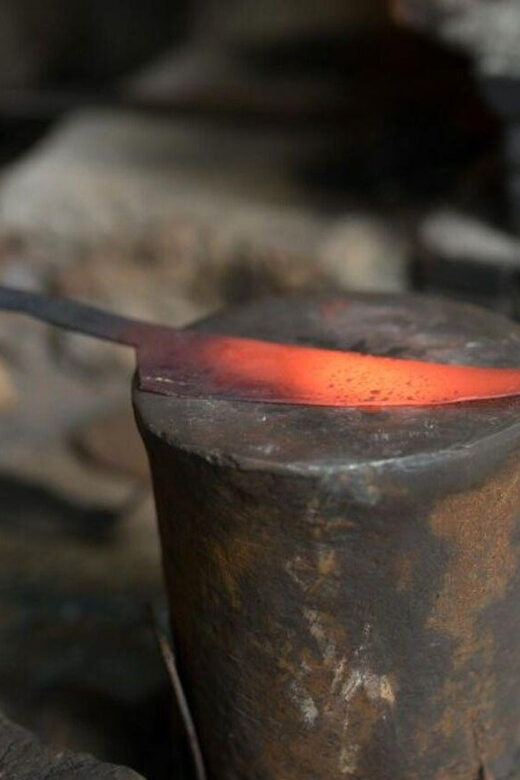
- Make a one-of-a-kind knife with the main forging steps, not a demo you watch from the side
- Hands-on tradition: hammering, shaping, and tempering are part of the course
- Da Sy village context: understand why this trade mattered during war and why it changed after peace
- All tools supplied so you can focus on the making
- Eye and mask protection included along with a safety-first approach
- Small, local setting at the host house in Kien Hung Commune, Ha Dong Town
Why Da Sy knife forging feels real (and not like a performance)
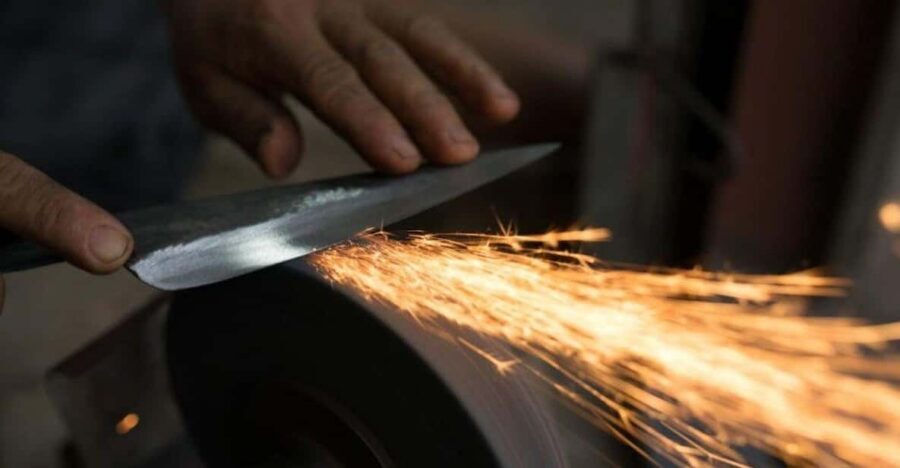
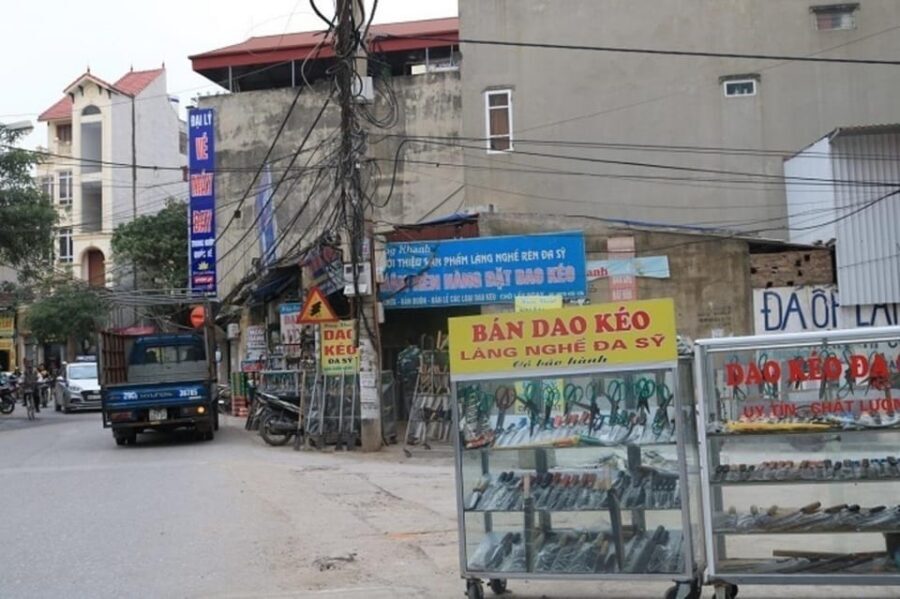
This is the kind of Hanoi activity that trades photos for work gloves, heat, and noise. In Da Sy, a village in Kien Hung Commune, Ha Dong Town, you’re not just learning theory. You go through the processes of making a simple knife, using the tools and methods that have been part of local blacksmith life for generations.
What makes it click for me is that you’re guided by an English speaking facilitator, but the heart of the workshop is still the craft itself: keeping the fire burning, working red-hot iron, and finishing the edge properly. That hands-on structure turns the class into something practical you can explain later.
And yes, you will end up with a knife to take home. That’s a big deal at $66, because your “souvenir” isn’t just a purchase. It’s the result of the steps you practiced during the session.
You can also read our reviews of more tours and experiences in Hanoi.



Da Sy village: from weapons in war to farm tools and kitchen gear
Before you swing a hammer, you get the village context. Da Sy has a long-standing forging profession, and during Vietnam’s wars the village was described as a major source supporting weapons for the Vietnam military.
Then, when peace returned about 40 years ago, the village shifted what it made. Instead of military weapons, local blacksmiths focused on agricultural implements like ploughs and rakes, plus parts for machinery. They also made kitchen implements. The same skills, different purpose.
That matters because it changes how you view the knife you’re making. You’re not just learning a neat skill. You’re stepping into a local economy shaped by decades of real needs. You’ll likely leave with a better sense of how trades survive: by adapting to what a community needs next.
Your 2.5-hour knife course: what you actually do step by step
The workshop runs for about 2.5 hours. Exact start times can vary, so check availability when you book, then coordinate your preferred date and time since timings can be flexible.
Here’s the forging flow you can expect during the session for a simple knife:
1) Welcome and orientation at the host house area
You’ll meet at the designated meeting point 5 minutes early, then head to the workshop setting. The workshop is hosted in the village environment, so expect a straightforward, practical setup rather than a staged studio.
2) Safety first, then gear on
You’ll get mask and eye protection accessories as part of the included items. You’ll also be reminded to wear long sleeves and long pants to reduce the chance of sparks hitting you. This isn’t “kitchen-table metalwork.” It’s real forging heat, and the rules are there for a reason.
3) Making rough drafts and shaping the metal
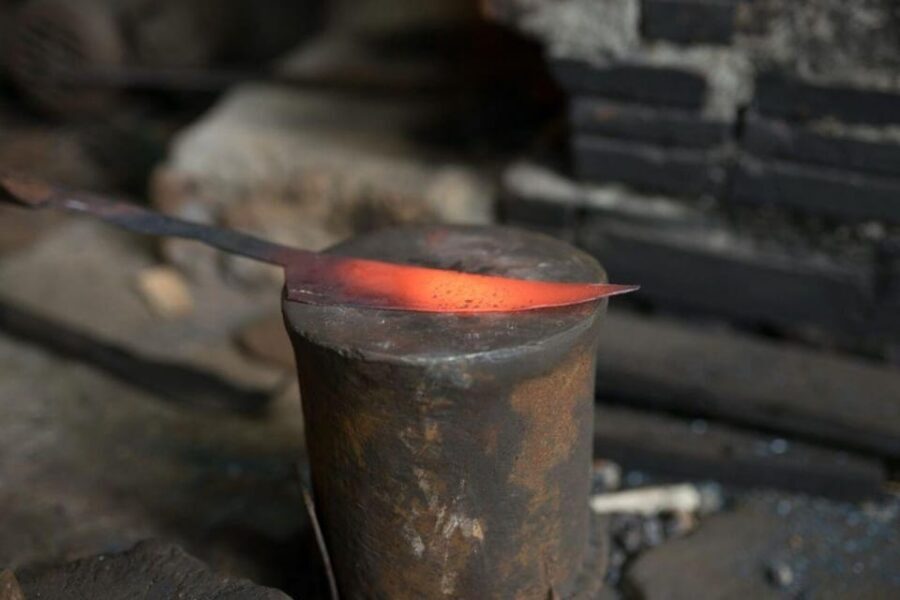
One of the key processes covered is making rough drafts—getting the blade blank into the right form before it’s refined. You’ll learn the basic techniques of handmade forging, including how blacksmiths control the work as the metal heats and cools.
4) Keeping the fire burning and working red-hot iron
You’ll go through the hard part of the craft: firing and hammering. Keeping fires burning is mentioned as part of the workflow, and you’ll feel why. Working red-hot iron takes focus because the window for effective shaping matters.
5) Hammering to shape
Hitting the heated iron into shape with hammers is one of the central skills in the course. Even if you only practice the fundamentals, you’ll leave understanding how the blacksmith’s rhythm and control affect the final blade shape.
6) Tempering with water to strengthen the metal
After shaping, tempering is part of the process. Tempering here means strengthening the metal with water. This step is a key reason the knife can hold up, not just be a shaped piece of metal.
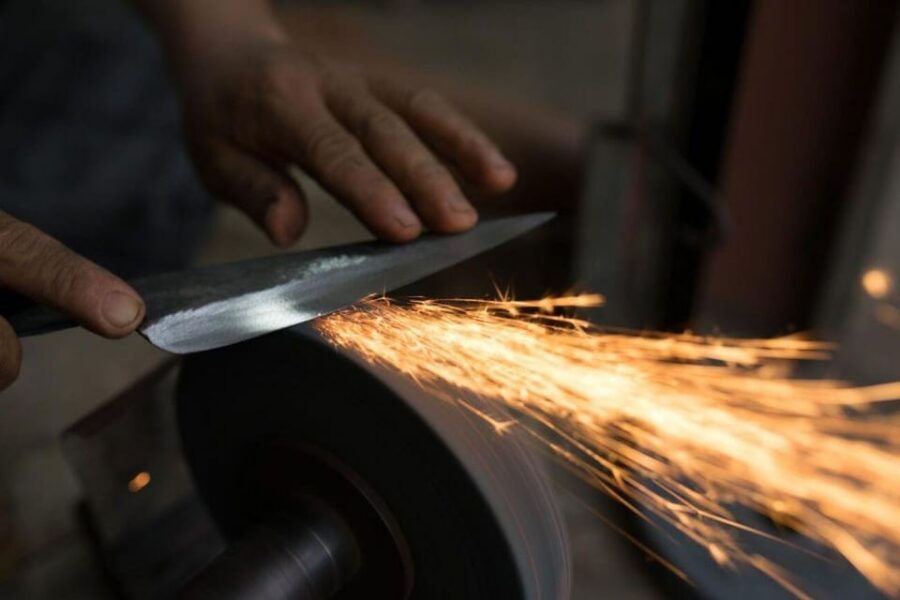
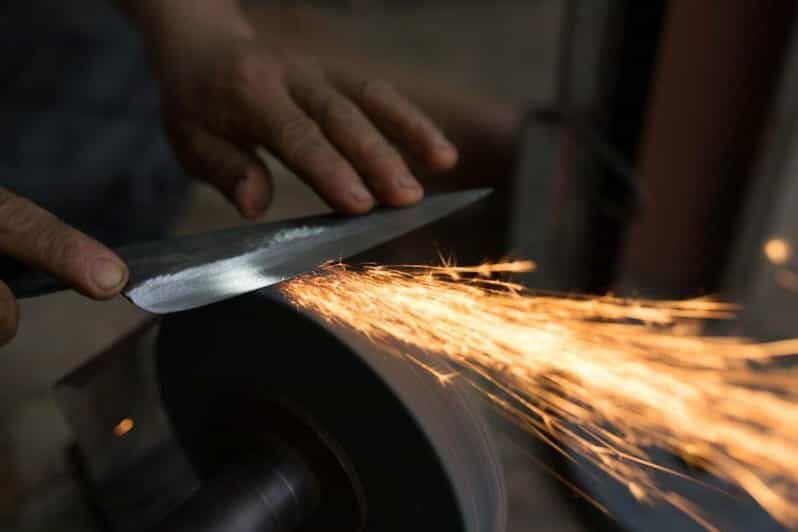
7) Sharpening the final product
Finally, you finish with sharpening. That last step turns a forged piece into a knife you can use, which is why the entire sequence matters. If you skip any part in real forging, the result won’t behave the same.
By the end, you’ll walk away with your own knife—built through the full chain of processes taught in a traditional way, even though modern blacksmiths may have machine support for some tasks today.
What to bring (and what to leave behind)
This workshop is simple on paper, but it has a few very real physical needs.
Bring:
- Comfortable shoes (you’ll be moving around)
- A long-sleeved shirt
- Long pants
Not allowed:
- Luggage or large bags during the activity
Because your knife is coming home with you, you also need to think about transport. The guidance is clear: make sure you have check-in luggage to carry your knife home. That’s the practical move that keeps your trip stress-free and helps you avoid issues at the airport or on transit.
Also note that a knife cover is not included. You might want to plan for protection beyond the workshop, especially if you’re traveling onward the same day.
Sparks, heat, and safety rules you should actually follow
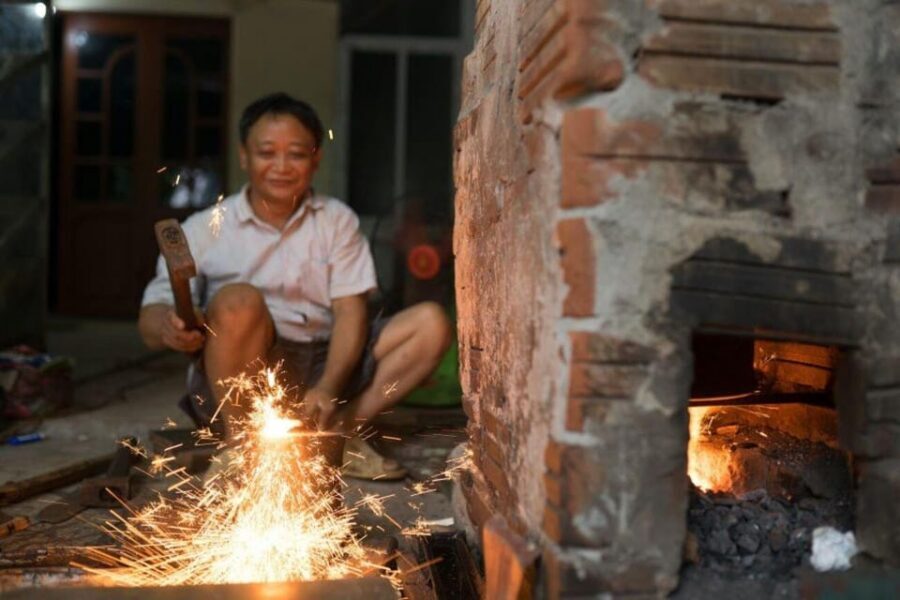
This is the part people tend to skim—until they’re standing near hot metal. The recommendation is long sleeves and long pants to avoid sparks, and no dress please. That’s not about fashion. It’s about staying comfortable and protected during hammering and heat work.
You’ll also have mask and eye protection accessories provided, which helps reduce the risk from sparks and debris. Use them as instructed.
If you have any mobility or balance concerns, note that the activity is not suitable for people with mobility impairments and not suitable for wheelchair users. That’s a heads-up so you can choose wisely.



English facilitator support: helpful without taking over
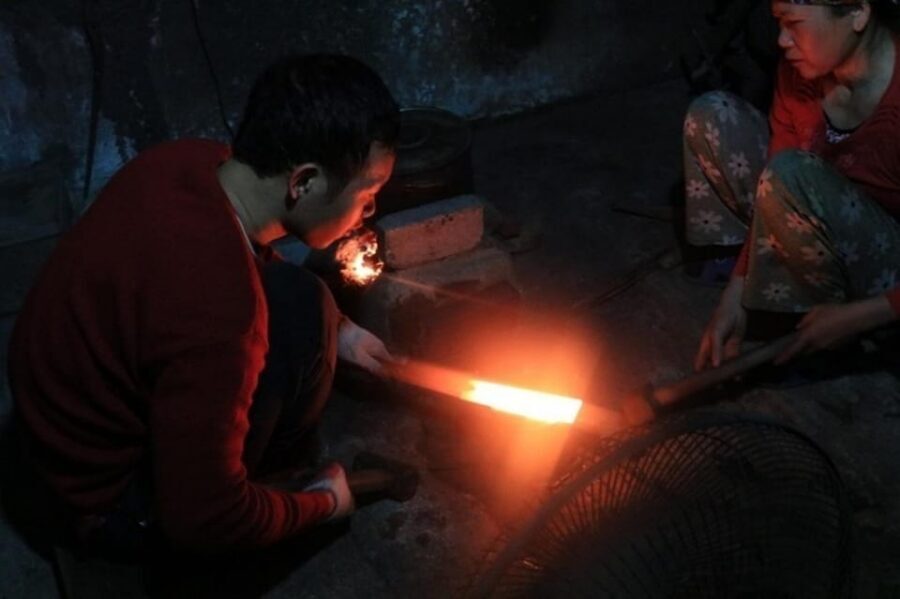
The workshop includes an English speaking facilitator, which is a big plus if you want to understand what you’re doing rather than just copying steps.
In practice, this kind of support usually matters most during the turning points: when you’re heating metal, learning how to hammer, and timing the tempering step. A facilitator also helps you avoid common mistakes that can happen when the language barrier gets in the way.
The lesson format is designed so you can follow along and actively participate through the forging steps of a simple knife—so the experience stays personal and hands-on.
Price and value: what $66 buys you in Hanoi
At $66 per person for about 2.5 hours, you’re paying for three things that tourists often don’t get together:
- Participation in the main forging processes (rough draft, hammering, tempering, sharpening)
- Included materials and tools, so you’re not tracking down specialty gear
- A take-home knife, not just a keepsake photo
That makes the price feel more like a craft session than a show. You’re also getting light refreshments, mask and eye protection accessories, and an English facilitator. On top of that, the knife you take home is a useful object, not a random souvenir that sits in a drawer.
If you’re the type who likes experiences you can use later, this has strong value. If you’re short on time, the duration is compact enough to fit into a Hanoi schedule without turning your day into a full day trip.
Logistics that matter: meeting point, timing, and pickup rhythm
You’ll meet at the meeting point and arrive 5 minutes early. The activity ends back at the meeting point. There’s no hotel transfer service included, so you’ll want to plan your own way to the meeting area.
Timings can be flexible. If you have a preferred date and time, you send a message to request it. Also, you’re asked to provide a WhatsApp number for easier contact—so keep that option open if you’re coordinating arrivals.
Skip-the-ticket-line is listed, which usually means you won’t waste time waiting for basic check-in steps.
Who this knife-making class is best for
This works best if you want a practical cultural activity—one that leads to something you own and can use.
Good fit:
- You like hands-on work and don’t mind getting a little messy
- You want a deeper view of Hanoi-area rural craft than typical sightseeing
- You like learning processes, not just hearing history
Maybe not ideal if:
- You need an activity that’s calm and low-activity (forging is physical)
- You have limited mobility, since it’s not suitable for wheelchair users
- You’re worried about transport of sharp items, since you’ll need check-in luggage
Should you book Ha Noi traditional knife making in Blacksmith Village?
I’d book it if you want an experience that feels grounded in real work: learning how a knife goes from heated metal to a hardened, sharpened tool. The strongest reasons to choose it are the full sequence of forging steps and the fact that your efforts result in a knife you take home.
I wouldn’t rush it if you’re traveling carry-on only or you don’t want to deal with checked luggage. Also dress for sparks. Wear long sleeves and long pants, even if the weather feels warm.
If you’re game to participate, not just watch, this is one of the more memorable ways to spend a couple of hours near Hanoi.
FAQ
How long is the knife-making workshop?
The duration is about 2.5 hours.
Where does the experience take place?
It’s in Dong Bac, Vietnam, specifically at the Da Sy blacksmith village area in Kien Hung Commune, Ha Dong Town, Hanoi.
What’s included in the $66 price?
All equipment, tools, and materials are included, plus the knife you take home, an English speaking facilitator, light refreshments, and mask and eye protection accessories.
What should I bring with me?
Wear comfortable shoes, a long-sleeved shirt, and long pants.
What is not allowed during the workshop?
Luggage or large bags are not allowed.
Do I need to have luggage to take the knife home?
Yes. You should make sure you have check-in luggage to carry your knife home.
Is there a hotel transfer included?
No, hotel transfer service is not included.
Is the activity suitable for wheelchair users or mobility impairments?
No, it’s not suitable for people with mobility impairments and not suitable for wheelchair users.
How does cancellation work?
You can cancel up to 24 hours in advance for a full refund. Free cancellation is available per the activity terms.