REVIEW · HANOI
From Hanoi: Visit Sapa & Fansipan With Cable Car For 2 Days
Book on GetYourGuide →Operated by ROYAL TRAVEL COMPANY · Bookable on GetYourGuide
Fansipan in two days feels almost unreal. This trip strings together Cat Cat village culture and the summit views of Fansipan, with a simple route that’s easy to follow even if you’re short on time. I like that you’re not only chasing a viewpoint; you also see how the Black H’mong community lives day to day. One catch to consider: the Cat Cat part can feel light on explanation, so you’ll want to ask questions early rather than wait.
You’ll start with a Hanoi–Sapa sleeper bus and then get an English-speaking guide once you’re based in Sapa, plus a Sapa hotel and meals. I also like the pacing: day 1 is mostly village time and soft nature sights, while day 2 is geared for altitude and peak worship spots. Just know the cable car cost is not included, so you’ll plan for that extra payment.
If you like structure, this is a good fit: pickup in Hanoi’s Old Quarter (or the bus station), guided stops in Sapa, and a back-to-Hanoi finish on day 2. One more reality check: Fansipan includes a climb (more than 600 steps), and weather in Sapa can turn misty fast.
In This Review
- Key things I’d zero in on before you go
- The 2-day route: what you’ll actually be doing each day
- Hanoi to Sapa by sleeper bus: convenient, but read the fine print
- Day 1 in Sapa: Cat Cat village and the Black H’mong rhythm
- Cat Cat waterfall and the hydroelectric area
- A real consideration from past experiences
- Overnight in Sapa: foggy city energy and why it helps Day 2
- Day 2: cable car to Fansipan at 2,800m and views of Muong Hoa
- The climb: 600+ steps, temples, and giant Buddha statues
- What to watch for
- Peak views: what you get when Fansipan is clear
- Lunch, dinner, breakfasts: how the included meals fit your energy
- Price and value: what $116 covers, and what you’ll likely pay extra
- One more ticket-check tip for the peak ride
- Who this trip suits best (and who should think twice)
- Should you book this Sapa & Fansipan experience?
Key things I’d zero in on before you go
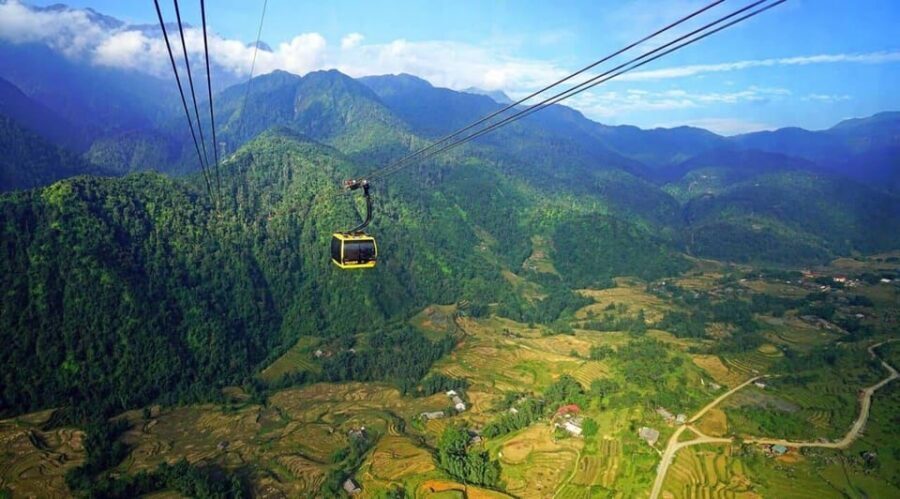
- Cable car to about 2,800m, then a trek of 600+ steps to reach the top of Fansipan
- Cat Cat village with Black H’mong daily life, plus the hydroelectric area and Cat Cat waterfall
- Temples and giant Buddha statues along the climb and at the summit
- Muong Hoa valley and terraced fields views from higher up on the ride
- Sapa hotel and meals included (2 lunches, 1 dinner, 1 breakfast)
- English-speaking guide in Sapa included, with other languages as an added charge
The 2-day route: what you’ll actually be doing each day
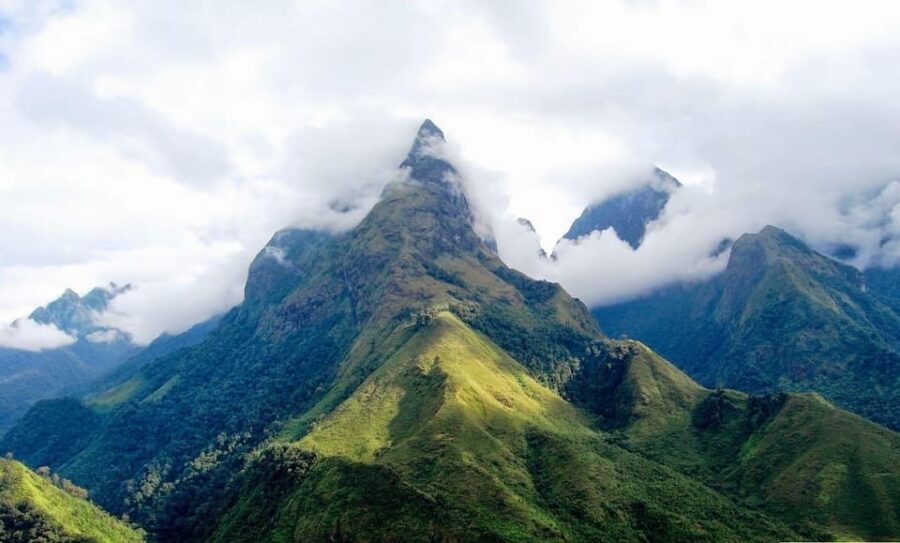
This is a focused, two-day itinerary built around two different “Sapa experiences.” Day 1 is human scale: local village life, walking in a valley, and taking in the sounds of water. Day 2 is big scale: a fast climb to Fansipan and a summit circuit that’s mostly about views and religious sites.
That split matters. If you go expecting only scenery, day 1 may feel smaller, even though it’s where the cultural context is. If you prefer culture first, day 1 will land nicely because you’re in a village setting while your energy is still fresh.
You can also read our reviews of more tours and experiences in Hanoi


Hanoi to Sapa by sleeper bus: convenient, but read the fine print
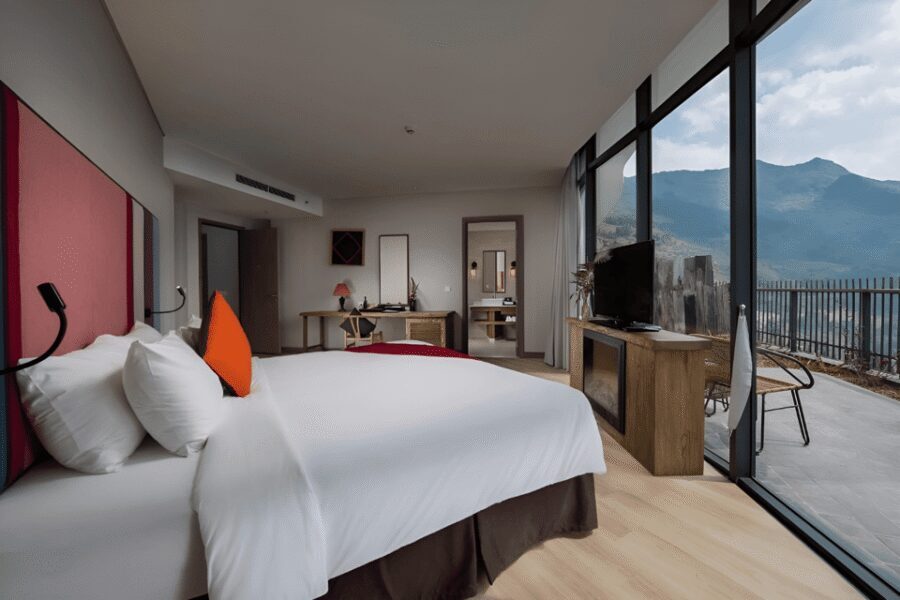
The trip starts with a Hanoi–Sapa sleeper bus using modern facilities. The key detail: there’s no tour guide on the bus, so you’re basically on your own for navigation and questions during the ride.
Why that’s good: sleeper buses are time savers. You’re traveling overnight, so you gain a full day for Sapa itself. Why it can be annoying: without a guide onboard, you’ll want to keep your essentials easy to grab and make sure you understand the plan before you board.
Also pay attention to pickup. This tour is set up for pickup in Hanoi’s Old Quarter or the bus station, so you don’t have to figure out how to reach Sapa on your own. That’s real value if you’re starting from central Hanoi and don’t want extra transfers.
Day 1 in Sapa: Cat Cat village and the Black H’mong rhythm
After you arrive in Sapa, you check in and you’ll have included meals. Day 1 then shifts to Cat Cat village, associated with the Black H’mong ethnic group.
What I like about this stop is that it’s not framed as a “show” only. The plan is built around learning about daily life and local customs, and you’ll walk through areas where you can see traditional crafts and houses with architecture shaped by the mountain slopes.
Cat Cat waterfall and the hydroelectric area
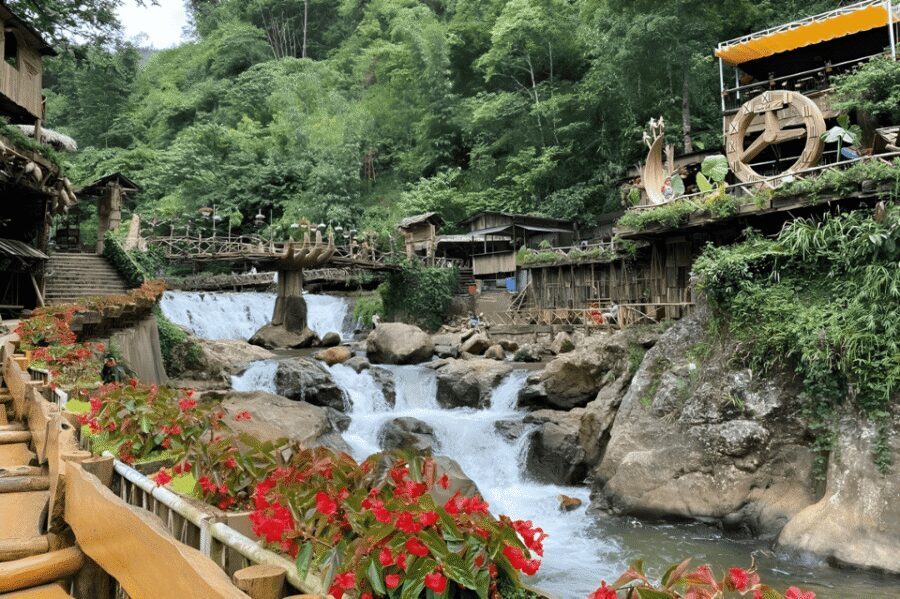
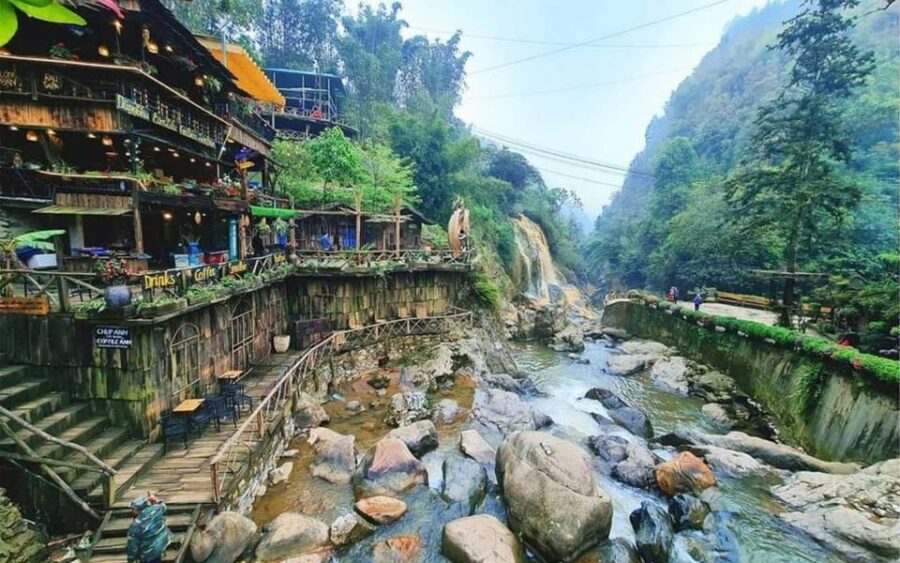
The route continues with a walk down to see the hydroelectric plant and the Cat Cat waterfall. This is one of those spots where nature does half the work for you. Water moves constantly, and the setting includes waterwheels and rustic bridges that are easy to photograph.
Practical tip: go slower than you think you need to. The valley changes with each step, and it’s easy to rush and end up with only a couple of photos instead of a whole sequence.
A real consideration from past experiences
If you want cultural explanations, don’t assume you’ll get them automatically. Some people have found the Cat Cat guide didn’t offer much context and they ended up exploring with less guidance than expected. So here’s what you can do: ask your guide questions right away about what you’re seeing—crafts, daily routines, and house details—while you still have momentum and language support.
This isn’t a deal-breaker, but it does affect how satisfying the village part will feel.




Overnight in Sapa: foggy city energy and why it helps Day 2
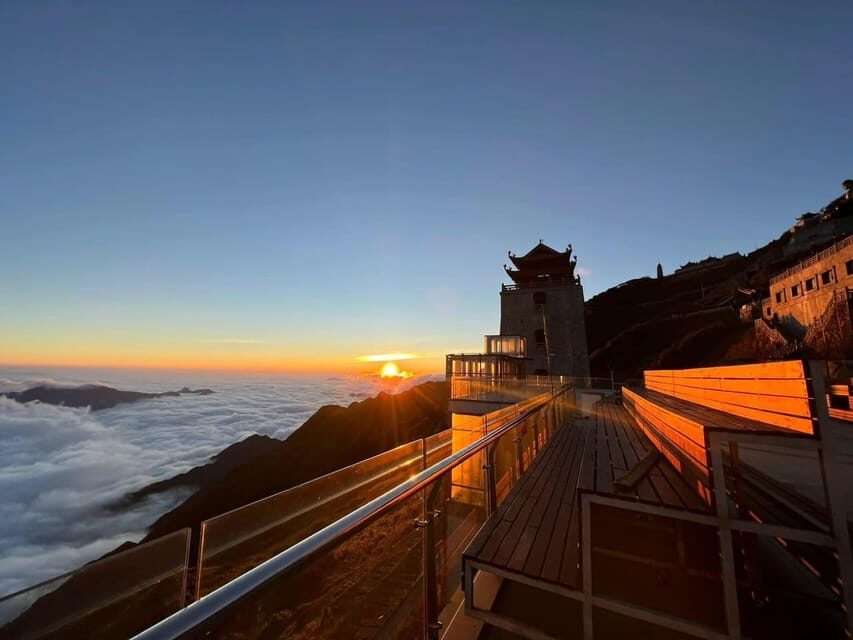
You sleep in Sapa. Even if you’ve never visited, you should expect misty mountain moods. The itinerary even frames Sapa as a meeting place of ground and sky, and that’s a fair description of what many visitors experience here: clouds can hide views, but they can also make everything feel atmospheric and quiet.
This matters for your next day. If you wake up to lighter fog, you might get better visibility from Fansipan and the cable car route. If it’s fully socked in, you’ll still get the temples and the walking part—but the panorama payoff may be reduced.
Day 2: cable car to Fansipan at 2,800m and views of Muong Hoa
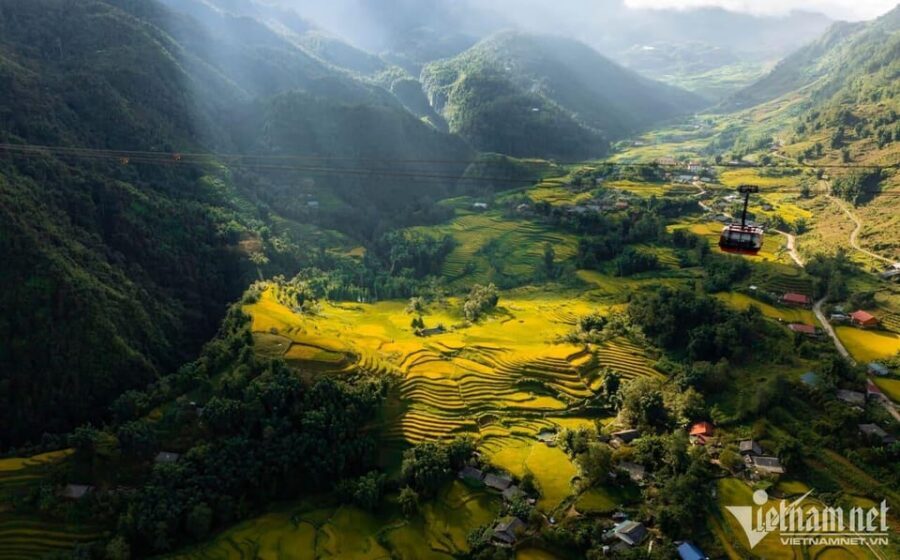
Day 2 is the peak day. You’re picked up and taken to the Fansipan Cable Car station, where you ride up to around 2,800m.
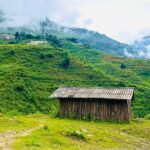
Even before you climb, you’re set up for view time. From the cable car, you can expect scenery that includes a smaller Sapa hidden in the clouds, plus the Muong Hoa valley with terraced fields and the Hoang Lien Son mountain range.
This cable car ride is more than transport. It’s your “getting oriented” moment. You’ll be able to see how the valley systems spread out, and why Fansipan is considered the roof of the region. If you’ve only ever seen photos, the ride gives you scale fast.
The climb: 600+ steps, temples, and giant Buddha statues
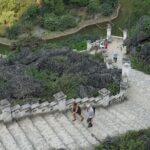
At the higher station altitude, the plan includes trekking more than 600 steps up to the peak. This is where the trip stops being a quick sightseeing stop and becomes an activity.
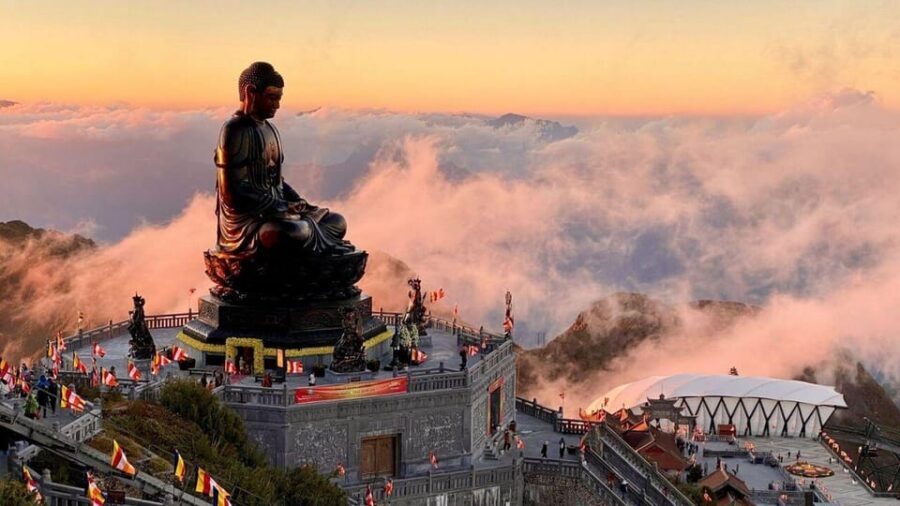
On the way, you’ll visit sacred temples and see giant Buddha statues. This turns the climb into a sequence of mini-rewards rather than one long grind. And the itinerary notes that you may see flowers blooming all year round, which fits Fansipan’s reputation for year-round growth.
What to watch for
This part is physically active, especially if you’re not used to mountain stair climbs. Take it slow. Breaks aren’t just for breath—they’re also for checking the views when the clouds lift.
Also, remember that you’re traveling at a high elevation. Weather shifts can happen quickly. Dress in layers so you can handle mist, wind, and sudden sun.
Peak views: what you get when Fansipan is clear
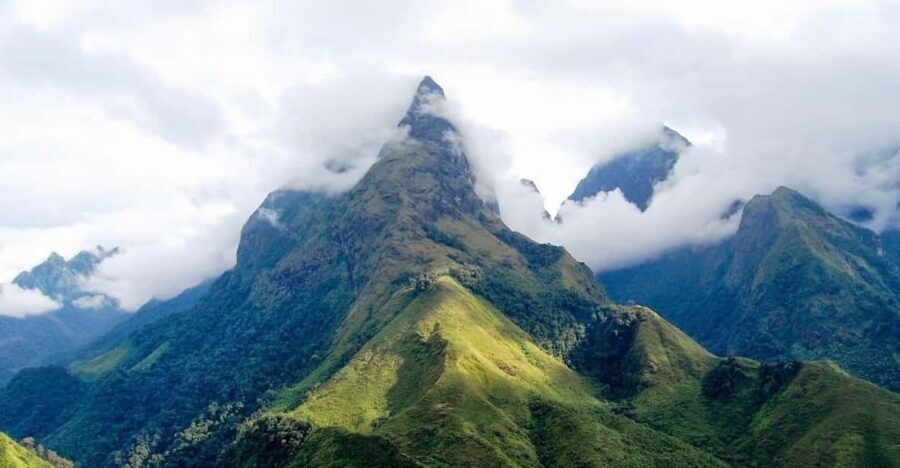
Reaching the top is the payoff. From the summit, you’ll get the opportunity to see:
- Terraced fields below
- A “miniature Sapa” feeling from height
- Sunlight hitting clouds, if the sky cooperates
Even if the visibility is imperfect, the temples and statues still give the mountain a strong identity. Fansipan isn’t only a viewpoint—it’s a place with a clear spiritual focus, and the itinerary reflects that.
Then you return to the cable car station, and you go back to your hotel for lunch with mountain specialties before heading back to Hanoi.
Lunch, dinner, breakfasts: how the included meals fit your energy
Meals are included for day 1 and day 2: 2 lunches, 1 dinner, and 1 breakfast. That’s a big deal on a short, two-day schedule because you avoid spending time hunting for food between transfers and climbs.
The itinerary doesn’t list every exact dish, but it does say the lunch on day 2 includes mountain specialties. Based on that, I’d treat these meals as part of your plan: eat enough for the steps, not just enough to be polite.
If you’re sensitive to altitude or you get a slower appetite, breakfast is still the one that matters most. You want fuel before the stair climb.
Price and value: what $116 covers, and what you’ll likely pay extra
The listed price is $116 per person. Based on what’s included, here’s what you’re buying:
- Sleeper bus tickets Hanoi ↔ Sapa (modern facilities)
- English-speaking tour guide in Sapa (with a surcharge for other languages)
- Hotel in Sapa
- Meals (2 lunches, 1 dinner, 1 breakfast)
- Cat Cat entrance tickets
What’s not included:
- Cable car surcharge
- Single room surcharge for solo travelers
- Holiday surcharge
- Optional upgrade surcharges if you choose limousine options instead of the sleeper bus
So is it good value? It’s best seen as a bundle. You’re paying for the hard-to-organize parts: long-distance bus travel timed into your schedule, a base hotel, meals, and an organized Cat Cat visit.
The variable cost is the cable car. Since the itinerary clearly depends on the cable car, your total trip cost will rise on top of the $116. Still, bundling the transportation and meals is usually where tours like this earn their keep.
One more ticket-check tip for the peak ride
There’s a practical lesson worth sharing: double-check what kind of round-trip you’re being sold for Fansipan transport at the station. One issue that can happen is receiving a one-way ticket when round-trip was expected. Before you leave the counter, confirm the ticket type and the return validity in plain terms. It’s a small step that can save you stress later.
Who this trip suits best (and who should think twice)
This tour works well if you want:
- A time-efficient Hanoi–Sapa–Fansipan plan
- A guide-led Cat Cat experience with English support in Sapa
- A structured pace for two full days without building logistics from scratch
It may not fit perfectly if:
- You want a deeply explained, fully narrated village tour at Cat Cat. The experience can lean lighter on context, so you’ll need to ask questions.
- You strongly dislike stair climbs. Day 2 includes 600+ steps, even with the cable car portion.
- You’re on a very tight budget once you add the cable car cost on top of the package price.
Should you book this Sapa & Fansipan experience?
If your main goal is Fansipan but you still want authentic local flavor in Sapa, I think this itinerary makes sense. The day 1 mix of Cat Cat village life plus waterfall scenery is a strong contrast to the big summit day, and the included bus + hotel + meals reduce a lot of hassle.
I’d book if you’re comfortable taking initiative—ask for explanations in Cat Cat early, and confirm your return ticket details for the Fansipan transport so you don’t get surprised at the station. If you prefer a fully scripted cultural experience and zero questions required, then you may want a different style of tour.

More 2-Day Experiences in Hanoi
- Doris Cruise 5 star cruise 2 days visiting Halong Bay Lan Ha Bay private balcony
★ 5.0 · 2,338 reviews