REVIEW · HANOI
From Hanoi: Ha Giang Loop Motorbike Tours 3-Days 2-Nights
Book on GetYourGuide →Operated by The Circle Travel Vietnam · Bookable on GetYourGuide
Ha Giang Loop is the kind of trip that sticks in your head. This 3-day, 2-night northern Vietnam ride strings together the famous passes, Ma Pi Leng viewpoints, and a Nho Que River boat ride, with an English-speaking guide keeping the route smooth and the group moving. I also love how the support feels real on the road—names like Hau, Piuu, Lam, Harry, and Song come up for doing the job well and staying on top of safety and logistics. One thing to consider: it’s not gentle. You’re dealing with long driving days, big heights, and real road conditions, so it’s a poor fit if you get motion sickness or hate exposure.
If you’re thinking this is a sit-back sightseeing tour, adjust your expectations now. The tour includes multiple passes, walking the Sky Path for panorama views, and a stop for Du Gia Waterfall jumping, plus eligibility limits like no high blood pressure, no pregnancy, and no people with fear of heights. If that sounds like your red flags, it’ll feel stressful instead of fun.
In This Review
- Key Highlights to Know Before You Go
- Why the Ha Giang Loop Feels Different From Other Vietnam Tours
- The Hanoi Start: Sleep on a Bus, Then Start Early
- Day 1 in the Loop: Bac Sum Pass, Heaven Gate, and Dong Van Night Life
- Day 2: Ma Pi Leng Pass and the Sky Path View Break
- Day 3: Du Gia Waterfall, a Market Stop on Saturday, and the Long Return
- Easy Rider vs. Self-Drive: Choose Based on Your Comfort
- How the Guides Keep the Day Running (and How the Group Can Feel)
- What You Actually Get: Meals, Stays, Entrance Fees, and a Few Comfort Upgrades
- Price and Value Logic: Why This Loop Can Be Worth It
- Should You Book This Ha Giang Loop Tour?
- FAQ
- How long is the Hanoi to Ha Giang Loop tour, and how many nights?
- Where are you picked up in Hanoi?
- What time does the first sleeper bus departure leave Hanoi?
- Do you include time to sleep after arriving in Ha Giang City?
- Is there a self-drive motorbike option?
- What major activities are included besides driving?
- Are meals included?
- What do I need to bring?
- Who should avoid this tour?
- Is travel insurance included?
Key Highlights to Know Before You Go
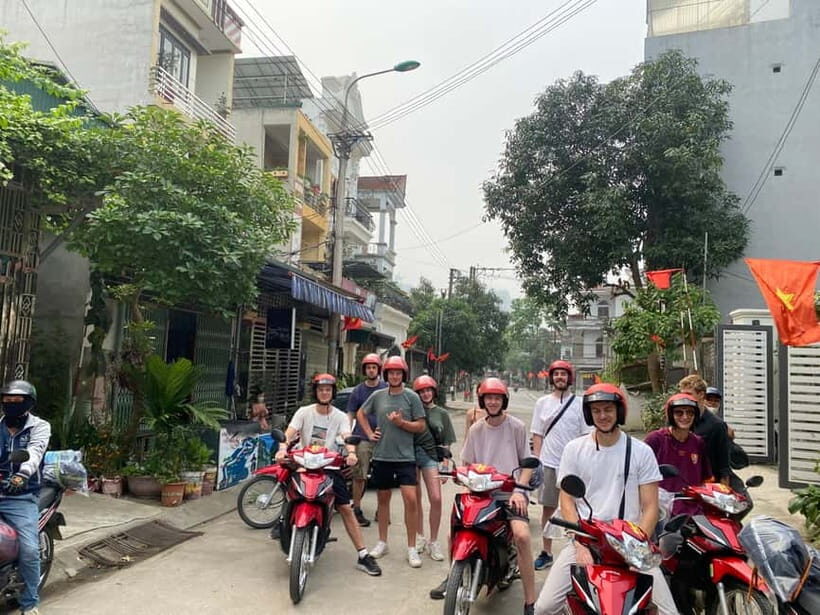
- Ma Pi Leng pass + Sky Path: mountain views with a walk for the best angles
- Nho Que River cruise: a break from the motorbike hours and a change of scenery
- Dong Van Karst Plateau: Dramatic geology plus a cultural stop at Hmong King’s Palace
- Du Gia homestay in rice-field country: a calmer night after big driving days
- Guides who actively manage the day: English speaking help and drivers who keep checking in
Why the Ha Giang Loop Feels Different From Other Vietnam Tours
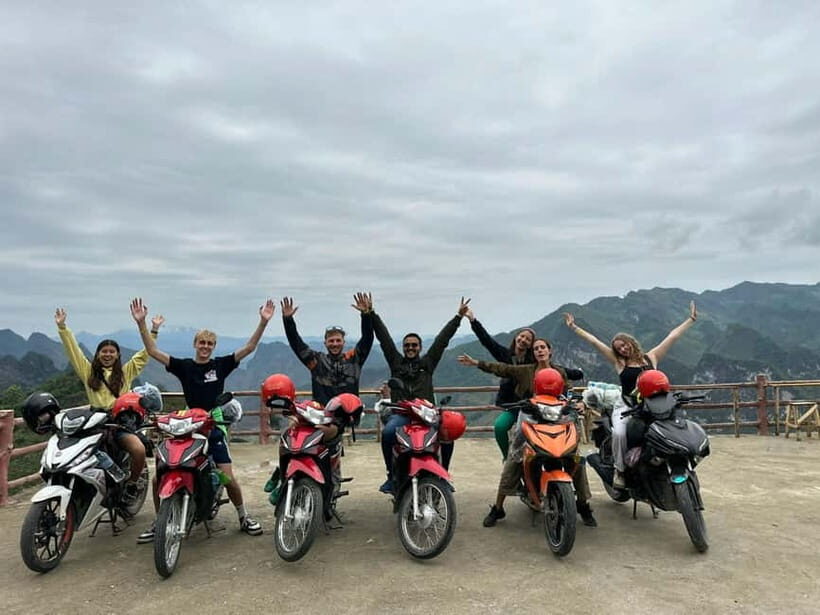
Most Vietnam tours are either food-heavy, temple-heavy, or city-heavy. The Ha Giang Loop is built around movement—curves, elevation, and changing mountain villages—so you don’t just see the region. You feel the region. That’s why Ma Pi Leng, with its famous drop and wide valley views, is such a draw, and why people keep talking about the timing of stops. The itinerary is designed so you get moments when the views are open and the atmosphere is not swallowed by crowds.
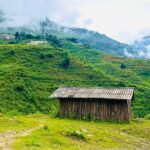
You also get a rare mix of nature and culture. One day you’re looking at twin mountains at Heaven Gate and riding through passes like Can Ty and Tham Ma. Another day includes Sky Path views and then a river cruise that slows things down. And you still end up somewhere you can talk to locals—like the homestay night in Du Gia Village—instead of only checking into a hotel and calling it done.
The motorbike part is the point, but you should still like what the tour offers between rides: planned meals, planned rest breaks, and a guide who speaks English. In the reviews, the best praise isn’t just about scenery. It’s about people like Hau and drivers like Song handling the day so you’re not stuck guessing what comes next.
You can also read our reviews of more tours and experiences in Hanoi.
The Hanoi Start: Sleep on a Bus, Then Start Early
The trip kicks off in the Hanoi Old Quarter pickup window, typically 7:30 PM to 8:00 PM. Pick-up happens from your hotel or hostel, then you depart around 21:00. You’ll be on a sleeper bus for a long haul—about 350 km—with a rest stop along the way. The payoff is that you arrive in Ha Giang City early enough to do something with Day 1.
At around 03:30, the bus drops you at the hostel area. Then you check in to Hong Hao Hostel and get a free private bed or room for a few hours to sleep. That matters because you’re not waking up in the middle of nowhere and waiting until noon. You get the basics so you can function.
Still, be honest: this is overnight travel. If your sleep is fragile, you’ll want to treat that early-morning start as part of the deal. Bring earplugs if you’re a light sleeper. Pack something simple for comfort. And don’t plan your day-one brain to be fully sharp until after breakfast and your guide briefing.
Day 1 in the Loop: Bac Sum Pass, Heaven Gate, and Dong Van Night Life
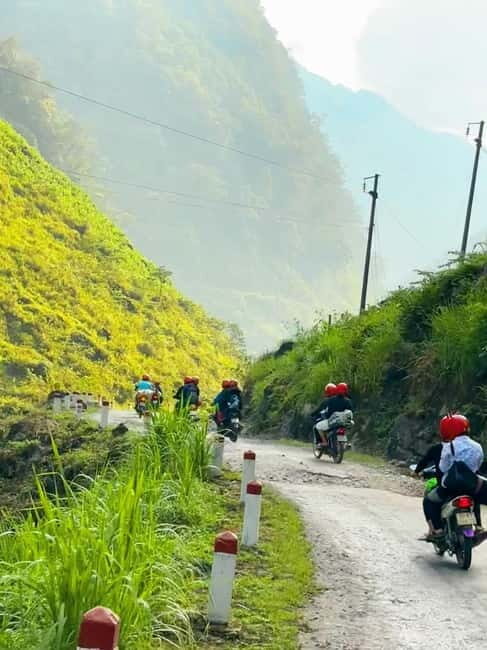
Day 1 begins with a wake-up in Ha Giang City, breakfast, and then your guide-led start. After you arrive and rest a bit, you’ll have breakfast around 08:00 and meet your guide by about 08:30. The riding starts close to 09:00, and the day is built to layer views quickly.
Here’s the flow and why it’s worth your attention:
- Bac Sum Pass (around 09:00–10:00): This is your first big “we’re in it now” moment—rolling mountain roads that set the tone.
- Heaven Gate (around 10:00): Twin mountain scenery with a view worth pausing for. Expect stops where you can take in the scale.
- Can Ty Pass (around 11:00): Another pass stop that keeps the scenery changing instead of repeating.
- Lunch in Yen Minh (around 12:00): A reset point during a long driving day.
- Tham Ma Pass (around 13:00): You’re stacking passes, so don’t ignore the chance to step out and stretch.
- Dong Van Karst Plateau (around 15:00): This is where the geology really shows off—mountains that look sculpted, and roads threading through them.
- Hmong King’s Palace in Sa Phin (around 16:00): A cultural stop that breaks the purely scenic rhythm.
You finish Day 1 by arriving in Dong Van around 18:00, then you’ll have dinner and local live music. That night element matters because it turns the day from a “drive all day” slog into a real place to be, even if you only overnight there.
A practical caution: Day 1 is not for anyone hoping for a slow, casual pace. If you’re prone to car sickness or easily overwhelmed by winding roads, plan for that in advance. The tour also isn’t suitable for people afraid of heights, and this is exactly the kind of route that makes that limitation meaningful.
Day 2: Ma Pi Leng Pass and the Sky Path View Break
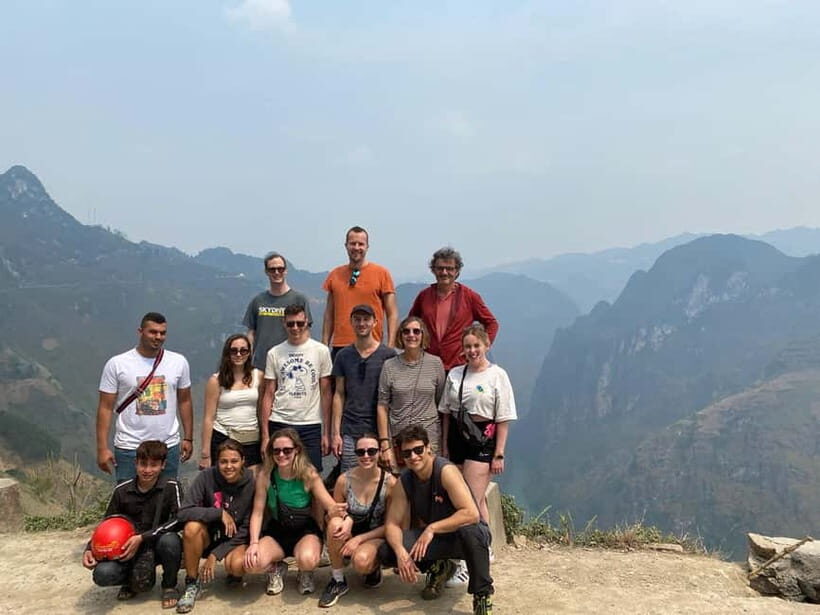
Day 2 is where many people fall in love with the trip. You’ll start with breakfast in Dong Van around 08:00, then set off near 09:00 toward Ma Pi Leng Pass.
- Ma Pi Leng Pass (around 09:00–11:00): This is the big-name stop, and you’ll have time for real looking, not just photo-and-go.
- Sky Path trek (during the pass stop): You’ll walk for panoramic views. This is fantastic if you like photo angles and don’t mind walking on a trail. It can be stressful if you’re uneasy around height exposure.
- Descend to Nho Que River (around 11:00): Then the pace shifts from road adrenaline to water-time calm.
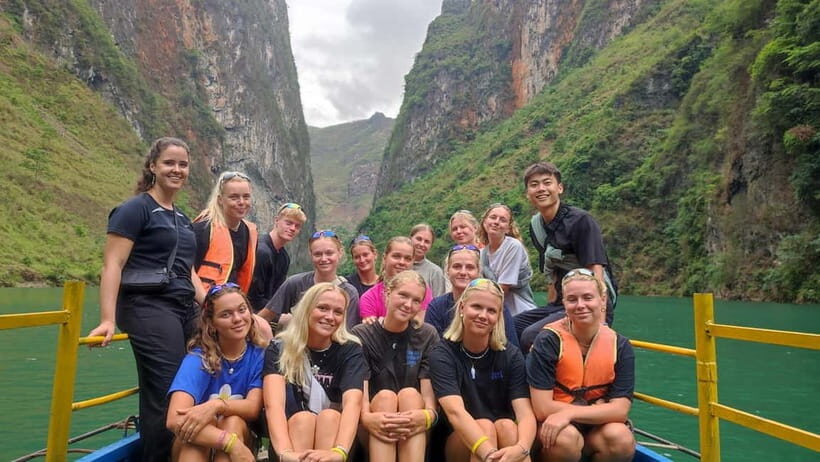
- Nho Que River cruise: A boat ride that changes your perspective and gives your body a break from sitting on the bike.
- Lunch around 12:30 in Meo Vac, Mau Due, or Lung Ho: The lunch locations vary, but the point stays the same: you get food and a short reset.
- Afternoon passes and viewpoints: You drive through areas like Sa Li Pass and stop at Lung Ho Viewpoint.
You then check in at your homestay in Du Gia Village. The day ends with dinner around 19:00–19:30.
This day is a good reminder that the tour designers understand pacing. If you only did driving, you’d get numb. If you only did walking and boats, you’d miss the thrill of Ha Giang roads. Instead, you get a deliberate swap: pass views → river cruise → viewpoint stops → homestay reset.
If you’re the type who wants maximum time outdoors and minimal “waiting around,” Day 2 tends to deliver. And if you’re the type who needs frequent comfort, you’ll still get breaks, but you should expect the day to be active.
Day 3: Du Gia Waterfall, a Market Stop on Saturday, and the Long Return
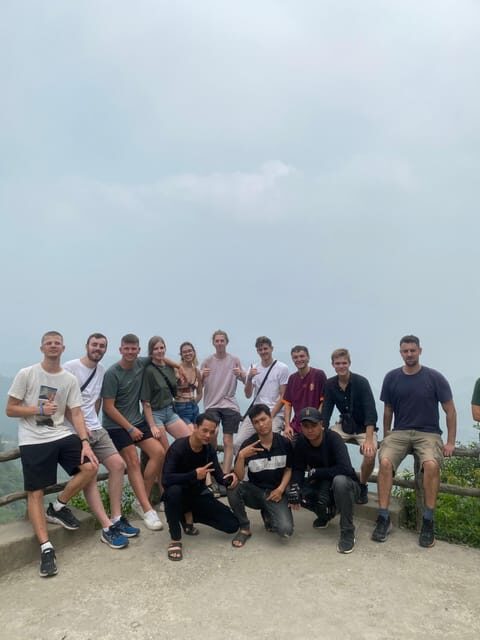
Your final morning starts with breakfast around 08:00 and then riding out toward Du Gia Waterfall around 09:00. The highlights promise waterfall jumping, and this is one of the more physical, spontaneous-feeling stops of the trip. If that’s a fun challenge for you, great. If you’d rather watch than jump, you can still enjoy the setting—just follow your guide’s safety advice.
Around that time, there’s also a stop for Du Gia market on Saturday. If your dates include Saturday, you’ll get a local market moment. If not, expect the waterfall portion and the rest of the driving day to stay the focus.
After that, you’ll cross Yen Ninh town and observe from Duong Thuong viewpoint. Then you’ll hit Thai An Road for more mountain-road variety and enjoy lunch around 13:00 in either Thai An or Ba Tien (Quan Ba town).
By around 16:00, you’re back in Ha Giang to prepare for the return. You have dinner on your own, then board the sleeper bus at 19:30 or 21:00 and head back toward Hanoi.
Two practical realities for Day 3:
- It’s a full day followed by more overnight travel, so you’ll want to keep your energy steady in the afternoon.
- Because the return timing is 19:30 or 21:00, your exact dinner plan in Ha Giang can shift. Don’t overbook yourself with hard-to-change plans.
Easy Rider vs. Self-Drive: Choose Based on Your Comfort
This tour can be done two ways, depending on the option you select:
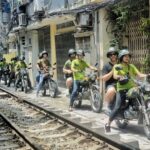
- A motorbike driver (with gas) and you ride as part of the group, often called easy rider.
- Self drive, where you ride your own motorbike.
You’ll need an international driver’s license for riding, and the tour isn’t for drivers under 18. Also note the weight and health limits: people over 220 lbs (100 kg), those with high blood pressure, and those prone to motion sickness are not suitable.
In the reviews, I saw a clear pattern: people liked the easy rider format for comfort and reduced hassle, and at least one person switched to self drive for more personal control. If you’re nervous about handling the bike on mountain roads, the easy rider option is the lower-stress way to experience the loop.
If you do self drive, you’re trading convenience for freedom. That can feel amazing, but only if you’re already confident on a bike and comfortable with long, twisty roads.
Either way, the guide is part of the system. In praise comments, drivers like Piuu and Lam are singled out for checking in and keeping things safe. That’s a big deal because safety here isn’t a poster slogan—it’s a behind-the-scenes routine.
How the Guides Keep the Day Running (and How the Group Can Feel)
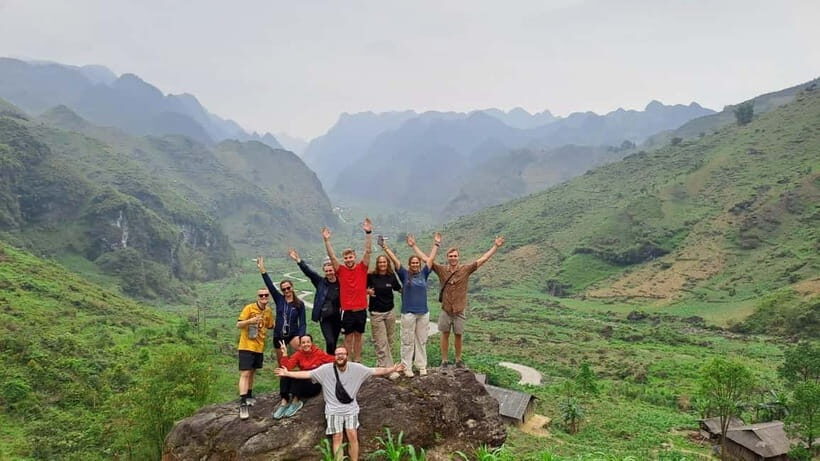
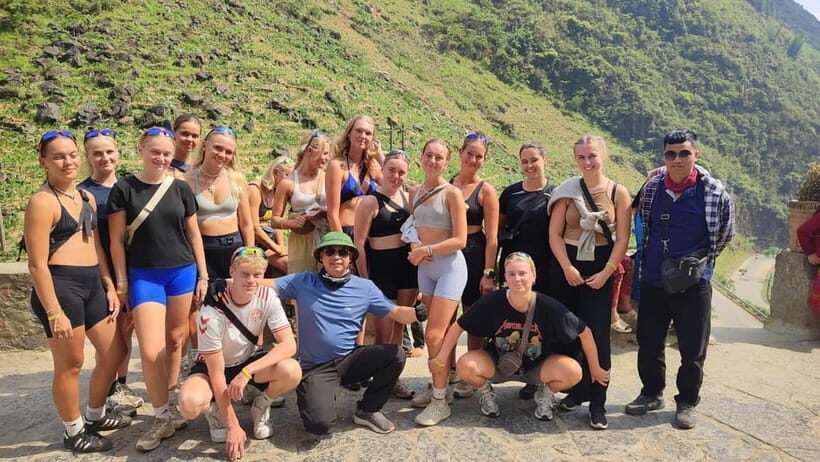
The tour includes an English speaking guide plus active support during transfers and the ride itself. In the best feedback, guides are described as helpful even at odd hours, and drivers are described as attentive during longer drives.
Names that showed up in the reviews include Hau (as a group leader), Harry (helpful organizer), and Song (driver and group leader in at least one group). Drivers like Piuu and Lam were praised for safety and for keeping energy up with humor and check-ins.
That matters because a loop tour can go sideways if nobody is managing the timing: late arrivals for photo stops, missed meals, or confusion about where to meet. Here, the structure is clear, and the guide presence is part of why people rated it 5 stars so often.
One potential downside for some solo travelers: in one review, a solo guest felt a bit left out because they were placed with an already-established friend group. If you’re traveling alone and want maximum social balance, it’s worth asking how the company mixes solo riders. Even if everything is well organized, social comfort can vary by group chemistry.
What You Actually Get: Meals, Stays, Entrance Fees, and a Few Comfort Upgrades
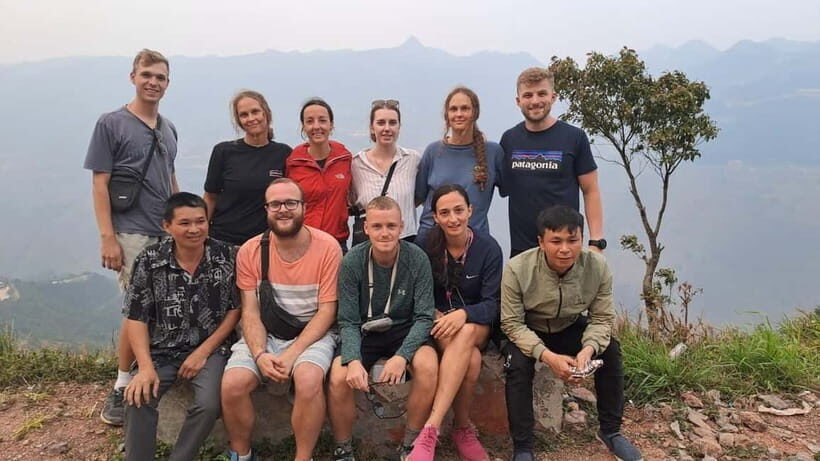
This is where the value shows up. The tour includes:
- Two-way transfers by sleeper bus between Hanoi and Ha Giang
- Hotel pickup and drop-off in Hanoi Old Town
- Motorbike driver with gas or self-drive (depending on your option)
- English speaking guide
- Nho Que River cruise
- Free t-shirt design
- Accommodation for nights in different formats: sleeper bus travel, a hotel in Dong Van, and a homestay in Du Gia Village
- 3 breakfasts and lunches, plus 2 dinners
- Entrance fees and select activities
- Extra luggage storage at the Hanoi office or Ha Giang hostel
Not included:
- Drinks
- Travel insurance (strongly recommended)
A few “real world” notes from the reviews: food is generally described as decent, but it can feel repetitive. You’ll still get enough variety across locations and meal stops, just don’t expect a gourmet playlist every single day. If you’re picky, think about bringing a small snack habit you can manage between meals.
On accommodations, feedback is positive about the quality of the private rooms/homestay setups, but again, expect the homestay to feel local and simple rather than luxury. The payoff is location—Du Gia Village with green rice fields is the kind of night that makes the driving feel worth it.
Price and Value Logic: Why This Loop Can Be Worth It
Since no single price is listed here, I’ll talk value in terms of what you’re getting for the time.
This isn’t just a scenic day trip. You’re paying (directly or indirectly) for:
- long-distance Hanoi ↔ Ha Giang sleeper bus transfers
- guided routing through major passes like Bac Sum, Can Ty, Tham Ma, Ma Pi Leng, Sa Li, and Du Gia
- motorbike logistics (either your own bike option or a driver setup)
- boat time on the Nho Que River
- accommodations across multiple nights, plus the meals that keep the day running
- entrance fees and key activities
For many travelers, the hidden value is not having to figure out transport, timing, and daily meeting points on your own. That’s why guides and driver routines get such strong praise: they remove stress. And for a region with fewer “easy bus connections,” that matters.
If you want to “DIY” the loop, you can try. But if you want the route done right—with the right stops and smoother pacing—this kind of organized structure usually feels like good value.
Should You Book This Ha Giang Loop Tour?
Book it if you want a classic Ha Giang experience built around major passes, a Nho Que River cruise break, and a homestay night that feels rooted in the region. It’s a strong match for people who:
- are comfortable with a long riding day and overnight travel
- can handle high viewpoints and a Sky Path walk
- want English-speaking guidance and safe driving management
Skip it if you:
- fear heights or get motion sickness
- have high blood pressure or any medical limits listed by the tour
- want a fully relaxed pace with minimal physical effort
If you’re ready for mountain roads and you like your travel with structure, this is the loop to choose. And if you end up with drivers like Song, Piuu, or Lam and a guide like Hau or Harry, you’ll feel the difference quickly: the views are the headline, but the way the day is run is what makes it a repeatable memory.
FAQ
How long is the Hanoi to Ha Giang Loop tour, and how many nights?
It’s a 3-day tour with 2 nights. You also have sleeper bus travel on the first and last nights as part of the overall schedule.
Where are you picked up in Hanoi?
Pickup happens from your hotel or hostel in the Hanoi Old Quarter, typically between 7:30 PM and 8:00 PM.
What time does the first sleeper bus departure leave Hanoi?
The bus departs around 21:00, with a rest stop along the way and an arrival drop around 03:30 in Ha Giang City.
Do you include time to sleep after arriving in Ha Giang City?
Yes. After the bus drop around 03:30, you can use a free private bed or room for a few hours at the Ha Giang hostel before the tour ride starts.
Is there a self-drive motorbike option?
Yes. Depending on the option you select, you can choose either an easy rider setup with a driver (with gas) or drive your own motorbike.
What major activities are included besides driving?
The tour includes a Nho Que River cruise and a stop at Du Gia Waterfall. It also includes a Sky Path trek for panoramic views during the Ma Pi Leng area.
Are meals included?
Yes. You get 3 breakfasts and lunches, plus 2 dinners included in the tour.
What do I need to bring?
Bring a passport or ID card, comfortable shoes and clothes, and an international driver’s license.
Who should avoid this tour?
The tour notes it’s not suitable for children under 7, pregnant women, wheelchair users, people afraid of heights, people with motion sickness, people with high blood pressure, and people over 70, among other limits listed.
Is travel insurance included?
No. Travel insurance is not included, and the tour strongly recommends you buy it.
More Tours in Hanoi
- Ninh Binh Full-Day Tour from Hanoi to Hoa Lu, Tam Coc & Mua Cave Via Boat & Bike
★ 5.0 · 4,384 reviews