REVIEW · HA GIANG
From Ha Giang – Cao Bang – Ban Gioc waterfall: 4days 3nights
Book on Viator →Operated by LV Travel · Bookable on Viator
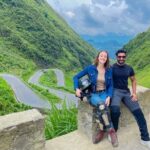
Muddy roads, huge views, and real rural life. This 4-day Ha Giang–Cao Bang circuit packs in iconic North Vietnam scenery like Ma Pi Leng Pass and the Ban Gioc waterfall on a schedule that keeps you moving without feeling rushed. I like that you get full meal support plus attraction tickets, and I also like the human touch from guides such as Viet (and Cecar on some departures) who help things run smoothly. One thing to think about: this is a long-driving, early-start kind of trip, and the passes and caves mean you’ll feel the fatigue if you’re not ready for mountain travel.
The tour is priced at $333.22 per person, and it’s usually booked well ahead (about 87 days on average), which is a good hint that people plan this as a set-piece trip. You’ll ride in a small group (max 15), sleep in a private room (2 people per room), and cover major stops with an English-speaking guide. If you’re traveling alone, note that the trip is organized for at least 2 people, so you’ll want to check your exact arrangement early.
In This Review
- Quick takes: what makes this route work
- Ha Giang to Cao Bang: why this circuit feels so satisfying
- Price and value: what $333.22 buys you (and what it doesn’t)
- Meeting point and timing: starting at Mỹ Đình the right way
- Motorbike reality check: international license, gasoline, and comfort
- Day 1: Quan Ba Heaven Gate, Fairy Mountain, then the Thẩm Mã pass curves
- Day 2: Sunday market energy at Đồng Văn, then Nho Quế River and Ma Pi Leng
- Day 3: Khau Cốc Chà Pass, Hà Quảng district roads, and the Khuội Kỵ stone village
- Day 4: Nguom Ngao Cave, Trúc Lâm Pagoda, and the Ban Gioc/Detian waterfall boat ride
- Meals and lodging: built-in comfort, with rural character
- How to prepare so the mountain days feel fun, not stressful
- Who this tour is best for
- Should you book the Ha Giang to Cao Bang (Ban Gioc) 4D/3N tour?
- FAQ
- What is the price of the tour?
- How long is the Ha Giang to Cao Bang (Ban Gioc) tour?
- What sights are included?
- Are meals included?
- Is a motorbike included, and is gasoline covered?
- If I want to ride the motorbike, do I need a license?
- How much does a private rider/driver cost?
- What is included in the Ban Gioc experience?
- Where does the tour start and end, and can I return to Hanoi?
Quick takes: what makes this route work
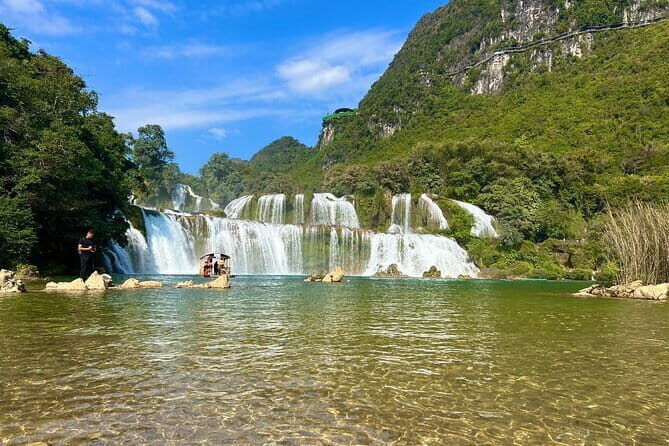
- Ban Gioc by boat: you get time close to the falls, including that wet, close-up feeling.
- Big-pass days: Quan Ba, Thẩm Mã, Ma Pi Leng, and Khau Cốc Chà Pass are the heart of the trip.
- Caves and pagodas on day 4: Ngao Cave plus Trúc Lâm Ban Giốc Pagoda breaks up the driving pace.
- Market + river morning energy: Dong Van Market and Nho Quế River add variety beyond just mountain roads.
- Meals included almost every day: breakfast, lunch, and dinner are planned into the route so you’re not scrambling.
- Motorbike support included: the tour provides a motorbike with gasoline, but you’ll need the right license setup.
Ha Giang to Cao Bang: why this circuit feels so satisfying
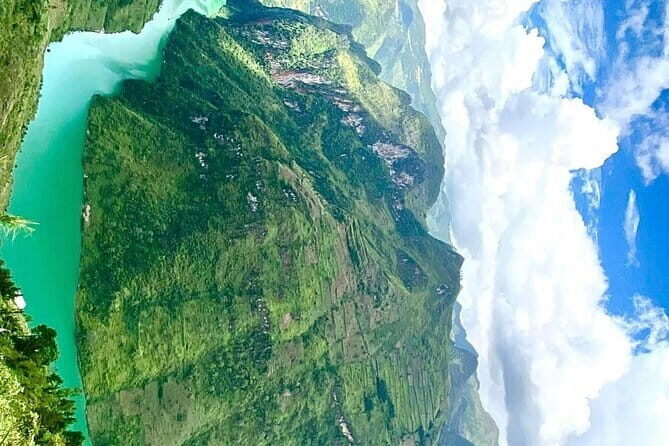
If you like North Vietnam when it’s not just one city, this route hits the sweet spot. You start in Ha Giang’s dramatic karst region, then you work your way into Cao Bang’s limestone country and end with the famous shared river falls at Ban Gioc/Detian.
What I like most is the mix of “big wow” and “small pause.” The days have major road icons and then you get breaks that are more than photo stops: a market morning, a cave with long-lasting natural formations, and a stone village built from local rock. It’s the kind of trip where you can look at one view from the pass, then later see a completely different texture of the region—stone houses, cave columns, and waterfall mist.
You can also read our reviews of more tours and experiences in Ha Giang
Price and value: what $333.22 buys you (and what it doesn’t)
At $333.22 per person for about 4 days, the value is in what’s bundled. You get:
- All tickets for the listed attractions
- Boat ticket for Ban Gioc
- Breakfast (3), lunch (4), dinner (4)
- Water: 1 bottle per day
- English-speaking guide
- Private room (2 pax per room)
- Motorbike included with gasoline
What’s not included matters too:
- If you want someone to drive, there’s an added private rider cost ($20/day/person).
- Hanoi–Cao Bang bus tickets are not included (listed as $20 one way per person).
- A private car costs extra ($40/day).
- Tips and personal expenses are on you.
So the smart way to think about this price is: you’re paying for planning, guide time, tickets, and the core transport setup. If you already know you’ll need a private driver or you’ll upgrade to a private car, your real cost goes up. If you can ride and you like guided logistics, it’s a good deal.
Meeting point and timing: starting at Mỹ Đình the right way
Your day begins at 7:00 am from Bến Xe Mỹ Đình (My Dinh 2), Hanoi. That’s early, but it fits the rhythm of mountain travel. If you’re coming from farther away, you can request help booking a sleeping bus to Hanoi so you arrive rested enough to start the next day strong.
On day 4, the tour ends in Cao Bằng city. You’ll also have an option to return to Hanoi on a night bus departing at 8:00 pm, or simply stay in Cao Bằng and end your trip locally.
Motorbike reality check: international license, gasoline, and comfort
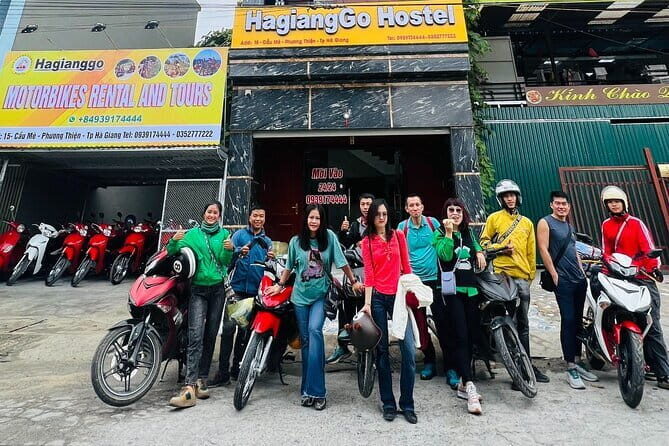
This tour is built around motorbike travel. If you plan to ride, the key point is that you’ll need an International Driver License. If you don’t have it, you can still book a driver (with that extra $20/day/person cost).
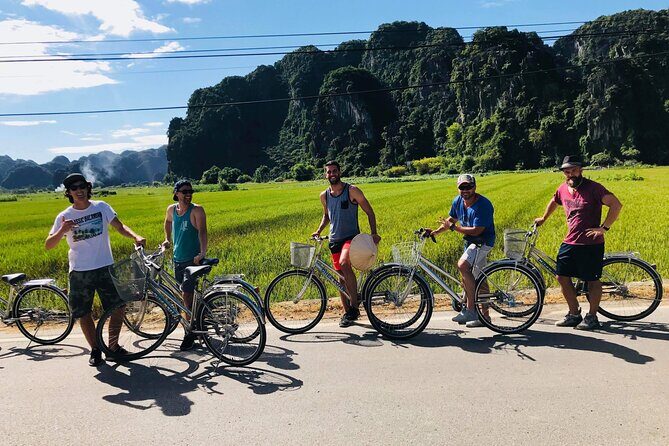
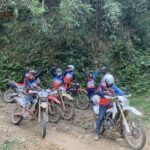
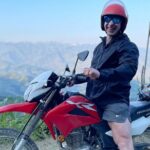
Here’s the practical part: the motorbike is provided, and gasoline is included, which removes one of the common “surprise expenses” in motorbike tours. Still, mountain passes can be tiring even when the bike part is easy. Wear proper protection, keep your jacket handy for sudden temperature drops, and plan for long stretches where your body gets worked more than you expect.
Day 1: Quan Ba Heaven Gate, Fairy Mountain, then the Thẩm Mã pass curves
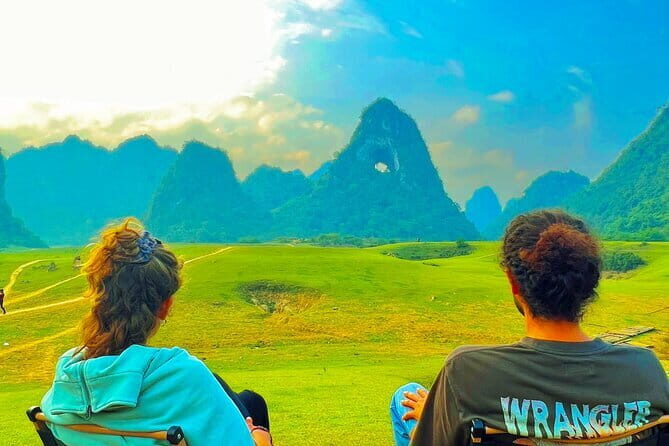
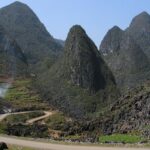
Day 1 starts with breakfast at your hotel, then you’re off toward the Đồng Văn Karst Plateau Geopark area. One of the first story moments is the stop at the Quan Ba Heaven Gate check-in point, where you can see the dramatic Fairy Mountain formation.
This early stop is more than a quick photo. It gives you that first sense of scale: karst towers, sharp ridgelines, and roads that look like they were carved rather than built. You get oriented fast, which helps when the driving ramps up later.
After that, the day moves to Coffee Thẩm Mã—the Thẩm Mã slope, known for its winding hairpin turns across the mountainside. The listing frames it as challenging, and that matches how these passes feel in real life: slow speed doesn’t mean easy speed. If you’re prone to motion sickness, pack something for it, take breaks when the guide offers them, and don’t start the day overconfident.
Day 2: Sunday market energy at Đồng Văn, then Nho Quế River and Ma Pi Leng
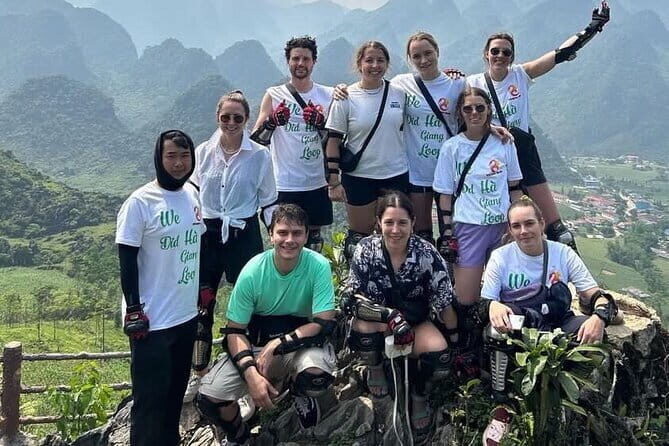
Day 2 has a great “rhythm shift” built in. You’ll get up early for Đồng Văn Market, held every Sunday morning. Markets like this are where you see the living North, not just the scenic North—colors, everyday goods, and locals moving through routines that don’t depend on tourists.
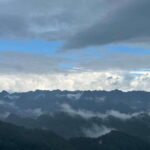
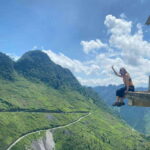
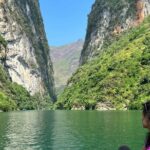
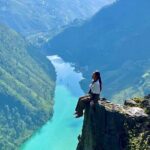
After the market, the route focuses on Nho Quế River and then continues to Ma Pi Leng Pass. Ma Pi Leng is repeatedly described as one of Vietnam’s big mountain passes, and you can see why once you’re on it: the road runs along sheer cliffs, with long, exposed stretches that make you feel how high you really are.
A heads-up for this day: Ma Pi Leng is visually intense, but it can also be physically tiring. You’ll want to keep water handy (the tour includes daily water), wear layers, and be ready for wind at altitude. If your priority is comfort over views, you’ll still enjoy Ma Pi Leng—but expect the pass to demand attention.
Day 3: Khau Cốc Chà Pass, Hà Quảng district roads, and the Khuội Kỵ stone village
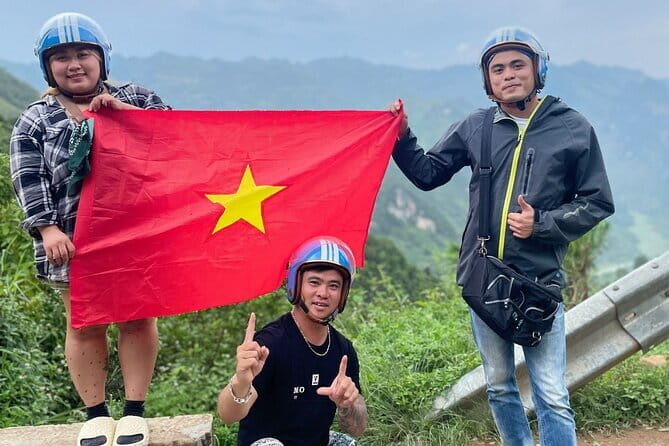
Day 3 begins with a slower, atmospheric start: breakfast with coffee while looking out over fields and mountains surrounded by clouds. This is a nice contrast after the more dramatic cliff roads of the previous day.
Then you head to Khau Cốc Chà Pass, described as one of the most beautiful and scenic passes in the region. Like the other passes, the real value here is the driving experience plus the stopping points. You’re not just looking; you’re learning how these roads connect communities to each other.
From there, the day shifts to Hà Quảng district with travel through roads near the China border area, stopping at points along the way. You’ll also visit Khuội Kỵ Stone Village, known for stone houses built from local natural stone. The stop is short, but it’s memorable because the village looks different from the typical wooden or concrete settlement you might be used to.
Practical tip: stone villages are often cool and shaded in parts, so if you’re wearing just one layer, bring a light extra layer for the walk around.
Day 4: Nguom Ngao Cave, Trúc Lâm Pagoda, and the Ban Gioc/Detian waterfall boat ride
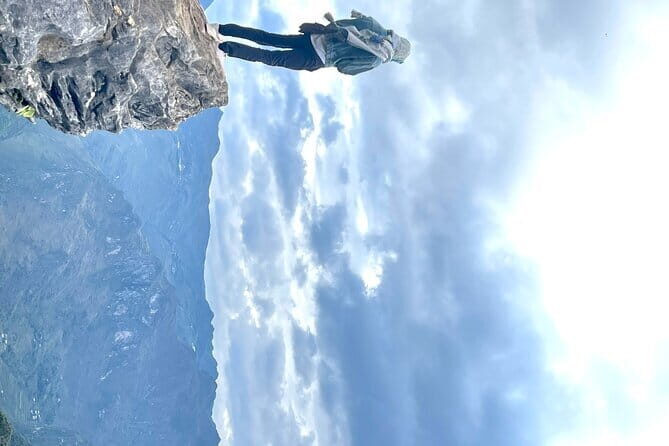
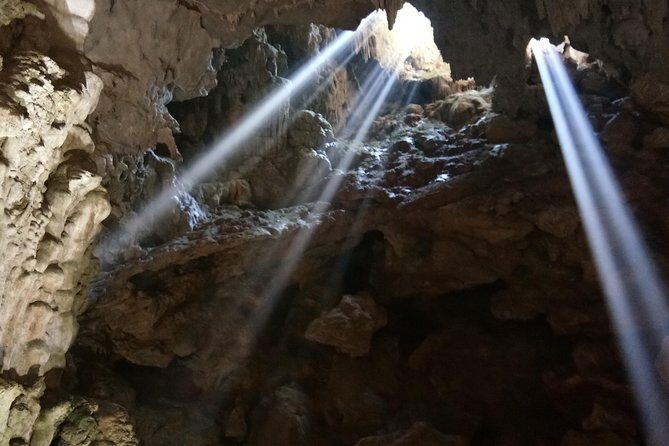
If you want one day that feels like a finale, day 4 does it. You start with Nguom Ngao Cave, which is described as keeping pristine beauty, with natural stone columns, plus stalactites formed over enormous timescales. Caves can be humid and slippery, so comfy shoes matter more than you think.
Next comes Trúc Lâm Bản Giốc Pagoda. The focus here is architecture and sculpture, set in a serene nature setting. It’s also a mental reset between cave dampness and waterfall mist. Even if you’re not a temple person, it gives you a calm breather and a place to slow your photos for a minute.
Then comes the headline: Ban Gioc Waterfall (Detian Falls) on the border. The tour includes a boat ride closer to the falls, so you’re not stuck across the river. You’ll feel the splashing water and get that goosebump moment when the mist hits. It’s scheduled as about 2 hours, which is enough time to enjoy the different angles without feeling like you’re being rushed off.
After the waterfall, you’ll return to Cao Bằng city for dinner featuring Cao Bằng specialties. Then you choose: return to Hanoi by night bus at 8:00 pm, or stay in Cao Bằng.
Meals and lodging: built-in comfort, with rural character
Meal support is a real selling point here. You’re covered with breakfast (3), lunch (4), dinner (4), plus a bottle of water each day. That matters because some of these days are long driving days, and searching for food would quickly turn into wasted energy.
Lodging is listed as private rooms (2 people per room). From the general feel of this kind of route, you should expect simple, rural accommodations rather than big-city comfort. A few reviews referenced rustic-but-cozy stays, which matches the idea: you’re in the countryside, not in a resort bubble.
How to prepare so the mountain days feel fun, not stressful
This is a scenery-focused trip, but it’s still a mountain travel trip. You’ll enjoy it more if you prepare like it’s a workout with great rewards.
Here are practical things I’d do before you go:
- Plan for early mornings. Starting at 7:00 am and then hitting multiple passes means sleep is precious.
- If you get carsick easily, bring something for it—pass winds and winding roads can add up.
- Dress in layers. Passes can swing cold and windy even when the lowlands feel warm.
- Bring a small light rain plan. You’ll get mist at Ban Gioc; a light poncho can save your day.
- Budget for tips and personal costs, since those aren’t included.
Who this tour is best for
This trip is a strong match if you:
- Want a route-based adventure rather than one city
- Enjoy mountain passes and scenic road stops
- Want a guide and included tickets so you’re not managing logistics every day
- Like the idea of mixing market + caves + waterfall in one loop
It may be less ideal if you:
- Hate long driving days
- Need fully hands-off transport (a driver option exists, but it costs extra)
- Don’t have the international license and would rather not deal with the added logistics
Should you book the Ha Giang to Cao Bang (Ban Gioc) 4D/3N tour?
I’d book it if your priority is seeing the North’s real variety in a tight time window—karst plateau views, iconic passes, a stone village, and a Ban Gioc boat ride that actually gets you close. The included tickets, meals, and guide support make it feel like a complete package, and the guide quality highlighted in feedback (names like Viet and Cecar) suggests they work to keep the days flowing.
Skip it or adjust expectations if you’re sensitive to early starts and long drives, or if you’ll almost certainly need a driver right away. In that case, check the added rider cost against your budget before committing.
If you like practical structure and want authentic countryside scenery with someone else handling the route, this is a solid choice.
FAQ
What is the price of the tour?
The tour is priced at $333.22 per person.
How long is the Ha Giang to Cao Bang (Ban Gioc) tour?
It runs for 4 days (about 4 days total).
What sights are included?
You’ll visit Đồng Văn Karst Plateau Geopark (Quan Ba Heaven Gate), Thẩm Mã slope, Đồng Văn Market (Sunday), Nho Quế River, Ma Pi Leng Pass, Khau Cốc Chà Pass, Khuội Kỵ Stone Village, Nguom Ngao Cave, Trúc Lâm Bản Giốc Pagoda, and Ban Gioc/Detian Falls.
Are meals included?
Yes. The tour includes 3 breakfasts, 4 lunches, and 4 dinners, plus 1 bottle of water per day.
Is a motorbike included, and is gasoline covered?
Yes. The tour includes a free motorbike with gasoline.
If I want to ride the motorbike, do I need a license?
Yes. The tour notes that you need an International Driver License to ride. If you don’t have one, you can book a driver for an additional fee.
How much does a private rider/driver cost?
The private rider cost is $20 per day per person (not included in the base price).
What is included in the Ban Gioc experience?
The tour includes the boat ticket for getting closer to Ban Gioc Waterfall/Detian Falls.
Where does the tour start and end, and can I return to Hanoi?
It starts at 7:00 am from Bến Xe Mỹ Đình (My Dinh 2) in Hanoi and ends in Cao Bằng. On day 4, you can return to Hanoi by night bus departing at 8:00 pm, or stay in Cao Bằng.