REVIEW · HANOI
Enjoy making pottery in Amazing Ancient Village!
Book on Viator →Operated by Hanoi Memories · Bookable on Viator
Pottery that actually gets finished.
This Hanoi day trip to Bat Trang Ceramic Village turns a souvenir hunt into something you can use later. I like the way you start with a guided look at the village and pottery-making process, then you get your hands dirty making your own piece. I also like that you get a real factory-style experience, not just a quick demo. One thing to plan around: ceramics need 48 hours to be properly fired and cooled, so your “finished” pottery takes extra time.
If you’re short on schedule, you can still get a quicker, raw version that dries naturally after you leave Hanoi. The pace is very doable within about 5 to 6 hours on site, with a complimentary lunch in the village. The group stays small, with a maximum of 8 people, which makes it easier to ask questions and actually get help.
A highlight from past guests is the guide named Son, who makes the process clear and keeps the focus on what’s happening at the workshop. That’s a big part of the value here: you’re paying for instruction and access, not only for a bus ride and a photo opportunity.
In This Review
- Key takeaways before you go
- Why Bat Trang for a Hanoi pottery class
- Getting there from Hanoi: Long Bien meetup and pickup options
- The village stop: ancient town context and workshop viewing
- Making your own ceramics: from hand-shaping to painting and the kiln
- What’s included: guide time and a no-stress lunch
- Timing reality: why the finished pottery takes 48 hours
- Value check: paying $52 for something you made, not bought
- Who this tour suits best
- Should you book this Bat Trang pottery experience?
- FAQ
- How long is the pottery making experience?
- Where does the tour take place?
- What is included in the price?
- Do I get a finished ceramic souvenir right away?
- Is pickup offered?
- What is the cancellation policy?
Key takeaways before you go
- Bat Trang pottery-making hands-on class with hand-shaping, painting, and kiln placement
- Village tour plus factory visit, so you see the stages of making ceramics
- Small group size (max 8) for more real guidance during the workshop
- Complimentary lunch in the village, built into the day so you don’t scramble for food
- Plan for the kiln timing: properly completed ceramics need about 48 hours
Why Bat Trang for a Hanoi pottery class
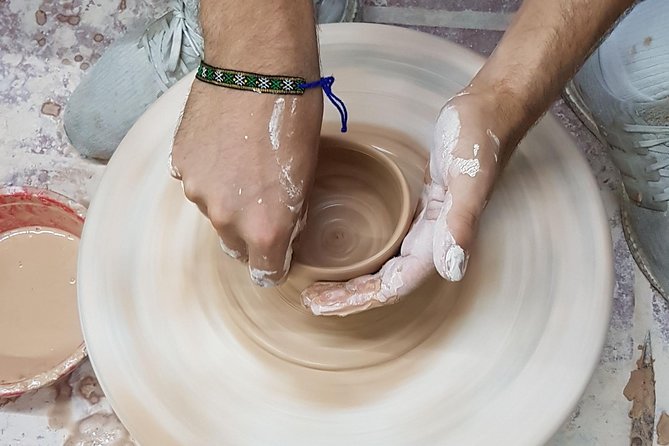
Bat Trang Ceramic Village is famous for ceramics, and the best part of this tour is how it explains the craft as a system, not as a magic trick. You’ll learn the history and culture of the village with a local guide, then watch how products move through different stages of ceramic manufacture. Seeing the process matters because it helps you understand why your piece needs time in the kiln and why details like thickness and drying can affect the final result.
This isn’t the kind of activity where you leave with a decorative plate and a vague sense of what happened. You’ll be working on actual ceramic steps: making a piece by hand, painting it, then putting it into the kiln. That combination is what makes the souvenir feel legitimate and personal.
Also, this is a smart switch if you’ve already done the usual Hanoi circuit. If you want something different from the standard day trips, this one scratches the “do something real” itch.
You can also read our reviews of more tours and experiences in Hanoi.



Getting there from Hanoi: Long Bien meetup and pickup options
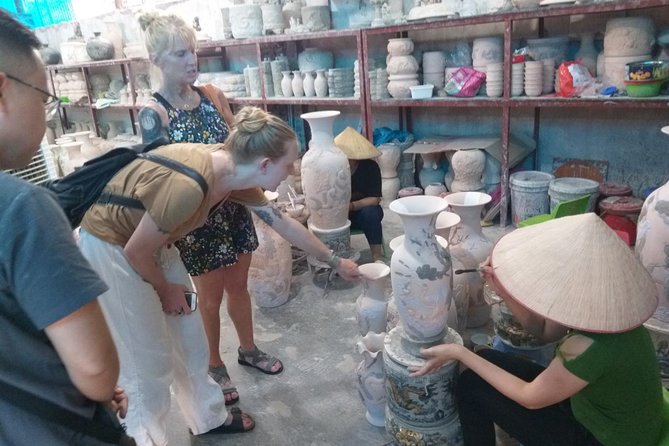
The day starts with transportation that’s simple if you’re already around Long Bien. The meetup point is the Long Bien Interchange bus station on Yen Phu street, and you go to Bat Trang by bus. If you have pickup included for your booking, you can use that option, but the listed meetup point is useful to know either way.
You’ll have a mobile ticket, so you’re not juggling paper. The tour is also marked as near public transportation, which helps if you’re staying in an area where getting to Long Bien is easier than crossing the whole city.
Practical tip: on a pottery day trip, you want light, comfy clothing. Ceramics activities tend to involve dust and handling materials, so I’d avoid your nicest outfit and wear something you don’t mind getting a little dirty.
The village stop: ancient town context and workshop viewing
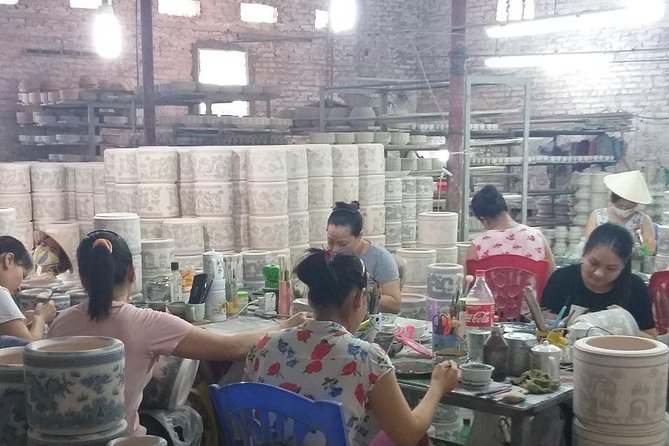
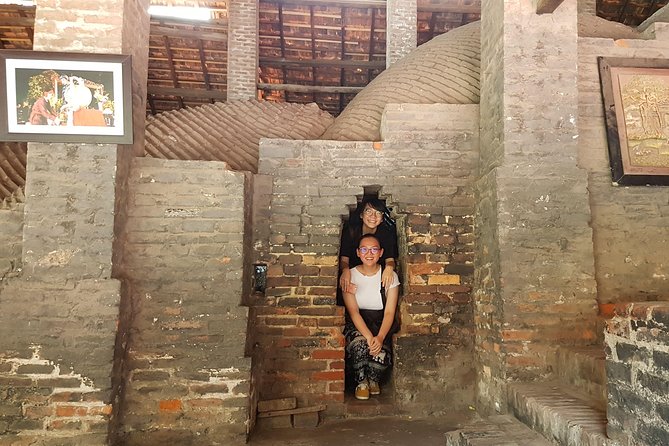
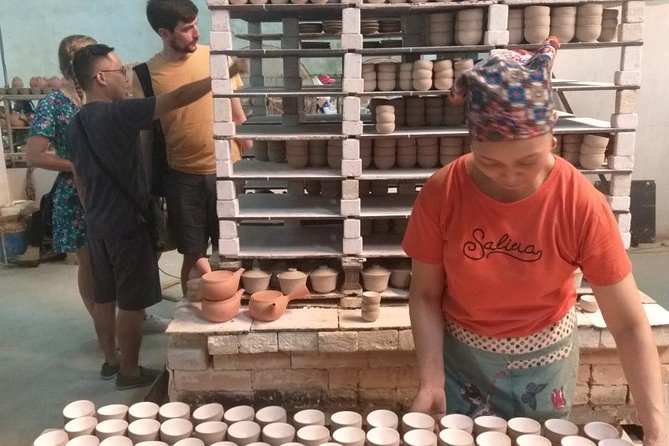
Once you arrive, your guide leads you through the village ancient town to understand its history and culture. This part is useful because it frames why Bat Trang developed this craft reputation in the first place. You’re not just moving from one photo stop to the next. You’ll also watch local workers and products through different stages of ceramic manufacture.
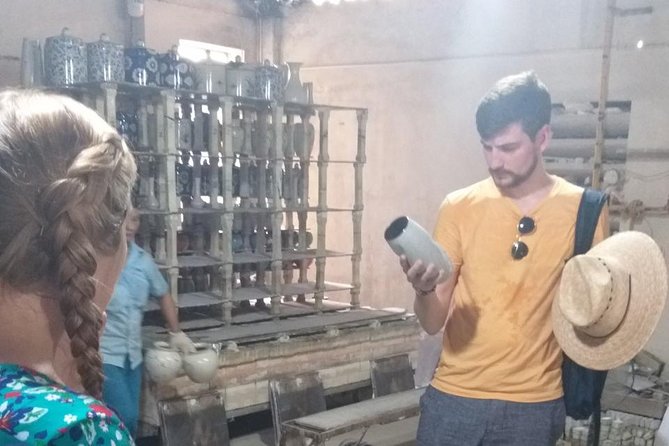
Then the tour shifts into a more hands-on rhythm as you head for the pottery-making experience. The factory-style viewing matters because it sets expectations. You’ll see that ceramics involve careful steps—making, drying, firing, cooling—so your own piece won’t feel mysterious when it’s sent off for finishing.
One subtle benefit: watching the workflow gives you better judgment about what to do during your own class. You’ll likely pick up cues like how people handle items, how they manage timing, and why they pay attention to consistency.
Making your own ceramics: from hand-shaping to painting and the kiln
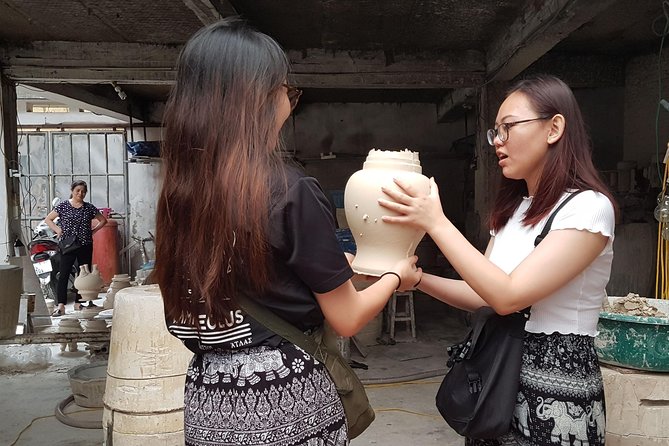
This is the core experience: you make a piece of pottery by hand, paint it, and then put it in the kiln. Even if you’ve never worked with clay before, the structure makes it straightforward—create the base, add decoration, then move on while the kiln does its job.
The painting step is where your souvenir becomes yours. You can treat it like a small creative session rather than a production line. The guide helps you through the process, and the small group size (up to 8) gives you a better chance to get specific help if something feels confusing.
Here’s the key reality check: ceramics require an extra two days to be properly completed. That means the tour might feel like it ends after 5 to 6 hours, but your finished pottery depends on proper firing and cooling. The goal is a piece that’s durable and more useful—able to hold liquid or food once properly finished.
If you’re short on time, you can still request the raw version that dries naturally after you leave Hanoi. It’s an option, but it’s not the same as kiln completion, so manage expectations about the final result.
What’s included: guide time and a no-stress lunch
You get a guide for the village tour and the pottery class, plus complimentary lunch in the village. That matters more than it sounds. A lot of tours in Hanoi are “activity first, food later,” which turns lunch into a last-minute hunt in a busy place. Here, lunch is already built in, so you can focus on the workshop.
The tour also includes the practical stuff that keeps the day smooth: pickup offered (depending on your booking), a defined meetup point, and a mobile ticket. For a 5 to 6 hour outing, those details add up. Less time figuring things out means more time actually learning and creating.



Timing reality: why the finished pottery takes 48 hours

Let’s talk schedule, because this is where people can accidentally get disappointed. The on-site portion is about 5 to 6 hours, and during that time you’ll make, decorate, and send your piece to the kiln. Then the ceramics need at least 48 hours to be properly fired and to cool down well.
That extra time is exactly what helps your pottery look better and last longer—practical goals, not just aesthetics. If you treat your pottery like a functional souvenir you’ll use at home, the kiln timing matters.
If your trip is very tight, ask about the raw version option. It lets you take something away sooner, since the clay can dry naturally after you leave. Still, if you want the best chance at a finished piece that’s sturdy and usable, plan your Hanoi days with this in mind.
Weather matters too. This experience requires good weather, and if it’s canceled for weather reasons, you’ll be offered a different date or a full refund. So if you’re booking late in your trip, keep one day flexible if you can.
Value check: paying $52 for something you made, not bought
At $52 per person, this tour costs more than a basic craft shopping spree—but it’s also doing more than shopping. You’re paying for guided access to Bat Trang’s craft environment, plus instruction while you create and decorate your own pottery.
The biggest value driver is the kiln completion (with the real-world timing of 48 hours). Kiln firing and cooling aren’t things you can easily replicate on your own when you’re traveling. If your final piece is sturdy and designed for everyday use—able to hold liquid and food—that’s a souvenir with staying power.
Small group size (max 8) also improves value. With fewer people in the class, you’re less likely to feel like you’re being rushed through. And because the tour includes lunch, it’s not one more expense you’ll have to solve mid-day.
If your main goal is a quick memory or a fast photo, you might find other cheaper options around Hanoi. But if you want a real workshop outcome, this feels like a fair price.
Who this tour suits best
This is a great fit if you want a hands-on activity that connects you to local craft work. I’d especially recommend it if you’re the type who likes understanding how things are made and you enjoy creating something with your own hands.
It’s also friendly for many visitors. The tour notes that most travelers can participate, and it allows service animals. It’s near public transportation, which makes the start less stressful if you like to move around the city independently.
If you’re traveling with someone who doesn’t want long bus days, this one stays focused. You’re out for half a day, and you come back with a story that’s more than a sightseeing stamp.
Should you book this Bat Trang pottery experience?
Book it if you want a Hanoi day trip that’s practical and personal: guided village context, a real workshop factory-style viewing, and a hands-on ceramics class that ends with kiln finishing. The fact that you can involve an actual guide—such as Son, who gets highlighted for making the experience clear—adds real confidence to the process.
Skip or adjust expectations if your schedule is extremely tight. The ceramics need around 48 hours for proper firing and cooling, and weather can affect the timing. If you can’t spare the time, the raw version option can still work, but it won’t give you the same finished result.
If you can plan even a little for that extra two-day completion window, this tour is one of the more satisfying “I made this” activities in the Hanoi area.
FAQ
How long is the pottery making experience?
The tour lasts about 5 to 6 hours.
Where does the tour take place?
The tour is in Hanoi, with travel to Bat Trang Ceramic Village for the workshop and village visit.
What is included in the price?
It includes a guide, a tour inside a pottery factory and village viewing of ceramic manufacture stages, a pottery making class (make, paint, and put in the kiln), and a complimentary lunch in the village.
Do I get a finished ceramic souvenir right away?
No. Ceramics require an extra two days to be properly completed after firing and cool down. If you are short on time, a raw version is possible that dries naturally in a few days after you leave Hanoi.
Is pickup offered?
Pickup is offered, and there is also a meetup point described at Long Bien Interchange bus station on Yen Phu street.
What is the cancellation policy?
Free cancellation is available. You can cancel up to 24 hours in advance for a full refund. If you cancel less than 24 hours before the start time, the amount paid is not refunded.