REVIEW · HANOI
4-Days – Ha Giang loop- Cao Bang and Ban Gioc waterfall
Book on Viator →Operated by Good Morning Ha Giang By S Viet Nam · Bookable on Viator
That first turn into Ha Giang hits different.
This 4-day loop strings together pass after pass, riverside time, and two big natural hits in Cao Bang, all while you’re looked after by local easy riders and an AI English guide. You’ll also spend evenings in homestays and see everyday life of ethnic communities—quiet moments, not just photo stops.
I really love two things: the way the group is kept small (max 15), and how the guides/riders feel thoughtful and safety-minded. In the reviews, I noticed names like Van and Peter showing up again and again, with people praising both driving skills and the way they explained what you’re seeing.
One consideration: this is not a “sit back the whole time” trip. You’ll do some trekking (about 2km at Lung Khuy Cave, about 1 hour for the Ma Pi Leng sky path segment, plus a basic route inside Nguom Ngao Cave), and the days are long even though the ride is on semi-automatic bikes.
In This Review
- Key highlights worth planning around
- Why this Ha Giang to Cao Bang loop feels like two trips in one
- Price and value check: what you’re really paying for
- The motorbike plan: 110cc semi-automatic plus safety gear
- Day 1: Bắc Sum Pass, Lung Khuy Cave, and a homestay evening in Yên Minh
- Day 2: Dong Van Karst Plateau highlights with Thẩm Mã, Dinh Vua Mèo, and Mã Pí Lèng Sky Path
- Day 3: Nho Quế River boat time, Me Pia-style danger turns, then on to Cao Bằng
- Day 4 in Cao Bằng: Ban Gioc Falls and Nguom Ngao Cave
- Homestays, local food, and meeting the communities you pass through
- Who should book this tour (and who might want a different style)
- Book it or skip it: my practical recommendation
- FAQ
- What does the $305.15 price include?
- Do I drive the motorbike myself?
- How much walking is involved?
- Are meals and entrance tickets included?
- How do I travel to and from Hanoi?
- What’s the group size?
Key highlights worth planning around
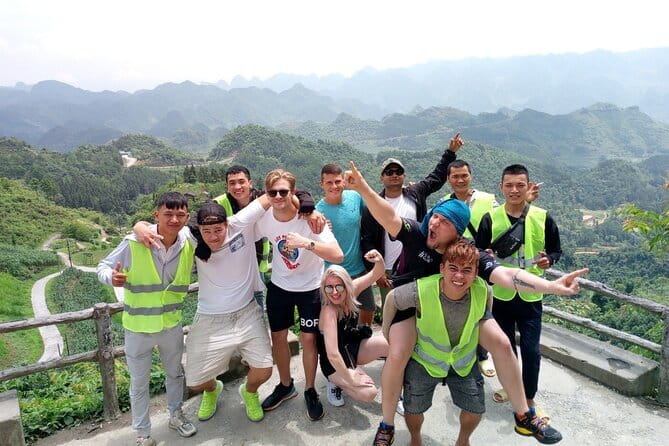
- Local easy riders with years of real road experience for a route known for tight turns and changing weather
- Ma Pi Leng Pass with a Sky Path viewpoint trek that’s short but very worth it
- Nho Que River boat time into Tu San gorge with an included boat ride
- Ban Gioc (Detian) Waterfall plus Nguom Ngao Cave for two very different natural experiences
- Homestay nights and local food to slow down after big riding days
- Group size capped at 15 which usually makes the pacing feel easier
Why this Ha Giang to Cao Bang loop feels like two trips in one
Ha Giang gets most of the fame, but Cao Bang earns its own spotlight. This route quietly stitches them together so you don’t just repeat the same scenery type for four straight days. You get the famous high-pass road rhythm in Ha Giang, then you shift to river canyons and massive falls in Cao Bang.
What I like is the balance between viewpoint time and “on the ground” moments. You’ll ride past major passes like Bắc Sum and Mã Pí Lèng, but you’ll also step into caves, take a boat on the Nho Quế River, and walk part of a cave system in Cao Bằng. That mix keeps the trip from feeling like a drive-through checklist.
Also, small touches matter on a loop like this. The tour includes a mobile ticket, pickup offered, safety gear (helmets plus elbow and knee pads), and even a T-shirt gift. Those items won’t change the views, but they reduce stress when the day starts early and weather can be moody in the mountains.
You can also read our reviews of more tours and experiences in Hanoi.

Price and value check: what you’re really paying for
This tour lists at $305.15 per person and includes a lot of the big-ticket items that typically add up on your own:
- Sleeping bus both ways (Hanoi → Ha Giang region, and Cao Bang → Hanoi)
- 3 nights accommodation in homestays (room basis is included for the nights)
- Meals: 4 breakfasts, 4 lunches, and 3 dinners
- Sightseeing tickets for the listed stops
- Motorbike setup: a 110cc semi-automatic bike, plus fuel/petrol gas
- Safety equipment: helmet, knee pads, elbow pads, backpack cover, raincoat
- Nguom Ngao Cave portion: basic route with trekking 1km
What’s not included is also straightforward: personal expenses, tips/gratuities, travel insurance, flights, and beverages. That’s normal, but I’d still treat it as a planning reminder. If you want a smoother budget, keep small purchases tight on the road days.
For value, the key is that you’re buying organization plus access. Passes like Mã Pí Lèng and the canyon boat time aren’t hard because they’re expensive—they’re hard because you need the right timing, local driving, and smooth logistics. This tour wraps that into one package.
The motorbike plan: 110cc semi-automatic plus safety gear
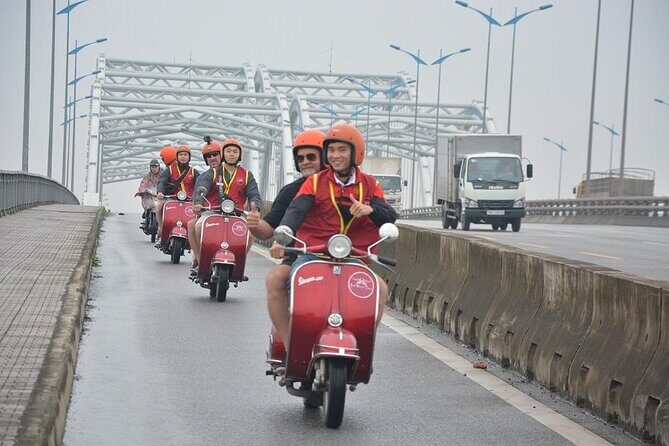
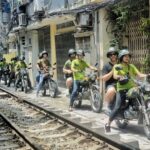
You’ll be traveling by motorbike with local easy riders. The tour specifically mentions 110cc semi-automatic bikes and includes safety gear like helmets and protective pads. It also lists a backpack cover and raincoat, which is practical because mountain weather can change fast.
Even if you’re not the one doing the driving, comfort still matters. The road days are long, and passes involve repeated curves and elevation changes. You’ll want to come with a mindset like: settle in, keep your body relaxed, and trust the rider.
One detail I appreciated from the reviews is that people felt safe even when conditions included fog and rain. That matters on this kind of route, where visibility can drop and the road can get slick. Good riders don’t just move fast—they manage risk.
Day 1: Bắc Sum Pass, Lung Khuy Cave, and a homestay evening in Yên Minh
Day 1 is your big “enter the loop” day. After breakfast and briefing, you start with Đèo Bắc Sum and the Quan Bá Heaven Gate area. This is where the Ha Giang-style road theater begins: sweeping mountain views, winding ridges, and that feeling that you’re riding into a different country.
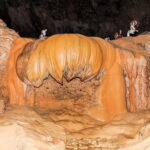
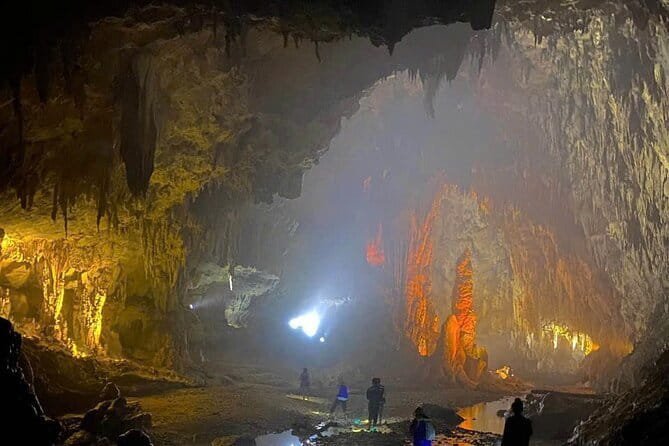
Next comes Lung Khuy Cave after lunch in Tâm Sơn town. You’ll do a 2km trekking segment to reach it and spend about an hour there. The cave is described as being formed from ancient limestone dating back hundreds of millions of years. Even if you’ve toured caves before, I like this stop because it breaks up the riding with a different pace—walking, taking in the underground space, and cooling down from road heat.
Then you pass through Cấn Ty Pass before arriving in Yên Minh for the night. You check into a local homestay and have dinner. The reason this matters: your first day will already feel full, and homestays help you decompress. It’s also a gentler introduction to how locals live before the longer pass days kick in.
Possible drawback for Day 1: if you’re sensitive to long driving stretches, you’ll still want to keep expectations realistic. It’s a full first day, and the best strategy is to sleep well before you start.
Day 2: Dong Van Karst Plateau highlights with Thẩm Mã, Dinh Vua Mèo, and Mã Pí Lèng Sky Path
Day 2 is where the route flexes. You start with Thẩm Mã Pass and then move into the wider Đồng Văn Karst Plateau Geopark area. The stops here are short—like most pass-and-viewpoint segments—but each one is designed to show you how dramatic the region is.
One highlight is Dinh Vua Mèo (the royal palace of the Vương family) set inside a valley at Sà Phìn. This is more than a quick building photo. You’re visiting the home/power center of the family that held wealth and influence in the early 20th century. It adds context for what you’re seeing around you—people weren’t just living in isolated valleys; they were shaping local history and economy too.
Then you hit Mã Pí Lèng Pass, often called the Happiness Road. The big moment is the Sky Path trek—about 1 hour—built for viewpoint access. This is the stop that tends to stick in your memory because it’s a rare mix of work (walking a bit) and reward (some of the strongest canyon-and-ridge views on the whole route).
Finally, you reach Mèo Vạc by late afternoon and check into another local room for dinner.
One practical tip: wear shoes with real grip. Even if trails are not technical, you’re walking on uneven ground while weather can shift. The tour provides safety gear for the motorbike segment, but good footwear helps everywhere.

Day 3: Nho Quế River boat time, Me Pia-style danger turns, then on to Cao Bằng

Day 3 changes the texture. You leave your homestay, eat breakfast, and head to the Nho Quế River. The tour includes a boat ride—about 1.5 hours—to Tú Sán gorge, described as the deepest canyon in Vietnam. A boat day is smart here because it breaks up the repeated pass rhythm with a slower, more scenic pace.
After lunch, the day adds another high-pass moment: Khau Cốc Cha and the Me Pia Pass area. The route description flags Me Pia Pass as one of the most dangerous passes, mentioned for its sharp turns and steep slopes. The point isn’t to scare you—it’s to explain why this kind of day depends on the rider’s skill and composure.
Then you ride to Cao Bằng province and sleep in a homestay. By now, you’ve already had two full days of mountain riding, so this transfer is part travel, part reset.
Day 4 in Cao Bằng: Ban Gioc Falls and Nguom Ngao Cave
Day 4 starts with Ban Gioc Waterfall, also known as Detian Falls. The tour notes it stretches over 300 meters, which is why people come from far away. You’ll spend about 1 hour here, crossing fields and hills on the way from Quảng Uyên.
What makes this stop more than just a waterfall photo is the geography: you’re moving through farmland and ridgelines to reach a broad, multi-part fall. It feels open and wide compared with the tighter gorge spaces earlier in the trip.
After the falls, you switch underground to Nguom Ngao Cave (also spelled in the tour info as Nguờm Ngao). You’ll visit a cave route that’s about 2,144 meters in total length, and the tour includes 1/3 of the cave, with trekking 1km on a basic route. This is the kind of contrast that makes the loop feel complete: daylight spectacle above, then a cool, enclosed natural scene below.
You then return to Cao Bằng city, and the tour ends with free time to explore on your own before the sleeping bus back to Hanoi.
Homestays, local food, and meeting the communities you pass through
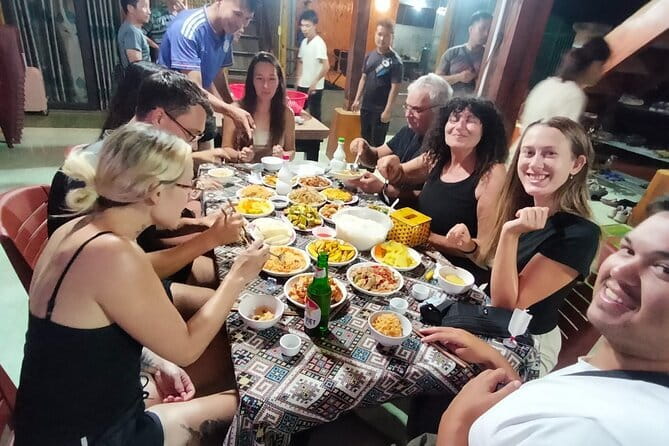
The itinerary is built around local stays, and that’s one of the main reasons this feels different from a “big-name attraction only” tour. You’ll have 3 nights in homestays with dinner included on the first two main nights and again partway through the Cao Bằng side.
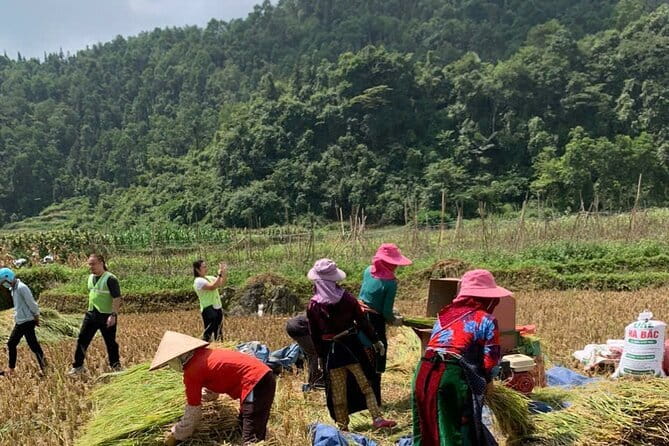
The tour also emphasizes local food and learning about the lives of indigenous people. Even if you’re not doing a deep cultural workshop on every day, the simple rhythm—ride, eat local food, sleep locally—creates more real contact than you’d get from day trips.
If you care about atmosphere, the reviews highlight a peaceful vibe, with people liking that the group isn’t party-focused. You’ll still be with other guests, but the pace and setting are meant to feel like a shared road experience, not a nightlife crawl.
Who should book this tour (and who might want a different style)
This loop is a strong fit if you want:
- Big scenic days paired with a few short walks that add variety
- Safety-minded local driving and structured stops
- A trip that spans two regions instead of repeating the same loop pattern
- Evenings in homestays and chances to eat real local meals
It may feel less ideal if:
- You dislike trekking at all. You’ll walk about 2km to Lung Khuy Cave and 1km in Nguom Ngao Cave, plus a Sky Path segment.
- You’re expecting constant comfort with no long sitting stretches. This is a road loop with long days.
Group size is capped at 15, which usually helps with pacing and reduces chaos at stops. Still, pack patience: the best Ha Giang and Cao Bằng moments come when you accept that the route is part of the experience.
Book it or skip it: my practical recommendation
I’d book this tour if you want a well-paced route that hits the major high-impact places—Bắc Sum, Lung Khuy Cave, Đồng Văn Geopark highlights, Mã Pí Lèng Sky Path, Tú Sán gorge boat time, Ban Gioc Falls, and Nguom Ngao Cave—without you having to stitch all the logistics together.
Skip it if you have very limited mobility or you want zero walking. Also, if you’re the type who can only handle short days, this loop may feel like a lot because it’s packed and the riding days are long.
Based on what’s included (meals, tickets, safety gear, homestays, and both-way sleeping bus), this is a good value choice for people who want the authentic route feel but don’t want to manage the whole thing themselves.
FAQ
What does the $305.15 price include?
It includes sleeping bus tickets both ways (Hanoi to the loop area, and back from Cao Bằng), 3 nights in homestays, meals (4 breakfasts, 4 lunches, 3 dinners), an AI English local guide, sightseeing tickets, a 110cc semi-automatic motorbike with fuel, safety equipment (helmet, knee and elbow pads, backpack cover, raincoat), and the included Nguom Ngao Cave basic route (trekking 1km), plus a T-shirt gift.
Do I drive the motorbike myself?
The tour is set up with local easy riders and you travel by motorbike on a 110cc semi-automatic bike. The provided info focuses on the rider setup and safety equipment rather than teaching you to drive.
How much walking is involved?
You’ll trek to Lung Khuy Cave (about 2km) and spend time at the cave. You’ll also do the Sky Path segment on Mã Pí Lèng (about 1 hour). In Nguom Ngao Cave, the tour includes a basic route with trekking of about 1km.
Are meals and entrance tickets included?
Yes. The tour includes 4 breakfasts, 4 lunches, and 3 dinners, plus sightseeing tickets for the listed stops. Some listed items are free and some are explicitly included, but meals and the main sightseeing access are covered as part of the package.
How do I travel to and from Hanoi?
You start in Hanoi and you’ll be on a sleeping bus 2 ways: Ha Noi to Ha Giang region, and Cao Bang back to Ha Noi.
What’s the group size?
This tour has a maximum of 15 travelers. Confirmation is received at booking time.
If you want, tell me your travel dates and whether you prefer more riding or more walking, and I’ll help you decide if this pacing matches your style.