REVIEW · HANOI
21-Day Vietnam Itinerary Explore North to South Highlights
Book on Viator →Operated by Authentic Adventures · Bookable on Viator
North-to-south Vietnam, tightly organized. This 21-day route strings together the big names from Hanoi to Ho Chi Minh City with hands-on days in Sapa and time on Lan Ha Bay. You also get a small-group feel, with a maximum of 12 people, which helps the long-distance travel days stay manageable.
I love the all-in structure: private-room lodging, air-conditioned transport, entrance fees, and most meals already covered. I also like the small-group size, which makes it easier to move as a team through pagodas, markets, and boats without feeling lost in a crowd.
One drawback to consider: the pace can feel full-on. You’ll have early starts (and multiple days with lots of walking and stairs), including a climb of almost 500 steps at Mua Cave if you choose that viewpoint.
In This Review
- Key things that make this tour work
- Entering Hanoi: pagodas, museums, and Hoan Kiem at a human pace
- Ninh Binh into Sapa: caves, boats, and family trekking in the north
- Lan Ha Bay to Da Nang: sunrise on the water, then a quick flight south
- Hue and Hoi An: UNESCO sites plus real walking time
- Nha Trang: three days of breathing room after big sights
- Ho Chi Minh City, Cu Chi Tunnels, and the Mekong: history meets river life
- Price and logistics: what $2,498 buys you (and what it doesn’t)
- Who should book, and what you should pack for this route
- Should you book this 21-day highlights tour?
- FAQ
- How long is the tour?
- What is the price per person?
- What’s included in the package?
- Are meals included, and can you do vegetarian?
- Does the tour include domestic flights?
- What’s the group size?
- Can I cancel and get a full refund?
Key things that make this tour work

Small group size (max 12) helps you keep your schedule moving without the chaos.
Private-room accommodation keeps the end of each day restful and simple.
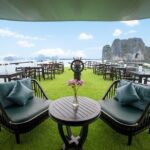
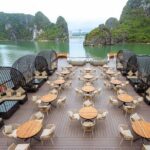
Lan Ha Bay sunrise routine includes Tai Chi on the sundeck and early views.
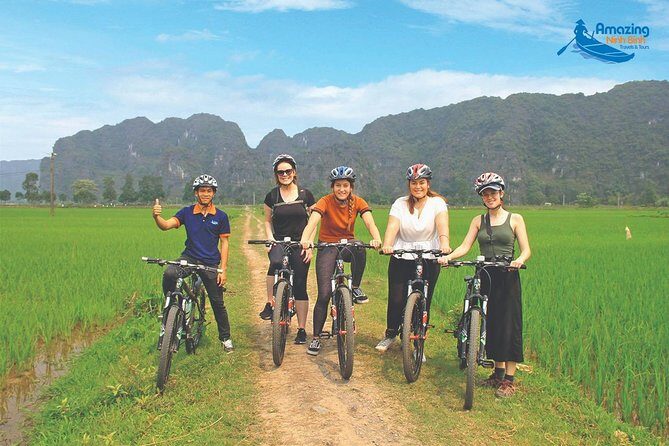
Hands-on northern days mix boat rides at Tam Coc with family-based trekking in Sapa areas.
UNESCO-heavy itinerary hits Trang An, Hue sites, and My Son with guided structure.
A planned mix of sightseeing and downtime (like free time in Da Nang, Hoi An, and Nha Trang) prevents nonstop stress.
Entering Hanoi: pagodas, museums, and Hoan Kiem at a human pace

Your trip starts in Hanoi with pick-up from Noi Bai airport and a transfer to your accommodation. If you arrive with jet lag, don’t worry—your first day is paced with major sights that still let you breathe between stops.
On day 2, you’ll begin with Tran Quoc Pagoda, one of the oldest pagodas in Hanoi, tied to the 6th century. It’s a good opener because it gives you a sense of Vietnam’s long religious and cultural timeline without requiring you to have any background knowledge.
Next comes the Ho Chi Minh Mausoleum complex, plus visits to the garden area and the houses he lived and worked in from 1954 to 1969. From there, you’ll continue to One Pillar Pagoda, where the focus is on worship tied to the Goddess of Mercy. This part of the day is very “Vietnam history in real places,” and it’s also a reminder that this country reads best when you see monuments as living memory, not just photos.
After lunch, you’ll get a strong cultural anchor at the Vietnam Museum of Ethnology. Even if museums aren’t always your thing, this one’s built for curiosity: both indoor and outdoor sections, with enough variety to keep you moving through artifacts and settings rather than just standing in one room.
Then you’ll head to the Temple of Literature & National University—the first university in Vietnam, established in the 11th century. It’s a rare spot where education, tradition, and architecture meet in one walkable area. Later, your day cools down at Hoan Kiem Lake, including a visit to Ngoc Son Temple. The lake area is one of those places where the light changes fast, so even a one-hour stop feels like a proper end to a packed day.
Watch-out for your comfort: day 2 is a lot of different stops in a single run. Wear shoes you can walk in for a few hours and plan to slow down once you’re done—Hanoi rewards a calmer pace after sightseeing.
You can also read our reviews of more tours and experiences in Hanoi.

Ninh Binh into Sapa: caves, boats, and family trekking in the north

Days 3 and 4 shift you from Hanoi’s city feel into northern Vietnam’s countryside.
Day 3 starts with a trip to Hoa Lu Ancient Capital in Ninh Binh. This is an easy-to-love stop because it connects the idea of Vietnam’s older dynasties to actual ruins and terrain. After a short break, you’ll continue with the scenery highlight: Tam Coc – Bich Dong.
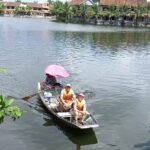
Here’s where the itinerary turns memorable: you take a 1.5-hour bamboo boat through paddy fields and along the river route, with a cave system that makes the views feel layered—fields, sky, and rock all at once. The rhythm matters. Instead of fighting traffic or crowds, you’re carried slowly through the shapes of the valley.
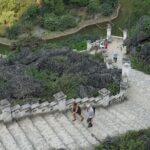
Later, you reach Mua Cave (Dancing Cave) and climb almost 500 steps to a viewpoint over Tam Coc. Even if you’re not a “views-from-the-top” person, the climb gives you a sense of how massive the valley system is. If you’d rather rest, you can adjust your effort—just note that this climb is part of the planned experience.
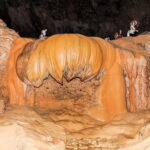
Day 4 brings Bai Dinh Pagoda, then moves on to Trang An Landscape Complex, a UNESCO World Heritage site. What makes Trang An special is its tunnel cave system, and the way boat routes cut through that geology. It’s also been used as a filming location, which helps explain why the scenery feels cinematic. If you like places where nature and culture overlap, this is one of the stronger “why this place matters” days on the whole route.
Then the tour turns mountainside on days 5 to 7: you head to Sapa early by bus. You’ll be picked up in Hanoi Old Quarter, then ride to Lao Cai with rest stops along the way, arriving in time to start exploring Cat Cat village. Cat Cat is known for the Black H’mong community and its valley setting near Fansipan Peak.
Day 6 is where you get the trekking element. You’ll start with Y Linh Ho and follow routes through rice terraces and along Muong Hoa Stream toward the Black H’mong village area. After trekking, you transition to Ta Van Village, where you have lunch made by the family and then check in to a bungalow. This is the part of the tour that feels most “local,” because food is cooked for you and the day’s pace follows community life rather than a clock-only sightseeing model.
Day 7 continues with Giang Ta Chai Village, including a cooking class where you learn how to make items like Pho and Nem Cuốn. Then you trek again (about 3 km for roughly 3.5 hours) before returning via pickup to Sapa town. Food + trekking + village connection makes this a real contrast to the monument-heavy days elsewhere in Vietnam.
A practical consideration: Sapa days can mean uneven paths and long walking time. Bring footwear that’s stable and ready for damp conditions.
Lan Ha Bay to Da Nang: sunrise on the water, then a quick flight south
On day 8, you head toward Ha Long Bay / Lan Ha Bay. You’ll arrive at the train station area in Hanoi, then transfer to a mini hotel for a short rest and breakfast before heading out by bus. This matters because it keeps you from doing a full “all day travel with nothing in between” grind.
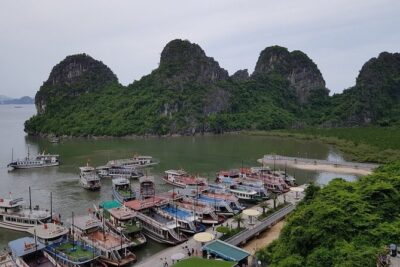
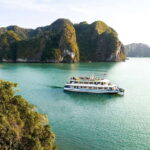
Once you’re on the water, the tour centers on Lan Ha Bay. You’ll boat through areas like Gia Luan, Thoi Quyt island, Ke Ga, and the “Finger” area, which are classic island-and-channel scenery. The day is designed for views and slow movement rather than big excursions.
Day 9 is the payoff: you wake early for a Tai Chi session on the sundeck, then watch the sunrise in Lan Ha Bay. You’ll have breakfast and a tea moment while the water changes under morning light. It’s a simple plan, but it’s the kind of early-morning structure that turns a “bay day” into a memory you’ll actually talk about later.
Then you fly. Day 9 includes a transfer to the airport (from Hanoi) for a domestic flight to Da Nang, where you spend the night. From there, day 10 is mostly free time in Da Nang, including time at My Khe Beach and a walk through Han Market area.
Don’t underestimate this switch: the flight gives your body a break after north-country travel. If you’ve been walking a lot in pagodas and caves, Da Nang’s simpler day helps you recover without feeling like you’re wasting the day.
Hue and Hoi An: UNESCO sites plus real walking time

Day 11 travels from Da Nang to Hue early and focuses on major UNESCO-connected stops.
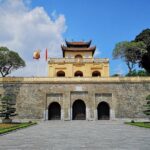
First is the Imperial City (the Citadel), where you’ll explore the grounds as the main historical hub. After that, you move to the Tomb of Khai Dinh, built for the 12th Emperor of the Nguyễn dynasty. The architectural style is a mix of influences, and it’s one of those tomb visits where the details help you understand how Vietnam’s imperial period interacted with changing ideas.
In the afternoon, you’ll go to Thien Mu Pagoda, with its seven-story pagoda on the Perfume River. Thien Mu is a great contrast day: you get river air, a quieter mood than the citadel, and a different kind of learning.
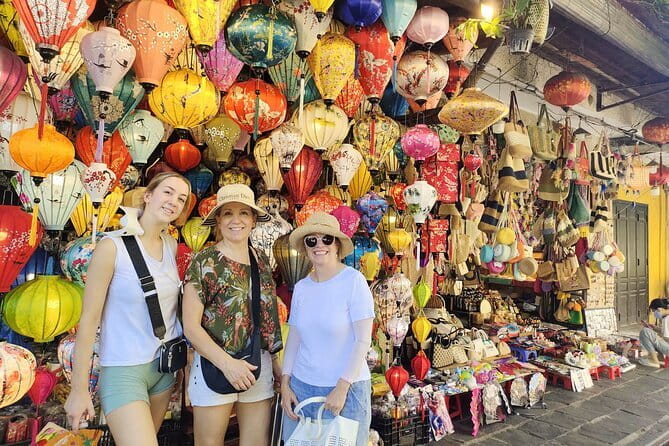
Day 12 brings My Son Sanctuary, a UNESCO World Heritage site. This is where you start connecting temple ruins with how people used the landscape and built religious centers over time. Then the tour moves into Hoi An Ancient Town with a walking tour and a stop at the Colorful Local Market. Even if markets aren’t your main goal, this one helps you read Hoi An as a place where daily life and tourism share the same streets.
Day 13 is an “enjoy it your way” day in Hoi An with eight hours of free time. That’s a smart inclusion, because Hoi An rewards wandering: cafes, small lanes, riverside views, and the slower rhythm that makes the town famous.
Day 14 adds a big “let’s have fun” shift to Sun World Ba Na Hills. You’ll take the cable car ride to Ba Na Hills, then spend time at Fantasy Park (the day indicates Fantasy Park admission as free within the tour flow). It’s a contrast to the ancient sites: more modern entertainment, less history, and a change of pace.
A balanced note: Hue and Hoi An can feel like two different trips in one week. If you like variety, that’s a win. If you prefer only one “mode” of travel, you might feel the rotation is fast.
Nha Trang: three days of breathing room after big sights

Nha Trang starts on day 15. You’ll fly from Da Nang, transfer to your hotel, and then have the rest of the day at leisure.
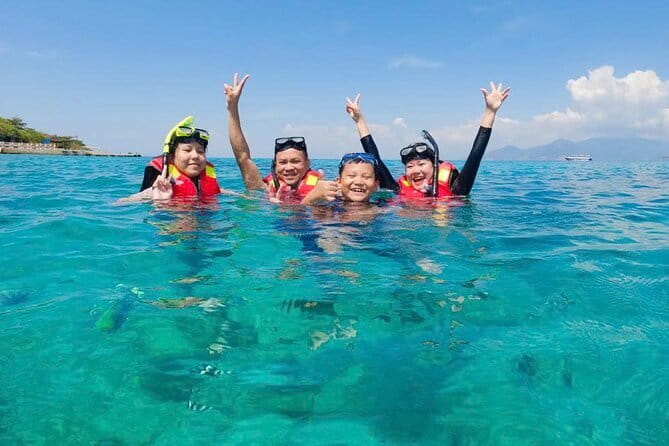
Day 16 is more free time in Nha Trang, with optional ideas you can choose from such as snorkeling or diving, hiking nature trails, or relaxing at a private plunge pool. The tour also mentions spa treatments as a choice, or you can simply relax and reset.
Day 17 continues with another leisure morning, then you transfer to the airport for a flight to Ho Chi Minh City. This is a clever pacing tool. After northern trekking and central UNESCO days, Nha Trang gives you time where you’re not always “on” as a tourist.
Tip for your planning: when the tour gives you free time, treat it like part of the itinerary, not downtime you only use if you have energy. It’s often the difference between remembering the trip fondly and feeling tired halfway through.


Ho Chi Minh City, Cu Chi Tunnels, and the Mekong: history meets river life
Day 18 begins with a guided city tour in Ho Chi Minh City. You’ll see Independence Palace (Reunification Palace), plus the War Remnants Museum as part of the program. The tour continues with Cu Chi Tunnels in the afternoon. You’ll depart around 1.5 hours through countryside before arriving at Cu Chi, where Vietnamese soldiers used the tunnels as shelters during wartime.
Day 19 introduces the Mekong Delta. You start in the morning with an exploration that focuses on waterways and river towns. You visit My Tho, then go on a boat journey along the Mekong River (the plan includes cruising as part of the day). After that, you continue toward Ben Tre, then travel to Can Tho where you check in and unwind.
Day 20 is early: you head to Cai Rang Floating Market around 6:30 am. This is a wholesale fruit and vegetable market and is busiest at that time. The experience includes cruising through small channels, which is where the Mekong becomes less about “land sightseeing” and more about seeing how daily business moves by boat.
Day 21 wraps with a final breakfast in Ho Chi Minh City, then time at leisure before transfer to the airport for departure. It’s a soft landing: you’re not rushing into another major overnight stretch on the final day.
A reality check to keep it enjoyable: museum and tunnel days carry heavy themes. Give yourself space afterward—don’t schedule another emotional-heavy stop immediately after. The itinerary naturally gives you that, especially as it shifts into Mekong river time.
Price and logistics: what $2,498 buys you (and what it doesn’t)
At $2,498 per person for about 21 days, this tour competes well because it covers the biggest cost drivers in Vietnam: long-distance transport and domestic flights. You also get private-room accommodation, air-conditioned vehicle, entrance fees, and a tour guide through the included sights.
Meals are mostly handled too. The package lists breakfast (19), lunch (14), and dinner (3). So you’re not paying out every day for food, but you should still expect you’ll sometimes buy your own meals—especially since dinner isn’t daily.
Entrance fees are included for the included stops, which matters because UNESCO sites and major attractions can add up quickly if you book them separately. And the itinerary includes domestic flight tickets, so you don’t have to coordinate separate transport between northern, central, and southern Vietnam yourself.
What’s not included is straightforward: tips, alcoholic drinks, soft drinks, and personal expenses. You’ll want cash for day-to-day extras and the small “I want this snack right now” moments.
Value angle: if you’ve ever tried to plan a north-to-south trip end-to-end, you know it’s not just time—it’s decision fatigue. This route reduces that by bundling the core travel between regions and the entry tickets into one schedule.
Who should book, and what you should pack for this route

This tour is a great match if you like variety: big-city history, cave-and-boat days in the north, UNESCO in central Vietnam, beach downtime, and then war-era history plus the Mekong.
It also fits families and mixed-age groups better than some “hardcore trekking” tours because it builds in lighter days with free time. The tour includes cooking class and trekking, but it also gives you recovery blocks in Da Nang and Nha Trang, plus the long free time in Hoi An.
For practical planning, keep a few things in mind:
- The day structure can be full, so plan for comfortable walking shoes and stamina.
- You’ll face stairs on at least one key viewpoint day (Mua Cave), so choose footwear you trust.
- Vegetarian meals are possible, so if you eat vegetarian, you’ll want to confirm ahead of time.
- The group max is 12 travelers, so ask questions early and lean into the guide when you want context.
If you hate early starts and prefer slow travel with long unstructured days, this might feel like too much motion. If you like a guided “greatest hits” route with enough free time to personalize your evenings, it’s a strong pick.
Should you book this 21-day highlights tour?
I’d book it if you want a north-to-south Vietnam trip where the big experiences are already stitched together, and you don’t want to spend your vacation managing logistics. The private-room setup, entrance fees included, and the domestic flight segments make it easier to focus on sights instead of planning every connection.
I’d think twice if you’re sensitive to a packed schedule or you dislike walking and climbing. The itinerary includes active days in the north and early mornings for the bay and floating market.
If you want one clean decision rule: book it if you’re craving variety and structure, and you’re comfortable with the idea that some days run on an early-and-active rhythm.
FAQ
How long is the tour?
The tour lasts 21 days (approx.).
What is the price per person?
The price is $2,498.00 per person.
What’s included in the package?
Included items are domestic flight tickets, an air-conditioned vehicle, accommodation in private rooms, all entrance fees for included sightseeing, a tour guide, and meals (breakfast 19 times, lunch 14 times, dinner 3 times).
Are meals included, and can you do vegetarian?
Yes. Breakfast is included 19 times, lunch 14 times, and dinner 3 times. The tour also notes you can provide vegetarian meals.
Does the tour include domestic flights?
Yes. Domestic flight tickets are included, with the route featuring flights between Hanoi to Da Nang and Da Nang to Nha Trang, then Nha Trang to Ho Chi Minh City.
What’s the group size?
The maximum group size is 12 travelers.
Can I cancel and get a full refund?
Free cancellation is available up to 24 hours in advance for a full refund. If you cancel less than 24 hours before the start time, the amount you paid will not be refunded. The experience requires good weather, and if it’s canceled due to poor weather you’ll be offered a different date or a full refund.