REVIEW · HANOI
20 -Day Highlights of Vietnam, Cambodia & Thailand | Best 2026-27
Book on Viator →Operated by Authentic Adventures · Bookable on Viator
Indochina in one organized loop can be surprisingly satisfying. This Vietnam–Cambodia–Thailand route strings together the big-ticket sights of Hanoi, Halong Bay, Hue, Hoi An, Angkor, and then finishes with easy beach time in Phuket. You also get a small group feel (max 12) plus real human support from the planning team, with names like Tran, Hang, and Son showing up in customer feedback.
What I like most is the mix of scheduled highlights and breathing room. I love that you’re not just rushed through temples or monuments—you also get a true free afternoon in Hoi An and several leisure days in Phuket. Second, I like the value structure: many key things are bundled, including domestic flights, entrance fees for included sights, and meals.
One thing to consider: it’s a lot of moving and a lot of seeing in 22 days. If you hate early starts (like Halong sunrise) or prefer longer stays in one place, this may feel like a fast-paced “greatest hits” tour.
In This Review
- Key highlights worth knowing
- Hanoi to Halong: classic Vietnam, kept efficient
- Ninh Binh karst and Tam Coc cycling: the Ha Long on land idea
- Hue and Da Nang area: imperial sites plus Thien Mu Pagoda
- Hai Van Pass to Hoi An: Red Bridge cooking and coconut forest calm
- Ho Chi Minh City and the Mekong: Cai Be, floating markets, and river life
- Cu Chi Tunnels: an important stop with a serious tone
- Phnom Penh: Royal Palace and Tuol Sleng (S-21)
- Siem Reap and Angkor Thom: a focused temple day
- Phuket at the end: beach days after history intensity
- Price, value, and what’s really included in this 22-day loop
- Who this tour fits best (and who should think twice)
- Should you book this Vietnam, Cambodia and Thailand highlights tour?
- FAQ
- How long is the tour?
- What’s the group size limit?
- Are domestic flights included?
- What meals and entrance fees are included?
- What’s not included in the price?
- Can I cancel for a full refund?
Key highlights worth knowing

- Small-group max of 12: easier communication and smoother transitions.
- Hanoi to Halong with a sunrise plan: includes Tai Chi on the sundeck.
- Ninh Binh karst day: boat ride through limestone scenery plus cycling time.
- Hoi An hands-on cooking: market ingredient shopping at Red Bridge Cooking School.
- Siem Reap temples with classic scope: Angkor Thom and Bayon Temple highlights.
- Phuket downtime at the end: multiple leisure days after history-heavy days.
Hanoi to Halong: classic Vietnam, kept efficient
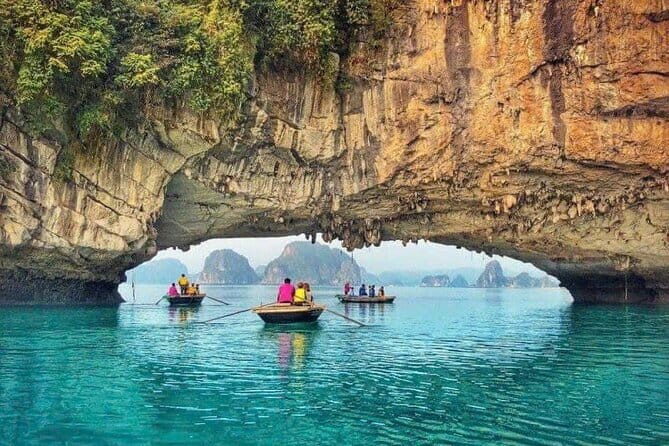
Your trip starts in Hanoi with the kind of low-stress arrival you hope for on a first day: a driver meets you at the airport holding your name signboard, then takes you straight to your hotel in the middle of the action. It’s a small detail, but it matters. You get your bearings fast, instead of spending your first hours hunting down a taxi or figuring out where to go.
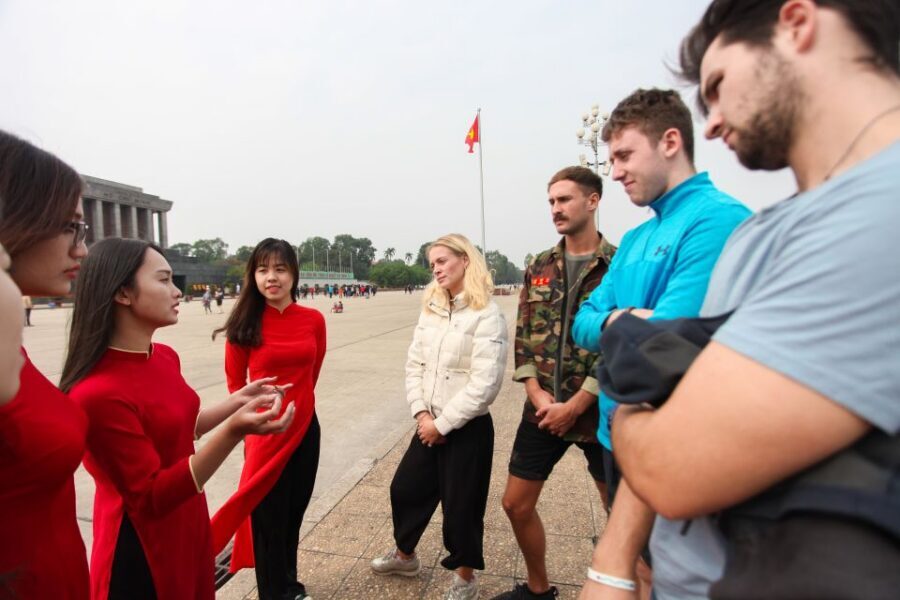
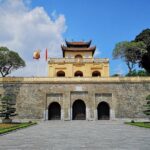
Day 2 focuses on Hanoi’s most meaningful landmarks, and it does it in a sensible order. You’ll begin at Tran Quoc Pagoda, described as the oldest pagoda in Ha Noi, built in the 6th century. Then you move into the Ho Chi Minh Mausoleum complex, including a walk around the garden and a look at the houses where Ho Chi Minh lived and worked from 1954 to 1969, plus a visit to One Pillar Pagoda. After that, the Vietnam Museum of Ethnology adds a strong cultural reset—indoors and outdoors—before you finish at the Temple of Literature and National University, founded in the 11th century.
What I like here is balance. You get politics and national story through the Ho Chi Minh complex, religious heritage through the pagodas, and everyday culture through ethnology—without turning the day into a sprint of random stops.
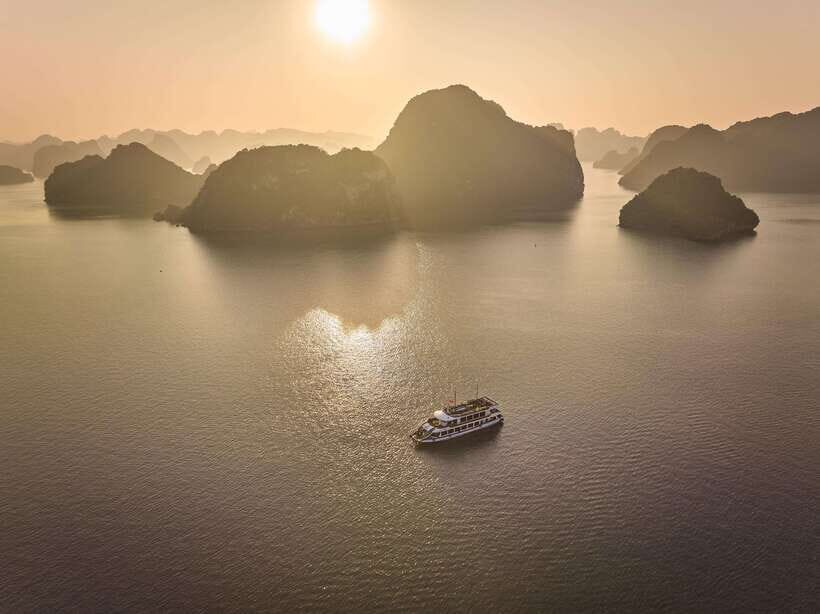
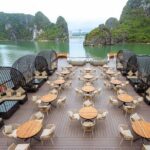
The Halong Bay shift on Day 3 is where the pace really changes. You check out of Hanoi and transfer to Halong, crossing the Red River Delta with rice paddies along the way. Day 4 is built around the “morning is worth it” logic: early wake-up for sunrise views, followed by breakfast and a Tai Chi class on the sun deck. It’s a gentle start to a visually dramatic place.
You’ll also visit a limestone cave during the cruise day. Caves and karst are one of Vietnam’s repeat themes for a reason: the scenery feels otherworldly, but you’re still inside a real landscape that locals live around. The tour’s structure keeps you from having to research timings yourself—your day already has the important pieces lined up.
A practical consideration: Halong mornings can be chilly or damp, depending on the season. If you run cold easily, pack layers and keep them handy for the sunrise portion.
You can also read our reviews of more tours and experiences in Hanoi.

Ninh Binh karst and Tam Coc cycling: the Ha Long on land idea
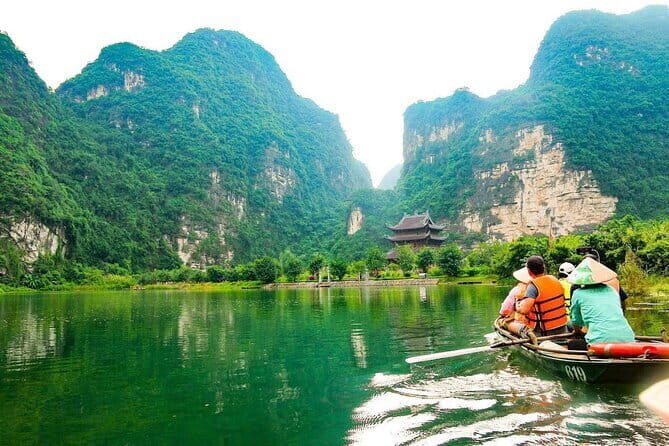
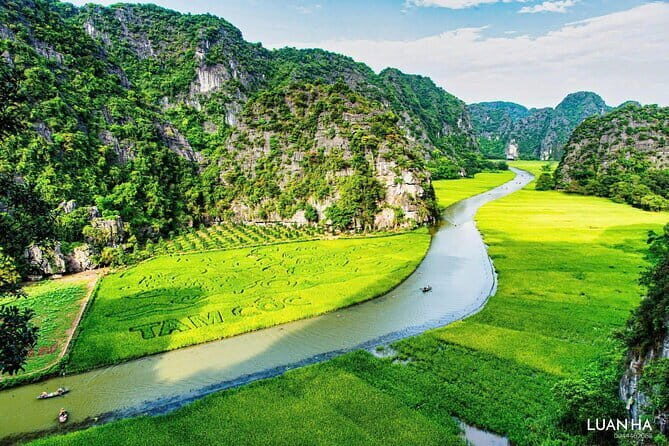
After Halong, you head to Ninh Binh—often described as Ha Long Bay on land—and the tour aims for both scenery and movement. On Day 5 you visit the Hoa Lu temples of the Dinh and Le Dynasties, then spend the afternoon on the water and on two wheels.
The Tam Coc – Bich Dong segment is the highlight combination: a boat trip through karst formations, then cycling through quiet roads. You’re not just viewing from a distance; you’re experiencing the limestone shapes from water level and from a slower, human pace by bicycle.
This is one of those days where the tour design shows its value. If you try to do Tam Coc and cycling on your own, you end up coordinating multiple parts and timing them around transport. Here, it’s grouped into one smooth block so you can enjoy the scenery instead of managing logistics.
Potential drawback: cycling is part of the plan, and the terrain can feel uneven. If you have mobility limits, you’ll want to confirm how flexible the cycling portion is with the operator before you go.
Hue and Da Nang area: imperial sites plus Thien Mu Pagoda
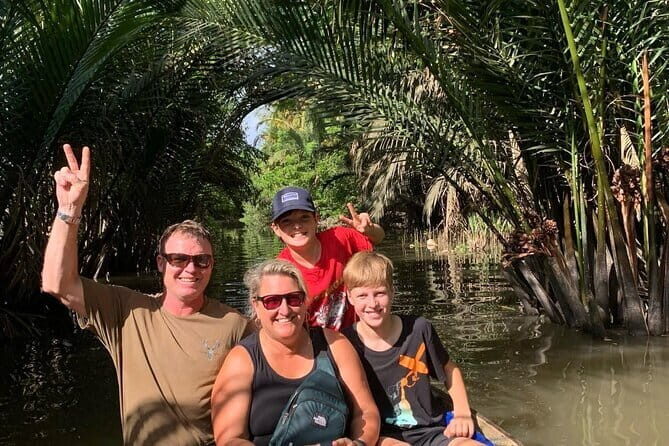
Hue is where the tour adds a more thoughtful, historic rhythm. Day 6 is travel day from Hanoi to Hue—your driver handles the airport transfer and you arrive with the next hotel connection already set up. That’s helpful because Hue is not a “drop in and figure it out” kind of city if you only have a day.
On Day 7, the route centers on the UNESCO-listed centerpiece: the Hue Imperial City (The Citadel). Then you continue to the Tomb of Khai Dinh, also called Ứng Mausoleum, built for the 12th emperor of the Nguyễn dynasty. The tour also includes Thien Mu Pagoda, the seven-story pagoda perched by the Perfume River.
You finish the day by returning toward Da Nang, so you’re not stuck late in a way that steals tomorrow’s energy.
Why this works: Hue’s sights aren’t scattered randomly. They’re connected by theme—imperial power, state rituals, and religious symbolism—so the day feels cohesive instead of checklist-y.
One consideration: this is a full sightseeing day with multiple sites. Wear shoes you trust and bring water. The tour includes entrance tickets for these stops, but it can’t control weather or how long you’ll want at each gate and courtyard.
Hai Van Pass to Hoi An: Red Bridge cooking and coconut forest calm

Then comes one of the most scenic transitions in the whole trip: Hue to Hoi An via the Hai Van Pass. Day 8 is a private-car transfer, and the tour calls out the road as one of the most beautiful in the world. Even if you’ve seen “views of a lifetime” claims before, the concept is right: Hai Van Pass is the kind of route where the travel day is part of the vacation, not just a move to the next hotel.
Day 9 adds an experience that’s more personal than another temple stop: a Hoi An cooking class at Red Bridge Cooking School. You shop for ingredients at the market with the chef, then do cooking steps yourself (with a demo before the hands-on part). It’s the kind of activity that teaches you how local flavors actually work, not just what to order.
You also visit Bay Mau Coconut Forest, a popular eco-tourism area around Hoi An. This is where the day slows down a bit. After imperial tombs and museum halls, the coconut forest feels like a change of pace in both sound and scenery.
On Day 10 you get actual free time to explore Hoi An at your own pace. The tour mentions Japanese merchant houses and pagodas, plus temples and antique warehouses—plus the option to relax. That freedom matters because Hoi An is the sort of place you might want to revisit twice: once for photos and once just to wander.
Ho Chi Minh City and the Mekong: Cai Be, floating markets, and river life
Day 11 is a quick hop by flight from Hue/Da Nang region to Ho Chi Minh City (the tour includes the domestic flight and airport support). Once you arrive, Day 12 shifts the focus away from the big-city pace.
You head to Cai Be and take a boat ride on the Tien River, with time around remaining elements of the old floating market scene. The tour also includes stops that touch on village life and a family business making items like coconut fudge and crispy snacks (the description specifically mentions coconut fudges and similar treats).
Day 13 stays with river themes, taking you into the Mekong Delta and including time on tributaries like the Bassac River. You also visit Cai Rang Floating Market, described as the most vibrant floating market in the area. Even when you’ve heard of floating markets before, it helps to see the scale and the daily routine—this isn’t a staged attraction when you’re there early enough to watch how people actually buy and sell.
A practical note: boat days can mean sun exposure and humidity. You’ll want a hat, sunscreen, and a dry layer if you get sweaty fast.

Cu Chi Tunnels: an important stop with a serious tone
Day 14 brings you to the Cu Chi Tunnels, about 1.5 hours from Ho Chi Minh City, with an English-speaking guide. The tour calls it a shortened visit, but it still keeps the core historical focus: this tunnel system played a key role during the war era, and the guides help you understand what life in and around the tunnels meant.
This day is emotionally heavy compared to cooking class or coconut forests. It’s also one of the most meaningful stops in the Vietnam portion because it adds perspective you won’t get from scenery alone.
If you prefer your history light, you might feel this one more than you expect. If you’re okay with that, you’ll probably leave with a deeper, more grounded understanding of modern Vietnam.
Phnom Penh: Royal Palace and Tuol Sleng (S-21)

Crossing from Vietnam into Cambodia happens by bus. Day 15 starts with that transfer from Ho Chi Minh City to Phnom Penh, then checks in and visits the Royal Palace area.
Day 16 is the heavier counterpart: Tuol Sleng Museum, also known as S-21 prison, described as a former school used as a prison by Pol Pot’s security forces, with more than 17,000 people held there. Even without adding new facts beyond the tour description, the point is clear: this is not a “see and move on” museum. Plan time to absorb it.
I appreciate that the tour doesn’t hide behind softer phrasing. It names the subject directly and schedules it on its own day, so it doesn’t get diluted by a shopping break or a second sightseeing cluster.
Siem Reap and Angkor Thom: a focused temple day
Day 17 moves you to Siem Reap by bus. The tour then includes an afternoon visit to either Wat Thmey or the Killing Fields, noting a glass-walled stupa with a specific description tied to the site. That gives you two different emotional angles of Cambodia’s past and remembrance.
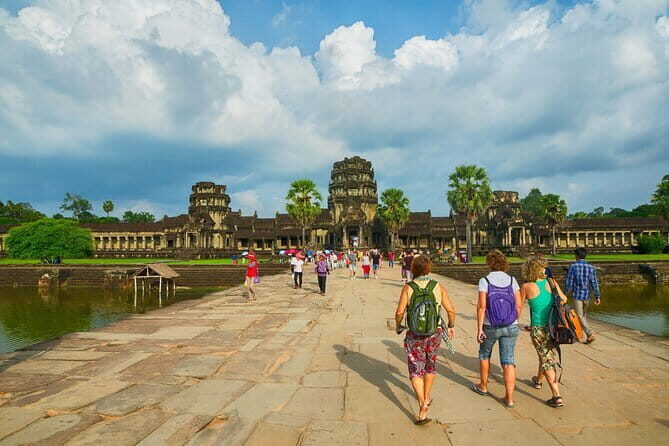
Day 18 is classic Angkor scope with Angkor Thom. You’ll see the South Gate, Bayon Temple, and other parts of the royal enclosures described as built from the late 12th to early 13th century under King Jayavarman VII, including the reference to 54 towers. This is one of the most recognizable temple areas in the entire complex, and the tour keeps the attention on the core parts rather than scattering stops.
The big thing to know: Angkor is big. Even when the tour is “only” one temple day, you’ll still do a lot of walking. Bring water, choose breathable clothes, and consider sun protection even if the day looks mild in the morning.
Phuket at the end: beach days after history intensity
After Siem Reap, the tour flies you to Phuket on Day 19. Then you get three more days of leisure time—Day 20, Day 21, and Day 22—plus a final morning where the tour mentions local markets and souvenir shopping before departure.
The Phuket portion is not about cramming in dozens of additional stops. It’s a smart counterbalance to Vietnam and Cambodia’s intensity. You can sleep in, recover your feet, and reset your brain after temples and museums.
If you like structure, the tour doesn’t over-plan Phuket. If you like freedom, this is the part of the itinerary that feels the most flexible.
Price, value, and what’s really included in this 22-day loop
At $2,680 per person (for this 2026–27 “best highlights” style route), you should judge value by what the bundle covers—not just by the headline cost.
Here’s what’s explicitly included in the tour package:
- Accommodation in a private room
- Air-conditioned vehicle for transfers and site days
- Tour guide
- Domestic flight tickets
- All entrance fees for the included sightseeing destinations
- Meals: breakfast (21), lunch (9), plus dinner
That’s a lot of cost categories handled for you. Private rooms and entrance fees add up fast across multiple countries, and domestic flights are one of the big expenses that would be annoying to stitch together yourself. The tour also notes pickup offered, group discounts, and mobile ticket—all small tools that reduce friction.
What’s not included is also clear:
- Tips
- Alcoholic drinks, plus soft drinks
- Personal expenses
My advice: if you want predictable budgeting and less time planning, this kind of all-inclusive structure is usually worth it. If you like customizing every meal and hotel and you’re comfortable booking your own flights and admissions, you might find cheaper options by building it yourself.
Who this tour fits best (and who should think twice)
This is a good fit if you want:
- A strong “top sights” overview across Vietnam, Cambodia, and Thailand
- A tour team that stays involved and gives support—customer feedback highlights help and availability from people such as Tran, Hang, and Son
- A mix of guided days and less structured time, including free exploration in Hoi An and leisure in Phuket
- A group size that feels manageable (max 12)
It may be less ideal if you:
- Want slower pacing or long stays in one city
- Hate early wake-ups (Halong sunrise is part of the plan)
- Don’t do well with a heavier history sequence back-to-back (especially around Tuol Sleng)
Should you book this Vietnam, Cambodia and Thailand highlights tour?
If your goal is to see a smart, iconic circuit without doing the heavy planning yourself, I’d lean yes. The biggest reasons are the bundled value (flights, entrance fees, private-room stays, meals) and the fact that the planning team seems to be genuinely responsive—names like Tran, Hang, and Son come up in customer support stories.
But if you want a trip that feels calm and deeply paced, you might prefer fewer countries or a longer stay in one or two places. This is an efficient route, not a slow one.
FAQ
How long is the tour?
It runs for about 22 days.
What’s the group size limit?
The tour has a maximum of 12 travelers.
Are domestic flights included?
Yes. The package includes domestic flight tickets between parts of the route.
What meals and entrance fees are included?
The tour includes breakfast (21), lunch (9), dinner, and all entrance fees for the included sightseeing stops.
What’s not included in the price?
Not included are tips, alcoholic drinks, soft drinks, and personal expenses.
Can I cancel for a full refund?
You can cancel up to 24 hours in advance for a full refund.