REVIEW · HANOI
2-Night Sapa Tour with Fansipan Peak by Bus from Hanoi
Book on Viator →Operated by Crossing Vietnam Tour · Bookable on Viator
Sapa and Fansipan in three days sounds intense, but it works. You get round-trip sleeping buses, a pre-booked 3-star hotel in Sapa, and an organized way to do both the mountain peak and the village walk. The route centers on Muong Hoa Valley views and H’Mong villages, so your days feel like more than just bus stops.
I especially like the small group size (max 15) and the built-in time to breathe in Sapa town day and night. That mix matters: you’re not racing from one ticket line to another all day.
One possible drawback: parts of this can feel more like a coordinated package than a guide-watching-every-minute tour. There is an English-speaking guide, but you may encounter different local staff for specific legs, rather than one person guiding continuously end-to-end.
Key Points Before You Go
- Overnight sleeping bus keeps daylight for Sapa, not just transit
- Max 15 people helps the trek feel calmer and more personal
- Included hotel in Sapa town means less planning and fewer extra transfers
- 9km trek through H’Mong villages including Lao Chai and Y Linh Ho
- Fansipan cable car to 2,800m plus about 3 hours at the peak
In This Review
- Sleeping Bus Logistics: Getting to Sapa Without Burning a Day
- Sapa Town Free Time and Your 3-Star Base
- 9km Trek in the Muong Hoa Valley: Ta Van, Lao Chai, Y Linh Ho
- Fansipan Peak Cable Car to 2,800m: What the Peak Day Feels Like
- Small-Group Limits and When You’ll Have a Guide
- Price, Value, and Who This Tour Fits
- Final Call: Should You Book This Sapa and Fansipan Tour?
- FAQ
- What time do you pick up in Hanoi?
- How long is the tour?
- What meals are included?
- Is the Fansipan cable car included?
- How big is the group?
- Can I cancel if weather is bad?
Sleeping Bus Logistics: Getting to Sapa Without Burning a Day
You start late, with pickup in the Hanoi Old Quarter area around 9:30pm–10:00pm and boarding a cabin sleeping bus. You’re not staring at a bus window all night for nothing—this is the whole point of the format. By the time you arrive, you’ve already “spent” the long travel hours, and you can use daytime for Sapa.
The bus part is also why this tour feels value-focused. Instead of paying for extra transport or losing a whole day to getting up there, you’re rolling directly into the mountain schedule. The tour includes the sleeping bus both ways, so you won’t be hunting for a return ticket later.
One small practical note: the tour states it’s only pickup and drop-off at your hotel in the Old Quarter area. If you’re staying outside that zone, you might have a problem getting to the meeting point.
Sapa Town Free Time and Your 3-Star Base
When you roll into Sapa, you arrive early—around 5:30am—and then you get time for breakfast and a rest at the hotel. This matters more than it sounds. Sapa mornings can be cold and the day’s activity includes a real trek later, so you’ll want your energy back.
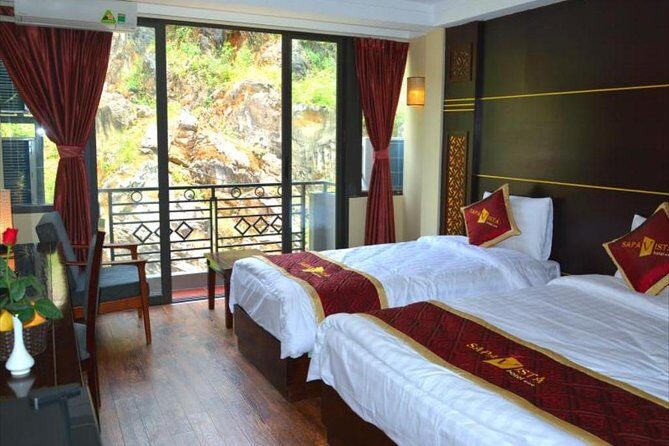
Your accommodation is handled in advance: you get an overnight at a 3-star hotel in Sapa town. Being based in town is a smart choice because it keeps you close to restaurants, viewpoints, and whatever easy wandering you want to do between activities. The tour also builds in free time to explore Sapa during both the day and the night, which gives you flexibility—browse local streets, find a café, or just take photos without feeling like you’re always “on schedule.”
The included meals are also part of why this feels smoother. You have breakfasts (2) and lunch (2) plus a dinner included, so you’re not constantly doing stop-and-start meal planning while on the mountain clock.
A good expectation-setting thought: even with free time, you still have big fixed elements—trek timing and Fansipan cable car. So use your Sapa town time for slower choices, not for long day excursions.
You can also read our reviews of more evening experiences in Hanoi

9km Trek in the Muong Hoa Valley: Ta Van, Lao Chai, Y Linh Ho
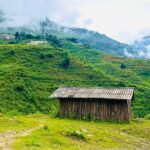
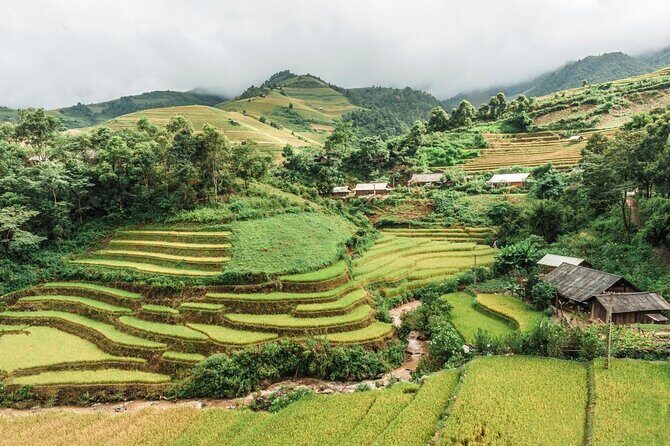
The heart of this trip is the 9km trek through the Muong Hoa Valley area. On paper, 9km sounds straightforward. In Sapa, the mix of steps, slopes, and altitude can make it feel like more—so plan to move at a steady pace and bring a good attitude toward slow scenery.
The trekking segment starts in the morning after you’ve had breakfast and rested at the hotel. The route visits the H’Mong minority villages of Y Linh Ho and Lao Chai. This is where your guide helps connect what you see with how people live—your walk is not just photos, it’s structured to include learning moments with local communities.
You’ll likely appreciate the group format here. With a maximum of 15 travelers, the trek can feel less chaotic than larger bus-tour crowds. Fewer people also means you can hear instructions better and keep track of your footing without playing tag.
Potential consideration: trekking is often where tours can vary the most in comfort. You don’t have a lot of detail here about pace, elevation gain, or rest stops—so treat this as an active day and wear footwear made for uneven paths.
Also, the trek is included with the guide and is tied to the tour’s rural-life theme. If you prefer a fully “hands-on” guide who explains every stop the whole way, keep reading, because the next section is important.
Fansipan Peak Cable Car to 2,800m: What the Peak Day Feels Like

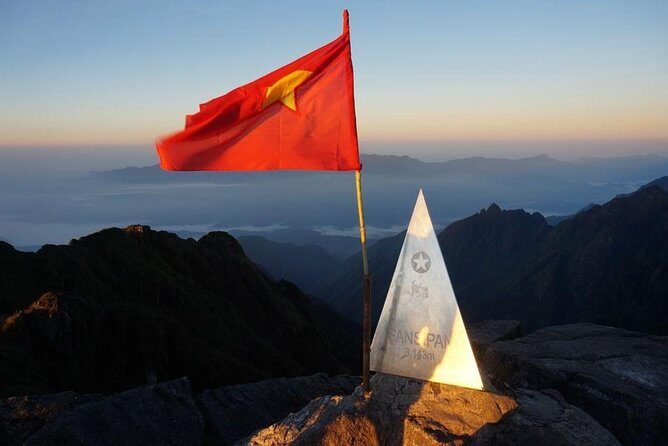
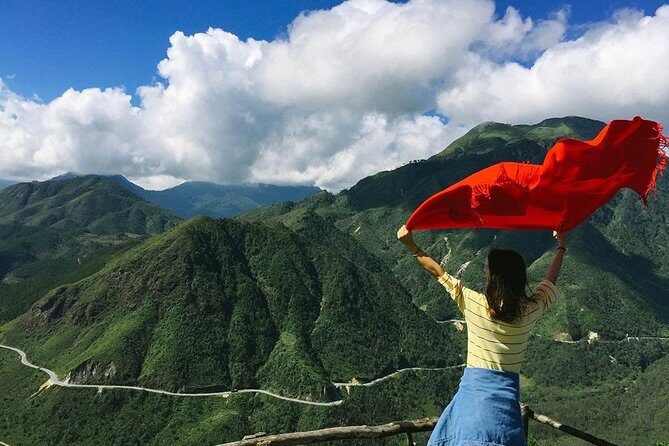
Day 3 pivots from village walking to a big mountain highlight: Fansipan Peak. After breakfast, the driver and tour guide take you to the cable car station, and the ride is short—about 20 minutes—while you watch the scenery change around you.
You reach an altitude of around 2,800 meters, and then you spend about 3 hours up at the top area. That chunk of time is key. Cable cars can be over in a flash, but you’re not forced to rush through. You get enough time to take photos, soak in the views, and adapt to weather.
Weather is worth respecting here. The tour explicitly says it requires good weather. If conditions are poor, they’ll offer a different date or a full refund. That’s a helpful promise, but it also means you should be mentally ready for plan shifts—especially around fog and low visibility.
Practically, this is the day when layers matter. Even if Sapa feels mild at ground level, the peak can feel cooler and windier. Bring something warm enough for being still.
Small-Group Limits and When You’ll Have a Guide
This tour includes an English-speaking guide, and the trek is built around that guided rural-life experience. At the same time, you should know this package can feel like a coordinated schedule where some parts rely on different staff.
One review theme (the one you should not ignore) is that it can be more “arranged booking” than continuous, one-guide-led storytelling for every minute. In plain terms: you’ll get guidance where it counts—like the trekking segment and the big-ticket transitions—but you may not have the same person guiding you during every single cable car or transfer moment.
Why that’s still a workable setup for many people:
- You get real structure: tickets and entry fees are included where mentioned.
- You get less stress: lodging and major transportation are handled.
- You get small-group dynamics for the most active day.
How to decide if this matches your style:
- If you want flexibility and don’t mind shifting between guide and staff, you’ll probably like the flow.
- If you need a guide talking constantly from start to finish, you may find the format a bit hands-off.
Either way, the maximum of 15 travelers is a plus. It’s not a giant crowd where you’re always waiting for someone at the back.
Price, Value, and Who This Tour Fits
At $192 per person, this tour isn’t the cheapest way to get to Sapa. It’s also not trying to be. It’s priced for convenience and for bundling the “hard parts”: overnight sleeping bus, 3-star hotel in Sapa, meals, an English-speaking guide, the 9km trek, and Fansipan cable car with included time on the mountain.
When you add it up, the value logic is simple. You’re paying for logistics that can otherwise become annoying: arranging buses late at night, booking a Sapa hotel, figuring out what’s included for trekking, and buying peak tickets. Here, those pieces are packaged. And because the tour reports an average booking window of about 70 days in advance, it suggests this is the kind of plan people lock in early rather than leaving to chance.
This tour tends to be a good fit if you:
- Want a structured 3-day itinerary without doing independent planning
- Prefer small-group travel over large coaches
- Are comfortable with an active day walking around 9km
- Want one “big wow” peak experience plus a village trek
It may not be ideal if you’re:
- Very tall (the tour notes it’s not recommended for travelers over 190cm)
- Hoping for a nonstop, single-guide narrative the entire time
- Going in with a strict intolerance for weather-related changes (good conditions are required)



Final Call: Should You Book This Sapa and Fansipan Tour?
I’d book it if you want less planning stress and you’re happy with a mostly guided structure where the trek and peak day are the main events. The combination of sleeping bus convenience, a real hotel base in town, and a bundled Fansipan cable car day is the core reason this works at $192.
I’d hesitate if your ideal Sapa trip is about constant interpretation, one guide speaking the whole time, and zero “package staff” handoffs. If that’s you, you may want a more fully guide-led option.
If you’re flexible and want the classic best-of-Sapa rhythm—villages in the valley, then Fansipan views at altitude—this is a strong, practical way to do it.
FAQ
What time do you pick up in Hanoi?
Pickup is around 9:30pm–10:00pm from your hotel in the Hanoi Old Quarter area, using a cabin sleeping bus.
How long is the tour?
The experience runs for about 3 days (with overnight travel).
What meals are included?
You get dinner, 2 lunches, and 2 breakfasts, plus overnight in a 3-star hotel in Sapa town.
Is the Fansipan cable car included?
Yes. The itinerary includes going to the cable car station, a 20-minute ride, and entry is listed as included for the peak portion.
How big is the group?
The tour has a maximum group size of 15 travelers.
Can I cancel if weather is bad?
You can cancel for a full refund up to 24 hours in advance. The tour also notes it requires good weather, and if it’s canceled due to poor weather, you’ll be offered a different date or a full refund.


More Evening Experiences in Hanoi


More Tours in Hanoi
- Ninh Binh Full-Day Tour from Hanoi to Hoa Lu, Tam Coc & Mua Cave Via Boat & Bike
★ 5.0 · 4,384 reviews