REVIEW · HANOI
2-Day Trekking in Sa Pa from Ha Noi by sleeping bus
Book on Viator →Operated by SAIGONESE TREKKING HOUSE · Bookable on Viator
Sapa feels real when you leave the main road. This 2-day trek takes you beyond town with a small group, guided by local experts and focused on day-after-day village life—not just quick photos. I especially like the Muong Hoa Valley walking route and the chance to sleep in a Ta Van family homestay.
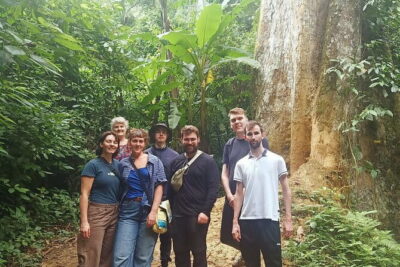
Two things I really value here are the small group size (max 10) and how the guides (names like Sisi and Dzi come up for a reason) keep the pace practical and the explanations clear. You’ll walk enough to earn the views, but you’re not left to figure it out alone.
The one thing to consider is that this is active trekking. The route can feel tough at times, and you should have a moderate fitness level and be ready for long stretches on uneven paths and steps.
In This Review
- Quick hits before you go
- A Sapa trek that actually feels like Sapa
- Sleeping bus logistics: the route starts with rest, not rushing
- Day 1: from Sapa town into Muong Hoa Valley villages
- Sapa town trail time: your first taste of the valley
- Y Linh Ho: peaceful village scenery with easy breathing room
- Lao Chai: a classic valley village stop
- Ta Van Village homestay: the part most people remember
- Why this homestay night is better than another hotel bed
- What to keep in mind at night
- Day 2: bamboo forest, Red Dao customs, and Su Pan views
- Bamboo Forest: shade, rhythm, and a nicer kind of effort
- Giang Ta Chai: Red Dao life and herbal medicine knowledge
- Su Pan: panoramic valley payoff
- Getting back to Sapa: transfer helps, then the late bus
- Price and value: what $89 buys you in the real world
- The guides and group vibe: small group, more patience
- How hard is it, really? (Let’s talk expectations)
- Practical tips that make the trek smoother
- Should you book this Sa Pa trek?
- FAQ
- How long is the trek, and when does it start?
- What’s included in the price?
- Is the group size small?
- What kind of fitness level do I need?
- Where do I meet the tour, and where does it end?
- What happens if weather is bad?
Quick hits before you go
- Sleeping bus from Hanoi to maximize your time in Sapa
- Small group (max 10) for a more personal pace and fewer bottlenecks
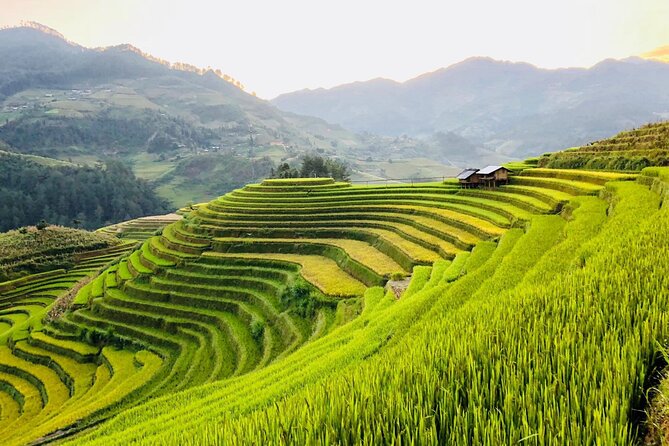
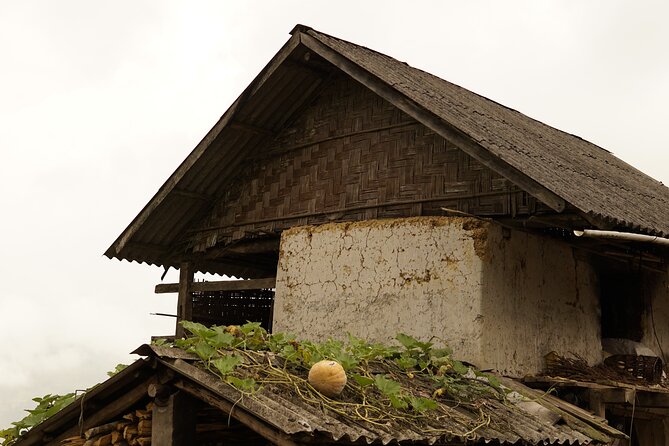
- Ta Van overnight in a family homestay with stilt-house village life
- Village-to-village trekking through Muong Hoa Valley: Y Linh Ho, Lao Chai, and more
- Bamboo forest trail plus Red Dao culture at Giang Ta Chai
- Meals and bottled water included, with lunch and breakfast called out in the package
A Sapa trek that actually feels like Sapa
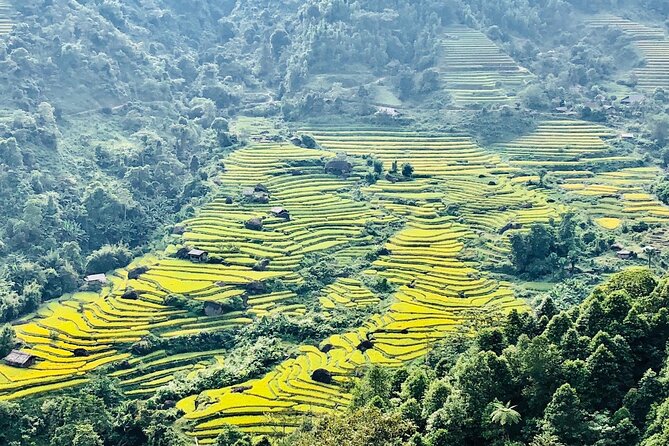
Sapa can be overly polished in the tourist center. This experience is built to get you into the rice-terrace valleys and village paths where locals move through their days. Instead of piling everyone into the same quick viewpoints, you’re walking between communities with a guide who knows the route and the people.
What makes it work is the balance. You get long-enough stretches of trekking for big scenery, then you get village stops that slow things down—so the trip doesn’t feel like a nonstop hike with no context. And because the group stays small, you’re more likely to keep a steady rhythm instead of constantly waiting for the slowest person in line.
You can also read our reviews of more tours and experiences in Hanoi.



Sleeping bus logistics: the route starts with rest, not rushing
You leave Hanoi on a sleeping bus and arrive in Sapa town on day one. This is a smart way to do it because it turns travel time into part of the adventure, so you aren’t burning a full day on transport.
Start time is listed as 7:00 am at Saigonese Trekking House (02 Nguyễn Chí Thanh, TT. Sa Pa). That matters because it sets expectations: you’ll be active right away after pickup and meeting. Plan to sleep as much as you realistically can on the bus, then treat your first trekking hours as a warm-up, even if you already feel energized.
Day 1: from Sapa town into Muong Hoa Valley villages
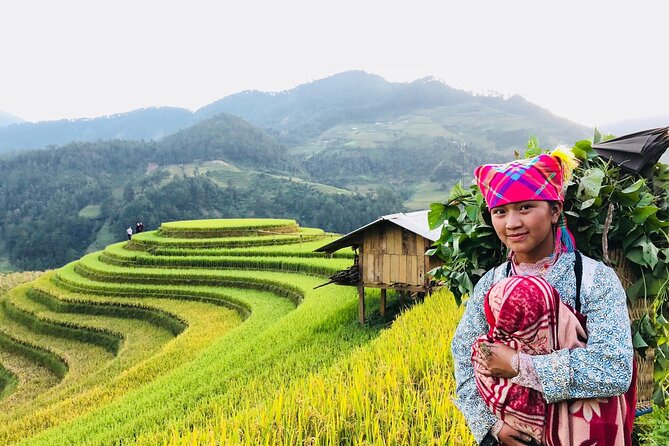
Your first day begins with arrival in Sapa town and a trek led by your local guide. The walking segment is listed at about 5 hours, and it’s a good chunk—so pace yourself. The path isn’t just for endurance; it’s the way you see how villages sit in the valley and how terraces and forests shape everyday life.
Sapa town trail time: your first taste of the valley
Once you’re met at the bus area, your guide brings you out of town toward the first village area. This opening stretch is where you notice the change in terrain most quickly: the air often feels different down in the valley, and the walking transitions into a more rural rhythm.
Practical tip: wear footwear you can trust on slopes and steps. If you’ve ever had a blister start late in a day hike, you know how quickly it can ruin the next morning. On this kind of route, comfortable shoes are not a luxury.
Y Linh Ho: peaceful village scenery with easy breathing room
Next is Y Linh Ho in the Muong Hoa Valley, a quiet 1-hour stop. It’s a scenic pause—one of those stretches where you can slow your pace, look back toward the terraced view, and absorb the scale of the valley.
Because this is shorter, it’s a good checkpoint day one. If you’re feeling strong, you’ll have a moment to enjoy the scenery instead of pushing through on pure willpower.



Lao Chai: a classic valley village stop
Then you reach Lao Chai Village, listed as about 7 km southeast of Sapa town’s center. The stop runs around 1 hour, and it’s another village moment where you can see how the landscape supports settlement and farming.
This is also a good place to ask questions. Guides on this route are set up to explain what you’re seeing—how people use the valley, how different ethnic groups live, and why certain trails connect the way they do.
Ta Van Village homestay: the part most people remember

After your first stretch of trekking and village time, the center of gravity shifts to the overnight stop: Ta Van Village. This is a 12-hour block, meaning it’s not just a place to sleep. You’re living the evening rhythm of a family-run homestay.
Ta Van is described as a Giay minority village near the river, known for stilt houses and warm hospitality. The experience is designed around sitting down together—sharing dinner and stories with your hosts—so you learn in a human way, not just from signage.
Why this homestay night is better than another hotel bed
A hotel bed can be comfortable, but it doesn’t teach you much. Here, the value is the normal-people context: how families structure their time, what daily life looks like in the valley, and how traditions show up when you’re part of the household schedule for a night.
Also, homestays like this usually help you understand why the trails matter. Once you’ve met your hosts, the next day’s walking doesn’t feel random. It feels connected.
What to keep in mind at night
The package explicitly includes lunch and breakfast, and it also describes sharing dinner with your hosts during the homestay night. Since the included items list doesn’t spell out dinner separately, treat dinner as part of the homestay experience rather than something to count on the way you would for the clearly listed meals. Either way, plan your timing around having a full day’s activity.
Bring a layer for evening. Even when the day is pleasant, mountain valleys can cool down fast once you stop moving.
Day 2: bamboo forest, Red Dao customs, and Su Pan views

Day two moves from Ta Van toward deeper valley villages, including bamboo forest trekking and a stop with Red Dao culture.
Bamboo Forest: shade, rhythm, and a nicer kind of effort
You’ll take the bamboo forest route, described as shaded by tall bamboo trees and connecting areas toward Su Pan via Giang Ta Chai. It’s listed as 1 hour, so it’s not a brutal endurance section—but it’s still real walking.
This is a great moment to slow down and look at what your feet are doing. Bamboo forest trails can be a mix of packed dirt, roots, and uneven ground. Good traction beats perfect form here.
Giang Ta Chai: Red Dao life and herbal medicine knowledge
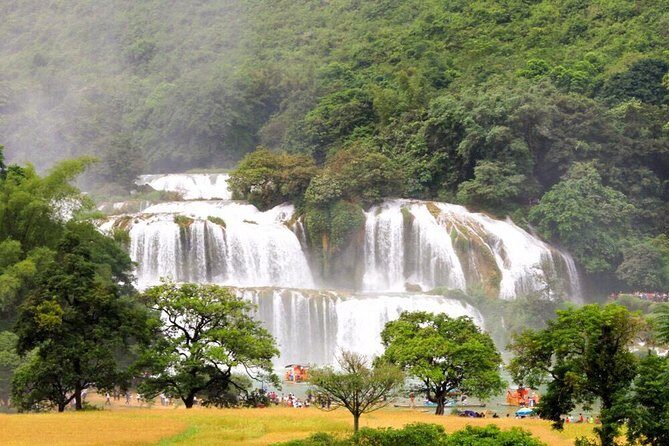
Next is Giang Ta Chai Village, home to the Red Dao people. The stop is also 1 hour, and it’s centered on learning—traditional customs and even traditional herbal medicine practices. The description also notes scenic natural features in the area, including waterfalls.
This is where a good guide makes the trek feel worth the effort. If your guide explains what’s practical and what’s cultural—how people learned their remedies, what daily work looks like, and how the community fits into the valley—you’ll remember the stop long after you return to town.
Su Pan: panoramic valley payoff
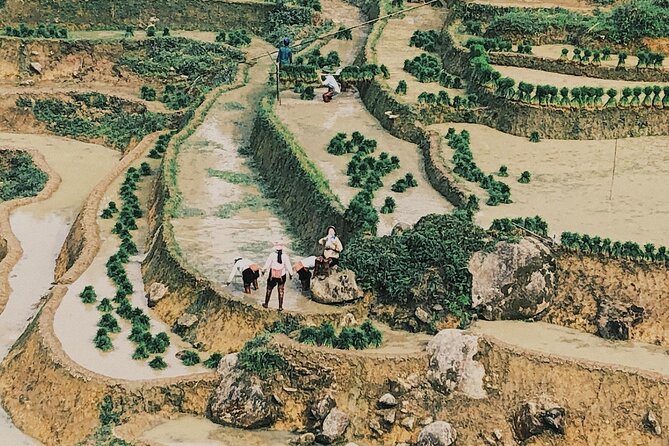
Finally comes Su Pan, a quieter village with panoramic views of terraced fields and rugged mountains. It’s listed as 1 hour and it’s essentially your photo-and-rest window before heading back toward comfort.
This is also the moment you’ll feel the trek in your legs. If you need to take extra short breaks, this is the place to do it—then you’ll be ready for the return transfer.
Getting back to Sapa: transfer helps, then the late bus
After exploring Su Pan, you return to Sapa town by motorbike or car for comfort. Then the bus departs back to Hanoi in the evening, arriving late at night.
That transfer step matters. Two days of trekking can be tough, and the route here avoids the common mistake of making you hike back the same way with tired legs. Instead, you get a practical exit that keeps you from ending the trip completely wrecked.
At the end, a car/van drops you back in Sapa town, at the tour office location (Saigonese Trekking House). It’s a clean finish point.
Price and value: what $89 buys you in the real world

The price is listed at $89 per person, and it’s worth judging based on what’s included rather than just the number.
Included items:
- Entrance tickets
- Bottled water
- Lunch
- Breakfast
On top of that, the experience includes guided trekking through multiple villages, round-trip sleeping bus between Hanoi and Sapa, and an overnight family homestay in Ta Van as part of the schedule.
For many people, the real value is the structure. You’re not trying to design a route, find local contacts, negotiate transport, and hope you end up in the right place at the right time. Here, the plan is assembled for you, with a guide and small group, and you can focus on the walking and conversations.
One note: insurance and tips are not included. If you’re the type who normally tips well when you’re happy with service, factor that in so you don’t feel awkward at the end.
The guides and group vibe: small group, more patience
This trek runs with a maximum of 10 travelers, and that’s a meaningful difference on trails. Smaller groups spread out better, you’re less likely to step on each other’s pace, and guides can actually keep track of everyone’s energy level.
The route also relies on help and kindness along the way. One of the clearest themes from guide feedback is that local helpers can be supportive if the terrain gets harder than expected, and guides like Sisi and Dzi are often highlighted for being patient and friendly while explaining how local communities work.
How hard is it, really? (Let’s talk expectations)
You’re trekking for about two full days, with day-one trekking time listed at about 5 hours plus additional 1-hour village stops, and day two focused on more walking through bamboo forest and villages. The total walking distance isn’t listed in the package, but one past experience mentioned covering about 15 km total.
So: it’s not a stroll. It’s active and you’ll feel it. The good news is that the route is paced with breaks, and you have multiple village stops rather than one never-ending hike.
This tour is best for you if:
- You can handle long walking days with stops
- You’re okay with uneven paths
- You want culture from real village contact, not a checklist
Skip it (or pick something easier) if:
- You have limited mobility or you dread hills and steps
- You want lots of downtime with minimal walking
- You’re traveling with very young children or anyone who can’t manage moderate trekking
Practical tips that make the trek smoother
Here are a few things that help most people enjoy it more, based on how the trek is set up.
- Wear grippy shoes you’ve already broken in. The terrain includes village paths and forest sections.
- Pack layers: mornings and evenings in mountain valleys can feel cooler than you expect.
- Bring a light rain option. This trip is described as weather-dependent, and poor weather can impact scheduling.
- Ask your guide about the people you’re seeing—Giay in Ta Van, Red Dao in Giang Ta Chai, and the valley villages between. The stops aren’t just scenic; they’re built for understanding.
- Use the village breaks. If you need water or rest, take it during the stops, not after you’ve already pushed past your comfort.
Should you book this Sa Pa trek?
I’d book it if your goal is real Sapa: rice valleys, bamboo trails, and an overnight homestay where you meet the people who live there. It’s also a good choice if you like having a guide who explains things clearly and helps keep the day from feeling chaotic—especially with the small group size.
I wouldn’t book it if you want a mostly relaxed sightseeing day, or if you’re not comfortable with moderate trekking. This is a walking experience first, with village culture and scenic payoffs built in.
If you’re aiming for a trip that feels more personal than the usual town tour, this one is a strong match.
FAQ
How long is the trek, and when does it start?
The schedule runs about 23 hours to 1 day (approx.). The listed start time is 7:00 am, with the sleeping bus between Hanoi and Sapa covering the overland parts of the trip.
What’s included in the price?
The package includes entrance tickets, bottled water, lunch, and breakfast. Insurance and tips are not included.
Is the group size small?
Yes. This experience has a maximum of 10 travelers, which helps keep the pace and experience more personal.
What kind of fitness level do I need?
You should have a moderate physical fitness level. The itinerary includes trekking time plus walking between villages, so expect active days.
Where do I meet the tour, and where does it end?
You meet at Saigonese Trekking House (02 Nguyễn Chí Thanh, TT. Sa Pa, Sa Pa, Lào Cai, Vietnam). The tour ends at the same meeting point, and after trekking you’ll be dropped off in Sapa town by car/van.
What happens if weather is bad?
This experience requires good weather. If it’s canceled due to poor weather, you’ll be offered a different date or a full refund.