REVIEW · HANOI
2-Day Sapa Tour – Overnight in Ta Van Village (All in One)
Book on GetYourGuide →Operated by Vietnam Travel Simple · Bookable on GetYourGuide
Two days in Sapa changes your walking pace fast. You get rice terraces, mountain views, and an overnight in Ta Van that feels more like staying with real neighbors than checking a box. I like the mix of guided trekking with local context, plus free time in Sapa Town to browse and reset. One caution: the homestay is basic, and weather in Sapa can be cold and foggy, so plan for wool socks and patience.
What makes this tour especially interesting is the way it strings together multiple ethnic areas: you hike from Y Linh Ho through Lao Chai, sleep with the Giay community in Ta Van, then continue toward Giang Ta Chai and the Red Dzao area. I also like the small group size (up to 10), because the pace stays human even when the trail gets steep. The downside is the schedule is full, including a long bus ride from Hanoi and a couple hours of walking each day.
You can arrive by a morning bus or a sleeper night bus, and the itinerary adjusts to match. Either way, you’ll start hiking in Sapa with a guide who talks in both English and Vietnamese, and you’ll end Day 2 back in Hanoi with two rest stops on the way.
In This Review
- Key things to know before you go
- Why Ta Van overnight beats the day-tour routine
- Hanoi to Sapa: morning bus vs sleeper night arrival
- Day 1 trek from Y Linh Ho to Lao Chai, then Ta Van
- Day 2: bamboo forest, Giang Ta Chai Bridge, and the return ride
- Price and value: what $36 actually covers
- Packing for Sapa weather: the cold details you can’t ignore
- Guide quality and communication: Dao, Chang, and the practical lesson
- Who should book this, and who should skip it
- Should you book the 2-Day Sapa Tour with Ta Van overnight?
- FAQ
- What’s included in the tour price?
- How many people are in the group?
- How long is the trek each day?
- What transfer options are available from Hanoi to Sapa?
- What should I pack for Sapa weather and trekking?
- Are pets allowed, and is the tour wheelchair-friendly?
Key things to know before you go

- Local ethnic guides make the trek easier to understand: guides like Dao (praised for being fun and informative) help you connect the dots between villages and farming life.
- Two very different trekking days: Day 1 is the longer 9 km hike, while Day 2 is shorter at about 4 km with great photo breaks.
- Overnight in Ta Van with the Giay community: you sleep in a bungalow/stilt house-style setup with family life and shared meals.
- Time built in for Sapa Town: you get a free window to wander and shop before the return bus.
- Cold weather is the real enemy, not just the stairs: warm layers and proper shoes matter in Sapa months when it’s often chilly.
Why Ta Van overnight beats the day-tour routine
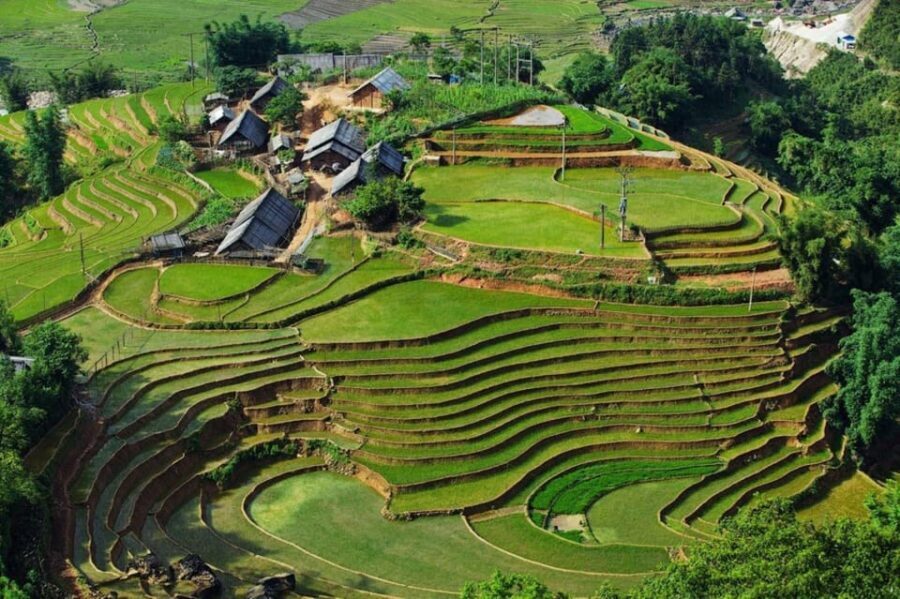
Most Sapa tours rush you through the scenery and dump you back in town. This one keeps you out there longer, sleeping in the Ta Van village area. You’ll check into a bungalow/stilt house setup in the village and spend the evening getting to know the family (the tour focuses on the Giay community). That small shift changes the whole vibe. The village feels quieter. The mountains feel closer. And dinner tastes like you’re actually part of the day’s rhythm.
You might also have options like trying local cooking with the family and joining nearby music/social time with other tourists in the evening. Even if you don’t do every extra activity, the overnight is the anchor of the trip. It gives you daylight for hiking, then a slower mountain evening afterward—exactly what you came for if you want more than views on a timetable.
Just be realistic about expectations: the homestay is described as basic. So think clean enough and cultural, not fancy hotel comfort. And since the tour notes Sapa weather can be cold and foggy in several months, pack for chilly nights even if your Hanoi weather feels mild.
You can also read our reviews of more tours and experiences in Hanoi


Hanoi to Sapa: morning bus vs sleeper night arrival

Getting there is half the tradeoff of Sapa. You’re trading comfort time for time in the hills. The tour gives you two transfer options.
Option 1 is a morning departure from Hanoi Old Quarter around 6:00–6:20. You then ride to Sapa via highway, with comfort breaks (one around Lao Cai city and another before approaching Sapa). After arrival, you’ll have lunch in Sapa Town and start the first hike in the afternoon.
Option 2 is a sleeper night bus leaving Hanoi around 22:20, with arrival in Sapa around 5:00. You sleep on the bus, then you’ll be picked up around 6:00 for breakfast and start trekking around 8:00.
Either way, your day depends on the transfer choice. Morning bus means less early-morning rushing. Sleeper bus means more time on the first hike day and more of Sapa in the daylight right away. If you dislike early starts, Option 1 usually feels kinder. If you want to squeeze more hiking into Day 1, Option 2 can be a better fit.
Day 1 trek from Y Linh Ho to Lao Chai, then Ta Van

Day 1 is the bigger effort. After lunch in Sapa Town (with guides explaining ethnic traditional costumes when you arrive), you’ll head into the hike area around 14:30. The route includes Y Linh Ho, moving through rice terraces and along Muong Hoa Stream.
A key stop is Lao Chai, described as a Black Hmong village, where you can see the dramatic mountain setting around Hoang Lien Son. This is the part where the trek stops being just exercise and starts becoming visual and cultural at the same time. You’re not only passing fields; you’re walking through places where people farm on steep terrain and manage water and seasons.
The trekking distance is about 9 km and lasts about 3.5 hours, according to the tour plan. Late afternoon arrival is when you shift from trail mode to family mode.
Around 17:45, you check into your Ta Van homestay with the Giay community. You’ll spend time with the family, enjoy sunset on the mountain life, and you may attend cooking and then dinner at a relaxed pace. If you feel social, there’s a nearby local bar area with music where you can meet other tourists before sleeping in the bungalow.
Day 2: bamboo forest, Giang Ta Chai Bridge, and the return ride

Day 2 starts with breakfast prepared by the family. This is one of those simple moments that makes the overnight feel worth it. After breakfast, you get back on the trail around 8:00–8:45.
You walk toward rice paddies for a photo session with broad views. Then you’ll trek through a bamboo forest and stop for panorama views of Giang Ta Chai village, described as home of the Red Dzao people. The Day 2 trek is shorter: about 4 km for around 2 hours, which is great if you don’t want to repeat Day 1’s effort level.
Around 11:00, the route goes through the Giang Ta Chai Bridge toward the main road. After that, it’s back to the bungalow, then shower and lunch around 12:30–13:30.
From there, a van or car brings you to the bus station and you’ll receive your bus ticket. You get a free window from about 14:00–15:00 to walk around Sapa Town or shop at the market area. Then you meet the group and board for the return trip to Hanoi around 15:30, arriving around 21:30.
This structure is practical: it gives you a lighter trek day, plus enough town time to buy small gifts or snacks without feeling rushed.
Price and value: what $36 actually covers
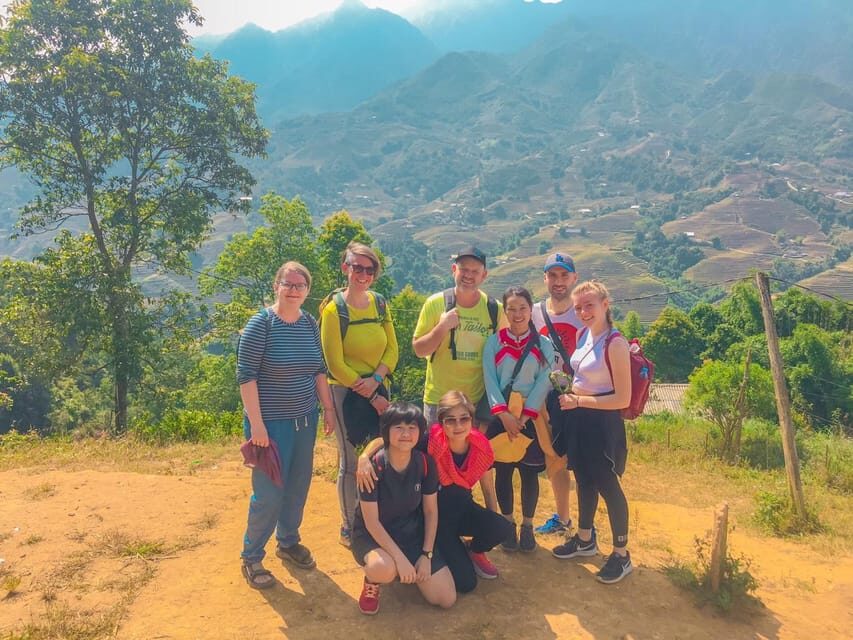
At $36 per person, the big value story is that most of the major costs are packaged in. Your price includes round-trip air-conditioned bus/limousine bus between Hanoi and Sapa, an English–Vietnamese speaking guide, and 1 night in a bungalow/stilt house (dorm) in Ta Van.
It also includes meals as mentioned, a small bottle of water on the bus, and all entrance fees. When you add that up, you’re not just paying for walking. You’re paying for transport, staffing, and the homestay experience that day tours often skip or water down.
The small-group cap of 10 participants is another hidden value point. With fewer people, the guide can keep the pace and explanations manageable, and you’re less likely to feel like a herd moving between photo stops.
That said, you still need to accept that you’re booking a trekking-and-homestay style trip. The price isn’t buying hotel beds or luxury. It’s buying access to the villages, guiding, and the full two-day rhythm.






Packing for Sapa weather: the cold details you can’t ignore
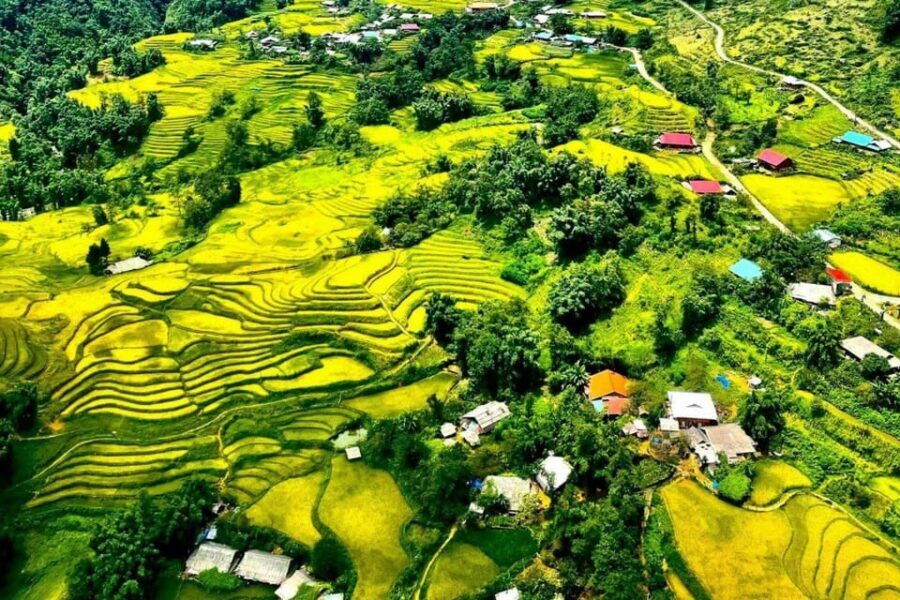
Sapa weather is the real boss battle. The tour specifically warns you to bring warm clothes, scarf, and a hat because conditions are often cold in September through March. It also notes fog can be common in December through February.
On top of the cold, you’ll want practical trekking gear:
- Trekking shoes (not just sneakers if you’ll be on slick paths)
- Sunglasses and sunscreen for daylight glare on fields
- Insect repellent for time outdoors
- Cash in Vietnam Dong, since banking in Sapa sometimes doesn’t work smoothly
- Medicine, because even with shops in town, having your basics helps
Since Sapa accepts USD, Euro, and Australia Dollar, you’re not limited to dong only. But carrying some dong is still a smart move for smaller purchases.
One more practical note: the tour says you should update your pick-up details in Hanoi Old Quarter and leave your WhatsApp/Line/Viber/Kakaotalk number. That’s not fluff. In mountain regions, smooth contact matters when timelines shift.
Guide quality and communication: Dao, Chang, and the practical lesson

Two guide names come through strongly: Dao and Chang. Dao is praised as young but effective, described as fun and intelligent, and credited with making the two-day trekking feel lighter and more informative. Chang is also praised for doing the tour with care and for showing the best places.
That matters because on a trek like this, the difference between a good day and a great one often comes down to how the guide explains what you’re seeing and how they manage the pace. A strong guide also helps you feel less lost when the route moves from stream to terraces to villages.
Communication is the other practical lesson. Even though the tour says there’s a 24/7 hotline support, one past issue described was simply that messages weren’t answered and a person had to push harder to fix the situation. I’d treat this as a reminder: message ahead, confirm pick-up, and keep your phone number reachable. If someone asks you to share details for confirmation, do it fast.
Who should book this, and who should skip it
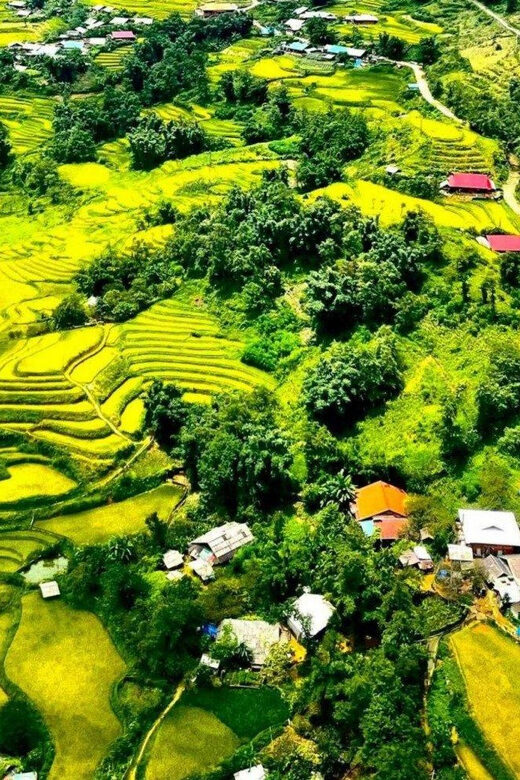
This tour is a good match for you if you want:
- A real overnight in a hill tribe village area (Ta Van)
- Guided walking through ethnic villages and farming scenery
- A small group experience with a guide who can explain culture in plain terms
- A mix of trek time and a bit of Sapa Town free time for browsing
It’s less ideal if you:
- Need wheelchair access, because the tour says it’s not suitable for wheelchair users
- Travel with pets, since pets are not allowed
- Hate cold weather surprises, since warm layers are a must and fog can happen in certain months
If you’re an active walker who likes views and village life, you’ll feel at home. If you want a totally relaxing vacation with minimal walking, this schedule may feel like work.
Should you book the 2-Day Sapa Tour with Ta Van overnight?

I’d book it if you want Sapa that feels local instead of staged. The overnight in Ta Van is the reason, and the trekking structure is well thought out: Day 1 is the longer 9 km push, and Day 2 is shorter at about 4 km with bamboo and the Red Dzao panorama area.
I’d skip or consider carefully if you’re sensitive to cold, since the tour explicitly warns about chilly weather for many months and fog in winter. I’d also be ready for a packed schedule with bus time from Hanoi and a full walking plan in two short days.
If you do book, do three things that make the trip smoother: pack warm layers, bring cash in dong, and confirm your pick-up details with a reachable phone number before travel. That’s how you keep the mountain parts fun and the logistics parts boring.
FAQ
What’s included in the tour price?
The tour price includes the air-conditioned bus/limousine bus from Hanoi to Sapa and back, an English–Vietnamese speaking guide, one night in a bungalow/stilt house in Ta Van (dorm), meals as listed in the program, a small bottle of water on the bus, all entrance fees, and 24/7 hotline support.
How many people are in the group?
The group is limited to a small size, with a maximum of 10 participants.
How long is the trek each day?
Day 1 includes about 9 km of trekking for around 3.5 hours. Day 2 is about 4 km for around 2 hours, with additional stops for views and photos.
What transfer options are available from Hanoi to Sapa?
You can take a morning bus option starting around 6:00–6:20 from Hanoi Old Quarter, or a sleeper night bus option leaving around 22:20 and arriving in Sapa around 5:00.
What should I pack for Sapa weather and trekking?
Bring warm clothes (scarf, hat), trekking shoes, sunglasses, sunscreen, and insect repellent. The tour also recommends packing medicine and carrying cash in Vietnam Dong.
Are pets allowed, and is the tour wheelchair-friendly?
Pets are not allowed. The tour is not suitable for wheelchair users.
![[HOT] Hanoi Old Quarter Walking Street Food - Small Group Tour - Start times, pickup, and how the logistics feel](https://c.thehanoiguide.com/wp-content/uploads/hot-hanoi-old-quarter-walking-street-food-small-group-tour.jpg)


More 2-Day Experiences in Hanoi
- Doris Cruise 5 star cruise 2 days visiting Halong Bay Lan Ha Bay private balcony
★ 5.0 · 2,338 reviews



More Tours in Hanoi
- Ninh Binh Full-Day Tour from Hanoi to Hoa Lu, Tam Coc & Mua Cave Via Boat & Bike
★ 5.0 · 4,384 reviews