REVIEW · HANOI
19-Day Tours | Explore the Essential and Highlights in Vietnam
Book on Viator →Operated by Authentic Adventures · Bookable on Viator
Vietnam in 19 days feels oddly doable. This is a guided, all-in-one circuit that stitches together domestic flights and private-room stays across Hanoi, Ha Long and Lan Ha, Ninh Binh, Hue, Hoi An, Nha Trang, Ho Chi Minh City, and the Mekong Delta. I like that so much is handled for you up front, especially meals and entrance fees, and I like the small group cap that keeps things from feeling like a factory line. The main tradeoff is pace: expect early starts and long travel days, so bring solid energy and comfy shoes.
What makes it feel like a real trip is the human support. Coordinator Tran is repeatedly praised for being on WhatsApp and keeping things moving smoothly, and guides such as Mr Son and Ms Hang are mentioned as going out of their way to help. If you want lots of slow, solo time every day, you’ll need to sprinkle it in during the free blocks rather than expecting it between every scheduled stop.
In This Review
- Key highlights you’ll feel on the ground
- Price and what you’re really paying for
- Hanoi: Old Quarter ease-in, then real sites
- Hanoi morning circuit: pagoda, ethnology, and a dose of history
- Ha Long and Lan Ha Bay: sunrise routine, cave kayaking, and real water time
- Ninh Binh: Tam Coc by bamboo boat and Mua Cave stair effort
- UNESCO day around Bai Dinh and Trang An
- Da Nang to Hue: Imperial City plus Thien Mu and Khai Dinh
- My Son Sanctuary and Hoi An: UNESCO ruins and old-town strolling
- Ba Na Hills: cable car views and Fantasy Park time
- Nha Trang: planned free time for sea, trails, and spa-style choices
- Ho Chi Minh City essentials plus Cu Chi Tunnels
- Mekong Delta: canals, coconut work life, and Cai Rang at sunrise
- Pacing, transport, and the practical side of enjoying 19 days
- Should you book this Vietnam tour?
- FAQ
- How much does the 19-day Vietnam tour cost?
- What’s included in the tour price?
- Are flights included during the trip?
- Is pickup available?
- What group size should I expect?
- What time does the tour start?
- Can you accommodate dietary needs?
- Does the itinerary change if the weather is bad?
- What’s the cancellation window?
Key highlights you’ll feel on the ground

- A small group (max 12) means quicker problem-solving and more personal attention.
- Lan Ha Bay cruise with a sunrise routine includes Tai Chi on the sundeck and time on boats in the bay.
- Boat-and-cave experiences like kayaking in Dark and Bright Cave add variety beyond temples and streets.
- UNESCO hits across the country: Ha Long/Lan Ha, Trang An, Hue, My Son, plus iconic market life in the Mekong.
- All-in value with private rooms and air-conditioning helps you spend less time organizing and more time seeing.
Price and what you’re really paying for

At $1,989 per person for 19 days, this is not a budget backpacker-style deal. But when I break down what’s included, the price starts to make sense: domestic flights, a tour guide, private room accommodation, an air-conditioned vehicle, entrance fees for included sights, and a planned mix of breakfasts and lunches plus two dinners.
The practical value here is time. Vietnam is a long country, and flights are doing real work for you, especially when you’re moving between north, central coast, and the south. You also avoid the scavenger hunt of buying tickets one by one and figuring out transport between the same top sights everyone wants to see.
The other side of value is that it’s a structured itinerary. If you like total freedom to change plans on a whim, you may find the schedule a bit tight. Still, for most people, the payoff is that you arrive at the right places on time with everything handled.
You can also read our reviews of more tours and experiences in Hanoi.



Hanoi: Old Quarter ease-in, then real sites

Your Vietnam starts in Hanoi, with pickup arranged from Noi Bai International Airport to your selected accommodation. Once you’re settled, you’ll get a block of free time to start with the Old Quarter on foot. It’s a smart way to adjust to Vietnam without forcing your first day into a museum marathon.
What I like about this first setup is psychological. You get to watch the street life, find your first good coffee, and get your bearings fast before you move into guided cultural stops.
One note: while pickup is offered, Hanoi can be an exception depending on where you stay. The information provided indicates that pickup in the Hanoi Old Quarter area may not be included in the cabin rate, so it’s worth confirming when you book—especially if you’d rather not start the trip with a taxi negotiation.
Hanoi morning circuit: pagoda, ethnology, and a dose of history
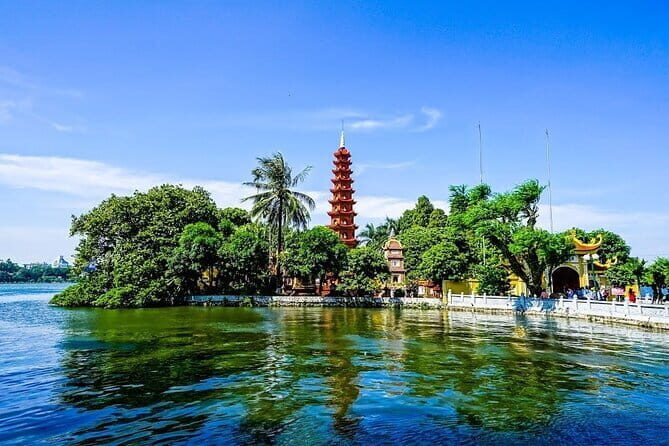
After that first walk-about, the guided portion in Hanoi focuses on variety. You’ll go to Tran Quoc Pagoda on an island in West Lake, then to the Vietnam Museum of Ethnology, and onward to Temple of Literature, the first university in Vietnam. Later you visit Hoa Lo Prison, a site built in 1899 with layers of colonial-era history.
This combination works because it doesn’t treat Hanoi as only one kind of experience. The lake-side pagoda is calm and scenic in a way that helps your brain reset between bus rides. The ethnology museum gives you context on Vietnam’s many ethnic groups, which makes the rest of the trip feel less random.
Then the Temple of Literature and Hoa Lo Prison bring you back to the story side of Vietnam. It’s not the easiest pair of stops, but it’s a useful balance—spiritual landmarks in the morning, and a heavier historical reminder later.
Good to know: some of these places involve walking in courtyards and indoor galleries, so wear shoes you can move in comfortably. The schedule is well-paced, but you’ll still be upright and moving.
Ha Long and Lan Ha Bay: sunrise routine, cave kayaking, and real water time

This is the part of the trip that many people remember most clearly. You travel from Hanoi toward the bay area, then transfer by high-speed tender to your main boat. From there, your time is split between Ha Long Bay and Lan Ha Bay, which is part of what keeps the experience from feeling like one long ride.
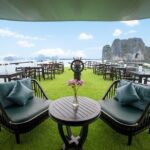
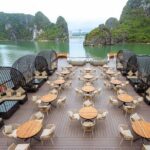
In Lan Ha Bay, you get a structured morning routine: wake up early, join a Tai Chi session on the sundeck, then watch the sunrise. After breakfast, you’ll have time to enjoy the bay from the water, not just from a viewpoint.
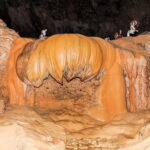
Later, kayaking becomes the highlight action. You’ll do kayaking in Dark and Bright Cave, followed by leisure time on the day boat before heading back. It’s a nice contrast to temple days because you’re dealing with sights you can only see from inside the water system—rock formations, tunnel entrances, and calm stretches that feel like a different planet.
The one consideration? Weather and tides matter. The information provided notes the program may change slightly due to cruising conditions. That doesn’t mean you’ll lose the experience, but it does mean your exact timing may shift, especially around cave or kayak activities. I’d pack light rain gear and keep a flexible mindset.
Ninh Binh: Tam Coc by bamboo boat and Mua Cave stair effort
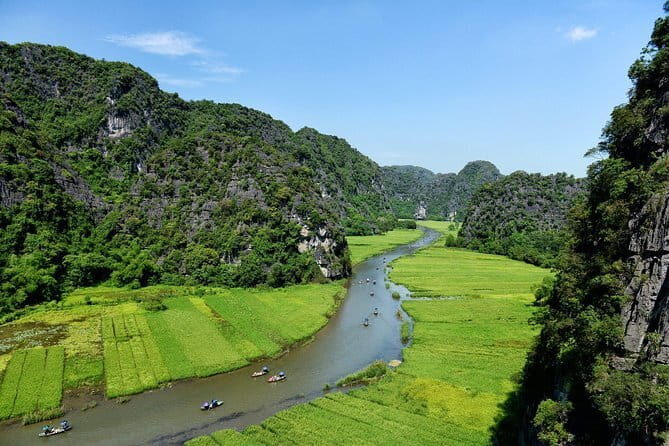
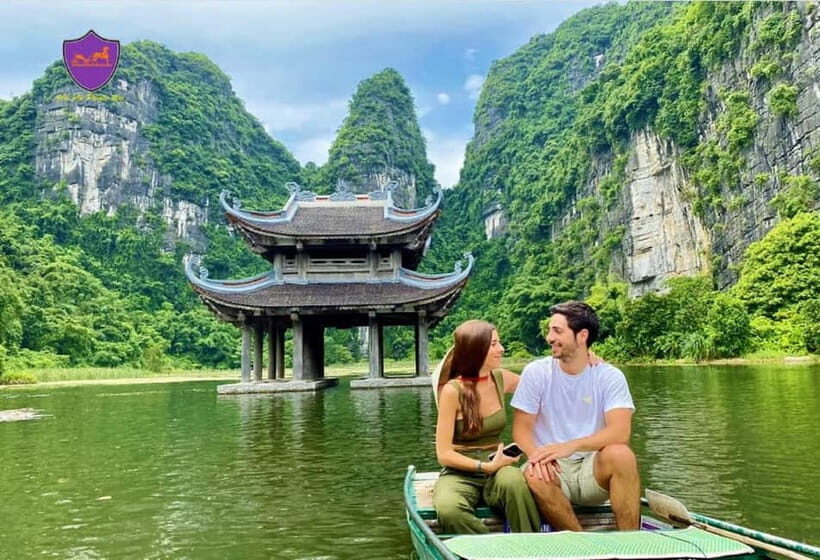
Next comes Ninh Binh, where the scenery shifts from crowded cities to a mix of river and fields. You’ll visit Hoa Lu Ancient Capital, then spend afternoon time at Tam Coc – Bich Dong by 1.5-hour bamboo boat. The boat trip is the point here: you move through paddy fields and past a cave system, and the pace is slow enough to actually look around.
Then you tackle Mua Cave, also called Dancing Cave, with a walk up almost 500 steps. This is one of those tradeoffs that’s worth saying out loud: it’s a workout. The reward is a panoramic view of Tam Coc from the top, which is exactly why people don’t complain about the stairs once they get there.
If you have knee trouble or you hate steep steps, you should think about how you handle stair climbs before you book. For everyone else, this is a strong balance of effort and payoff.



UNESCO day around Bai Dinh and Trang An
Your next big cultural-heritage stretch includes Bai Dinh Pagoda, then the Trang An Landscape Complex, recognized as a UNESCO World Heritage Site.
Bai Dinh is famous for scale, and the experience is guided so you can focus on what matters rather than wandering and missing important areas. After that, Trang An brings you into the UNESCO world in a very hands-on way: a tunnel cave system and a water route where you’re literally traveling through the geography.
This day works well because it mixes “big landmark” energy with “you’re inside the place” energy. It’s not only history on a signboard; it’s movement through caves and waterways, which keeps it from becoming too temple-heavy.
Wear clothes you don’t mind getting damp. Even if you don’t get drenched, boats and caves often mean some mist and humidity.
Da Nang to Hue: Imperial City plus Thien Mu and Khai Dinh

After Hanoi, you fly to Da Nang. The rest of the day there is leisure time, which I appreciate because it gives you a breathing gap before more scheduled stops. Then you move into Hue with a morning departure and a concentrated set of sites.
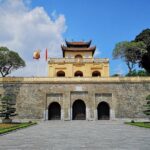
In Hue, the centerpiece is the Imperial City (Citadel), a UNESCO World Heritage Site. You also visit Thien Mu Pagoda, the famous seven-story pagoda on the Perfume River, and the Tomb of Khải Định.
This is a good trio because it connects political power, spiritual symbolism, and architectural ambition. The Imperial City gives you the structure of the past. Thien Mu gives you the spiritual atmosphere and an easy visual anchor. Khải Định adds a different flavor through its tomb design, which can feel like a whole mini-world.
You return to Da Nang toward evening, and that turnaround is helpful because it keeps logistics manageable. The day is full, though, so plan on an early night.
My Son Sanctuary and Hoi An: UNESCO ruins and old-town strolling
From Da Nang, you’ll go to My Son Sanctuary, another UNESCO World Heritage Site. It’s one of those places where guided context helps a lot—because ruins can feel confusing if you’re only looking for a single “wow” moment. With a guide, you understand what you’re seeing and why it matters.
Then you head to Hoi An for a walking tour in the afternoon, including time around the Colorful Local Market and the Old Town vibe. You get another day with free time to explore the Old Town further, which is where you can slow down.
My favorite part of Hoi An in this kind of structure is that you’re not forced into a constant museum schedule. You get enough guided content to make it meaningful, then you’re free to wander the lanes and choose your own pace.
If you’re traveling with someone who likes shopping, Hoi An tends to be the place where you can actually browse without feeling rushed.
Ba Na Hills: cable car views and Fantasy Park time
Ba Na Hills is the trip’s “big production day,” and it’s handled with a mix of nature views and entertainment. You travel by road toward Ba Na, then ride a cable car to the Sun World area, with stops including places like Nghinh Phong top, Le Nim Villas, and the Orchid Garden.
Then the schedule shifts to fun with Fantasy Park, described as the third-largest indoor games zone in Vietnam. This matters because it gives you a weather-safe option. If it’s hot or rainy, indoor activities can save the day and keep energy from collapsing.
This is also a useful day if you’ve already done a lot of temples. Ba Na gives your body a break from history sites and gives you a different type of sightseeing: big views, built attractions, and a chance to reset.
Nha Trang: planned free time for sea, trails, and spa-style choices
You fly from Da Nang to Nha Trang, check in, and then you get a longer stretch of leisure time. The plan explicitly offers options like snorkeling or scuba in coral reef areas, hiking nature trails, using a private plunge pool, or getting spa treatments.
That’s the smart way to do beach time: you don’t force everyone into one activity. If you want ocean time, great. If you want to rest, also great. Your guide can point you in the right direction, but you’re not trapped in a single box.
I’d still keep an eye on how much sun you’re stacking up after earlier days. The trip covers a lot of ground, so treat Nha Trang as recovery as much as sightseeing.
Ho Chi Minh City essentials plus Cu Chi Tunnels
Your Vietnam south chapter starts with Ho Chi Minh City. Your guided day focuses on big, recognizable landmarks: Independence Palace, the War Remnants Museum, Saigon Notre Dame Cathedral, Saigon Central Post Office, and the Emperor Jade Pagoda. Then later you go out of the city to Cu Chi Tunnels.
This day has two emotional moods. City landmarks are one kind of atmosphere—architecture and symbolism. The War Remnants Museum and Cu Chi Tunnels shift you into wartime history and lived hardship. It’s not light, but it’s also not random; it’s a structured way to understand how modern Vietnam connects to its past.
The best way to enjoy this day is to slow down at the moments that hit you. Don’t try to “win” the museum by speed-walking through. You’re there for context, not checkmarks.
If you’re sensitive to heavy topics, plan some quiet downtime afterward. The tour structure doesn’t block you from that, because the rest of your days include free exploration time.
Mekong Delta: canals, coconut work life, and Cai Rang at sunrise
Then you move into the Mekong Delta with a classic rhythm: boats, canals, and a floating market day.
In the My Tho area, you’ll do a boat journey along the Mekong River. You also visit Ben Tre, known for its coconut groves, with a canal boat ride through narrow waterways and local workshops. After that, you travel to Can Tho.
The next morning, you’re up early for the Cai Rang Floating Market, described as the wholesale fruit and vegetable market at its busiest. You cruise through small canals in the morning, then you have lunch at a local restaurant before heading back toward Ho Chi Minh City.
This whole sequence is valuable because it’s not just photos of boats. You’re seeing how daily life is tied to waterways: trade timing, local production, and the rhythm of a place that runs on water routes.
Also, sunrise floating markets are always a bit hectic compared to a relaxed street stroll. If you hate early alarms, take it as a once-per-trip event and plan to rest after.
Pacing, transport, and the practical side of enjoying 19 days
This tour is packed, no sugarcoating. You’ll move by air between major regions, and by car between many sights. You also get free time blocks in Hanoi, Da Nang, Nha Trang, and parts of Ho Chi Minh City, which helps balance the heavier guided days.
The best strategy for this kind of route is simple: treat the scheduled days as your baseline, then use free time to do one thing well. In Hanoi, that can be Old Quarter strolling. In Da Nang, it might mean wandering near the river. In Hoi An, pick a single lane and enjoy it slowly.
Packing tips that match the itinerary you have here:
- Comfortable walking shoes for Temple of Literature courtyards, Old Quarter sidewalks, and the Mua Cave stair climb.
- A light rain layer, because weather can impact bay cruising timing and cave activities.
- Sunscreen and a hat, especially for the bay and beach-side segments.
Finally, remember that the group size is max 12, so your guide can coordinate pickups and questions without treating you like a number. That’s one reason people report smooth support—help is easier when the group stays small.
Should you book this Vietnam tour?
I think this tour is a strong choice if you want major highlights across the country without spending days planning transport, tickets, and meal decisions. The value comes from the mix of domestic flights, private rooms, guided UNESCO sites, and included meals, plus the fact that guide support is a real focus.
You should consider a different fit if you want a very relaxed pace or lots of unscheduled days. The itinerary moves, and you’ll have early mornings for bay activities and sunrise markets, plus a few long travel stretches.
If you’re flexible, enjoy structured sightseeing, and want Vietnam’s north-to-south map covered efficiently, this is the kind of trip that makes sense.
FAQ
How much does the 19-day Vietnam tour cost?
The price listed is $1,989.00 per person.
What’s included in the tour price?
The included items are domestic flight tickets, a tour guide, private room accommodation, air-conditioned vehicle, entrance fees for included sights, and meals listed as breakfast (18), lunch (12), and dinner (2).
Are flights included during the trip?
Yes. Domestic flight tickets are included, with transfers between major regions such as Hanoi to Da Nang, Da Nang to Nha Trang, and Nha Trang to Ho Chi Minh City.
Is pickup available?
Pickup is offered. For Hanoi, the information provided notes that pickup from the Hanoi Old Quarter area may not be included in the cabin rate, so it’s best to confirm.
What group size should I expect?
The tour has a maximum of 12 travelers.
What time does the tour start?
The meeting/start time is listed as 7:00 am.
Can you accommodate dietary needs?
Yes. The tour states it can accommodate dietary needs such as vegetarian, vegan, and gluten-free, if you indicate requirements at booking.
Does the itinerary change if the weather is bad?
The information says the experience requires good weather, and if it’s canceled due to poor weather you’ll be offered a different date or a full refund. It also notes programs may change slightly due to weather or tide conditions.
What’s the cancellation window?
Free cancellation is offered up to 24 hours in advance for a full refund.
More Tours in Hanoi
- Ninh Binh Full-Day Tour from Hanoi to Hoa Lu, Tam Coc & Mua Cave Via Boat & Bike
★ 5.0 · 4,384 reviews