REVIEW · HANOI
18-day Itinerary Vietnam – Cambodia -Thailand | Best 2026-27
Book on Viator →Operated by Authentic Adventures · Bookable on Viator
Some trips feel like a checklist. This one feels like a plan.
You hop between Vietnam, Cambodia, and Thailand with guides, transfers, and a steady mix of city highlights and nature time, so you spend more effort enjoying sights than solving logistics. I like the way the schedule leaves room to breathe in each city, and I also like that you get door-to-door support with hotel pickups and drop-offs.
Two things I really like: the package is built around included meals and a private room, plus you’re not constantly paying separate entrance fees as you go. The second big win is the rhythm—tight guided days for the major stops, then free time in places like Hanoi, Hoi An, Ho Chi Minh City, Siem Reap, and Phuket so you can roam at your own pace.
One consideration: you’re moving a lot in 18 days, with early starts (like the Ha Long sunrise and the floating market morning) and several domestic flights. Also, tips and drinks aren’t included, so it helps to budget a bit in advance.
In This Review
- Key things that make this tour worth your attention
- Price and value: what $2,859 actually covers
- Hanoi: landing easy, starting slow, then heading to Ha Long
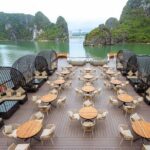
- Ha Long Bay cruise: Tuan Chau boarding to Lan Ha Bay sunrise
- Hanoi highlights: Temple of Literature without the stress
- Hoi An and My Son: market walking, covered bridge, and UNESCO temples
- Ho Chi Minh City in two modes: classic sights plus Cu Chi
- Mekong Delta: My Tho, Ben Tre, and the early floating market
- Siem Reap arrival and the Angkor temple circuit
- Koh Ker and Beng Mealea: the quieter Khmer side of Angkor
- Phuket setup: free time first, then a full Phi Phi island day
- Pacing and practical tips that keep the trip smooth
- Who this tour fits best (and who should think twice)
- Should you book this 2026-27 Vietnam, Cambodia, Thailand tour?
- FAQ
- How long is the tour, and which countries does it cover?
- What’s included in the tour price?
- Are flights between cities included?
- How big is the group?
- Will there be free time in each city?
- What isn’t included?
Key things that make this tour worth your attention

- Small group size (max 10) means easier coordination and less feeling like you’re lost in a crowd
- Domestic flights included so the trip stays efficient across three countries
- Ha Long Bay with early-morning sunrise time plus a Tai Chi session on the sundeck
- Angkor not just the big hits: Ta Prohm and Angkor Wat plus Koh Ker and Beng Mealea
- One full Phi Phi day with multiple stops (Bamboo Island, Phi Phi Le, Viking Cave)
- Meals built in most days, with breakfasts every day and additional lunches/dinners on set dates
Price and value: what $2,859 actually covers
At $2,859 per person, this isn’t a bargain-bucket tour. But it’s also not “just a bus ride with a guide.” You’re paying for a chain of expensive pieces in Southeast Asia: domestic flights, hotels, air-conditioned ground transport, and entrance fees for the sights the itinerary includes.
What helps the value click for most people is that the tour bundles the big charges into one number. Your package includes accommodation (private room), a tour guide, an air-conditioned vehicle, and all entrance fees for the included sightseeing destinations. It also includes 18 breakfasts, plus lunches on 10 days and dinners on 2 days, which can quietly add up if you’re paying day by day.
Two costs to keep in mind up front: tips are not included, and alcoholic drinks and soft drinks are not included. Personal expenses are on you too. If you travel with a “no surprises” mindset, you’ll still like this tour, but plan for a little extra spending.
You can also read our reviews of more tours and experiences in Hanoi.

Hanoi: landing easy, starting slow, then heading to Ha Long
Day 1 is basically a runway-to-bed arrival. You land in Hanoi, get transferred to your hotel, and then the rest of the day is yours to wander at your own speed. That matters because Hanoi can be intense the first time you’re there, and you don’t want to start with a long guided rush the moment you arrive.
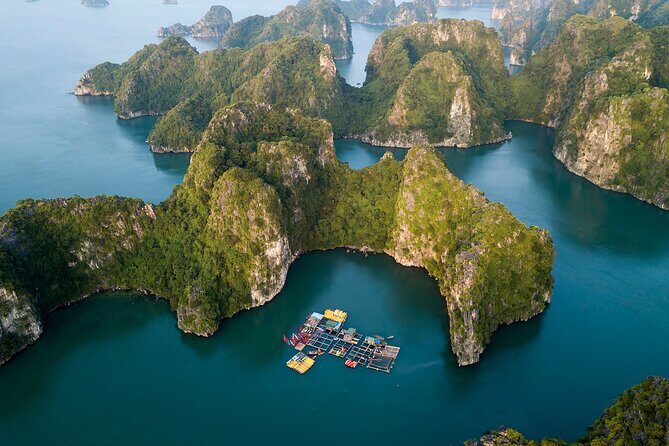
On Day 2, the tour shifts gears. You get picked up in Hanoi’s Old Quarter and travel toward Ha Long. You board at Tuan Chau port, then step onto the cruise with a welcome drink and time to check in before you settle into the bay.
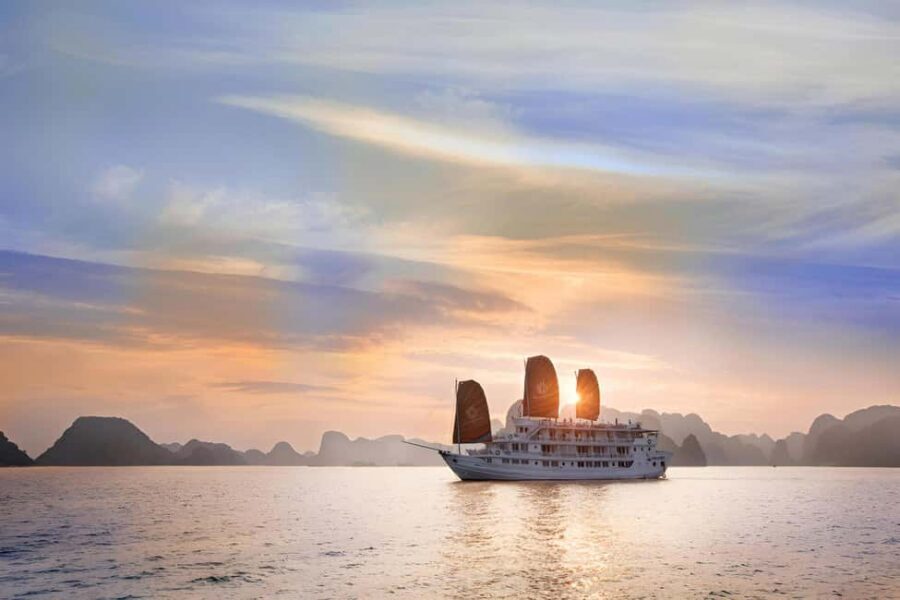
Day 3 is where Ha Long turns into the star. You wake early for a Tai Chi session on the sundeck and watch the sunrise over Lan Ha Bay, then eat breakfast and enjoy more bay scenery before returning to Hanoi later in the afternoon. If you like mornings that feel special, this timing is a real plus.
Ha Long Bay cruise: Tuan Chau boarding to Lan Ha Bay sunrise
This is not the kind of Ha Long day where you see it from a distance and call it done. You get a full overnight cruise experience, plus a morning routine that’s planned for early light.
The route on Day 2 includes stops and views connected to areas like Gia Luan, and islands such as Thoi Quyt, Ke Ga, and Finger—places you would likely struggle to coordinate yourself without extra research. On Day 3, the Tai Chi moment and sunrise focus add a calm rhythm that changes the whole feel of the trip.
The main consideration is simple: early starts and time on the water. If you’re sensitive to motion, you’ll want to think about your own comfort level ahead of time, because the itinerary does rely on being out on the bay early.
Hanoi highlights: Temple of Literature without the stress
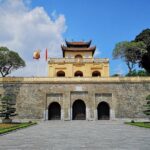
Back in Hanoi on Day 4, the tour includes a guided visit to the Temple of Literature, a UNESCO World Heritage Site. This is a good “starter UNESCO” stop: it’s historic, it’s central, and it’s easy to connect with Hanoi’s identity.
Then you transfer to the airport and fly to Da Nang. After landing, you’re taken to your Hoi An hotel. The practical value here is that you don’t waste hours bouncing between places by road when flights can save serious time.
Hoi An and My Son: market walking, covered bridge, and UNESCO temples
Hoi An starts on Day 5 with My Son Sanctuary in the morning. My Son is UNESCO, and the itinerary treats it as a morning focus—good timing because it’s one of the most structured parts of the day. From there, you head into Hoi An for a walking tour that includes the local market and a visit to the Japanese Covered Bridge.
Day 6 is slower on purpose. You get breakfast, then open time to roam the Old Town and enjoy it without being herded from stop to stop. That free day is part of the tour’s strength: it gives you space to find small streets, cafes, and viewpoints on your own.
One thing to consider in Hoi An: it’s a walking and photographing city. You’ll feel it in your legs if you don’t wear comfortable shoes and don’t pace yourself.


Ho Chi Minh City in two modes: classic sights plus Cu Chi
On Day 7, you fly from Hoi An to Ho Chi Minh City and then get the rest of the day to explore on your own. That’s a smart transition. After being on the water and in temples, it’s nice to arrive and reset with a self-guided evening.
Day 8 is a packed history and architecture day with named stops:
- Saigon Notre Dame Cathedral
- Saigon Central Post Office
- War Remnants Museum
Then lunch, followed by Cu Chi Tunnels in the afternoon.
This sequence works because it balances “big picture” history with very recognizable landmarks. The War Remnants Museum is emotionally heavy compared to some of the other stops, so I’d treat that as your mental anchor for the day, then switch to Cu Chi after to keep your brain from melting under the weight of information.
Mekong Delta: My Tho, Ben Tre, and the early floating market
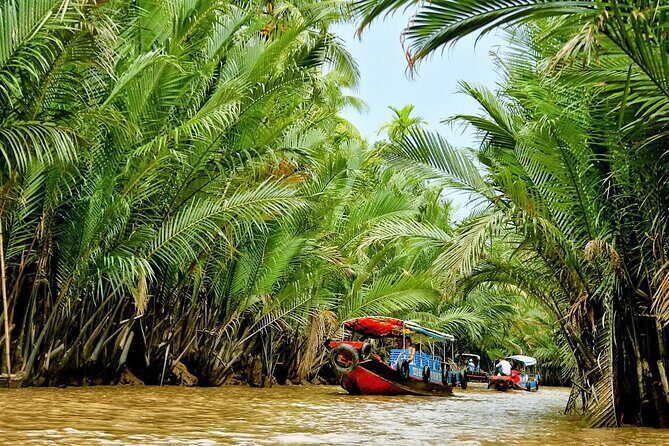
Day 9 takes you into the Mekong Delta with a structured route. You start at My Tho for a boat journey along waterways, then continue to Ben Tre for coconut groves and canal riding, including visits to local workshops. It’s the kind of day where you learn how the river shapes daily life—without requiring you to plan routes or hunt down boat operators.
Day 9 ends in Can Tho, which is a good base for a floating-market style morning.
Then comes Day 10: the Cai Rang Floating Market pickup happens around 6:30am. You’re out early because the market is at its busiest then, and the tour includes time to cruise through smaller canals. It’s a morning built for people who like motion and color—without needing to be an expert in boats to enjoy it.
Later, you return to Ho Chi Minh City for lunch and time back in the city. That back-and-forth is efficient, but it also means you’ll feel the day clock tightly. If you want slow travel, this part will feel busy.
Siem Reap arrival and the Angkor temple circuit
Day 11 flies you from Ho Chi Minh City to Siem Reap, and once you arrive, the rest of the day is leisure time. This helps you adjust before the temple days start.
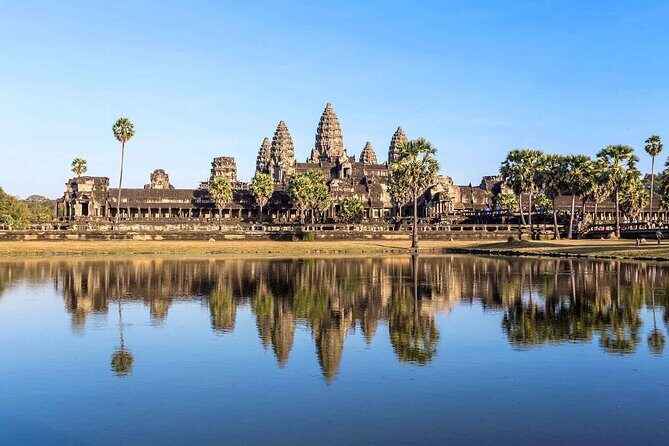
Day 12 is the main Angkor circuit. You visit Angkor Thom in the morning, then Ta Prohm, and finally Angkor Wat in the afternoon. The sequence matters: Angkor Thom sets the scale, Ta Prohm gives you the dramatic tree-filled temple look, and Angkor Wat lands as the iconic finale.
This is the kind of day where you’ll want to be strict with hydration and pace. Temple visits can turn into marathon walking days, especially if you stop for photos every five minutes (which, in Angkor, you will).
In the evening, the itinerary includes an included activity, though the exact detail isn’t spelled out in the information here. Still, you can expect a planned end to the day rather than total freedom.
Koh Ker and Beng Mealea: the quieter Khmer side of Angkor
Day 13 is a great counterbalance to the famous temple crowds. You leave Siem Reap at 8:00am and drive to Koh Ker, about 1.5 hours away, then explore the remote ruins and surrounding forest.
Koh Ker is described as heavily forested and largely deserted compared with the main Angkor area. That matters because it changes how you experience it. It feels less like a theme park and more like you stumbled into an old world that’s still waiting.
On the way back, you stop at Prasat Neang Khmaw and Prasat Pram, then have lunch near the Beng Mealea area. After that, you visit Beng Mealea, with a short walk through dense jungle around the overgrown temple ruins.
If you’re the type who likes history, but also likes breathing room, this day is one of the best “value-of-the-tour” moments.
Phuket setup: free time first, then a full Phi Phi island day
Day 14 flies you from Siem Reap to Phuket, and the rest of that day is leisure. This is another good reset day. You’ve been on temples and long mornings, and Phuket is the place where the schedule finally gives you room to slow down.
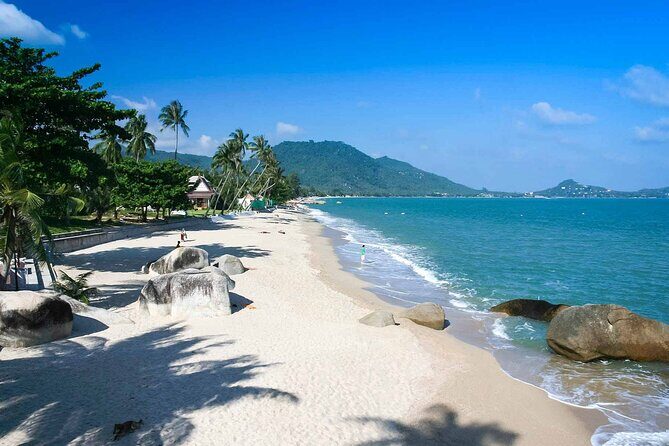
Day 15 is beach time. The itinerary keeps it simple: breakfast, relaxation, and enjoying Phuket’s shoreline at your own speed.
Day 16 is the big water day to Phi Phi. You transfer from your hotel to Royal Phuket Marina, head out, and arrive at Bamboo Island around 10:30am for beach time and snorkeling/swimming. Then there’s a lunch buffet at Phi Phi Don, and after lunch you explore Phi Phi Le: Viking Cave, Monkey Beach, and Pileh Lagoon. You return around 14:30.
This day is packed, but it’s also the kind of outing where you get a lot of variety without planning. Weather matters here, so if conditions aren’t great, island days can shift in real life. The tour does note that it requires good weather.
Days 17 and 18 keep the trip balanced again with more beach time and, on the final day, a transfer to the airport after breakfast.
Pacing and practical tips that keep the trip smooth
This itinerary is built for people who want to see major highlights with less navigation stress. You’ll do a lot of sightseeing through the week, but you also get built-in free time on multiple days.
Here’s what I’d plan around:
- Early starts on Ha Long and the floating market morning
- Several domestic flights (Hanoi → Da Nang, Hoi An → Ho Chi Minh City, Ho Chi Minh City → Siem Reap, Siem Reap → Phuket)
- Long temple walking in Siem Reap days
Weather is another factor. The trip explicitly requires good weather, which is especially relevant on water days like Phi Phi.
Pack for heat and walking: comfortable shoes, a hat, sunscreen, and swimwear for island time. For temples, you should plan on respectful clothing since you’ll be walking inside or around sacred sites.
And don’t forget the money piece: tips and drinks are on you. If you’re the kind of traveler who likes to tip well, set aside a budget so it doesn’t surprise you at the end.
Who this tour fits best (and who should think twice)
This is a great match for first-timers to Southeast Asia who want structure. You’ll also like it if you travel as a couple, with family, or in a small group and prefer that your transportation and guides are handled instead of arranged daily.
It’s less ideal if your travel style is slow, spontaneous, or heavily food-focused with lots of unplanned detours. The schedule is active, and even the free time days are still part of a tight route across three countries.
Also, if you hate early mornings, you’ll want to mentally prepare for Ha Long sunrise and the floating market timing.
Should you book this 2026-27 Vietnam, Cambodia, Thailand tour?
I’d book it if you want a single plan that connects the big names—Hanoi, Ha Long Bay, Hoi An, Ho Chi Minh City, the Mekong Delta, Angkor, and Phuket—with the heavy logistics handled for you. The price makes more sense when you realize it includes domestic flights, private-room lodging, entrance fees for the planned sights, and most meals.
I’d think twice if you want maximum downtime and hate moving days. In 18 days, you’ll experience the region’s highs, but you’ll also feel the travel rhythm.
If your goal is to see a lot without micromanaging, this route is built for that.
FAQ
How long is the tour, and which countries does it cover?
The tour is about 18 days and covers Vietnam, Cambodia, and Thailand, starting in Hanoi and ending in Phuket.
What’s included in the tour price?
The included items are domestic flights, entrance fees for the included sightseeing destinations, accommodation (private room), a tour guide, air-conditioned vehicle, and meals: breakfast every day (18), plus lunch (10) and dinner (2).
Are flights between cities included?
Yes. The itinerary includes domestic flights between major legs, including Hanoi to Da Nang, Hoi An to Ho Chi Minh City, Ho Chi Minh City to Siem Reap, and Siem Reap to Phuket.
How big is the group?
The maximum group size is 10 travelers.
Will there be free time in each city?
Yes. Several days include leisure time in Hanoi, Hoi An, Ho Chi Minh City, Siem Reap, and Phuket so you can explore on your own.
What isn’t included?
Tips, alcoholic drinks, soft drinks, and personal expenses are not included.