REVIEW · HANOI
15-Day Private Tour – Vietnam Discovery & Phu Quoc Beach Escape
Book on Viator →Operated by IZITOUR.com · Bookable on Viator
Vietnam finally clicked for me.
This 15-day private route stitches together Vietnam’s big contrasts: classic Hanoi, limestone scenery in Ninh Binh, a Ha Long Bay cruise with kayaking and cave time, old-town Hoi An, imperial Hue, the war stories and landmarks of Ho Chi Minh City, Mekong life, then a long wind-down on Phu Quoc. You also get the comfort of private transportation, pickup help, and a plan that moves from north to south without forcing you to guess what comes next.
Two things I like a lot are the built-in variety and the practical pacing. You’re not just ticking sights; you get hands-on moments like a cooking class and biking in Thuy Bieu, plus real water time via Tam Coc and Perfume River boats. I also appreciate the quality-of-life support that shows up in the feedback, with organizers (including Miss Yen Vy) and guides such as Phuong described as attentive and responsive, and guides noted for very good French.
One drawback to consider: the trip is full. Even with free days on Phu Quoc, you’ll spend many mornings and afternoons on the move, and some days include multiple stops that can feel like a lot if you like slow travel every single day. If you’re the type who gets tired easily from early starts and vehicle time, plan to keep your expectations flexible.
In This Review
- Key highlights worth your attention
- Hanoi Old Quarter to Water Puppets: the city’s easy first win
- Ninh Binh’s limestone days: Tam Coc and Bich Dong without the crowd feeling
- Ha Long Bay on a cruise: Pearl Farm kayaking and Sung Sot cave time
- Da Nang and Hoi An: the old town walk plus farming and family-run feel
- My Son sanctuary and the Hue transition via Hai Van Pass
- Hue’s imperial tombs and the Perfume River bike moment
- Ho Chi Minh City landmarks with real context: war museum plus Ben Thanh
- Mekong River rhythm in Cai Be: temples, canals, and slower time
- Cu Chi tunnels to Phu Quoc: history one day, beach pace the next
- Two free days on Phu Quoc: how to spend them well
- Price and value: what $2,290 covers and what you still budget
- Who this private Vietnam route fits best
- Should you book this Vietnam Discovery and Phu Quoc escape?
- FAQ
- What cities does the tour start from and focus on?
- Is this a private tour?
- What’s included in the Ha Long Bay part of the trip?
- Are there free days on Phu Quoc?
- What meals are included?
- Is the Cu Chi shooting range included?
- If I cancel, do I get a refund?
Key highlights worth your attention
- A true north-to-south “story” that links history, food, and water scenery, then ends with beach downtime.
- Ha Long Bay with hands-on time including Pearl Farm kayaking and a cave visit (Sung Sot).
- Hoi An beyond the postcard walk with Japanese Covered Bridge, assembly halls, and Tra Que village farming.
- Hue with multiple scales of sites from Thien Mu Pagoda to the Citadel, then Minh Mang and the Perfume River area.
- Mekong + canals experience in the Cai Be region, not only photos from the road.
- Phu Quoc left intentionally open for your preferred pace (snorkeling, boat trips, or just beach time).
Hanoi Old Quarter to Water Puppets: the city’s easy first win
Hanoi is a great place to start, because you land in a city built for wandering on foot. Day one centers on the Old Quarter, and the timing matters: after you arrive at Noi Bai Airport, you’re whisked toward the center so you can actually enjoy the evening energy, not just survive jet lag.
On day two, you get a smart mix of formal culture and lived-in streets. The Temple of Literature (from the Ly dynasty) is one of those places where you can feel how Vietnam values education and Confucian learning. Even if you don’t go deep on dates, walking the garden and grounds gives you a calm counterpoint to the city noise.
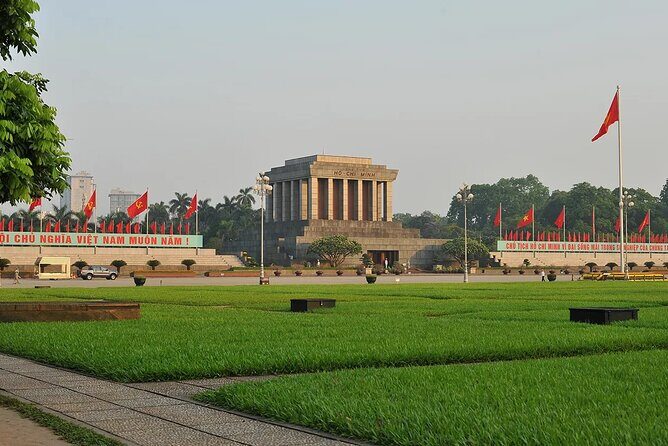
Then comes Hoa Lo Prison. It’s heavy material, but included museum time is a good way to understand why Hanoi’s history hits so hard. Right after that, the plan shifts to lighter walking: the French Quarter is described as a little Paris feel, with tree-lined boulevards and big squares. You also get outside viewing of Ho Chi Minh’s mausoleum area, which helps you frame the modern Vietnam story against the colonial-era city layout.
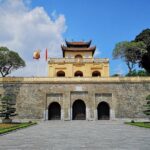
From there you move through temples and lake-side views: Quan Thanh Temple, Tran Quoc pagoda, and the classic Hanoi West Lake stroll. The Tran Quoc pagoda dates back to the sixth century, so it’s not a quick photo stop. It’s more about the sense of continuity—this is a city where old spiritual sites sit right inside daily life.
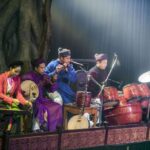
The day ends with the Thang Long Water Puppet show. This matters because it’s not just another museum. Water puppets are a unique performance tradition (first appearing in the 11th century), and it’s the kind of activity that makes “Vietnam” feel real fast, even if you’re still getting your bearings.
Practical tip: wear shoes that can handle uneven sidewalks and a bit of standing time. Hanoi evenings can be cooler than you expect, but you still walk a lot.
You can also read our reviews of more private tours in Hanoi
- Doris Cruise 5 star cruise 2 days visiting Halong Bay Lan Ha Bay private balcony
★ 5.0 · 2,338 reviews



Ninh Binh’s limestone days: Tam Coc and Bich Dong without the crowd feeling
After Hanoi, the route jumps to Ninh Binh, and this is where Vietnam changes texture. The region is known for limestone karsts, and the plan gives you a mix of religious sites and scenery that earns its reputation.
Hoa Lu Temple is the first stop. It connects you to earlier dynasties and gives context before the landscape takes over the day. If you only visited the scenery, you’d miss the “why” behind it. The temples help you see Ninh Binh as more than a postcard.
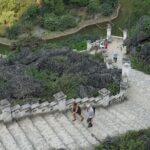
Next is Bich Dong Pagoda, with a walk that includes a stone bridge and steps. That’s a good time to slow down and enjoy the viewpoint rhythm rather than sprinting for photos.
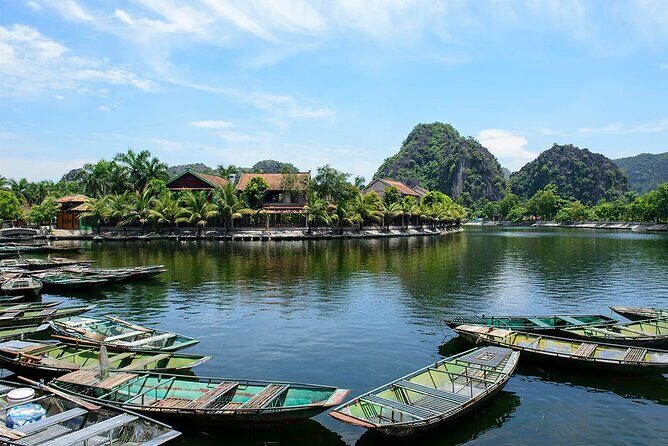
Then you land in Tam Coc – Bich Dộng. This is often described as Ha Long Bay on land, and the boat time is the reason. After lunch at a local restaurant, you take a private boat ride from the pier area. It’s the kind of experience where you stop thinking about schedules and start paying attention to the water and the karsts sliding past.
Practical tip: bring insect repellent and a light layer. Even when it’s not peak heat, the boat areas can get buggy.
Ha Long Bay on a cruise: Pearl Farm kayaking and Sung Sot cave time
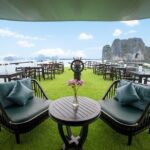
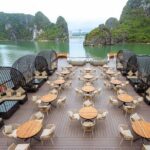
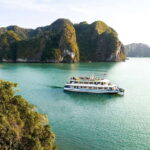
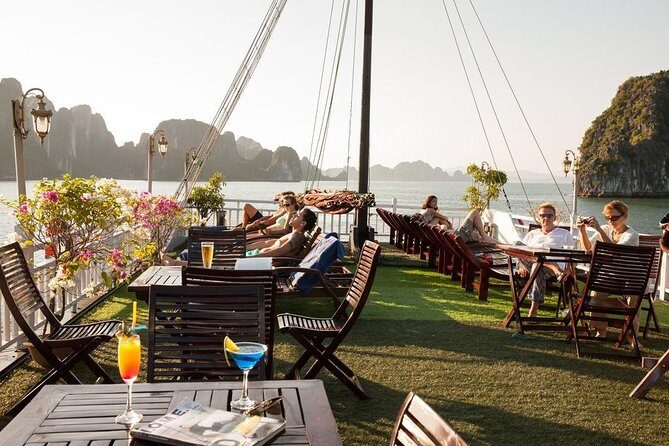
The Ha Long Bay portion feels like the classic “major Vietnam moment,” and the plan builds it with active elements instead of only sightseeing from a deck. You travel to Tuan Chau Island and then get on the Mila Cruise (2D1N). The shuttle bus from Hanoi to Tuan Chau is included, which is one less logistics puzzle.
Afternoon exploration includes a Pearl Farm stop. If you can handle being on the water earlier than you’d like, this is a win because it adds a real activity: kayaking and close-up views. It also gives you something to do that doesn’t depend entirely on luck with weather.
The cave visit is Sung Sot Cave, a major highlight. Caves can be tricky—crowds, heat, tight spaces—but they’re also one of the most memorable ways to see Ha Long’s geology in a human-scale setting.
Next morning starts early on day five with a Tai Chi session on the sundeck (about 6:15) and then breakfast. You can think of this as a reset moment. Even if you don’t do Tai Chi yourself, the routine helps you ease into the day without feeling rushed.
You then visit Ti Top Island and Titov Island, both linked to viewpoints and classic Ha Long photo angles. The timing is great for light and for cooler temperatures before the day warms up.
Practical tip: pack a hat and dry bag. Sea spray happens, and you’ll appreciate anything that keeps your phone and camera protected.
Da Nang and Hoi An: the old town walk plus farming and family-run feel
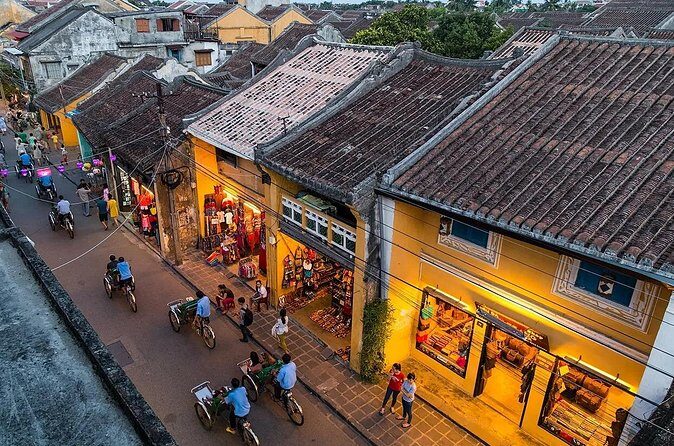
Da Nang acts like a bridge in the itinerary, but the real payoff is Hoi An. The plan gives you time in Hoi An’s historic core without just looping the same top spots.
Day six begins at Cam Pho, then moves to the Japanese Covered Bridge, Hoi An’s symbol. From there you visit the Quan Thang Ancient House—a stop that leans into local architecture and ornamentation rather than being only a landmark.
Then comes Phuc Kien (Fukian) Assembly Hall, built in the 17th century. If you want to understand Hoi An as a trading port, assembly halls are a great angle. They show how different communities organized themselves for worship, trade, and community life.
The most practical, enjoyable part of the Hoi An day is Tra Que Vegetable Village. You learn about aromatic herbs like mint and basil, and then there’s an activity tied to village life. It’s the kind of stop that makes food feel personal, especially later when you cook.
Also: the itinerary includes a cooking class in the overall package, which pairs perfectly with your herb and market learning. If you like eating as a form of understanding, this is one of the best value add-ons on the whole trip.
Practical tip: Hoi An streets are easy to walk, but dress for heat and sun. Bring water and plan to use shade when you can.
My Son sanctuary and the Hue transition via Hai Van Pass
From Hoi An, you head to My Son Sanctuary, tied to the Champa Kingdom. This is not just ruins-in-a-field. The setting and the sacred valley context matter, because My Son is about cultural continuity across centuries, not only dramatic stonework.
Then the route moves toward Hue, with stops that build the sense of geography. You start with the Da Nang Museum of Cham Sculpture, where you get Champa collections in a more focused setting than the open air sites. After that, you walk at My Khe Beach and continue by the sea.
The Hai Van Pass viewpoint stop is one of those “yes, you have to get out of the car” moments. You’re there for the ocean views and the sense of scale. Even if you’re not a huge scenic driver fan, the panorama helps you connect the dots between the coast and the imperial inland city.
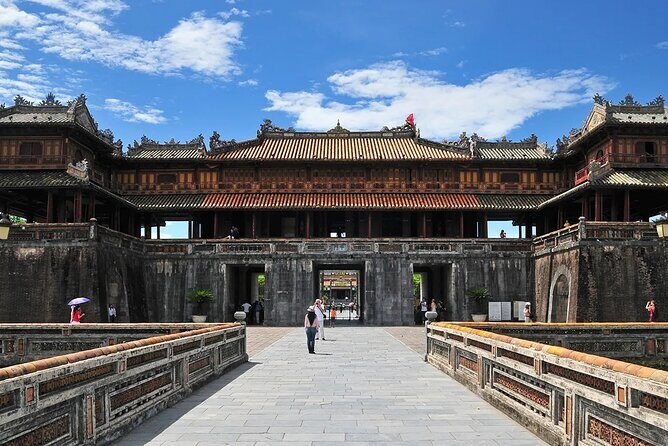
In Hue, the plan hits spiritual sites and then moves into imperial architecture. Thien Mu Pagoda (dating back to 1601) is a strong anchor because it’s a spiritual highlight with an octagonal tower and views. Then you go to the Hue Imperial City (Citadel), the key vestige tied to the imperial city.
Practical tip: Hue can feel humid. Keep something light and breathable, and expect that temple steps and long corridors mean more walking than you’d guess.

Hue’s imperial tombs and the Perfume River bike moment
Hue stretches the experience beyond the big Citadel site. Day nine brings you to the Mausoleum of Emperor Minh Mang, described as an architectural masterpiece that harmonizes with nature. Even without deep reading, the layout helps you understand imperial power as something designed into space.
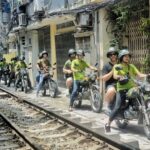
Then you take a boat along the Perfume River to Thuy Bieu Village. This is a good change of pace from foot travel and gives you a slower look at river life. You then spend time at Thuy Bieu, known for its grapefruit trees, including a biking loop around the village under the shade.
This is the kind of stop that’s easy to underestimate until you do it. Biking in a place like this isn’t just a fun extra; it makes you observe daily routines and how people live with the seasons.
Practical tip: ask your guide what to wear for the bike portion. If you’re prone to sunburn or bug bites, plan accordingly.
Ho Chi Minh City landmarks with real context: war museum plus Ben Thanh
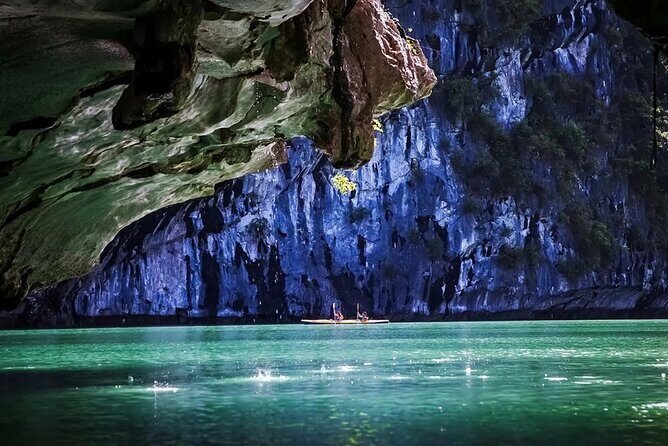
After Hue, the route shifts tone in a way that’s hard to miss. Ho Chi Minh City gets French-colonial architecture, major city institutions, and Vietnam War memory in one compact sequence.
Day ten starts with the Independence Palace, including viewing a North Vietnamese tank that attacked the palace. It’s not just history; it’s a timeline you can walk through.
Then you see Saigon Notre Dame Cathedral and the Saigon Central Post Office (with Gustave Eiffel’s design influence noted). These are some of the most photogenic pieces of the city, and the short walking sequence makes them easy to fit in without feeling rushed.
The tone becomes more serious with the War Remnants Museum. The plan includes that as afternoon time after lunch. If you don’t like heavy museums, you can still make it work, but try to go in with enough time to read the exhibits rather than only scan headlines.
Then the day ends at Ben Thanh Market. This is where you can turn the day into something practical: pick up small gifts, snack, and practice bargaining style at a place that’s been open since 1870.
Practical tip: carry small cash for market purchases and drinks. Prices vary fast depending on what you’re buying.
Mekong River rhythm in Cai Be: temples, canals, and slower time
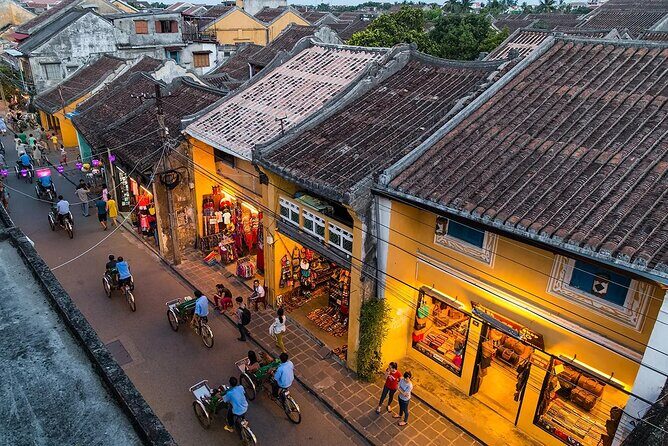
Mekong days are often sold as boat rides, but this one includes more structure. You transfer to Cai Be, and along the route you stop at a Cao Dai temple.
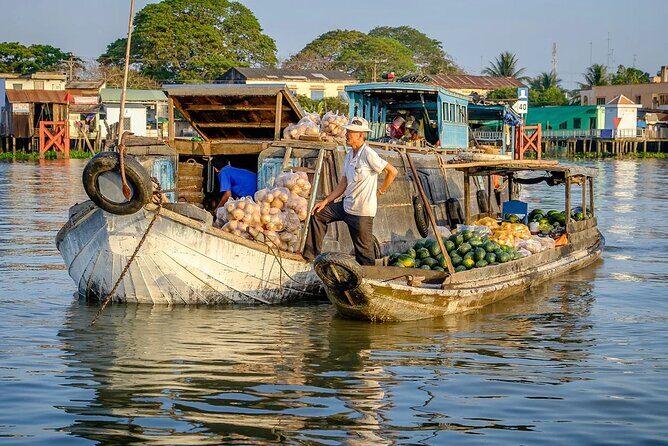
Once in the Cai Be area, you spend time experiencing daily life on the river, with canal navigation described as part of the day. Cai Be is a region where water is a road, and that’s exactly what you want on this part of the trip. If your goal is to understand how life connects to the river, this stop does the job.
Practical tip: keep your camera ready but also accept that you’ll be on boats. Some moments are best experienced with your eyes, not through a lens.
Cu Chi tunnels to Phu Quoc: history one day, beach pace the next
Day twelve is a pivot day. You visit the Cu Chi Tunnels, a large underground network connected to the Vietnam War. This kind of experience usually sticks with people because it’s tactile—tight spaces, survival design, and the scale of underground effort.
You also have an optional add-on mentioned in the plan: the Cu Chi shooting range. That option includes trying real gun firing under supervision. If that’s not your thing, you can treat Cu Chi as the main event and skip it.
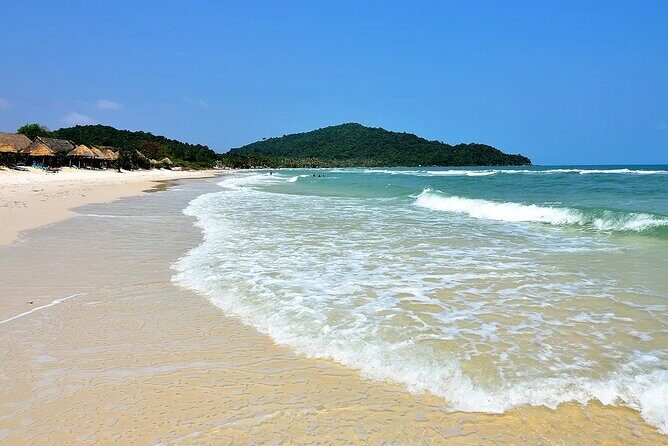
Then you continue to Phu Quoc Island. The next two days are built around free time, which is exactly what you need after the intensity of war history. You can choose snorkeling, sightseeing, or a boat trip, or just spend time on the beach. The itinerary’s strength here is restraint: it doesn’t fill every day with “one more thing.”
Practical tip: Phu Quoc is where you should slow your pace. It’s also where you’ll want sunscreen and shade breaks.
Two free days on Phu Quoc: how to spend them well
Days thirteen and fourteen are your blank canvas. That’s valuable because Phu Quoc is one of those places where you’ll have a better trip if you spend energy on what you actually want.
If you want water time, look at snorkeling and boat trips. If you’d rather decompress, beach time and casual exploration are a perfectly valid plan. Either way, you’ll be more comfortable having this freedom after a trip full of walking and transport.
Practical tip: choose one “active” outing and keep the other day lighter. It’s the easiest way to avoid feeling like you’re still on a tour schedule.
Price and value: what $2,290 covers and what you still budget
At $2,290 per person for 15 days, this isn’t a budget package. But it also isn’t pretending to be cheap. The value comes from what’s included: private transportation, a 2D1N cruise on Mila, domestic flight tickets, and multiple experiences that typically cost extra (like kayaking time and a cooking class). You also get a lot of meals covered: breakfast is included for 14 mornings, lunch appears for 8 days, and dinner is included.
Where you should budget extra is clear: international flights aren’t included, and tipping and personal expenses aren’t included. Also, some lunch breaks are described as on your own budget during city segments, so keep some cash or a card plan handy.
If you want convenience plus a packed route with fewer decision points, this price can make sense. If you travel best when you control everything day-by-day, you might prefer a less structured approach.
Who this private Vietnam route fits best
This tour works especially well for you if:
- You want a single plan that covers north-to-south highlights without switching providers every day.
- You like history with context, plus real food and water experiences.
- You’d rather pay for organization than spend vacation time figuring out transit.
It may be less ideal if:
- You want long, slow days with no schedule pressure.
- You dislike early starts, since days in Hanoi and on the Ha Long cruise can begin early.
The private nature also helps. It’s only your group, so you can move at the pace the guide sets for you, not for strangers.
Should you book this Vietnam Discovery and Phu Quoc escape?
I’d book it if your dream Vietnam trip looks like this: major landmarks, a real cruise experience, hands-on culture moments (cooking and biking), then a clean landing into beach freedom. The strong organization mentioned around support and attention to detail—plus French-speaking guide quality attributed to guides like Phuong—helps reduce the stress that often comes with big, moving itineraries.
I’d think twice if your priority is pure relaxation every day, because this route keeps momentum. Still, the Phu Quoc free days are a smart “pressure release valve,” and that’s a rare feature on long Vietnam tours.
FAQ
What cities does the tour start from and focus on?
The tour starts in Hanoi, then takes you through Ninh Binh, Ha Long Bay, Da Nang and Hoi An, Hue, Ho Chi Minh City, the Mekong area (Cai Be), and finally Phu Quoc.
Is this a private tour?
Yes. It’s listed as a private tour/activity, meaning only your group participates.
What’s included in the Ha Long Bay part of the trip?
You’ll have a cruise experience with Mila Cruise (2D1N), plus activities such as a Pearl Farm visit (including kayaking) and a visit to Sung Sot Cave.
Are there free days on Phu Quoc?
Yes. Days 13 and 14 are free time on Phu Quoc, with optional activities such as snorkeling, sightseeing, or a boat trip.
What meals are included?
Breakfast is included for 14 days, lunch for 8 days, and dinner is included. Some breaks in city days may involve lunch or drinks you pay for yourself.
Is the Cu Chi shooting range included?
The shooting range is described as an optional activity during the Cu Chi Tunnels day, so it’s not presented as mandatory.
If I cancel, do I get a refund?
No. The experience is non-refundable and cannot be changed for any reason. If you cancel or request an amendment, the amount paid is not refunded.
More Private Tours in Hanoi
- Doris Cruise 5 star cruise 2 days visiting Halong Bay Lan Ha Bay private balcony
★ 5.0 · 2,338 reviews


More Tours in Hanoi
- Ninh Binh Full-Day Tour from Hanoi to Hoa Lu, Tam Coc & Mua Cave Via Boat & Bike
★ 5.0 · 4,384 reviews