REVIEW · SAPA
Private Tour Experience from Sapa Town to Cat Cat Village
Book on Viator →Bookable on Viator
First time seeing Cat Cat Village is a real wake-up call. In about four hours, you go from Sapa to the Muong Hoa Valley and meet the Black H’Mong community right where they live—plus you get waterfall views and a look at old French-era power history at the same stop. You’ll walk in, not just get dropped off, and that matters because the route itself sets the mood.
I especially like the culture-focused moments: trying on colorful traditional outfits (there’s a small fee), watching the process of H’Mong hemp fabric, and learning daily-life details from the English-speaking guide. I also like the practical pacing: around 2 hours in Cat Cat Village, then a return walk that keeps the whole day from feeling rushed.
One thing to consider: Cat Cat isn’t a quiet “only rice fields” experience. It’s famous for village life and crafts (including a lot of brocade and shop areas), so if you’re craving long trekking scenes, you may feel it’s more tourism-friendly than nature-wild.
In This Review
- Quick hits before you go
- Cat Cat Village in plain terms: culture, crafts, and waterfall energy
- From Sapa Church to Cat Cat: the walk sets expectations fast
- Arrival at Cat Cat Village: what you do in the first two hours
- Try on traditional H’Mong clothes
- Watch the fabric process: H’Mong hemp making
- Look for the old hydroelectric power station
- Waterfall viewing and the waterfall show
- Photo and video spots that actually make sense
- Food stops and small extras: plan for the bits that cost more
- Price and value: what you’re paying for (and why it can be worth it)
- What’s not included (so there are no budget shocks)
- Choosing a guide: English flow and the “no upsell” feel
- Who this private Cat Cat tour is best for
- Practical tips so you enjoy it more
- Should you book this Sapa to Cat Cat private tour?
- FAQ
- What time does the tour start, and where do we meet?
- How long does it take to walk to Cat Cat Village?
- How long do we spend in Cat Cat Village?
- What’s included in the price?
- What additional costs should I expect?
- Is a taxi back to Sapa included?
- Is this tour weather-dependent?
Quick hits before you go
- Black H’Mong community at Cat Cat Village: you’re not just looking at people from far away; you’re part of the experience through activities and interaction.
- A walk through the Muong Hoa Valley: about 30–45 minutes each way with rice terraces and H’Mong villages along the route.
- H’Mong hemp fabric and traditional making: watch how the fabric process works instead of only buying finished items.
- Cat Cat Waterfall moments: the waterfall show runs at certain times, so timing can change what you catch.
- The old hydroelectric power station: you’ll see the power station that served as a source during the French colonial period.
- English guide + included admission: admission tickets and local snacks are part of the deal, which helps value.
Cat Cat Village in plain terms: culture, crafts, and waterfall energy
Cat Cat Village is one of Sapa’s most famous stops for a reason. It sits in the Muong Hoa Valley and is close to Sapa—so you don’t need a full-day trek to feel like you’ve left town. The big focus here is the Black H’Mong culture and the traditional practices you can actually observe and try.
The vibe is hands-on. You’ll see handmade brocade-style products and learn how local skills are turned into items people wear and trade. You’ll also visit places tied to the village’s past, including the old hydroelectric power station from the French colonial era—so the story isn’t only “cute souvenirs and photos.”
Now the honest bit: Cat Cat is also a craft-and-picture destination. There are sections that feel shop-heavy because visitors come specifically for clothing, fabric, and photo angles. That can be great if you want to engage with locals and buy directly. If you want “walk, breathe, and never see a shop,” you’ll need a different kind of Sapa day—more trekking-focused routes tend to fit that craving better.
From Sapa Church to Cat Cat: the walk sets expectations fast

You start around 8:30am from Sapa Church or from your hotel (pickup is offered). That early start is smart here. The morning light helps your photos, and you’re not fighting crowds as hard.
Then comes the part many people forget is part of the tour: the walk. It’s about 30–45 minutes to reach Cat Cat Village. Along the way, you’ll pass rice terraces and see H’Mong villages. This is your “how Sapa works” moment—steep slopes, small paths, and communities built into the hills.
Your guide will share how the H’Mong live and practice their traditions. Even when you’re just moving downhill or uphill, you’re not doing it in silence. It’s the kind of walking that turns into learning without feeling like a classroom.
Practical note: the village area is hilly. Expect steps and uneven footing at points. This isn’t extreme hiking, but it’s not a flat stroll either—so comfy shoes matter.
Arrival at Cat Cat Village: what you do in the first two hours

Once you arrive, you get about 2 hours in Cat Cat Village. This is where the tour becomes flexible in a good way: you can choose what to prioritize—culture, photos, fabric, food, or the waterfall.
Here are the main things you can expect:
Try on traditional H’Mong clothes
You can try different styles of colorful traditional H’Mong outfits. There’s a small fee for this activity. I like this option because you’re not just seeing clothing behind glass; you get to feel the weight, the fit, and the look up close.
It also helps you notice details you might miss when you’re just browsing stalls.
Watch the fabric process: H’Mong hemp making
One of the most valuable parts is seeing the process of making H’Mong hemp fabric. Buying a bracelet or scarf is fun, but watching how it’s made adds meaning to what you’re paying for.
If you’re into crafts, this is where you’ll get the “I understand what I’m buying” feeling. If you’re not into crafts, you can still enjoy it because it’s hands-on, visual, and tied to daily skills.
Look for the old hydroelectric power station
Cat Cat includes a stop at an old hydroelectric power station, described as a power source during the French colonial period. Seeing it in the village setting gives you context for how the area changed over time—people didn’t build traditions in isolation; they lived alongside outside influences too.
Waterfall viewing and the waterfall show
Cat Cat Waterfall is a highlight. You’ll see the stream of rushing water, and at certain times during the day, there’s a musical-style show performed by the waterfall area.
This part is timing-dependent. If the show matters to you, ask your guide when it runs before you spend time elsewhere. It’s the kind of detail that can make your photos and memories feel extra “specific,” not generic.
Photo and video spots that actually make sense
There are Instagram- and TikTok-friendly set-ups with natural backdrops and artful installations. I treat this as a bonus, not the point. When you pair it with fabric making and the hydro station, your photos feel like part of a story instead of a checklist.
Food stops and small extras: plan for the bits that cost more
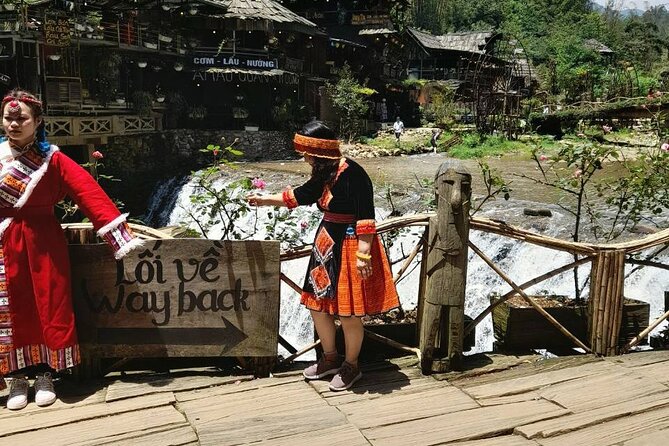
The tour includes local snacks, and you’ll have chances to taste local food once you’re in the village. What you don’t want to assume: the included snacks are not the same thing as a full meal.
At Cat Cat, you may find foods and drinks like buffalo meat, H’Mong smoked pork sausages, grilled egg, and sugarcane juice. You can sample what looks good, but treat meals and drinks as personal expense, since the tour price lists that category as not included.
Also, souvenirs aren’t included beyond what you choose to buy. Cat Cat Village is known for handmade products—bracelets, scarves, clothes, and more—so you’ll likely be tempted. If you want to shop, set a spending limit before you arrive. Otherwise you’ll negotiate with your own wallet mid-photo session.
Price and value: what you’re paying for (and why it can be worth it)

The price is $29 per person for a private tour lasting around 4 hours. That includes key value items: admission tickets to Cat Cat Village, local snacks, and an English tour guide.
For a short half-day, this adds up in the right ways:
- Admission is handled for you, so you don’t waste time figuring out tickets on the ground.
- You’re paying for guiding time in an area where context matters (Black H’Mong culture, hemp fabric making, the hydroelectric history).
- You’re also paying for a private experience, meaning the pace can fit your group instead of being stuck in a larger herd.
It’s also one reason this tour gets booked ahead. The typical booking window here is about 27 days in advance, which tells me people plan Sapa carefully and don’t like surprises.
What’s not included (so there are no budget shocks)
A few costs aren’t included:
- Personal expenses and tips
- Insurance and tax (standard exclusions)
- Holiday surcharge (if your date is a holiday)
- A taxi/car from Cat Cat Village to Sapa town costs $10 per private 4-seat car, one way
That last one matters for planning. The standard flow is walking back to your meeting point, but there’s an option to take a car if your group prefers less climbing. If you think your legs might revolt on the return, it’s worth budgeting for that $10 one way.
Choosing a guide: English flow and the “no upsell” feel
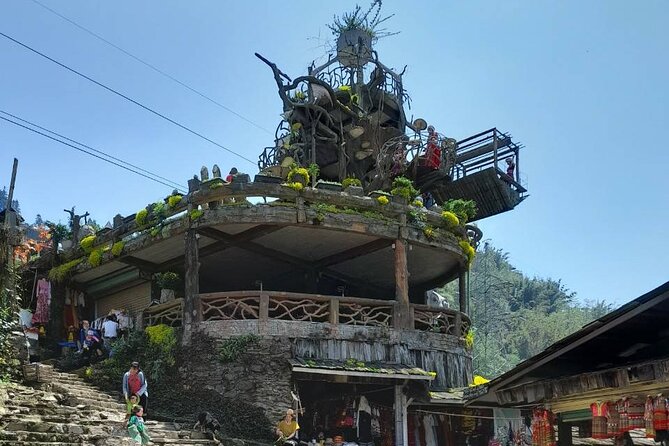
The tour runs with an English tour guide, and the experience quality can rise or fall with how that guide communicates.
From the guide names that show up repeatedly, Nhu and Sung are two that many people praise for being friendly and patient while sharing H’Mong culture and daily life details. More than that, there’s a strong theme of not trying to push purchases at you. That kind of guide makes craft shopping feel like a choice, not a trap.
If you can request anything during booking, I’d put this near the top of your list: ask for an English guide with a calm teaching style—especially if you care about understanding what you see instead of only snapping pictures.
Who this private Cat Cat tour is best for
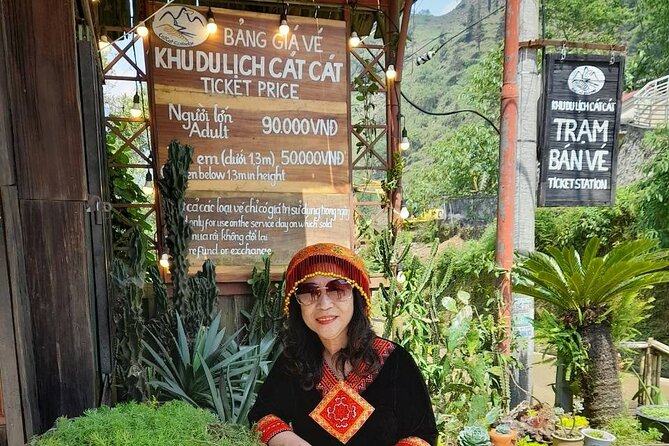
This is the kind of Sapa day that fits a wide range of travelers, with one clear condition: moderate physical fitness.
You’ll likely enjoy it most if:
- You want a short, cultural visit without a full trek day
- You like village visits where you can interact, ask questions, and see crafts
- Your group includes people who may not handle long hiking but can do a 30–45 minute walk each way
It’s also a solid option for families—just be ready for steps and uneven ground. Even if you don’t think you’re “a hiking person,” you’re still walking uphill/downhill on the path.
If your top goal is rice terraces plus long nature time, you might feel Cat Cat is too craft-forward. In that case, you’ll want a different route that’s more trekking-based.
Practical tips so you enjoy it more

- Wear grippy shoes. Expect steps and uneven areas.
- Bring cash. There are small paid add-ons like the traditional clothing try-on fee, plus you may want to pay for extra food or buy crafts.
- Ask about show timing. If the waterfall performance matters, plan your time around it.
- Keep your pace flexible. The private format is the point. If your group wants more photos, you can slow down without breaking the whole schedule.
- Have realistic expectations. Cat Cat is famous because it’s accessible and culturally focused, but it’s still a popular destination.
Should you book this Sapa to Cat Cat private tour?
I’d book it if you want a simple, guided cultural afternoon that includes the big Cat Cat ingredients: Black H’Mong community life, hemp fabric making, a look at the hydroelectric power station, and waterfall views—with admission and English guidance handled.
Skip it or change your plan if you want a quiet, nature-only day with lots of rice-terrace trekking time. Cat Cat is about people, crafts, and village scenes, and it leans into that strongly.
If you’re short on time in Sapa and you want your day to feel meaningful without draining your whole week’s energy, this one is a smart choice. Just go in ready to walk, ready to learn, and ready to say yes to the parts that feel hands-on.
FAQ
What time does the tour start, and where do we meet?
The tour starts at 8:30am from Sapa Church or from your hotel (pickup is offered).
How long does it take to walk to Cat Cat Village?
You’ll walk about 30–45 minutes to reach Cat Cat Village.
How long do we spend in Cat Cat Village?
You spend about 2 hours in Cat Cat Village before walking back.
What’s included in the price?
The price includes admission tickets to Cat Cat Village, local snacks, and an English tour guide.
What additional costs should I expect?
You may have extra costs for personal expenses and meals, and there’s a small fee if you want to try on traditional H’Mong clothes. Souvenirs are also typically personal purchases.
Is a taxi back to Sapa included?
No. A taxi/car from Cat Cat Village to Sapa town costs $10 per private 4-seat car, one way, and it’s not included in the tour price.
Is this tour weather-dependent?
Yes. It requires good weather. If it’s canceled due to poor weather, you’ll be offered a different date or a full refund. You can cancel for a full refund up to 24 hours in advance.