REVIEW · HUE VIETNAM
Hue: Royal Tombs & Imperial City Tour by Private Car
Book on GetYourGuide →Operated by Huế Tours and Transfers Company · Bookable on GetYourGuide
Hue can feel big and spread out. This tour is a tidy way to hit the best stops without wasting your day in traffic.
I like the private-car setup because it gives you control over timing, and it keeps things comfortable in Hue’s heat. I also love the mix of sights: Nguyen royal tombs (with very different styles) plus Hue’s major historic core, so you get variety instead of repeating the same kind of architecture.
One drawback to plan around: entrance fees and meals aren’t included, so your total day cost will depend on how many sites you pick and whether you’ll grab lunch on your own.
In This Review
- Key highlights you’ll feel right away
- Why a private car makes Hue feel manageable
- Picking the right mix of royal tombs (2 to 8 hours, your call)
- Khai Dinh Tomb: where Eastern and Western meet
- Minh Mang Tomb and Tu Duc: tradition, romance, and design
- Tu Hieu Pagoda: a Zen root pagoda for quiet time
- Thien Mu Pagoda: Hue’s most recognizable spiritual landmark
- Hue Citadel (UNESCO): the royal palaces of the Nguyễn emperors
- Thủy Tiên Lake abandoned water park: strange, quiet, and a little eerie
- Hue Incense Village: make incense with friendly artisans
- Đông Ba Market: souvenirs, local life, and the bell tower
- Transport, timing, and what’s actually included
- Who this tour is best for (and who should skip it)
- Should you book the Hue Royal Tombs & Imperial City Tour by Private Car?
- FAQ
- How long is the Hue Royal Tombs & Imperial City Tour by private car?
- What’s included in the price?
- Are entrance fees and meals included?
- Where does the tour start and end?
- Does this tour offer flexibility in what you visit?
- Is the tour suitable for wheelchair users?
Key highlights you’ll feel right away
- English-speaking driver who can explain what you’re seeing while you move between sites
- Choose your stops from top Hue icons like Khai Dinh Tomb, Minh Mang Tomb, Tu Duc, Tu Hieu Pagoda, and the Hue Citadel
- UNESCO Hue Citadel visit gives context for the Nguyễn emperors’ royal city
- Thien Mu Pagoda is built into the idea of the day, so you get a key spiritual landmark too
- Optional detours include Hue Incense Village, Dong Ba Market, and Thủy Tiên Lake
Why a private car makes Hue feel manageable
Hue’s main sights are beautiful, but they’re not all next door. This tour solves the “where do I go first?” headache by putting an English-speaking driver behind the wheel and handling hotel pickup and drop-off.
The best value here is how flexible the day can be. You’re not locked into one fixed route forever—you can select which of the top destinations you want to prioritize, and the trip can run from about 2 hours up to a full 8 hours depending on your choices.
This setup also helps if you’re traveling with energy levels that vary. Want a slower morning and a longer tomb visit? You can aim for that. Want a tighter checklist and earlier rest? That works too.
Picking the right mix of royal tombs (2 to 8 hours, your call)
The tour is designed as an “all killers, no filler” style day, built around a menu of major stops. Your options include Khai Dinh, Minh Mang, Tu Duc, Tu Hieu Pagoda, Hue Citadel, Thủy Tiên Lake (the abandoned water park area), Hue Incense Village, and Đông Ba Market.
What I like about choosing your own mix is that the tombs aren’t all the same. Each emperor’s tomb reflects a different taste and mindset, so picking more than one helps you see how Hue’s royal design language changes over time.
If you want a smart plan, pair one dramatic tomb with one reflective stop. For example, add Khai Dinh for visual drama, then balance it with a quieter pagoda like Tu Hieu.
Khai Dinh Tomb: where Eastern and Western meet
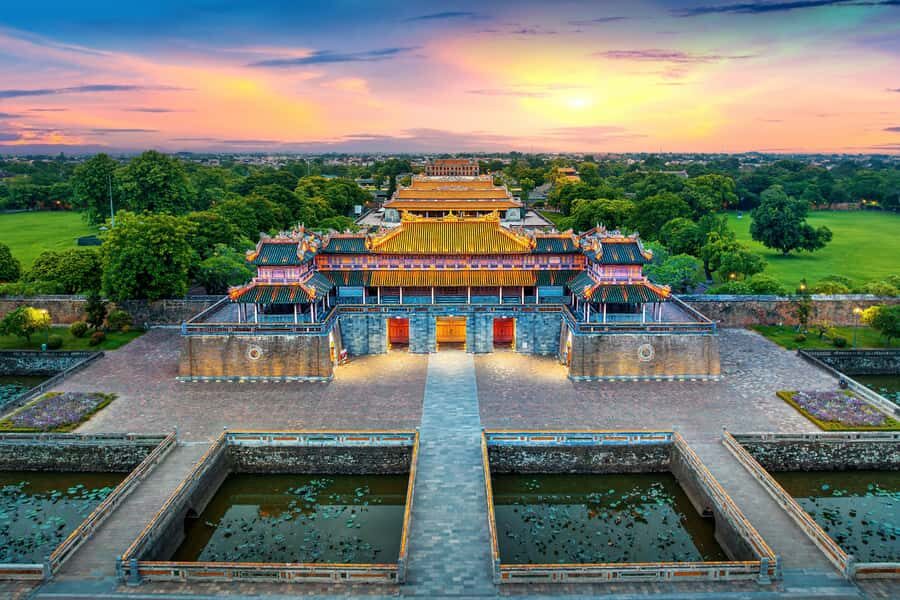
Khai Dinh Tomb is the kind of place you understand from looking—its design is described as a fusion of Eastern and Western architectural styles. That blend makes it easier to stay engaged even if you’re not the type to read every sign.
You’ll also notice the tomb’s emphasis on impressive artwork and decorations. This is one of those stops where you’ll likely want extra minutes just to slow down and watch the details.
Plan for sun and time. Tombs usually mean standing and walking in open areas, so bring your sun hat and sunscreen and keep water in mind (mineral water is included, but additional drinks aren’t provided).
Minh Mang Tomb and Tu Duc: tradition, romance, and design
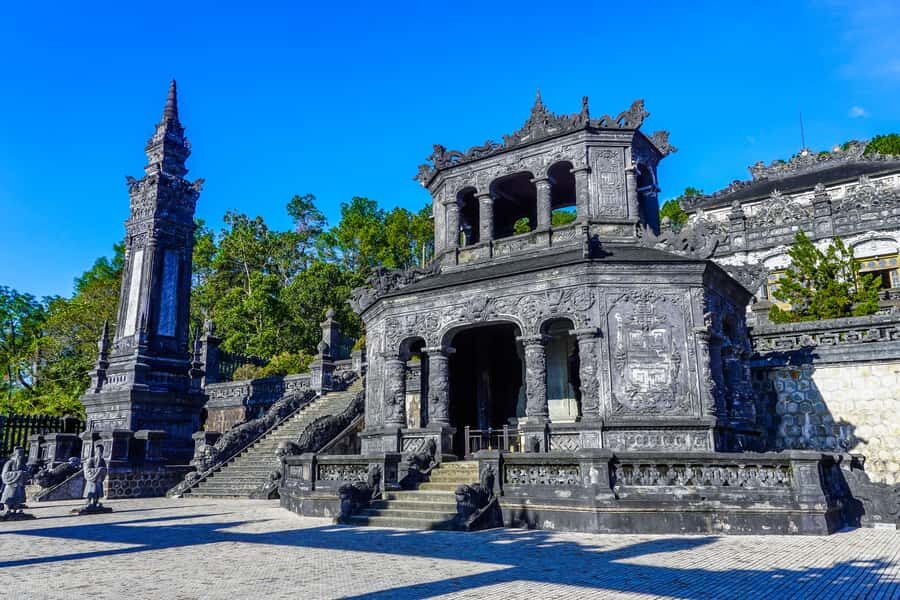
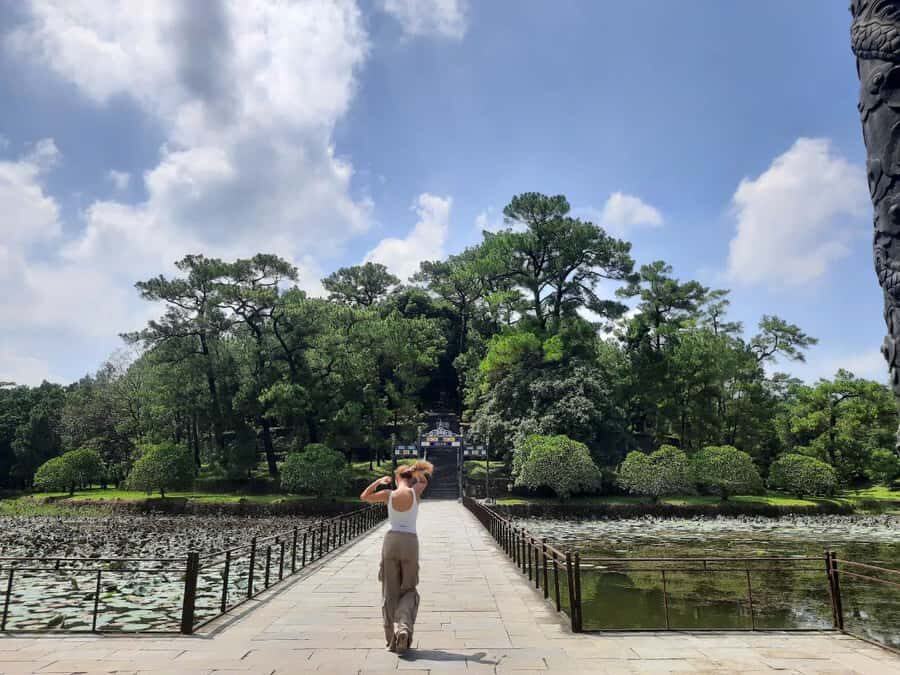
Minh Mang Tomb is often the “design lovers” choice. It’s known for a classical design style and for blending into the surrounding environment in a way that feels intentional rather than forced.
Tu Duc Tomb has a different personality. It’s said to reflect the profound knowledge and romance of the king’s characteristics. Translation: don’t just treat this as a photo stop. Give yourself time to notice how the space is shaped around the idea of reflection.
If you’re choosing between Minh Mang and Tu Duc, think about what kind of mood you want. Minh Mang tends to feel formal and grounded. Tu Duc feels more personal—like you’re walking through someone’s idea of how a royal life should slow down.
Tu Hieu Pagoda: a Zen root pagoda for quiet time
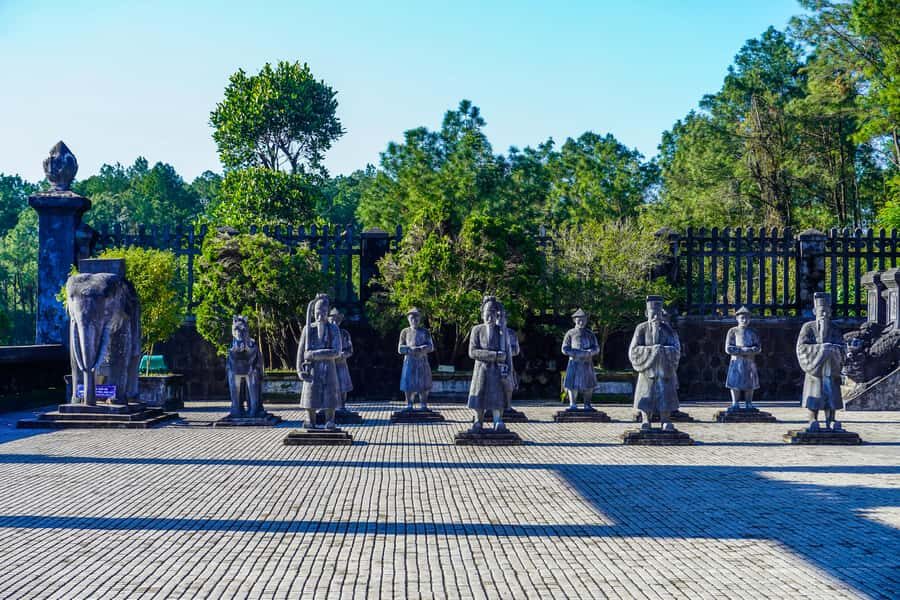
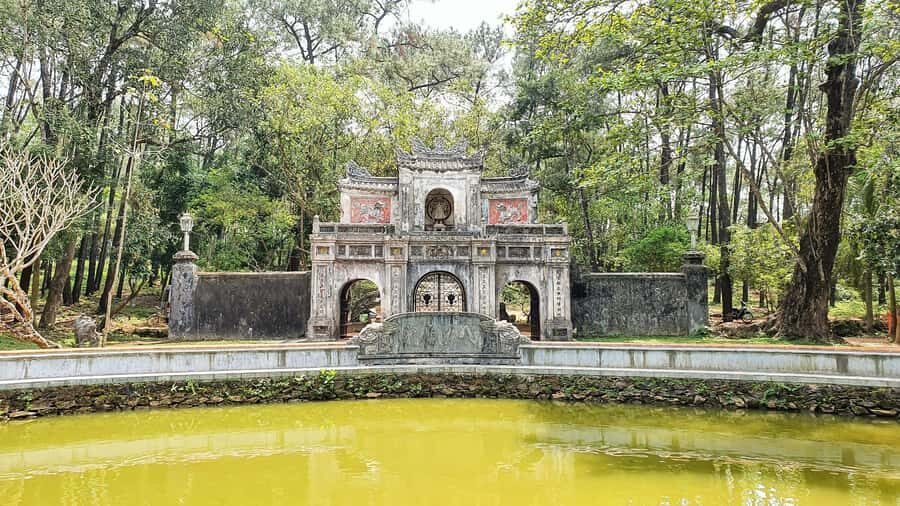
Tu Hieu Pagoda is tied to Zen master Thích Nhất Hạnh and is known as a famous root pagoda. That connection matters because it gives the site extra meaning beyond scenery.
This is also a place you can use like a reset button. Even if you’re not doing anything formal, the idea here is a serene haven away from the pace of the day—plus a chance to learn meditation if you want to.
This stop fits well if you’ve been walking tombs and want a calmer rhythm. It’s also a strong choice if you’re traveling with anyone who enjoys spiritual sites but doesn’t want an all-day museum crawl.
Thien Mu Pagoda: Hue’s most recognizable spiritual landmark
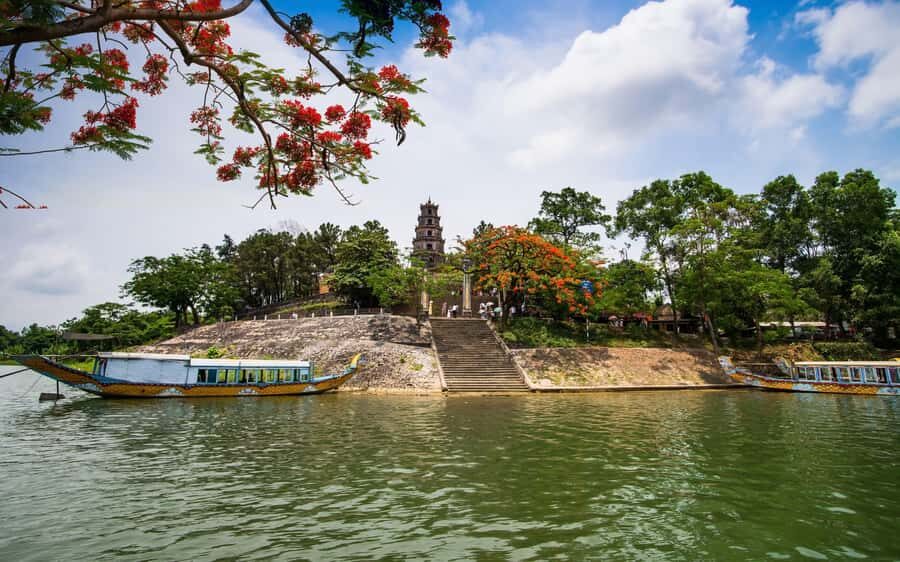
The tour highlights the iconic Thien Mu Pagoda, and it’s easy to see why. This is one of Hue’s signature images, and it anchors the day with a spiritual site that feels distinctly Hue.
Even without going deep into background reading, Thien Mu gives you a sense of place. It’s a landmark you can orient yourself around as you move through the city’s historical zones.
If you plan to visit Thien Mu, aim for a time when light is steady. Morning or late afternoon usually makes photos easier, and you’ll likely enjoy the atmosphere more when the day isn’t at its hottest.
Hue Citadel (UNESCO): the royal palaces of the Nguyễn emperors
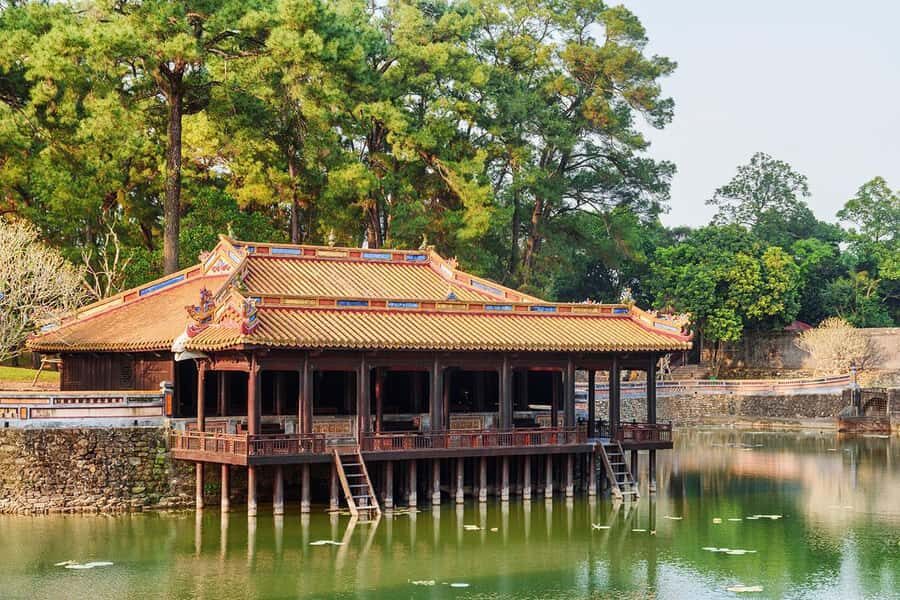
Hue Citadel is UNESCO-listed and part of the Complex of Hue Monuments. It’s where you explore the royal palaces of 13 Nguyễn dynasty kings, so it’s one stop that quickly expands your understanding of why Hue matters.
What makes Hue Citadel valuable on a short tour is scale of context. You’re not just seeing one tomb or one building—you’re seeing the royal-city framework that shaped how power and daily life were organized.
This is also a good “anchor stop” in your itinerary. If you’re doing only a couple of things, pair Hue Citadel with a tomb. The Citadel gives structure; the tombs give personality.
Wear comfortable shoes. Citadel areas often mean a lot of walking, and you’ll want your feet to feel good for the whole circuit.
Thủy Tiên Lake abandoned water park: strange, quiet, and a little eerie
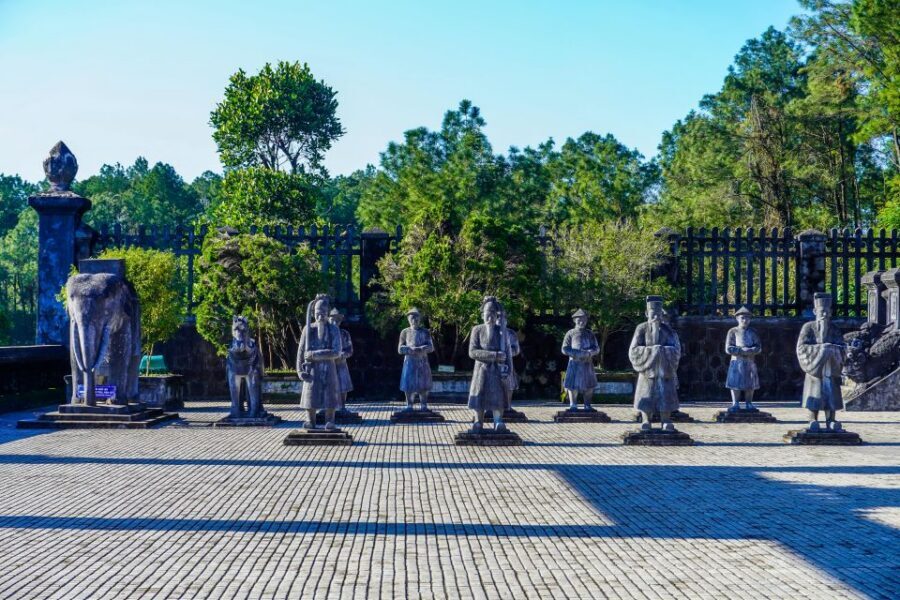
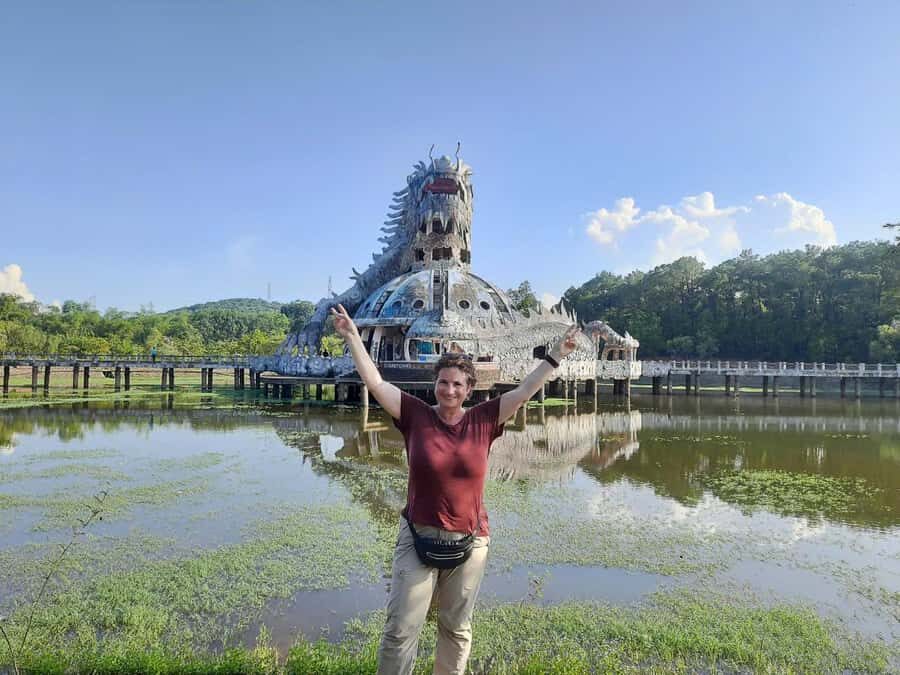
Thủy Tiên Lake is described as an abandoned water park, and it has a reputation for a magical and mysterious beauty. This is the type of stop that breaks up the royal-themed schedule with something more surreal.
Do this if you like offbeat places and the atmosphere of change over time. It’s not a “must” for everyone, but it’s a memorable detour if your day feels too similar.
Because it’s an abandoned setting, expect areas that feel less maintained. Stay aware of uneven ground and wear shoes with grip, especially in wetter weather.
Hue Incense Village: make incense with friendly artisans
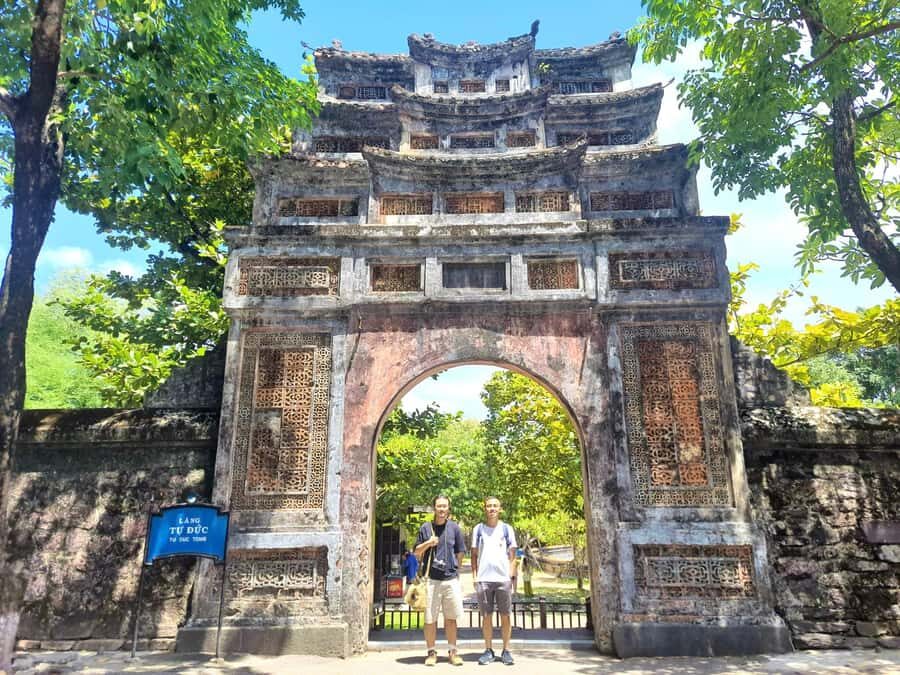
Hue Incense Village is famous for incense-making for more than 700 years. The visual side is strong too—brightly colored incense bouquets are a huge part of why people come.
A practical reason to add this stop: it’s not only watching. You can learn how to make incense with the artisans, and the artisans are described as very friendly and approachable.
This is also a great gift-shopping moment, but buy with your eyes open. Incense makes a wonderful souvenir, but you’ll want to pack it carefully so it doesn’t get crushed.
If your tour includes both a market and incense village, you’ll cover food-and-lifestyle shopping plus a craft experience. That’s a smart combo.
Đông Ba Market: souvenirs, local life, and the bell tower
Đông Ba Market is a vibrant hub where you can shop for Vietnamese cultural items and unique souvenirs. It’s expansive and organized across nine interconnected buildings, which makes it feel like a small city inside Hue.
One landmark detail is the old bell tower, which helps you find your bearings fast. If you’re the type who likes browsing without rushing, this kind of market stop works well because you can walk at your own pace.
If you’re short on time, come with a simple target list: pick up a few small gifts, then decide if you want to go deeper. Markets can eat minutes quickly, so a quick plan keeps the day from slipping away.
Transport, timing, and what’s actually included
This tour includes hotel pickup and drop-off in Hue, plus transfer by private car. You get an English-speaking driver, mineral water, and local insurance.
Entrance fees and meals aren’t included. That’s important for budgeting, especially if you select multiple tombs and big historic areas that typically have ticket costs.
Duration is flexible based on your chosen destinations. The idea is simple: choose the mix that matches how much walking and exploring you want.
One more practical note: additional drinks won’t be provided beyond the mineral water, so plan your own water refills or bring something small if you run through liquids quickly.
Who this tour is best for (and who should skip it)
This is a strong fit if you want a structured Hue day without locking yourself into one route. It works well for couples, friends, and solo travelers who prefer an English-speaking driver and don’t want to figure out transport between distant stops.
It’s also good if you like history but get restless with long, lecture-heavy museum pacing. The stops are varied enough that you can switch moods: tombs, a pagoda, a UNESCO royal complex, and optional quirky extras like Thủy Tiên Lake.
If you need a wheelchair-friendly route, this option isn’t suitable for wheelchair users based on the information provided.
Should you book the Hue Royal Tombs & Imperial City Tour by Private Car?
I’d book it if your priority is smart routing plus flexibility. For about $10 per person, you’re buying a private-car day with an English-speaking driver and hotel pickup/drop-off, which is often what makes independent exploring feel painless in Hue.
Choose it especially if you want a mix of tombs and UNESCO Hue Citadel, then add one lifestyle stop like Đông Ba Market or a craft experience like Hue Incense Village.
Skip it or reconsider if you want meals included, or if you’re trying to minimize extra costs from entrance fees. Your total spend will depend on how many of the major stops you pick, so plan for that from the start.
FAQ
How long is the Hue Royal Tombs & Imperial City Tour by private car?
The duration ranges from 2 to 8 hours, depending on the destinations and option you select.
What’s included in the price?
It includes transfer by private car, an English-speaking driver, mineral water, and hotel pickup and drop-off, plus local insurance.
Are entrance fees and meals included?
No. Entrance fees and meals are not included.
Where does the tour start and end?
The driver picks you up at the hotel reception lobby and returns you to Hue at the end of the tour.
Does this tour offer flexibility in what you visit?
Yes. There are multiple destination options. You select the option that matches how many places you want to visit, and you can message the locations you want to arrange.
Is the tour suitable for wheelchair users?
No, this activity is not suitable for wheelchair users.