Hanoi can feel like a whirlwind. This private half-day tour gives you structure fast, from Ho Chi Minh’s mausoleum to the story behind Train Street. You’ll hit famous places like the Temple of Literature and Hoan Kiem Lake, plus you’ll get a guide who can steer the day based on what you care about, even if one stop doesn’t cooperate.
I especially like how the itinerary mixes Vietnam’s modern history, old academia, French colonial architecture, and street-level everyday life. And I like that you get hotel pickup and drop-off in the Old Quarter with air-conditioned transport—so you spend less time navigating and more time looking around.
One drawback to consider: this day is packed, and the Ho Chi Minh Mausoleum has a strict dress code (shorts must be knee-length) and can be affected by closures depending on timing.
In This Review
- Key highlights you’ll actually care about
- How this private half-day tour works in real life
- Ba Dinh Square and Ho Chi Minh Mausoleum: powerful, rule-based, and worth timing
- Temple of Literature: where Vietnamese scholarship still has a pulse
- Dong Xuan Market since 1889: loud, practical, and very “Hanoi”
- St. Joseph’s Cathedral and French-era Hanoi: a visual contrast day
- Hanoi Train Street: the highlight you’ll talk about later
- Hoan Kiem Lake: Hanoi’s center, symbol, and easy people-watching
- Hanoi Opera House: French grandness in an everyday city
- Old Quarter Ta Hien Corner: the day lands where the energy lives
- Guides that make the half-day feel personal
- What this costs ($67) and why it can be good value
- Who should book this tour
- Should you book this Hanoi half-day highlights tour?
- FAQ
- Is this tour private?
- Where does pickup and drop-off happen?
- What are the main stops on the route?
- Do I need to pay for entry tickets?
- Are meals included?
- What should I wear for the mausoleum?
Key highlights you’ll actually care about
- Uncle Ho’s final resting place at Ba Dinh Square, with time for the glass case viewing rules you’ll need to follow
- Temple of Literature (built in 1070) and still one of Hanoi’s best-preserved examples of traditional scholarship architecture
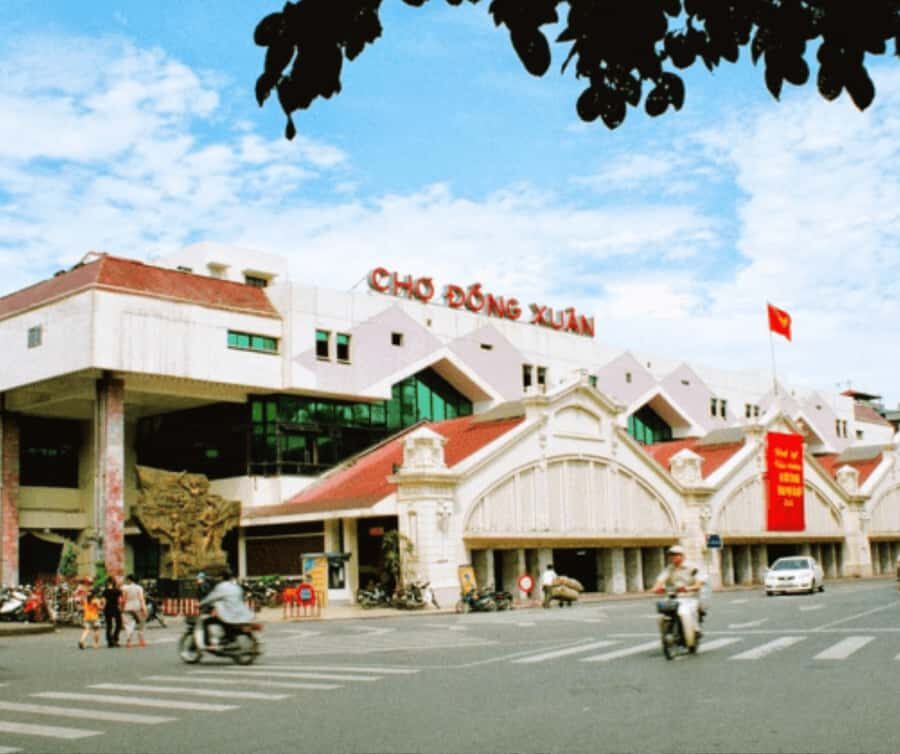
- Dong Xuan Market (since 1889) for a high-energy look at fabrics, clothing, handicrafts, street food, and wholesale trade
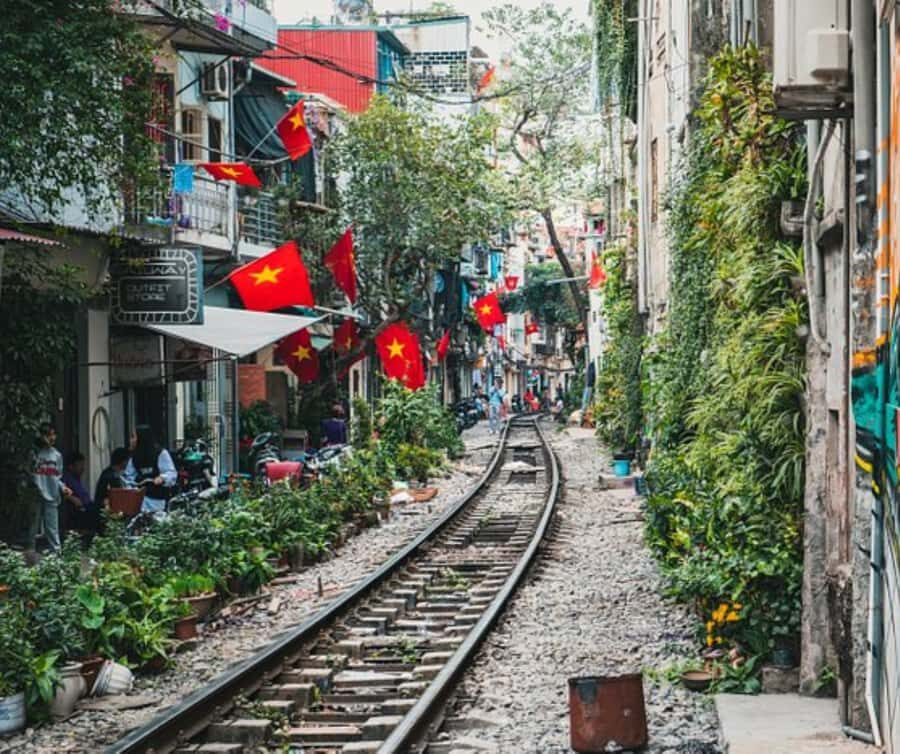
- Hanoi Train Street where the rail line runs through the old town streets—perfect for photos and people-watching
- Hoan Kiem Lake and St. Joseph’s Cathedral, pairing Hanoi’s symbolic center with a French neo-gothic landmark
- Private, flexible pacing with guides like Lucas, Duy, Duc, Tuong, Harry, Tony, and Jill adapting the plan when needed
How this private half-day tour works in real life
This is a private tour for just your group, which matters more than people think in Hanoi. You’re not trying to herd yourself through streets with other groups, and your guide can shape the day around your pace. On a half-day schedule, that flexibility is the difference between feeling rushed and feeling like you got your bearings.
You start with hotel pickup (a big plus if your hotel is in or near Hanoi’s Old Quarter) and ride around in an air-conditioned vehicle. You’ll also get an English-speaking guide, plus entry tickets and a bottle of water included. That’s the practical side.
The cultural side is the variety. You’re moving between political history (Ho Chi Minh’s mausoleum area), classical education (Temple of Literature), commerce (Dong Xuan Market), French-era architecture (St. Joseph’s Cathedral and the Opera House), and daily life (Train Street and the Old Quarter streets around Ta Hien Corner). If you only have a day to get your eyes organized, this route does it.
You can also read our reviews of more city tours in Hanoi



Ba Dinh Square and Ho Chi Minh Mausoleum: powerful, rule-based, and worth timing
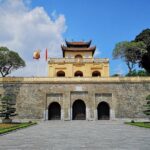
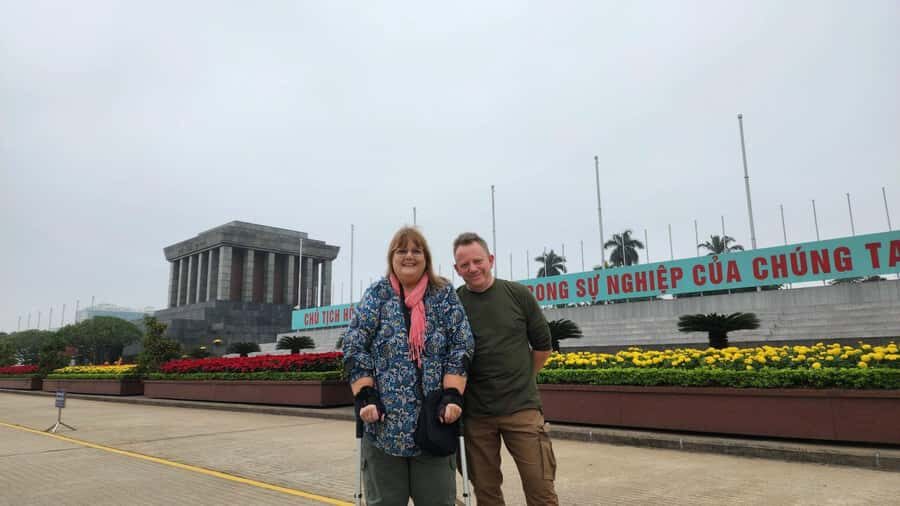
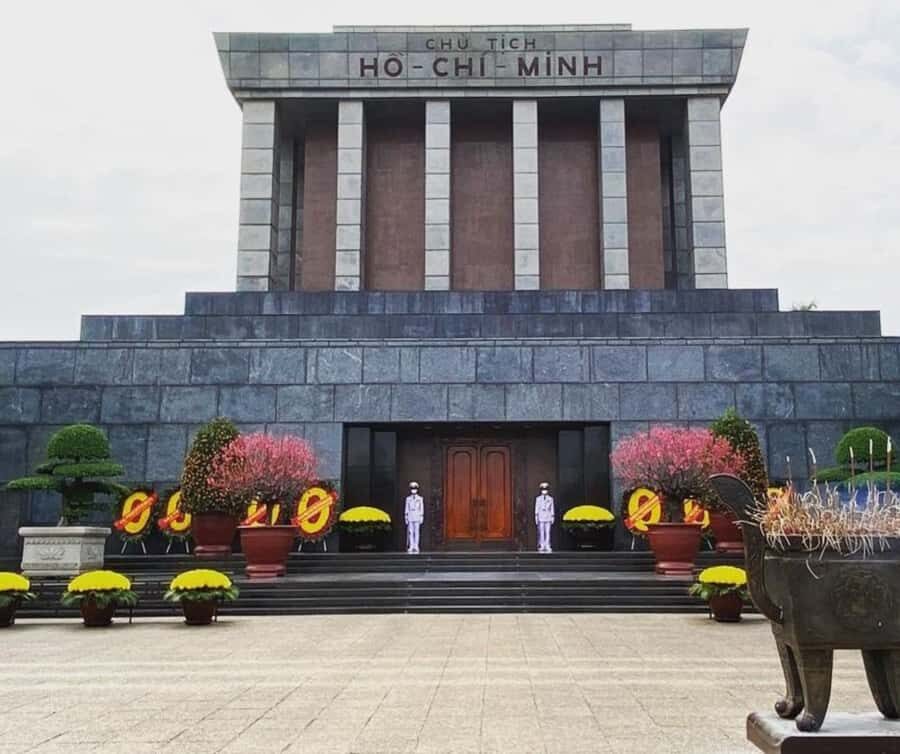
Your day begins at Ba Dinh Square, where you’ll visit the Ho Chi Minh Mausoleum. It’s Vietnam’s key political landmark, and the emotional weight is hard to miss once you’re there. You’ll see Uncle Ho’s body preserved in a glass case, presented as being against his wishes, which adds a layer beyond the obvious symbolism.
Here’s the important part for your comfort and timing: you must dress modestly for the mausoleum. The specific rule given is that shorts must be knee-length. That’s not negotiable for most visits, so bring a plan—light trousers or long shorts save headaches.
Also, be mentally prepared for the real-world factor: this is one of those sites where closures or schedule changes can happen. In practice, the tour can adjust if the mausoleum isn’t available on your day. One guide in the mix (Lucas) was praised specifically for adapting when the mausoleum was closed, so you’ll likely get an alternate approach rather than a wasted morning.
Temple of Literature: where Vietnamese scholarship still has a pulse

Next up is the Temple of Literature, often considered one of Hanoi’s most photogenic historical stops. The original complex dates to 1070, built as a university dedicated to Confucius and Vietnamese scholars and sages. Even without a long lecture, you’ll feel why it’s so well-regarded: the site is extremely well preserved, and the traditional architecture gives you a calm contrast to the traffic outside.
What I like about this stop on a half-day itinerary is how it slows the pace. You get a break from street noise and big-city motion. And because you’ll likely have an English-speaking guide, you’re not left just looking at stones and wondering what you’re seeing.
Potential drawback: Temple of Literature can be a bit of a time-sink if you love taking photos and reading every plaque. The best move is to focus your attention. Look for the main structures, take a few grounding photos, then let your guide point out what’s most meaningful.
Dong Xuan Market since 1889: loud, practical, and very “Hanoi”
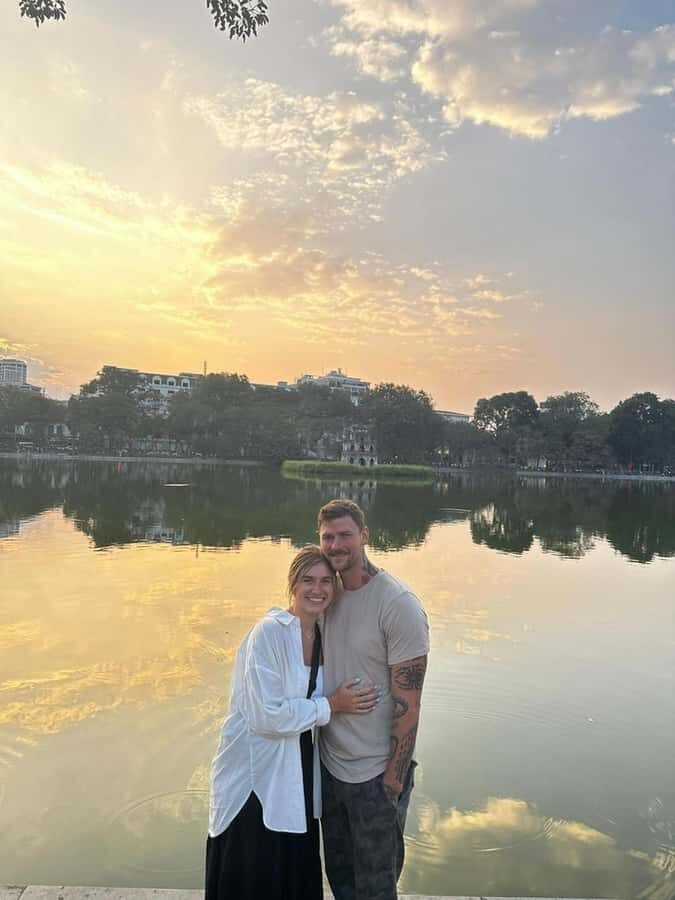
Then you head to Dong Xuan Market, described as Hanoi’s largest wholesale market dating back to 1889. This is where you stop being a spectator and start being part of the city’s everyday economy.
You can expect a wide range of goods—fabric, clothing, local handicrafts, souvenirs, and even street food. Even if you’re not shopping, it’s a great reality check. You see how trade works at scale, and you learn the difference between tourist areas and the places locals actually rely on.
What to watch for: markets are busy by nature, and this stop can feel chaotic if you’re not used to it. Keep your expectations simple. Think of it as a living shopping map. If you want souvenirs, go in with a budget and a quick list. If you don’t, just enjoy the motion and let the guide explain what’s typically sold where.
St. Joseph’s Cathedral and French-era Hanoi: a visual contrast day
From the market, you’ll move to St. Joseph’s Cathedral on Nha Chung Street. The tour frames it as a Roman Catholic cathedral in neo-gothic style, built about 120 years ago. That makes it a perfect mid-day contrast after the older scholarship site and before the symbolic center of Hanoi.
This is one of those stops where architecture does the storytelling for you. You don’t need a long explanation to notice the style shift. Still, a good guide helps connect it to the broader French colonial presence in Hanoi, and you’ll likely get that context during the ride and on-site.
If you’re short on time or the weather turns, this is also a practical stop. You can take a few key photos, note the facade details, and continue without losing momentum.
You can also read our reviews of more private tours in Hanoi
- Doris Cruise 5 star cruise 2 days visiting Halong Bay Lan Ha Bay private balcony
★ 5.0 · 2,338 reviews





Hanoi Train Street: the highlight you’ll talk about later
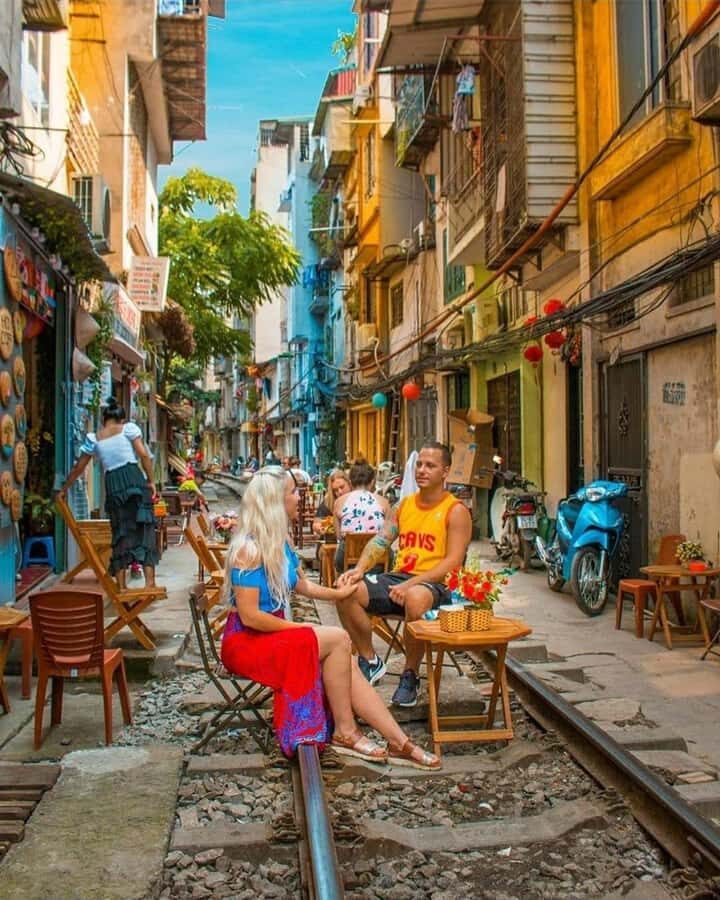
Then comes Hanoi Train Street, one of the most distinctive stops on the route: a real railway line running through the heart of the old town. You’ll be able to see the old tracks cutting right through street life, which is why it’s such a memorable experience. It’s not just a photo spot; it’s an illustration of how the city functions around infrastructure.
A key reason this tour gets praised is that guides aim to make sure you see the train pass through. In the feedback provided, guides like Lucas and Tony were singled out for handling this as the day’s highlight. That’s huge because Train Street is one of those “timing-dependent” places. A flexible guide can help you plan your attention so you don’t miss the moment.
Practical note: wear comfortable shoes. You’ll be standing and watching, and Train Street crowds can be unpredictable. Also keep your phone ready—but don’t block walkways. You’ll get the best results by staying calm and letting the flow of people and train moments do their thing.
Hoan Kiem Lake: Hanoi’s center, symbol, and easy people-watching
After Train Street, you’ll reach Hoan Kiem Lake (the Lake of the Restored Sword). This is the symbolic heart of Hanoi, not just geographically but culturally. It’s one of those places where the city’s “main character energy” shows up—families, couples, walkers, and the steady rhythm of life around the water.
On a half-day tour, Hoan Kiem Lake also works well as a decompression stop. You move from intense, sensory street energy (market and train tracks) into a calmer landmark where you can reset your senses.
If you want the best experience: pause. Don’t treat it like another quick photo. The guide can point out what makes this lake central to Hanoi’s identity, and that context makes your stroll feel less random.
Hanoi Opera House: French grandness in an everyday city
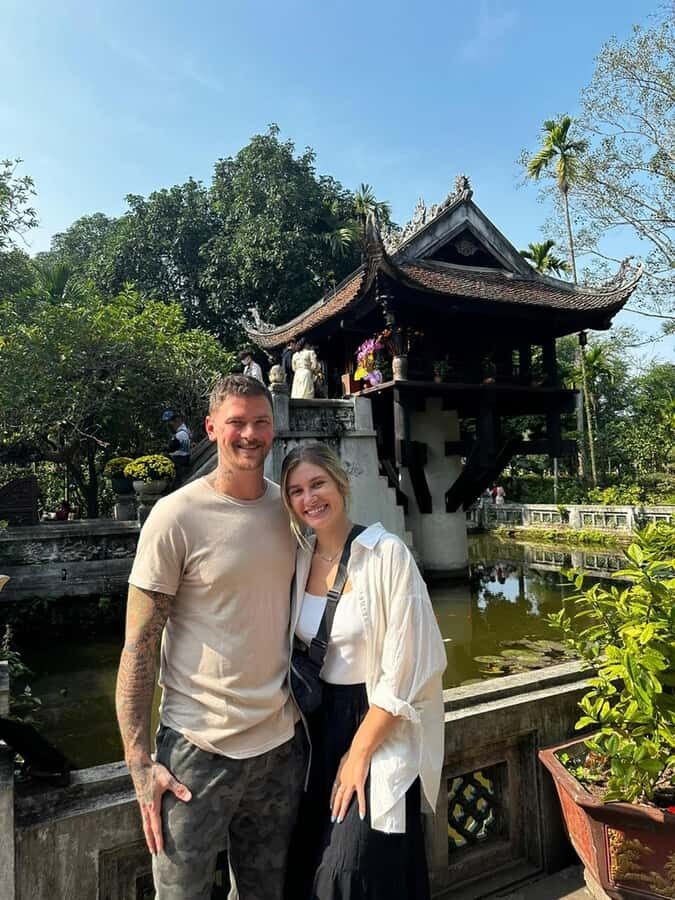
Next is the Hanoi Opera House, built by the French colonial administration in the early 1900s (the provided timeframe is between the 1901s and 1911s). It’s a classic “European monument” moment—grand, formal, and visually different from the surrounding older neighborhoods.
This stop isn’t only for looks. It’s useful because it helps you understand how Hanoi layered different eras on top of each other. Your day has already moved through Confucian scholarship and working markets; the Opera House adds the colonial-era grandeur into the mix.
If you have time, do one thing: look at the building with the street behind it. The contrast tells part of Hanoi’s story without needing a long speech.
Old Quarter Ta Hien Corner: the day lands where the energy lives
You’ll also pass by Ta Hien Corner in the Old Quarter. Even without a long stop, this area helps you connect the dots at the end of the tour. You’re finishing where Hanoi’s street life is recognizable—busy, layered, and very much alive.
Then the tour ends with your guide’s farewell and your return to your hotel. That drop-off is a practical win in a city where traffic can turn a short distance into a long one.
Guides that make the half-day feel personal
Even though the itinerary has clear stops, the experience improves when the guide can adapt. In the feedback you shared, guides were praised for being friendly and flexible—like Duy, who adjusted the tour to preferences, and Duc, who was praised for communication and making sure the Train Street timing was handled well.
There are also standout teaching moments. Some guides were praised for sharing insights related to Confucius and Buddhism, which fits naturally with the Temple of Literature stop. If you’re the kind of person who loves a little context while you walk, this tour is set up for that.
English communication also seems strong overall. Some guides received praise for easy communication, including one guide with perfect English, while another was praised for being very understandable even when English wasn’t perfect. Either way, you’re not on your own trying to make sense of everything.
What this costs ($67) and why it can be good value
At $67 per person, this is a fair price for a private half-day that includes A/C transport, an English-speaking guide, entry tickets, and a bottle of water.
The value comes from the combination:
- You’re paying for fewer logistics headaches (pickup and drop-off in the Old Quarter).
- You’re paying for access and entry tickets handled for you.
- You’re paying for guide time across several high-demand attractions.
If you tried to replicate this yourself, you’d spend time figuring out transport between major sites, and you’d still need to line up entry tickets and understand what you’re looking at. On a short visit, buying that structure tends to pay off.
One small cost consideration: meals and drinks aren’t included, so plan for snacks or a simple drink stop when hunger hits.
Who should book this tour
This tour is a great match if:
- You’re in Hanoi for the first time and want a guided route that hits the key anchors
- You want a private experience without wrestling crowds
- You care about both landmarks and how locals move through daily spaces
- You’d like help with timing at Train Street
- You prefer air-conditioned transport to cut down on city stress
It might feel less ideal if you want a long, slow “wander and get lost” day with no structure. This is a highlights route. It’s efficient, not endless.
Should you book this Hanoi half-day highlights tour?
If you only have half a day and you want maximum “I get Hanoi now” value, I’d book it. The standout reason is the balance: big historical stops (Ho Chi Minh Mausoleum and Temple of Literature) plus the iconic city-slices (Dong Xuan Market, Train Street, Hoan Kiem Lake). Add private transportation and a flexible guide, and it’s a smart way to start your trip.
If you’re especially sensitive to crowds or you hate dress-code rules, read the mausoleum requirements carefully and plan your outfit. Also, if you’re a super slow walker or you want long free time at each stop, you may find it a bit tight. But for most people doing their first Hanoi visit, this is a solid, well-run way to see a lot without feeling like you’re working at it.
FAQ
Is this tour private?
Yes. It’s a private tour/activity, and only your group participates.
Where does pickup and drop-off happen?
The tour includes hotel pickup and drop-off at Hanoi’s Old Quarter area.
What are the main stops on the route?
The itinerary includes Ho Chi Minh Mausoleum in Ba Dinh Square, Temple of Literature, Dong Xuan Market, St. Joseph’s Cathedral, Hanoi Train Street, Hoan Kiem Lake, Hanoi Opera House, and a pass by Old Quarter Ta Hien Corner.
Do I need to pay for entry tickets?
Entry tickets are included.
Are meals included?
No. Meals and drinks are not included.
What should I wear for the mausoleum?
Dress modestly. Shorts must be knee-length.



More City Tours in Hanoi


More Tours in Hanoi
- Ninh Binh Full-Day Tour from Hanoi to Hoa Lu, Tam Coc & Mua Cave Via Boat & Bike
★ 5.0 · 4,384 reviews