
Food tastes better with a plan.
This Hanoi cooking class pairs free Old Quarter pickup with a hands-on meal in a French-era garden villa, plus a market stop where you learn what to buy and why. I especially like how the format feels relaxed (no hunting for the venue) and how the instruction is step-by-step, so even non-cooks can follow along. A possible catch: pickup is only within Hanoi’s Old Quarter, so if you’re staying farther out, you’ll want to confirm the start logistics early.
You get two class session options (morning or afternoon) and the whole experience runs about 4.5 hours, so it fits neatly into a food-focused day. If you’re sensitive to busy wet-market energy, the market part may feel hectic at first, but the guide helps you read it fast and shop with confidence.
In This Review
- Key things to know before you go
- Free Old Quarter pickup: less time commuting, more time eating
- The market stop: learning to buy like a Hanoi cook
- Cooking in a French-era villa garden: why the setting matters
- What you actually cook: Vietnamese dishes you’ll recognize
- The meal break: herbal tea, fruit wine, and lunch or dinner
- Recipes after the class: the best souvenir is repeatable food
- Price and value: what $35 buys you in Hanoi time and meals
- Who should book this, and who might want a second thought
- Should you book this Hanoi cooking class?
- FAQ
- How long is the cooking class?
- Is hotel pickup included?
- Are there different class times?
- What does the experience include?
- Do I get recipes to take home?
- Where is the start and end point?
- How many people can be in the group?
- Can I cancel and get a full refund?
Key things to know before you go

- Old Quarter pickup and drop-off keeps your day stress-free, especially if you’re new to Hanoi.
- Market shopping is part of the lesson, not an add-on, so you learn ingredient choices you can copy later.
- French villa setting in a garden makes cooking feel like a getaway, not a cafeteria class.
- Hands-on cooking with easy follow-along guidance means you can make real Vietnamese dishes at home.
- Homemade fruit wine tasting and local fruits give you a more memorable lunch or dinner break.
- Recipes sent after the class help you turn the experience into meals you’ll actually repeat.
Free Old Quarter pickup: less time commuting, more time eating
The biggest quality-of-life win here is simple: you don’t spend your morning or afternoon figuring out transport. The class includes hotel pickup and drop-off within Hanoi’s Old Quarter, and the start and end point are tied to that area. That matters because Hanoi traffic and sidewalk chaos can steal time, and you don’t want your cooking day reduced to catching rides.
You also get options: there’s a morning session and an afternoon session. In practical terms, that lets you match the class to your own energy level. If your first day is a whirlwind, the morning slot can feel more manageable. If you like a slower start, the afternoon can work well.
One more small thing I appreciate: you can leave luggage during the class. That makes the session feel smoother, especially if you arrive with backpacks and shopping bags from earlier in the day.
The market stop: learning to buy like a Hanoi cook
The experience begins with a market journey where the focus is on choosing fresh ingredients and understanding everyday Vietnamese cooking logic. Expect a local market atmosphere: people calling out, stalls packed with herbs, rice noodles, and tropical fruits, and plenty of things you might not see in your home grocery store.
This part is worth your attention because it changes how you cook after the class. Instead of memorizing recipes, you learn what matters when you shop: what looks fresh, what ingredients balance each dish, and what goes together. The best part is that the guide explains what you’re seeing and why.
From menu-style examples mentioned with the class, you’re likely to encounter ingredient types tied to iconic dishes like phở, fresh herbs, and crisp roll fillings (the kind used for spring rolls). Some class write-ups also mention kids reacting to the visible seafood and produce variety, which tells me the market experience has a real “look with your eyes” element, not just a quick walk-through.
A small consideration: wet markets can be busy. If you prefer quiet, controlled environments, arrive with patience. The guide and host are there to help you navigate the crowd and keep you moving.
Cooking in a French-era villa garden: why the setting matters
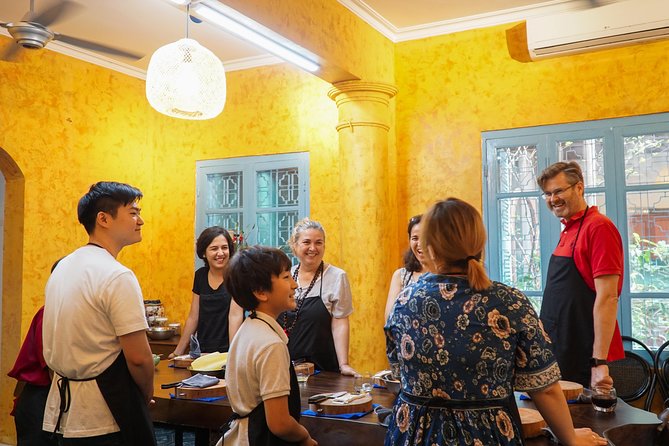
After the market, you head to a serene French-era villa in a lush garden. The space is described as calm and welcoming, with old walls and garden greenery around you. You’ll likely notice details like the scent of lemongrass floating through the area as you get ready to cook.
This matters more than you might think. Cooking classes can feel rushed—standing shoulder-to-shoulder, noisy, and overly classroom-like. Here, the cooking and dining space is air-conditioned, and the vibe is more like a friend’s home where you can actually concentrate.
You’ll also have all the equipment and utensils provided, so you aren’t worrying about “Do I need my own tools?” That’s ideal if you’re traveling light.
Also keep in mind the scale: the activity has a maximum of 100 travelers. In practice, classes often run in smaller groups, but you should still expect a group experience, not private chef treatment. The upside is you’ll meet other people who love food and enjoy learning together.
What you actually cook: Vietnamese dishes you’ll recognize
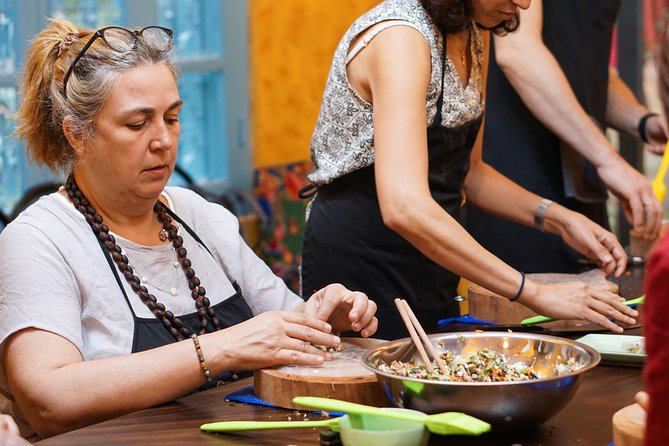
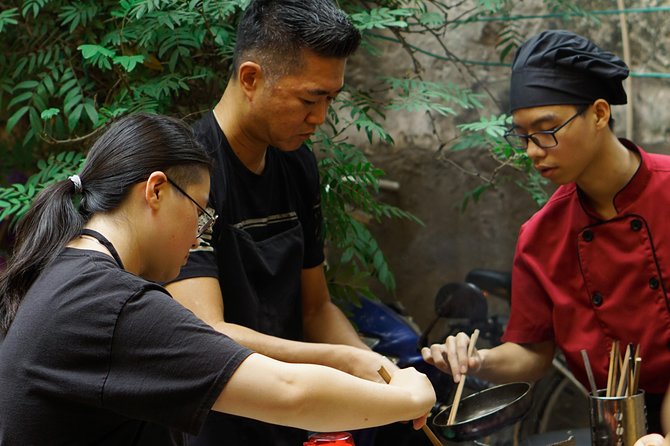
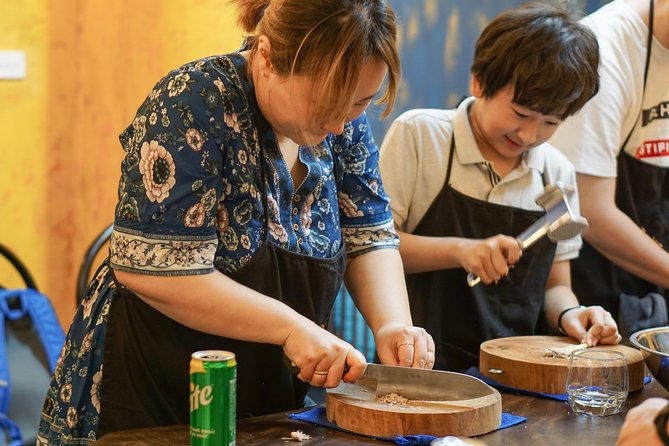
This class is hands-on, and you don’t just watch. You’ll cook and eat what you make, with an experienced English-speaking guide/cultural storyteller and an on-site host to keep everything moving and explain techniques.
The dish lineup varies by session, but the overall menu style is very Hanoi and very real. Based on what’s included and mentioned, you can expect hands-on work with items such as:
- Phở (comforting, fragrant, and very Vietnam-core)
- Spring rolls (the crispy, fresh-eaten kind)
- Banana blossom salad (fresh and crunchy, with Vietnamese herb balance)
- Coconut coffee (smooth, rich, and a fun contrast to savory dishes)
- Bún chả (Hanoi grilling-meets-noodles style, with its signature sauce)
- Bánh xèo (a crispy pancake-style dish that’s exciting to make and eat)
- Additional sweet-style items mentioned in class write-ups, like egg-based coffee/chocolate-type treats
What I like about this mix is that it covers different textures: crunchy salads, crispy fried items, noodle dishes, and a drink component. That makes the class feel like a mini survey of everyday Vietnamese flavors rather than one cooking trick repeated four times.
Even if you’re not confident in the kitchen, the instruction is described as step-by-step and interactive. One write-up specifically calls out a patient, kind chef and easy-to-follow guidance, which is exactly what you want if you’re worried you’ll mess things up.
The meal break: herbal tea, fruit wine, and lunch or dinner
You’re not sent away after cooking. You’re fed what you made, and the meal includes multiple extras that make the experience feel complete.
Upon arrival, you get a welcome drink of herbal tea. During the experience, mineral water is unlimited, so you can focus on eating and not constantly searching for bottles.
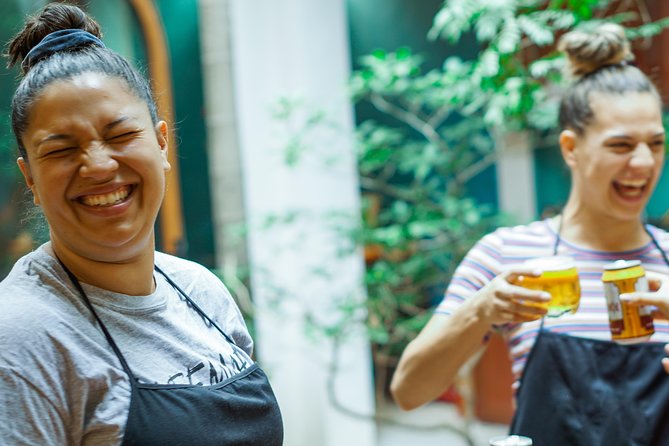
The standout is the tasting of the class’s signature homemade fruit wine. You also get fresh seasonal fruits after the meal. This is one of those details that turns a cooking class into a cultural pause. It’s not just about food flavors on a plate; it’s also about Vietnamese tastes you might not be able to order casually back home.
Depending on your session, you’ll have a full Vietnamese lunch or dinner. That time slot matters for planning. If you’re taking the afternoon class, you may treat it as your main meal. If you’re doing the morning option, it can set you up for a lower-key rest of the day.
Recipes after the class: the best souvenir is repeatable food
One of the most useful promises here is that you’ll be sent the recipes after the class. That’s a big deal because cooking classes often end with great photos and a vague memory of ingredients.
With recipes, you can recreate dishes you learned—plus you’ll remember the ingredient choices you made at the market. It’s the difference between a “nice experience” and something that keeps paying off once you’re back home.
If you’re traveling with dietary rules, note that the provided data doesn’t specify customization. You’ll want to discuss preferences with the host if you have allergies or strict needs, but at minimum, the format and recipes make it easier to adjust at home.
Price and value: what $35 buys you in Hanoi time and meals
At $35 per person for about 4 hours 30 minutes, this is priced like a strong mid-range food experience, not a budget shortcut. The value comes from what’s included, not just the price tag:
- Pickup and drop-off within the Old Quarter
- A market journey to shop for ingredients
- English-speaking guidance and cultural storytelling
- All cooking equipment and utensils
- A full Vietnamese lunch or dinner
- Unlimited mineral water
- Welcome herbal tea
- Homemade fruit wine tasting
- Fresh seasonal fruits afterward
- Free luggage storage
- Recipes sent after the class
When you break it down, you’re basically paying for a full day-meal experience plus guided market shopping plus cooking instruction. Even if you’d happily eat Vietnamese food on your own, you’d probably still pay for the meal and spend time trying to figure out ingredients and cooking steps. This compresses all of that into one guided window.
In other words, it’s a good pick if you want authenticity without the extra work.
Who should book this, and who might want a second thought
I’d book this if you:
- Want Hanoi food with less stress, because Old Quarter pickup handles the logistics.
- Like learning by doing, especially with recipes you can repeat later.
- Travel with kids or a mixed group. One class write-up highlighted how children reacted to fresh seafood and enjoyed making dishes.
- Are a first-timer in Vietnamese cooking and need step-by-step confidence.
I’d pause before booking if:
- You’re not staying near the Old Quarter. Pickup is only included within that area, so you may need a plan to reach the meeting point area.
- You hate busy market settings. The market stop is part of the deal, and it can feel lively.
Also, remember this is a shared class with a cap of 100 travelers. If you’re the type who wants truly private attention, you might feel the room is communal. That said, the class is designed to guide you through cooking rather than just letting you “figure it out.”
Should you book this Hanoi cooking class?
Yes, if you want a practical, tasty way to learn Hanoi cooking without wasting time on logistics. The combination of market ingredient education, a calm cooking space in a French-era villa, and the meal structure (tea, lunch/dinner, fruit wine, fruit) makes it feel like more than a cooking demo.
Before you go, do two quick checks:
- Confirm how pickup will work for your specific hotel location in relation to the Old Quarter.
- If markets feel overwhelming for you, mentally budget for a few minutes of busy energy before the guide helps you get oriented.
If that sounds like your kind of day, you’ll likely leave with both new recipes and the confidence to shop and cook Vietnamese flavors back at home.
FAQ
How long is the cooking class?
The class runs about 4 hours 30 minutes.
Is hotel pickup included?
Yes. Hotel pickup and drop-off are included within Hanoi’s Old Quarter.
Are there different class times?
Yes. You can choose between a morning or an afternoon class session.
What does the experience include?
It includes a local market journey, an experienced English-speaking guide/cultural storyteller, cooking equipment, all cooking and dining spaces, unlimited mineral water, a welcome herbal tea, a homemade fruit wine tasting, fresh seasonal fruits after the meal, and a full Vietnamese lunch or dinner depending on the session.
Do I get recipes to take home?
Yes. You’ll be sent the recipes after the class so you can make the dishes again.
Where is the start and end point?
The meeting point is Phố Sơn Tây, P. Sơn Tây, Đội Cấn, Ba Đình, Hà Nội, Vietnam, and the activity ends back at the meeting point.
How many people can be in the group?
The activity has a maximum of 100 travelers.
Can I cancel and get a full refund?
You can cancel for a full refund up to 24 hours in advance of the experience’s start time. If you cancel less than 24 hours before, the amount paid is not refunded.