REVIEW · CAT BA
Full day deep water soloing – Kayaking in Cat Ba – Ha Long Bay.
Book on Viator →Operated by Cat Ba Ventures · Bookable on Viator
Watch your feet close to the rock.
This full-day Cat Ba outing pairs deep water soloing on limestone cliffs with kayaking around Lan Ha Bay’s islands and fishing areas. I love that the day is built around where the water is right, so you get the thrills without it feeling random. The guides I’m seeing get named often, like Ninh and Windy, and they focus on route finding and tide timing.
Two things I really like: first, you start on easier climbs to build confidence, then move up at the bigger wall areas (the grades climb fast). Second, you get a real mix of action and scenery, with cruising, a boat lunch, then kayaking through tight spots when the tide allows it. The main drawback to consider is that even with beginner routes, the program runs up to 7c+, so you should be comfortable with heights and being physically active for most of the day.
In This Review
- Key points before you go
- Cat Ba’s Lan Ha Bay setup is made for DWS
- The tide plan: high-tide climbs and low-tide kayaking
- Stop-by-stop: from Hòn Tay Kéo to Three Brothers to Le Mekong
- Hòn Tay Kéo: the warm-up wall where the guide teaches the flow
- Three Brothers: when the grades step up fast
- Lunch on the boat: energy matters for a 9-hour day
- Le Mekong: harder, overhung routes and climbs at low tide
- Kayaking at Hồ Ba Hầm: caves, lagoons, and a deserved breather
- Safety, gear, and how to avoid the common DWS hassles
- Price and logistics: what you’re really paying for
- Who this tour fits best (and who should skip it)
- Should you book Cat Ba full-day DWS and kayaking with Cat Ba Ventures?
- FAQ
- What time does the tour start and finish?
- How long is the full day?
- Is lunch included, and what are the options?
- Do I get gear for climbing and kayaking?
- What kind of fitness level do I need?
- What if the weather is bad, or I need to cancel?
Key points before you go
- Tide-driven planning means climbing at high tide and kayaking at low tide so the timing actually matters
- Route progression on limestone starts easier, then scales up to harder walls with lots of options
- Lan Ha Bay + Ha Long Bay mix gives you different areas without switching hotels
- English-speaking local guidance helps you find routes and set up safely from the kayak
- Max group size of 10 keeps it more personal than a huge party bus
- Included gear and lunch lower the hassle factor (just plan for extra drinks/snacks)
Cat Ba’s Lan Ha Bay setup is made for DWS
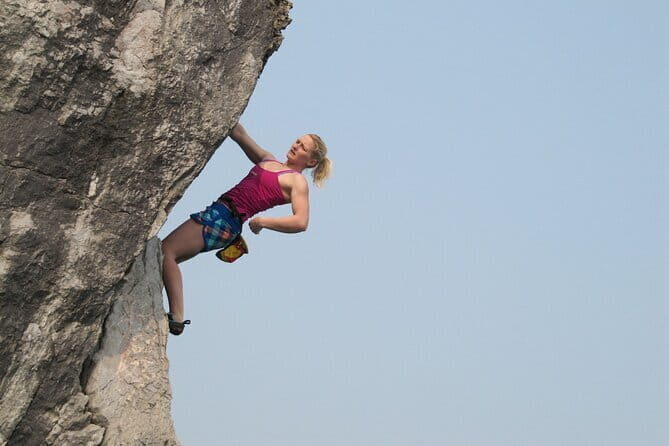
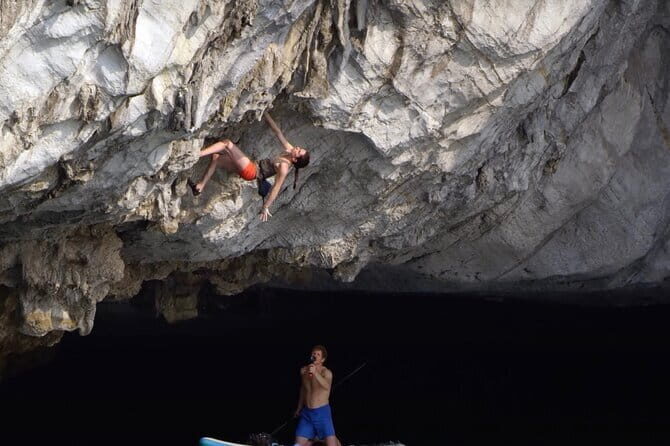
Cat Ba sits right at the sweet spot for deep water soloing. You’re climbing on sharp limestone faces over water, so the whole point is that the sea is part of the safety plan. When it’s done well, it feels like the rock is your playground and the bay is your landing zone.
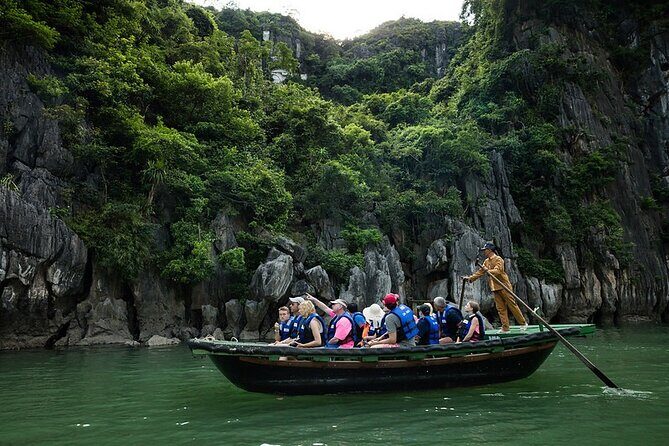
The big advantage of this tour’s style is how it connects climbing with paddling. You’re not just hiking to a cliff and hoping for the best. You cruise around Lan Ha Bay, stop where the rock meets the bay, then switch to kayaking when conditions are best for getting close to the limestone islands and quieter coves.
One more reason this works: the guide is there as a partner, not a distant spotter. Names like Ninh and Windy keep showing up, and the consistent theme is practical help—how to reach the routes, how to read the tide day-of, and how to handle the jump/landing part of DWS.
If you’re chasing value, this day also bundles in more than one kind of scenery. You’ll see the floating fishing village area and multiple bay sections, including a stop at a smaller area near Ha Long Bay waters (Dầu Bê Island).
You can also read our reviews of more tours and experiences in Cat Ba


The tide plan: high-tide climbs and low-tide kayaking
This tour is built on one idea: the water level changes what you can safely do. That’s not just a technical detail—it changes the whole feel of the day.
At high tide, you climb. That’s when the water under you is deep enough for the deep water soloing moves to make sense. At low tide, you kayak. Lower water levels can expose routes and create passages for paddling around islands and toward smaller, cave-like areas. It’s also why the program schedules a rest option after climbing: you’re switching gears from hanging on rock to moving through the bay.
You’ll get tide talk early at the first climbing area, where the local guide explains useful tips like jumping and landing technique, plus how to approach the route starts. That matters because DWS isn’t just “climb harder.” It’s also set-up and timing.
Also, be ready for the reality of DWS difficulty shifting with water. When you climb from a kayak, the start position can change how hard the moves feel. One review detail sticks in my head: at low tide it can be harder, sometimes because you have an inclined start before the route begins. That’s normal for this style, so don’t treat difficulty like a fixed number—tide and approach matter.
Stop-by-stop: from Hòn Tay Kéo to Three Brothers to Le Mekong
Your day starts at 8:00 am in Cat Ba Town, with pickup that’s easy to reach (meeting point is at 223 Một Tháng Tư, TT. Cát Bà, Cát Hải, Hải Phòng). Then you head out by boat to cruise around Lan Ha Bay.
Hòn Tay Kéo: the warm-up wall where the guide teaches the flow
At the first stop, Hòn Tay Kéo, you get your “get your bearings” moment. This is where you’ll learn the basics of how the day works: the tide details, jumping and landing technique, and the climbing route approach.
What makes this segment valuable is that you’re not thrown into the hardest rock immediately. You’ll start with easier routes first to get familiar with height and initial technique. This is a real confidence builder if you’re new to DWS or just new to this kind of limestone.
Three Brothers: when the grades step up fast
Next comes the tougher location called Three Brothers. This is where you get serious variety: there are over 15 routes with grades from about 5a up to 7c+. More important than the numbers is the mix—different routes let you choose your level and keep moving rather than waiting around.
If you’ve climbed before, you’ll likely appreciate how this isn’t one single line you must finish. You can keep exploring your limit while your guide helps with finding and reaching routes.
You can also read our reviews of more tours and experiences in Cat Ba

Lunch on the boat: energy matters for a 9-hour day
Around 12:00, you stop for lunch on board. Options include seafood, meat, and vegetarian/vegan (you’ll want to confirm what your group can choose). This is more than a break. It’s how you avoid the common mistake on active day tours: running out of fuel right when the harder climbing or kayaking portion starts.
Bring or plan for what you like to drink beyond the essentials. Water is included (1.5 liters), but coffee/tea and alcohol are not.
Le Mekong: harder, overhung routes and climbs at low tide
After the cruising portion, you visit Dầu Bê Island near Ha Long Bay waters, then move to climbing at Le Mekong. Here, routes are harder, roughly 5a to 7c, and many are overhang. That overhang style is a big part of why this program is more exciting than basic cliff climbing.
A key practical point: you may also be able to climb here when the tide is low. That means your guide will check conditions so you don’t arrive expecting only one timing window.
Kayaking at Hồ Ba Hầm: caves, lagoons, and a deserved breather
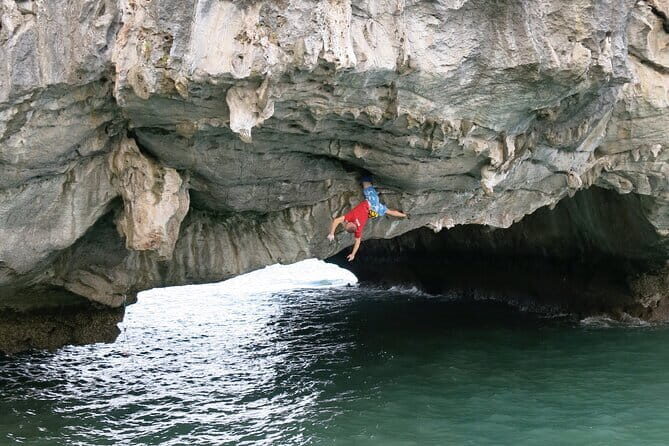
Around 15:30, you shift to kayaking. This is when you leave the climbing focus and start exploring by water, aiming for Hồ Ba Hầm, described as three hidden lagoons. The idea is simple: the tide must be low enough to access the right areas.
This section is where you’ll likely feel the contrast most. Your arms are coming from climbs—some with overhangs—and kayaking asks for endurance and steady paddling instead of problem-solving footwork and holds. The upside is that you get water time that’s not wasted travel. You’re moving through limestone areas and sometimes through tighter spaces when conditions allow.
One review highlight matches the tour logic: low tide kayaking can include caves and close-in areas, and the guide can help time the kayaking so it’s not crowded. That’s exactly what you want—quiet water and limestone without feeling rushed.
You’ll also have a built-in option to swim or rest during the day if you want recovery after climbing. Just keep one rule in mind: DWS leaves you with skin scrapes risk, and limestone can be sharp.
Safety, gear, and how to avoid the common DWS hassles
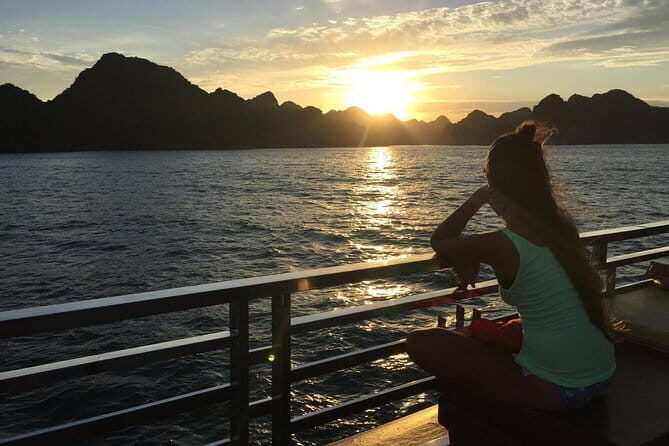
The tour provides climbing shoes and a kayak, plus an English guide and lunch. Bottled water (1.5 liters) is included. The missing piece is personal comfort items, especially if you’re sensitive to sharp rock.
DWS is a contact sport with your hands and shins meeting the limestone. Multiple guides get praised for structure and safety, including the way they pair you with routes that fit your level and help with safe setup. Names like Kai show up in feedback as a long-time guide who pushes you while still keeping safety front and center.
Still, the rock is sharp. One practical note you should take seriously: even with good shoes and technique, you may get scrapes. If you have it, bring climbing tape for extra protection. Some people also pack a bit of extra chalk or keep their hands protected, though the tour details here don’t list personal chalk as included.
Another practical point: the program is rated from 4a to 7b+ overall, with harder sub-areas. The route progression should help, but you still need a realistic fitness expectation. The guidance calls for moderate physical fitness, which makes sense for a full day of climbing and kayaking, plus getting in and out of the water.
What to wear:
- secure footwear (they provide climbing shoes, but you still arrive with the right clothing)
- quick-dry layers since you’ll be wet at least part of the day
- a plan for sun exposure (the bay is open and the day is long)
Price and logistics: what you’re really paying for
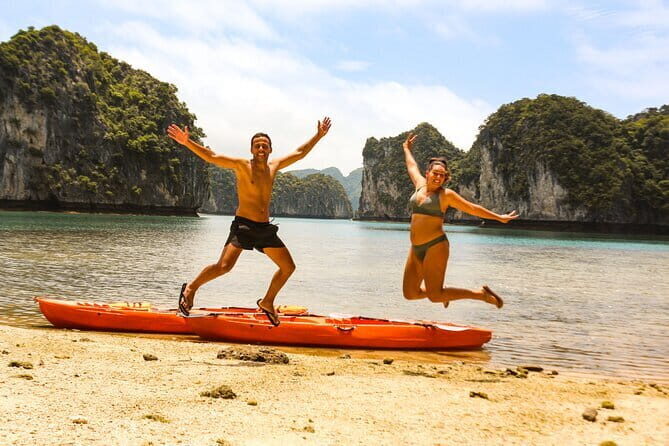
At $118.73 per person, this isn’t a cheap “sit and watch” day. But it is good value when you factor in what’s included: boat time around Lan Ha Bay, a full climbing + kayaking program, route assistance from an English-speaking local guide, lunch, and the essential gear like climbing shoes and a kayak.
You’re also paying for the hardest-to-replicate part of the day: tide timing and matching the right activity to the right water level. Without that, DWS planning can get sketchy fast. With it, the day flows: cruise, climb, lunch, cruise, climb again, then kayak into specific areas.
Timing is tight but reasonable. You leave at 8:00 am and return around 5:30 pm. With that long day structure, it helps that the group is capped at 10 travelers. Smaller groups usually mean more route attention and less time waiting around for your turn on the climb.
For planning, you should also know the basics of what’s not included: coffee/tea and alcoholic beverages. If you rely on caffeine or prefer a drink with lunch, plan to buy it elsewhere. And the tour requires good weather. If the weather is poor, you’ll be offered a different date or a full refund.
Who this tour fits best (and who should skip it)
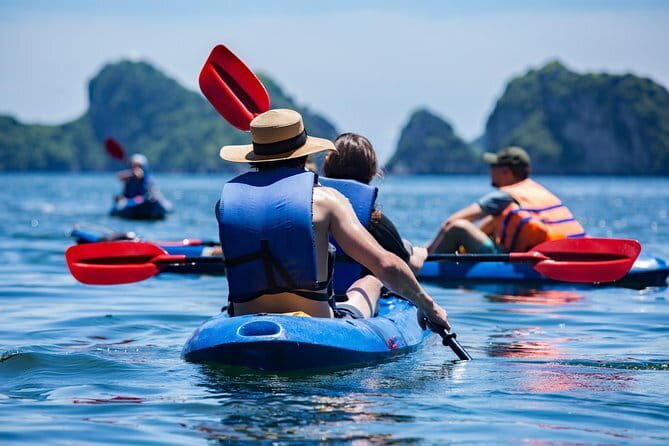
This is ideal if you want a full day that mixes adrenaline with real scenery, and you’re comfortable with water and heights. If you’ve climbed before, you’ll likely enjoy the route variety—especially the jump from easier warm-ups at Hòn Tay Kéo to harder walls at Three Brothers and Le Mekong.
It’s also a good fit if you want guided confidence. Multiple guide names show up with praise that feels consistent: structured day flow, helping you find routes, and giving technique pointers that reduce guesswork—like how to approach jump/landing setup for DWS.
Consider skipping (or at least managing expectations) if:
- you’re not comfortable with falling into water as part of the activity
- you’re expecting a beginner-only program
- you’re not up for a full day of physical effort on rock and in a kayak
Should you book Cat Ba full-day DWS and kayaking with Cat Ba Ventures?
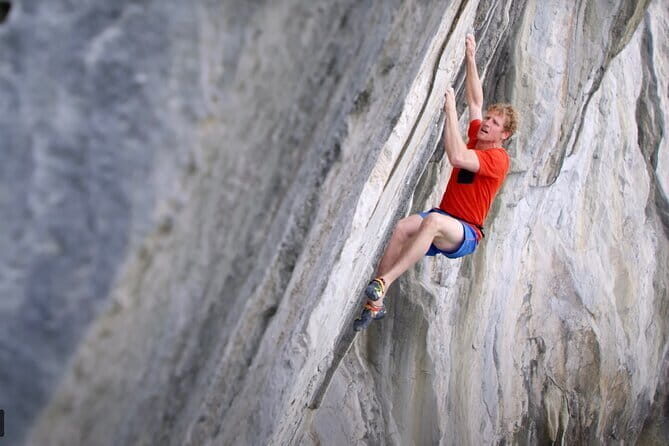
Yes—if you meet the sport mindset. This is not a casual sightseeing cruise. It’s a climbing-focused day that uses the bay like a partner: high tide for DWS, low tide for kayaking, and specific spots like Hòn Tay Kéo, Three Brothers, Le Mekong, and Hồ Ba Hầm.
Book it if:
- you want a real mix of climbing + kayaking in one day
- you appreciate guides who help you get to the right routes and keep the timing right
- you’re aiming to push your level without losing safety structure
Think twice if you mainly want lounging on a boat. You’ll be active for most of the day. But if you want to earn your views from limestone walls and then float through hidden lagoons, this is a strong choice in Cat Ba.
FAQ

What time does the tour start and finish?
It starts at 8:00 am and returns around 5:30 pm.
How long is the full day?
The duration is listed as about 9 hours.
Is lunch included, and what are the options?
Lunch is included, with seafood, meat, or vegetarian/vegan options. You should confirm which option you’ll receive when booking.
Do I get gear for climbing and kayaking?
Yes. The tour includes climbing shoes and a kayak, plus bottled water (1.5 liters) and an English guide.
What kind of fitness level do I need?
The tour recommends moderate physical fitness since you’ll be climbing and kayaking for most of the day.
What if the weather is bad, or I need to cancel?
The experience requires good weather. If it’s canceled due to poor weather, you’ll be offered a different date or a full refund. Free cancellation is available up to 24 hours before the experience starts.