REVIEW · CAO BANG CITY
3 days: Ban Gioc waterfall – Ba Be Lake with Local Guide
Book on GetYourGuide →Operated by LV Travel VietNam · Bookable on GetYourGuide
This 3-day ride through Cao Bang and Ba Be Lake is one of the most quietly impressive ways to see Northern Vietnam. I like that you’re not just hitting one postcard spot: you mix Ban Gioc’s roar, cave scenery, and then real time on Ba Be’s calm water. Two things I really like are the mix of big nature stops (Ban Gioc, Ba Be Lake) with smaller culture stops (ethnic craft villages), and the fact you’re guided by locals with real explanations, like Nhung, who’s known for bringing folklore and local history into plain talk. One possible drawback: the driving days are long and a bit bumpy, because you’re working along the Chinese border in remote terrain.
The trip also has a practical rhythm. You get private rooms (shared as 2pax/1room), meals each day, and key entries, so you spend less time bargaining and more time looking around. I’d just flag that if you want to ride the included motorbike, you’ll need an International Driver’s Permit—or you’ll need to arrange a rider.
In This Review
- Key highlights worth getting excited about
- Why Cao Bang and Ba Be feel different from the usual Vietnam route
- Ban Gioc Waterfall and Nguom Ngao Cave: Day 1’s big start
- Ban Gioc Waterfall
- Nguom Ngao Cave
- Truc Lam Pagoda stop
- Ethnic craft villages, Truc Lam breaks, and a border-walk kind of day
- Paper, incense, and knife-style craft villages
- Quay Son River and the China-border feel
- Hua Ma Cave and Ba Be National Park: Day 2 turns from stone to water
- Hua Ma Cave
- Ba Be National Park and Tay village time
- Kayaking on the lake
- Ba Be Lake by boat: where the region’s size becomes obvious
- The boat trip
- Tien Pond and An Ma Temple on Day 3
- Ba Goa Island
- Price and logistics: what the $211 really covers (and what to watch)
- What you get for the money
- What costs extra (and when you’ll need it)
- Guide quality makes or breaks a remote tour
- Who should book this tour (and who might not love it)
- Quick checklist before you go
- Should you book Ban Gioc Waterfall and Ba Be Lake with a local guide?
- FAQ
- How long is the Ban Gioc waterfall and Ba Be lake tour?
- What are the main places you visit?
- Are meals included?
- Is water included?
- Do you get a boat trip on Ba Be Lake?
- What else is included besides major attractions?
- Is a motorbike included?
- Can I ride the motorbike without a special license?
- What transport from Hanoi is included?
- Is there an option for fully English speaking help?
Key highlights worth getting excited about
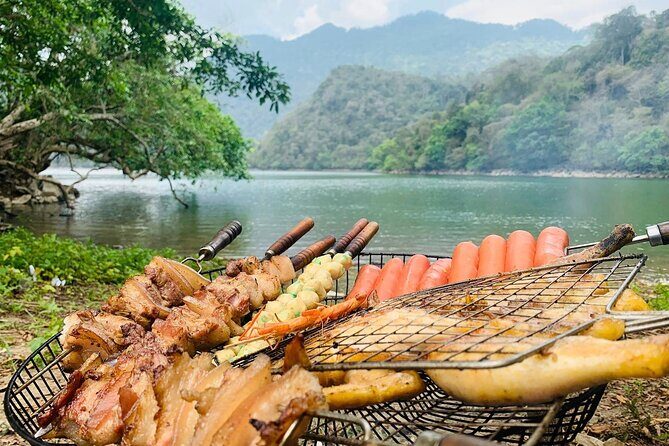
- Ban Gioc Waterfall paired with a cave day so the scenery changes fast
- Nguom Ngao Cave plus Truc Lam Pagoda for a good dose of variety
- Ethnic craft villages (paper, incense, knife-style workshops) and local food stops
- Hua Ma Cave shifting the trip from forest paths to water views
- Ba Be Lake boat time and kayaking with a Tay community feel
- Tien Pond, An Ma Temple, and Ba Goa Island to finish on the lake’s calmer side
Why Cao Bang and Ba Be feel different from the usual Vietnam route
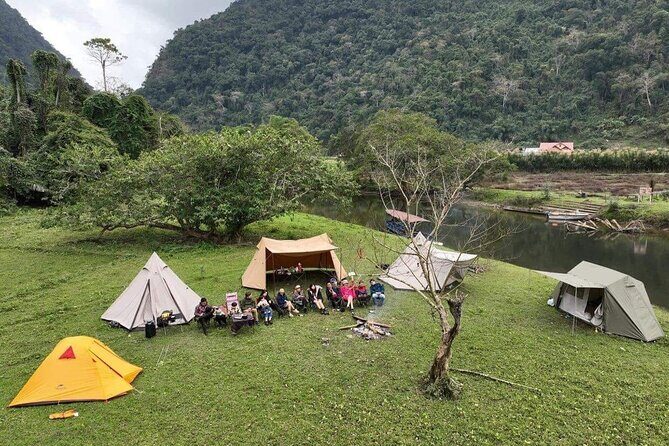
Cao Bang and Ba Be are the kind of places that make you slow down. This northern corner sits near the border with China, and the scenery comes in layers: river walks, limestone caves, and then that massive freshwater lake. It’s famous, yes, but it still feels more local and less staged than many tourist loops.
What makes this tour work is the pacing. Day 1 leans wild and rugged, with Ban Gioc and Nguom Ngao Cave. Day 2 eases you toward Ba Be National Park and the water. Day 3 keeps you on the lake’s side with pond and temple stops, plus island time. You end up seeing a whole region, not just a highlight reel.
You can also read our reviews of more guided tours in Cao Bang City

Ban Gioc Waterfall and Nguom Ngao Cave: Day 1’s big start
The first day is built around two major “wow” moments with a practical flow between them.
Ban Gioc Waterfall
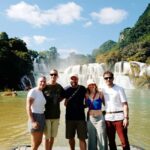
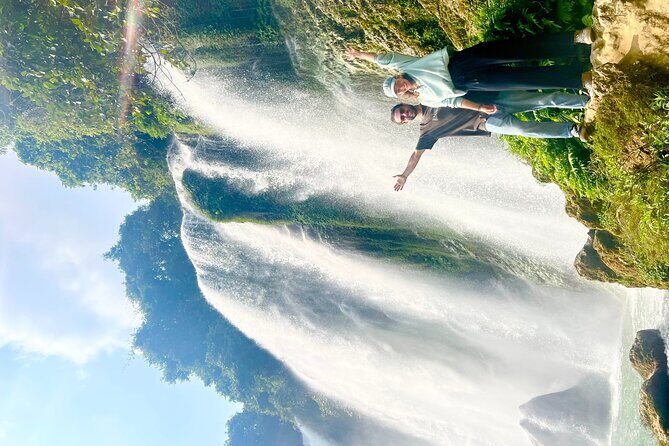
Ban Gioc is one of Asia’s largest natural freshwater waterfalls systems. You’ll get the classic views, but the real win is timing and approach. The tour is structured so you spend time looking, walking, and re-framing the falls from different angles instead of just rushing through one platform.
If you care about photos, bring gear you can carry without stress. You’ll be dealing with mist and wet footing at the waterfall area. Even when you don’t get dramatic weather, the falls bring damp air, so plan on a quick wipe-down for lenses and a change of clothes if you’re sensitive to cold.
Nguom Ngao Cave
From there, you step into the limestone world with Nguom Ngao Cave. Caves here aren’t just a corridor. You’re moving through a landscape shaped by water over time, and the contrast with Ban Gioc is the point.
A cave visit is also where a good guide really helps. Local explanations can make the shapes more meaningful than just “rocks that look like things.” Nhung is one example of a guide who’s especially good at telling the local story in a way that sticks, including folklore tied to the region.
Truc Lam Pagoda stop
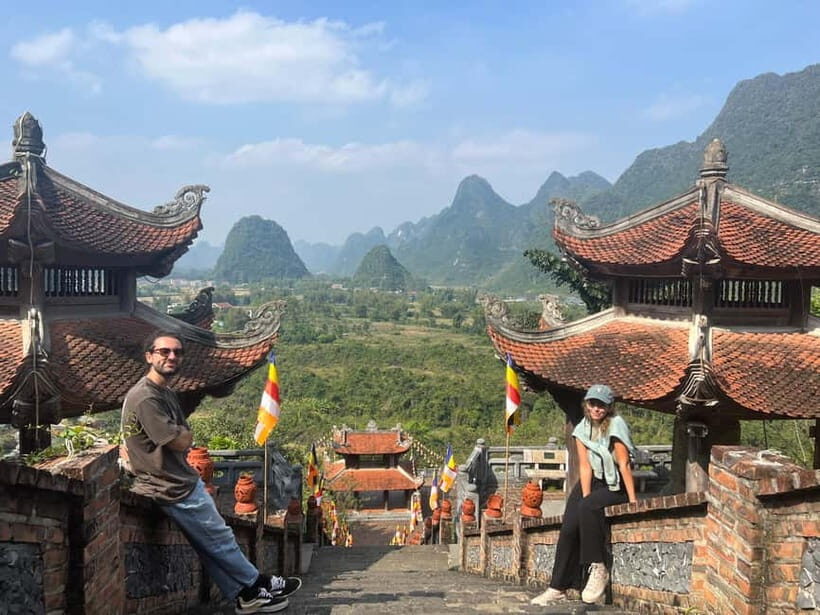
Truc Lam Pagoda adds a calmer, more human pace. Think of it as a pause after the wet thunder of Ban Gioc and the enclosed cave route. You get a chance to reset, breathe, and take in views from a religious site context. It’s not just a checkbox stop—it helps balance the day.
Ethnic craft villages, Truc Lam breaks, and a border-walk kind of day
Day 1 doesn’t only revolve around nature. A major part of the appeal is culture time with ethnic communities—specifically Nung and Tay groups—through craft villages.
Paper, incense, and knife-style craft villages
You’ll visit local traditional craft stops like paper village and incense/knife-style workshops. In practice, this means you see how these skills are made and packaged into daily life, not just souvenirs on a table.
This is one of the tour’s best value points: you’re building context for what you’re buying. When you later pick up local products (often made with time and skill rather than factory shortcuts), it feels more like a gift with meaning.
If you like taking home something edible, snacks or local specialties are typically an easier win than delicate crafts. For gifts, plan to buy a bit earlier than your last day, so you’re not stuck deciding under travel pressure.
Quay Son River and the China-border feel
There’s also a walk along the Quay Son River and a border-area experience with China in the mix. Even if you don’t obsess over borders, the effect is real: the region feels specific and lived-in. Roads here aren’t always built for mass tourism. That’s why you should expect quieter villages, simpler rhythms, and longer sightlines.
In the reviews, you can see how much people appreciated the route and the explanations given by guides like Trung and Viet. Trung is described as a gentleman driver, and Viet is praised for punctuality and flexibility. Translation: when the day changes a bit (weather, timing, traffic), a good guide helps the whole experience stay smooth.
Hua Ma Cave and Ba Be National Park: Day 2 turns from stone to water
Day 2 shifts your eyes. You trade the Ban Gioc region’s dramatic power for a different kind of scenery: caves, national park paths, and then Ba Be’s lake system.
Hua Ma Cave
Hua Ma Cave is the “second act” cave. You’ll feel the same limestone vibe, but it lands with a different mood than Nguom Ngao. Caves in this area keep reminding you that water and stone created the whole show over time.
A practical tip: wear shoes you trust. Even when the cave is managed, you’re walking on surfaces that can be slick. Don’t pack shoes that only work for dry city streets.
Ba Be National Park and Tay village time
After Hua Ma Cave, you move into Ba Be National Park and Tay village areas. This is where the trip gets its “real Vietnam” feeling. It’s not just looking at nature; it’s seeing how people live with it.
When a guide explains daily life in Tay communities, you get a better sense of why the lake matters. You stop thinking of Ba Be as a place you visit and start thinking of it as a place people depend on.
Kayaking on the lake
Day 2 includes kayaking. This is one of those moments where you feel the lake’s scale without needing a big powerboat. You can also keep your pace gentle. If you’re the type who wants to see wildlife or shoreline details, kayaking gives you a closer, slower view.
Ba Be Lake by boat: where the region’s size becomes obvious
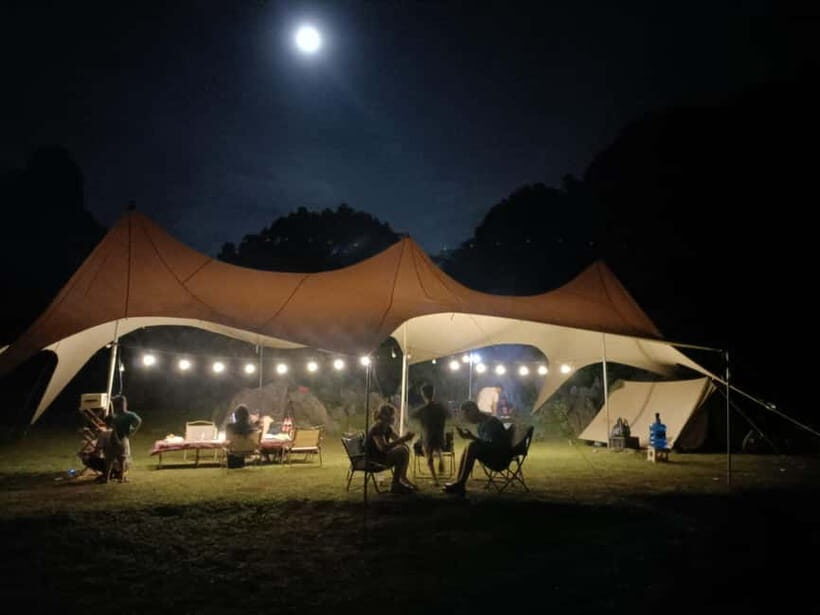
Ba Be Lake is the headline for a reason. It’s one of Asia’s largest natural freshwater lakes, and the tour gives you time on the water rather than just a quick look from shore.
The boat trip
You’ll enjoy a boat trip on Ba Be Lake, which is included. Boat time is ideal for reading the lake. From the water, you see how limestone formations rise from the shoreline and how communities and paths relate to the water.
If you’ve only seen lakes from a walkway, this is a different lesson: the lake is the highway.
Tien Pond and An Ma Temple on Day 3
Day 3 continues with lake time and adds specific features: Tien Pond and An Ma Temple. These stops add variety beyond the shoreline views. Pond and temple scenery is quieter, more reflective, and a good way to pace yourself after the earlier days’ heavier sightseeing.
Ba Goa Island
Ba Goa Island finishes the trip with an island feel. You get that sense of being in a water-based landscape where every movement changes what you can see. It’s also a nice emotional close: you end with softer scenes, not another intense cave day.
Price and logistics: what the $211 really covers (and what to watch)
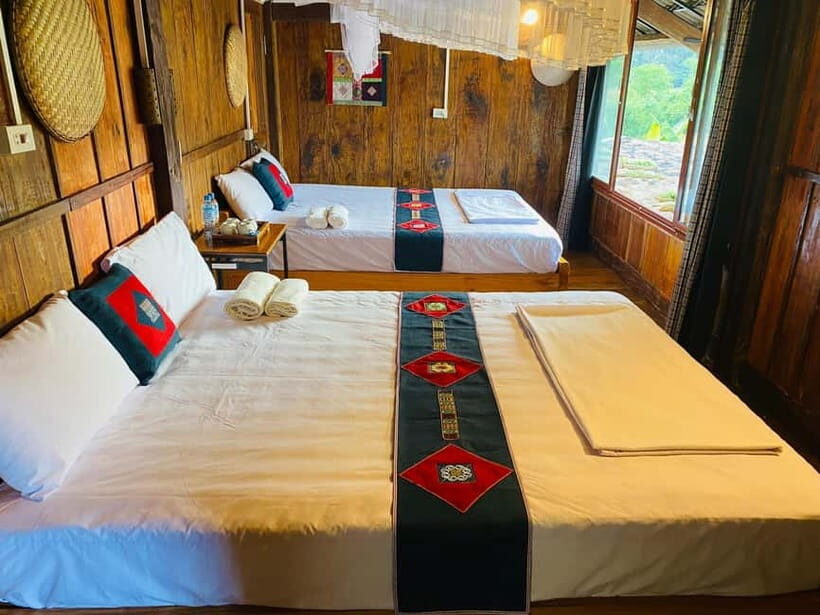
The price listed is $211 per person for 3 days. For this region, the value comes from what’s packed in.
What you get for the money
Included highlights:
- Meals: 3 breakfasts, 3 lunches, 2 dinners
- Water: 1 bottle (500ml) per day
- Local guide: friendly and professional
- Private room: 2pax/1room
- Entry fees for key sites: Ban Gioc Waterfall, Nguom Ngao Cave, Mountain Angel Eye, Cao Bằng, Hua Ma Cave
- Boat trip on Ba Be Lake
- A free motorbike with gasoline
That set of inclusions matters. It means less ticket handling, fewer entry line headaches, and fewer decisions on where to eat because meals are already planned. You’ll still choose how you spend free minutes, but the big structure is taken care of.
What costs extra (and when you’ll need it)
Not included items to plan for:
- Private rider: $20/day/person
- Private car: $40/day
- English speaking guide add-on: $10 per customer
- Bus ticket from Hanoi and back: $20/way per person
- Tips and personal expenses
One important note: the tour includes a motorbike, but if you want to ride, you need an International Driver license. If you don’t have it, booking a rider is the safer path.
Also, bus tickets from Hanoi aren’t included, so budget that if you’re starting and ending in the capital. Day 3 ends in Hanoi, so you’re not left scrambling for a final transfer.
Guide quality makes or breaks a remote tour
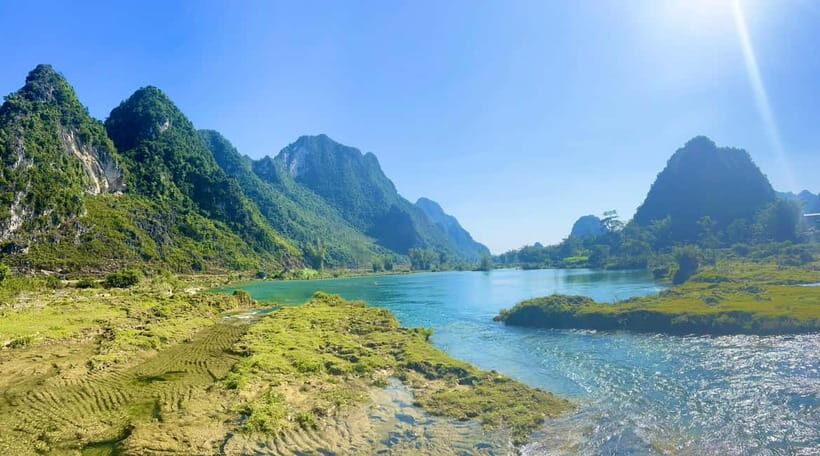
This itinerary depends on local expertise. You’re moving through less-touristy terrain, doing cave routes, and spending real time in ethnic areas. A capable guide makes the difference between seeing places and understanding them.
From the feedback you provided, three guide names stand out:
- Nhung, praised for descriptions that make local history, culture, and folklore easy to follow
- Trung, recognized as a gentleman driver who helps the trip feel comfortable
- Viet, highlighted for punctuality, sweet communication, and flexibility during activities
There’s also an added advantage: guides here often help with practical fixes. In one case, Viet helped arrange a private car from Hanoi to Cao Bang. That’s not part of every deal you book, but it shows the mindset of the people running these tours: if something changes, they try to keep you moving.
Who should book this tour (and who might not love it)
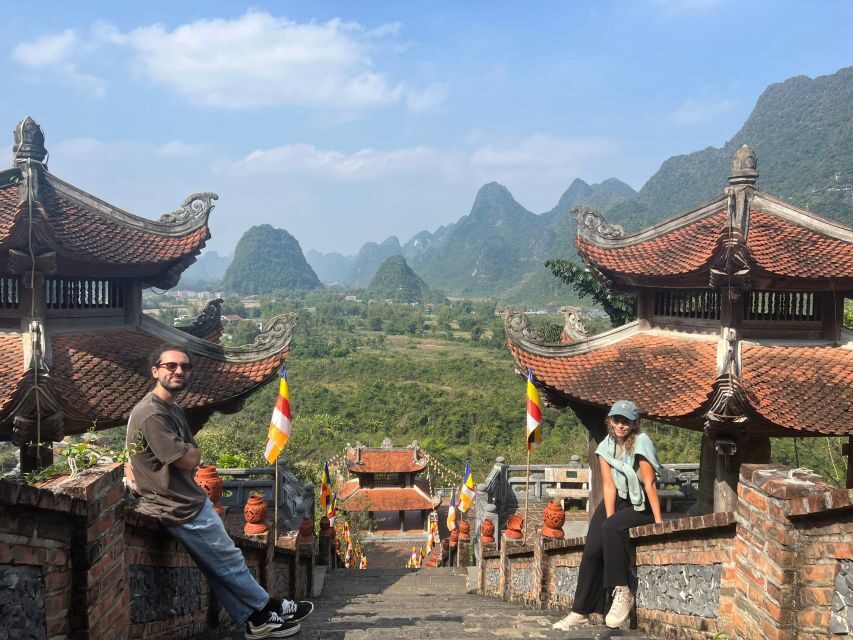
This tour fits best if you want a Northern Vietnam trip that feels grounded and local.
You’ll probably love it if:
- You care about Ban Gioc Waterfall and Ba Be Lake but don’t want a rushed day-by-day checklist
- You enjoy ethnic craft villages and want context for what you buy
- You’re okay with road time and caves as part of a bigger story
- You want guided value: entries, boat trip, meals, and knowledgeable support
You might want to reconsider if:
- You strongly dislike long driving days or bumpy roads
- You want fully independent travel with zero guidance
- You don’t want any cave walking and prefer mostly easy, flat sightseeing
Also, the tour is organized at least with 2 people. If you’re traveling alone, you’ll need to contact the provider for support so they can plan around group size.
Quick checklist before you go
This is the kind of trip where small prep pays off.
- Bring footwear that handles uneven surfaces and possible wet spots
- If you plan to ride the motorbike, get your International Driver license
- Pack a light layer. Waterfalls and caves can feel cooler than the town routes
- If you’re buying gifts in craft villages, carry small cash and plan to shop earlier rather than only at the end
Should you book Ban Gioc Waterfall and Ba Be Lake with a local guide?
I think you should book this tour if you want real region travel in Northern Vietnam, with nature that actually feels dramatic and culture that feels specific. The biggest strengths are the combination of Ban Gioc + two cave stops + Ba Be Lake water time, plus guided craft village visits where you can understand what you’re taking home.
But if your ideal trip is mostly effortless, city-style sightseeing, or if you don’t want road time and cave walking, look for something different.
If you do book: bring patience for travel days, and lean into the guide’s explanations. That’s where the experience turns from pretty photos into a story you’ll remember.
FAQ
How long is the Ban Gioc waterfall and Ba Be lake tour?
It runs for 3 days.
What are the main places you visit?
Key stops include Ban Gioc Waterfall, Nguom Ngao Cave, Truc Lam Pagoda, Hua Ma Cave, and Ba Be Lake, plus Tay ethnic village time and island/pond temple stops on the lake.
Are meals included?
Yes. You get 3 breakfasts, 3 lunches, and 2 dinners.
Is water included?
Yes. You get 1 bottle of water (500ml) per day.
Do you get a boat trip on Ba Be Lake?
Yes, a boat trip in Ba Be Lake is included.
What else is included besides major attractions?
Entry/admission fees for Ban Gioc Waterfall, Nguom Ngao Cave, Mountain Angel Eye, Cao Bằng, and Hua Ma Cave are included, along with a local guide and a private room (2pax/1room).
Is a motorbike included?
Yes. A free motorbike is included with gasoline.
Can I ride the motorbike without a special license?
If you want to ride the motorbike, you need an International Driver license. If you don’t have it, you can book a driver/rider for an extra fee.
What transport from Hanoi is included?
The tour ends in Hanoi on Day 3, but the bus ticket from Hanoi and back is not included.
Is there an option for fully English speaking help?
The tour includes a local guide. If you want an English speaking guide add-on, it is listed as $10 per customer.