Hanoi sets the tone fast. This 12-day route stitches together big sights with day-to-day local life, from lakeside walks in Hanoi to boat rides in Trang An and Cam Thanh. I like that you’re not left to figure things out alone—entrance fees and permits are built in, plus you get guided stops through major landmarks.
The second thing I like is the pace balance: you get an early-morning Tai Chi session on the Halong cruise sundeck, and you also spend real time in places like Hoi An’s ancient streets instead of only doing quick photo stops. The one potential drawback is movement—this tour changes regions and cities several times, so pack for travel days and keep your sightseeing stamina in check.
In This Review
- Key things that make this trip worth your attention
- Entering Hanoi the right way: Opera House to the Old Quarter loop
- Temple gardens, coffee stops, and paying attention in Hanoi
- Ninh Binh and Trang An: when boat time beats bus time
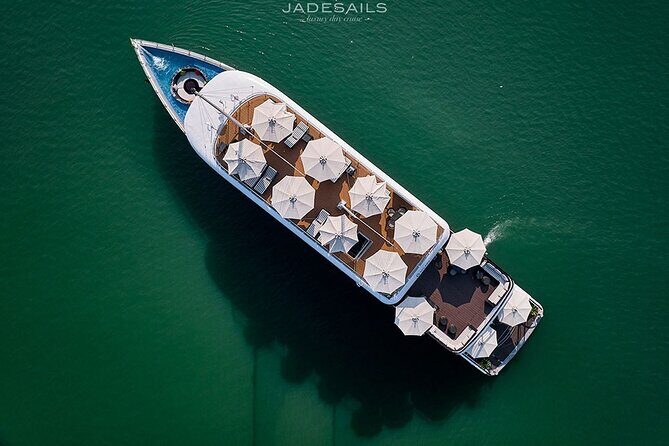
- Halong Bay, with a slower morning: cruise days that start gently
- Hue’s royal focus: Imperial City, Khai Dinh, and Thien Mu views
- Hai Van Pass and Marble Mountains: the scenic drive that pays off
- Hoi An day 1: Cam Thanh bamboo boat plus the Japanese Covered Bridge
- Ba Na Hills and the Golden Bridge: big views on a set schedule
- Ho Chi Minh City’s war trail: Cu Chi, Independence Palace, and Saigon icons
- Mekong Delta in Ben Tre: coconut workshops and local candy
- Wrapping up in Ho Chi Minh City: last day and easy departure
- Price and value: what $2,653 covers (and what it doesn’t)
- Who should pick this Vietnam package
- Should you book this 12-day Vietnam route?
- FAQ
- How long is the 12 Days Vietnam Tour Package?
- Where do you meet at the start and where does the tour end?
- What’s included in the tour price?
- What is not included?
- Do I need to arrange a Vietnam visa?
- Is this tour private or shared with other people?
- How do you get to Halong Bay from Hanoi?
- Is the cruise in Halong Bay guaranteed to run?
- Can I cancel for a full refund?
Key things that make this trip worth your attention
- All the main entrances are covered (so you can spend time seeing, not queuing for tickets)
- Trang An boat ride is a core highlight at UNESCO-listed scenery
- Halong Bay morning Tai Chi adds a calm, memorable start to the cruise day
- Hoi An + Cam Thanh bamboo boat gives you more than just the Old Town postcards
- Cu Chi tunnels and Independence Palace bring Vietnam’s modern history into focus in Ho Chi Minh City
- Mekong Delta day in Ben Tre includes hands-on stops tied to coconut and candy production
Entering Hanoi the right way: Opera House to the Old Quarter loop
Hanoi Day 1 starts easy. After you land at Noi Bai Airport, a guide welcomes you and transfers you to your hotel for check-in and rest. The rest of the day is free, which matters here because jet lag is real and Hanoi walking can be a lot on day one.
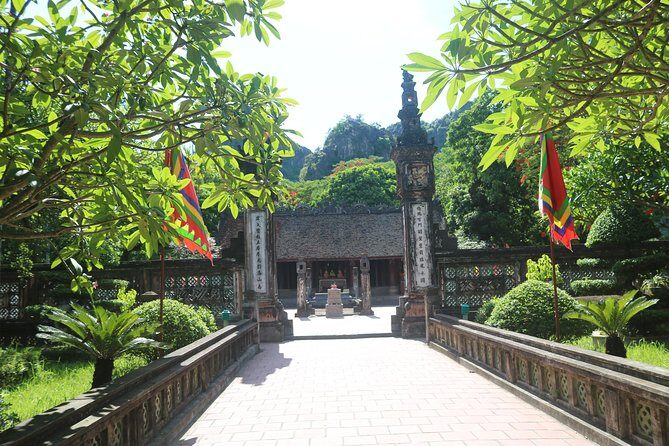
Day 2 is a classic Hanoi sweep, built around old landmarks you can understand quickly. You begin with an external look at the Hanoi Opera House, then move to Hoan Kiem Lake and Ngoc Son Temple. After that, you step into Vietnam’s learning story at the Temple of Literature & National University, a site first built in 1070, with preserved gardens that make it feel more like a place than a backdrop.
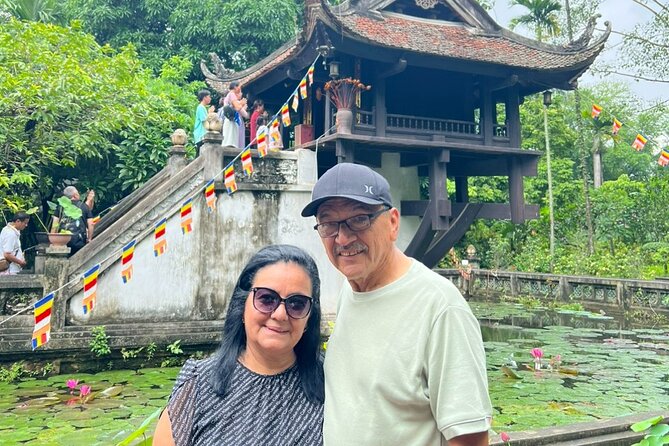
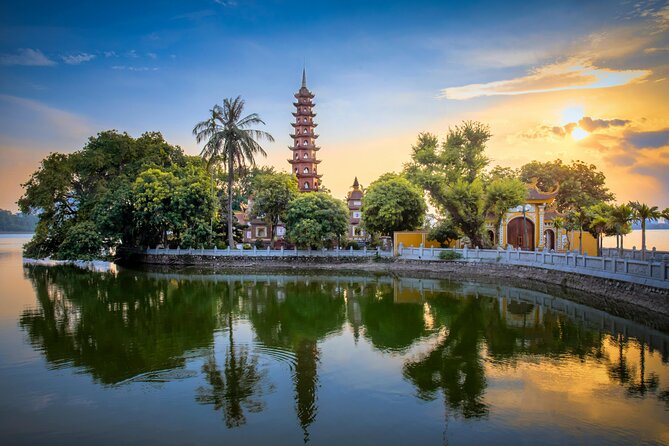
What I like most is how this day mixes formal history with everyday Hanoi. The Vietnam Museum of Ethnology covers Vietnam’s 54 ethnic groups with objects tied to costumes and tools—an excellent way to widen your view before you hit the war-and-leaders sites. Then you visit the Ho Chi Minh Mausoleum complex, including the One Pillar Pagoda, and you end with Tran Quoc Pagoda, noted as the oldest Buddhist structure in Vietnam (about 1,440 years of history).
The final piece is very Hanoi: you get a water puppet show, then a xich lo (bicycle rickshaw) ride around the Old Quarter and Hoan Kiem area. It’s not just cute—it’s a practical way to cover streets you’d otherwise have to navigate slowly on your own.
A consideration: this is a full, sights-on-feet day. If you hate “ticket line” energy, take advantage of the included structure so you don’t waste time guessing where to go next.
Temple gardens, coffee stops, and paying attention in Hanoi
One small detail that signals how the day is designed: right before the Temple of Literature visit, you’ll have egg yolk coffee. That’s a simple cultural moment that helps the morning feel less like a checklist and more like a trip.
The Temple of Literature itself isn’t just impressive because it’s old. It’s also a reminder that Vietnam’s story includes formal scholarship early on. Then the museum gives context you can carry forward—ethnic diversity isn’t a side note here; it helps you interpret what you’ll see later in villages, crafts, and markets.
If you want to get more from this day, keep your expectations realistic. You’re covering a lot of serious sites in one go, so choose one or two “memory anchors.” For me, those would be the Temple of Literature setting and the ethnology museum’s range.
Ninh Binh and Trang An: when boat time beats bus time
After breakfast, Day 3 takes you out to Ninh Binh, departing around 8:00 AM toward Hoa Lu, the former capital of Dai Co Viet. You’ll visit temples on the old royal palace site—these are the kinds of ruins where the setting really matters, not just the stones.
Then comes the big scenery-and-feeling stop: Trang An Landscape Complex. You get a 2-hour boat ride through UNESCO-listed cultural and natural heritage terrain. This is where the tour’s “nature” side turns from generic countryside to something you can experience slowly—quietly sitting, looking, and letting the route unfold by water.
You then continue to Bich Dong Pagoda, with three ancient pagodas dating back to the 17th century. The day ends with a local market visit, which is one of the best ways to learn how people organize their day—food, small trades, daily routine.
A practical trade-off: this day mixes boats, pagodas, and a market. It’s great, but it also means you’ll walk more than you might expect. Wear shoes you trust.
Halong Bay, with a slower morning: cruise days that start gently
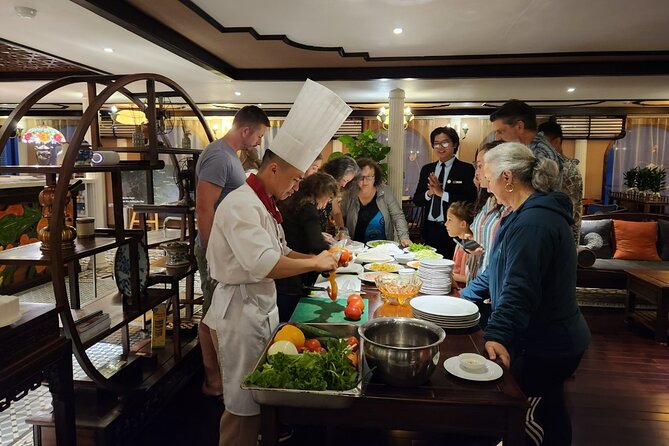
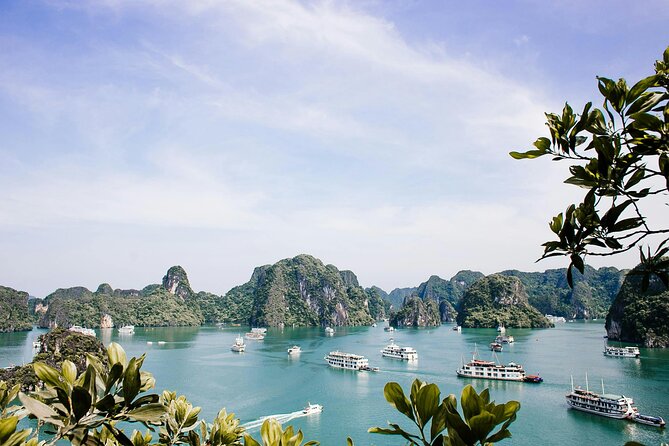
Day 4 moves you to Halong Bay by shared shuttle provided by the cruise. You board the cruise and start with a welcome drink while the captain covers trip basics.
Day 5 is built around calm start energy. You begin with a Tai Chi class on the cruise sundeck, with complimentary tea and coffee. You’re not cramming adrenaline here. You’re doing slow movement in open water views, which is a smart contrast to the intense sightseeing rhythm earlier.
After that, you get a light breakfast onboard, and then you spend time joining final activities on the cruise or simply relaxing as the trip continues. Near the end, you return, with a flight transfer out of Hanoi to Hue.
Why this matters for value: this isn’t just “see the bay.” It’s “experience the bay” with included time and structure, and it helps justify the overall cost of the package since meals, entrances, and cruise components are handled.
Hue’s royal focus: Imperial City, Khai Dinh, and Thien Mu views
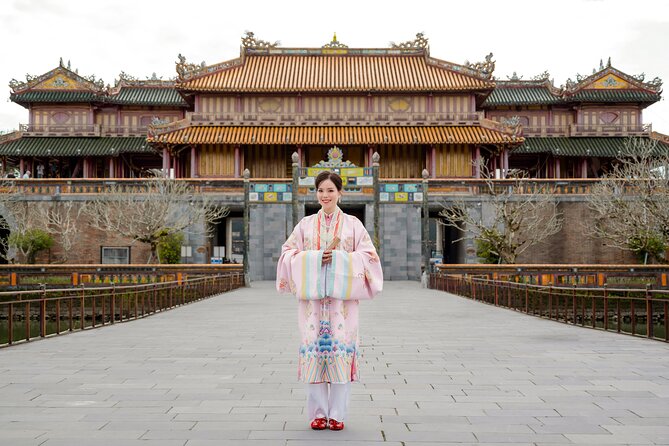
In Hue, your mornings shift from boat calm to fortress scale. Day 6 begins with the Hue Imperial City, a walled fortress designed as a replica of the Forbidden City in Beijing. That design link helps you understand why the citadel feels both familiar and distinct—same idea, different expression.
In the afternoon, you visit Thien Mu Pagoda, located by the confluence of rivers near the Perfume River, with views over the area. After that, you go to the Tomb of Khai Dinh.
Day 6 is a good fit if you like history you can physically stand inside. You’re not just reading labels—you’re walking through imperial architecture and shifting perspectives from pagoda viewpoints to tomb terrain.
Hai Van Pass and Marble Mountains: the scenic drive that pays off
Day 7 is a travel day with substance, not wasted time. You drive to Hoi An, and the first highlight is the Hai Van Pass, widely known for dramatic road views. It’s one of those routes that makes a long transfer feel worth it.
You then stop at the Marble Mountains, a cluster of limestone hills tied to the five elements: Metal, Wood, Water, Fire, and Earth. This is also a practical break: stairs and caves are active but short enough to keep momentum.
Then you arrive in Hoi An, where the day ends in a calmer mood around the ancient town.
Hoi An day 1: Cam Thanh bamboo boat plus the Japanese Covered Bridge
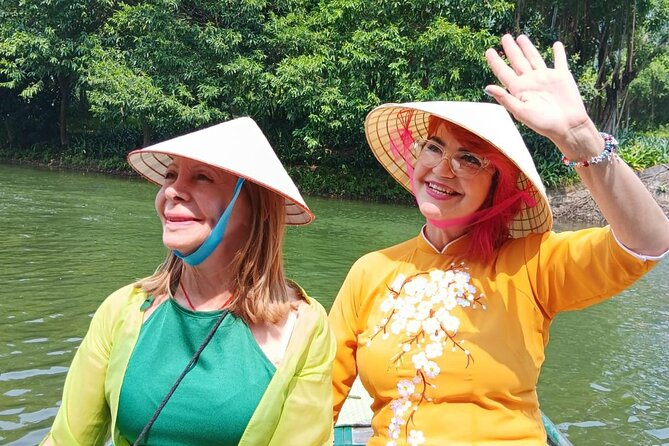
Day 8 starts with a transfer to Cam Thanh, a fishing village where you meet local fishermen and learn how they live day to day. You ride a traditional Vietnamese bamboo boat—the kind of experience that feels more like participation than tourism theater.
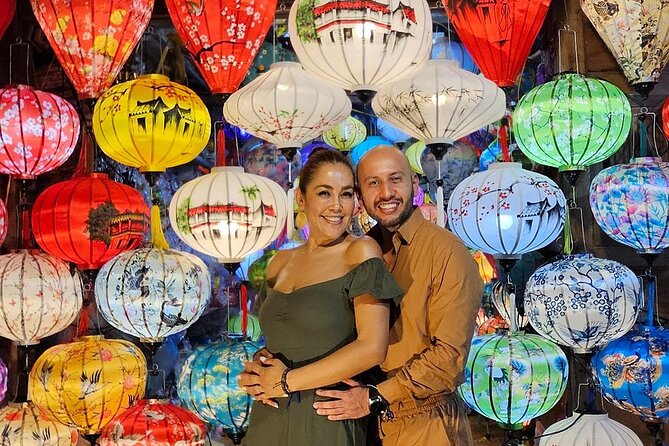
In the afternoon, you go straight into the heart of Hoi An: the Japanese Covered Bridge (around 400 years old, originally built in 1590 by Japanese merchants). Then you visit the Phung Hung Ancient House and the Phuc Kien Assembly Hall (Fukian Assembly Hall), both known for Japanese and Chinese architectural influences.
What I like here is that Hoi An isn’t treated as only “the pretty streets.” You get cultural context through buildings and through the fishing community connection.
One thing to watch: Hoi An’s most famous sites can get crowded in high season. The tour structure helps, but still expect a photo-attracting crowd.
Ba Na Hills and the Golden Bridge: big views on a set schedule
Day 9 is packed with a signature Vietnam photo-and-views day. You head to Sun World Ba Na Hills and ride a modern cable car system for panoramic views. It’s a modern experience, but it works because the tour then layers in the famous highlights.
You visit the Golden Bridge after stops that include old French villas, a suspension bridge, and Nui Chua, plus a peak area at 1,487 meters. After that, you go to Linh Ung Pagoda and visit the Statue of Buddha Sakyamuni at Vong Nguyet Hill.
Then the tour transitions again, with a brief Da Nang city tour before flying to Ho Chi Minh City for hotel check-in.
This day is where the package earns its keep if you’re short on time. Getting from city to mountain and then back on schedule is hard to do smoothly alone.
Ho Chi Minh City’s war trail: Cu Chi, Independence Palace, and Saigon icons
Day 10 is the historical punch. You head from Saigon to the Cu Chi Tunnels, an extensive underground network manually dug by guerrilla fighters used for shelters and defense routes. It’s a heavy stop, but it’s also one of the most concrete ways to understand what the war looked like on the ground.
In the afternoon, you visit the Independence Palace, the former stronghold of South Vietnam. The tour notes that on April 30, 1975, tanks crashed through its gates, marking the official end of the Vietnam War.
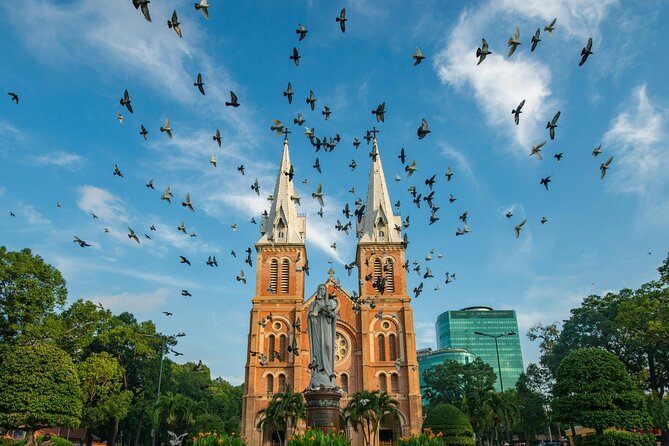
You then finish with French colonial-era landmarks: Saigon Notre Dame Cathedral and the Central Post Office, both tied to the French period of construction (1877–1880 for the cathedral, with the post office designed by Gustave Eiffel).
This is a strong combination: underground war history, political decision-space history, and architecture. If you’re trying to understand Vietnam’s 20th-century turning points, this day does the job.
Mekong Delta in Ben Tre: coconut workshops and local candy
Day 11 shifts from war history to water-and-craft life. You drive about 115 km (around 2 hours) to Ben Tre in the Mekong Delta.
From there, you board a boat to visit a handcrafted coconut workshop and a local candy production site. That focus on coconut and candy matters because it’s not just “look at boats.” You’re seeing how raw materials turn into products people use and sell.
A practical note: this is one of the days where timing and energy are your biggest decisions. Bring a light plan for hydration and small snacks since you’re moving through active stops.
Wrapping up in Ho Chi Minh City: last day and easy departure
Day 12 is straightforward. You transfer to the airport for your departure at the scheduled time, with the driver picking you up from the hotel.
Since the trip ends in Ho Chi Minh City, it’s worth double-checking your flight details early. Long tours are where small timing mistakes become big stress.
Price and value: what $2,653 covers (and what it doesn’t)
At $2,653 per person for ~12 days, the value is in what’s included: air-conditioned transportation, entrance fees and permits, mineral water (2 bottles per day), and a lot of guided sightseeing structure. You also have a meal backbone: breakfasts (11), lunches (2), and dinner included.
What’s not included is equally important: international and domestic flights and Vietnam visa. Also not included are meals not specified, travel insurance, and tips/personal expenses.
So the right way to judge this price is simple: if you want guides, included sites, and smooth region-to-region transfers (including flights between major stops), this package looks built for that comfort level. If you’re trying to travel ultra-budget and don’t care about organized admissions and scheduled activities, you could likely do it cheaper on your own. But you’d be trading away time and coordination.
Who should pick this Vietnam package
This is a great match if you want:
- Guided structure for major sights across north to south Vietnam
- A mix of culture, nature, and history without having to map every transfer
- Included access to key attractions like Temple of Literature, Trang An boat ride, Halong cruise activities, and war-history stops in Ho Chi Minh City
It may be less ideal if you prefer slow travel with fewer flights and long stays in one region.
Based on the way the trip is organized, it suits couples, families, and groups who like having a plan—but still want authentic touches like markets, fishermen, and coconut/candy production.
Should you book this 12-day Vietnam route?
If you want a smooth “best-of Vietnam” line from Hanoi to Ho Chi Minh City with boats, pagodas, palace history, and modern war sites, I think this package makes sense. The included entrances, daily water, and guided stops help the days feel organized instead of chaotic.
I’d only hesitate if you’re sensitive to travel time between regions or you’re aiming for the lowest possible cost. In that case, you might prefer a lighter, fewer-city plan.
FAQ
How long is the 12 Days Vietnam Tour Package?
It lasts about 12 days.
Where do you meet at the start and where does the tour end?
Start: Rex Hanoi Hotel, 42-44 P. Gia Ngư, Hàng Bạc, Hoàn Kiếm, Hà Nội 10000, Vietnam.
End: EDEN STAR SAIGON HOTEL, 38 Bùi Thị Xuân, Phường Phạm Ngũ Lão, Quận 1, Thành phố Hồ Chí Minh 70000, Vietnam.
What’s included in the tour price?
The package includes dinner, lunch (2), breakfast (11), an air-conditioned vehicle, entrance fees and permits for sightseeing, mineral water (2 bottles per day), and personalized service from a dedicated travel agent.
What is not included?
Not included are international and domestic flight tickets, the Vietnam visa, meals not specified in the itinerary, travel insurance, and tips/personal expenses.
Do I need to arrange a Vietnam visa?
Yes. The Vietnam visa is listed as not included.
Is this tour private or shared with other people?
It is described as private, meaning only your group participates.
How do you get to Halong Bay from Hanoi?
You transfer to Halong Bay in a shared shuttle provided by the cruise.
Is the cruise in Halong Bay guaranteed to run?
The experience requires good weather. If it’s canceled due to poor weather, you’ll be offered a different date or a full refund.
Can I cancel for a full refund?
Yes. You can cancel up to 24 hours in advance for a full refund, as long as you cancel at least 24 hours before the experience start time.